Technical Knowledge
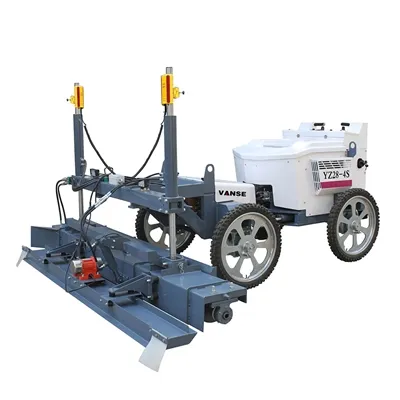
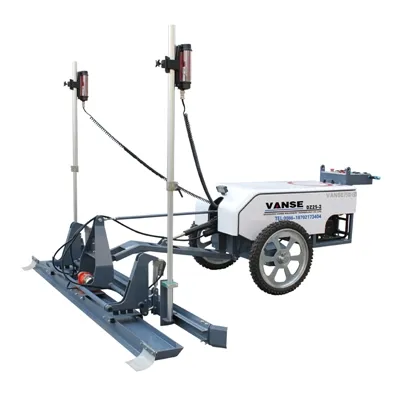
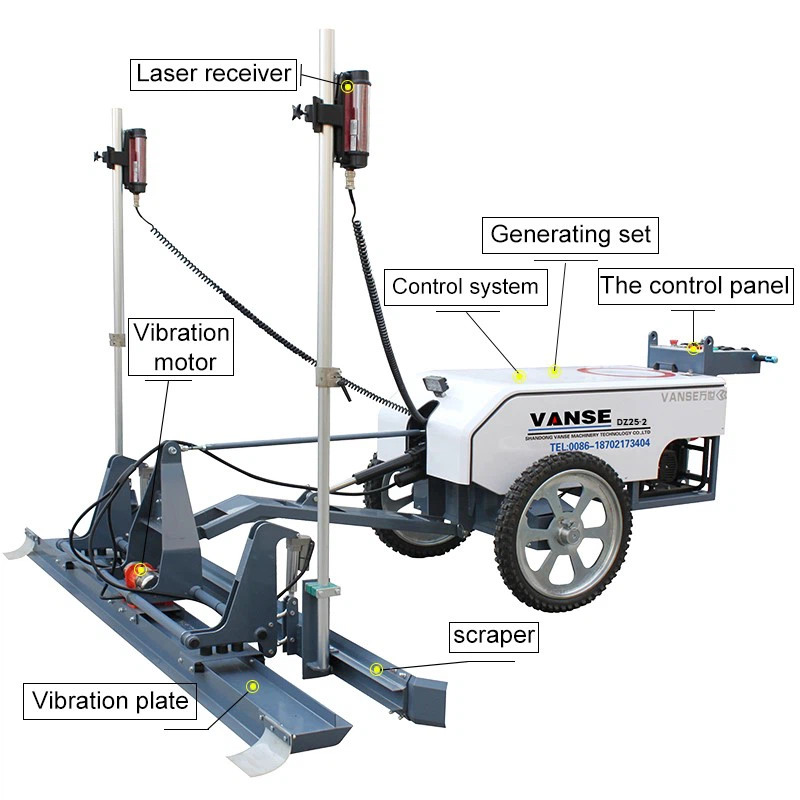
Precautions for using concrete laser leveling machine
▶•◆ Construction industry ◆•◀
1. Operators must undergo professional training and master the correct use of laser leveling machines. During the operation, operating procedures should be strictly followed to ensure construction safety.
2. Operators should wear corresponding protective equipment, such as protective glasses, mouthpieces, gloves, etc., to prevent dust and laser radiation from harming the human body.
3. When performing laser leveling machine operations, ensure that the safe passage at the construction site is clear to facilitate rapid evacuation in case of emergency.
4. When working at heights, the stability and safety of the operating platform or scaffolding should be ensured to avoid falling accidents.
5. When performing concrete laser leveling machine operations, attention should be paid to the influence of the surrounding environment, such as weather, wind and other factors to ensure construction safety.
▶•◆ Internet industry ◆•◀
1. When using the concrete laser leveling machine, you should pay attention to the protection of network security. Operators should regularly check the network security status of the leveling machine, fix vulnerabilities and update software in a timely manner to prevent hacker attacks and data leaks.
2. When operating the concrete laser leveling, attention should be paid to the confidentiality of the data. Operators should store sensitive data in encrypted storage media and take appropriate security measures to prevent data leakage and theft.
3. When using the concrete laser leveling machine, you should pay attention to the safety of the operating system. Operators should regularly update the operating system and software, and install patches and upgrades in a timely manner to ensure system stability and security.
4. When operating the concrete laser leveling, attention should be paid to network security management. Operators should develop a complete network security management system, clarify responsibilities and authorities, and establish emergency plans to ensure the effectiveness and reliability of network security.
▶•◆ Other industries ◆•◀
1. When using the concrete laser leveling machine, attention should be paid to the maintenance and upkeep of the mechanical equipment. Operators should regularly check the mechanical components and electrical systems of the leveling machine to ensure the normal operation and service life of the equipment.
2. When operating the concrete laser leveling, attention should be paid to environmental protection. Operators should take appropriate environmental protection measures to reduce noise, vibration and waste water discharge to protect the environment.
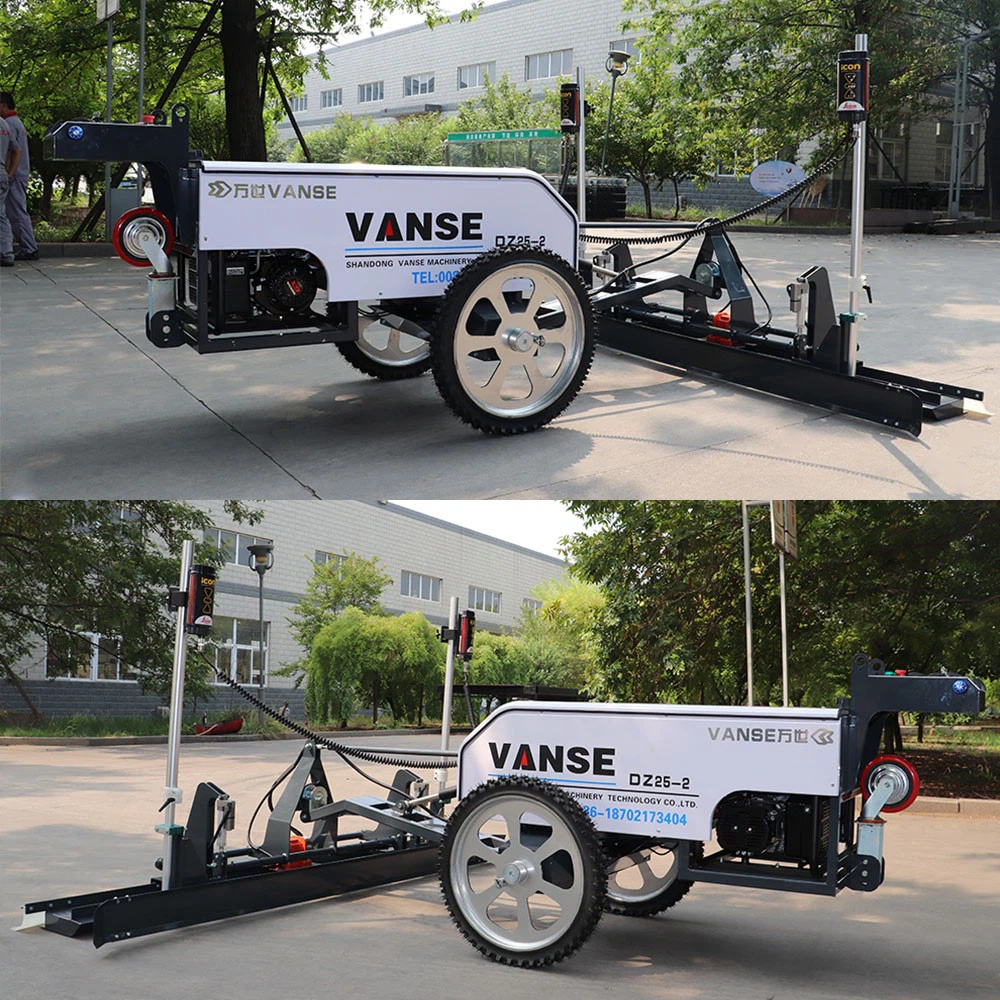
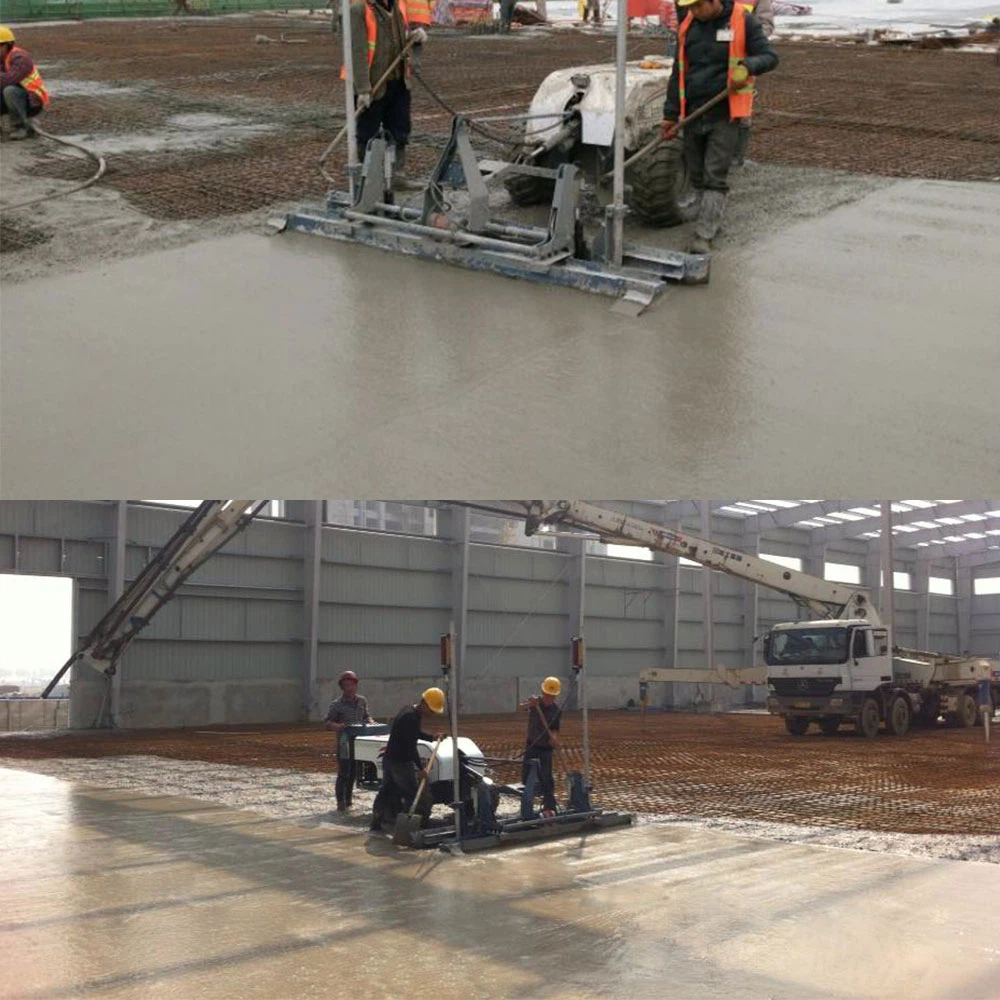
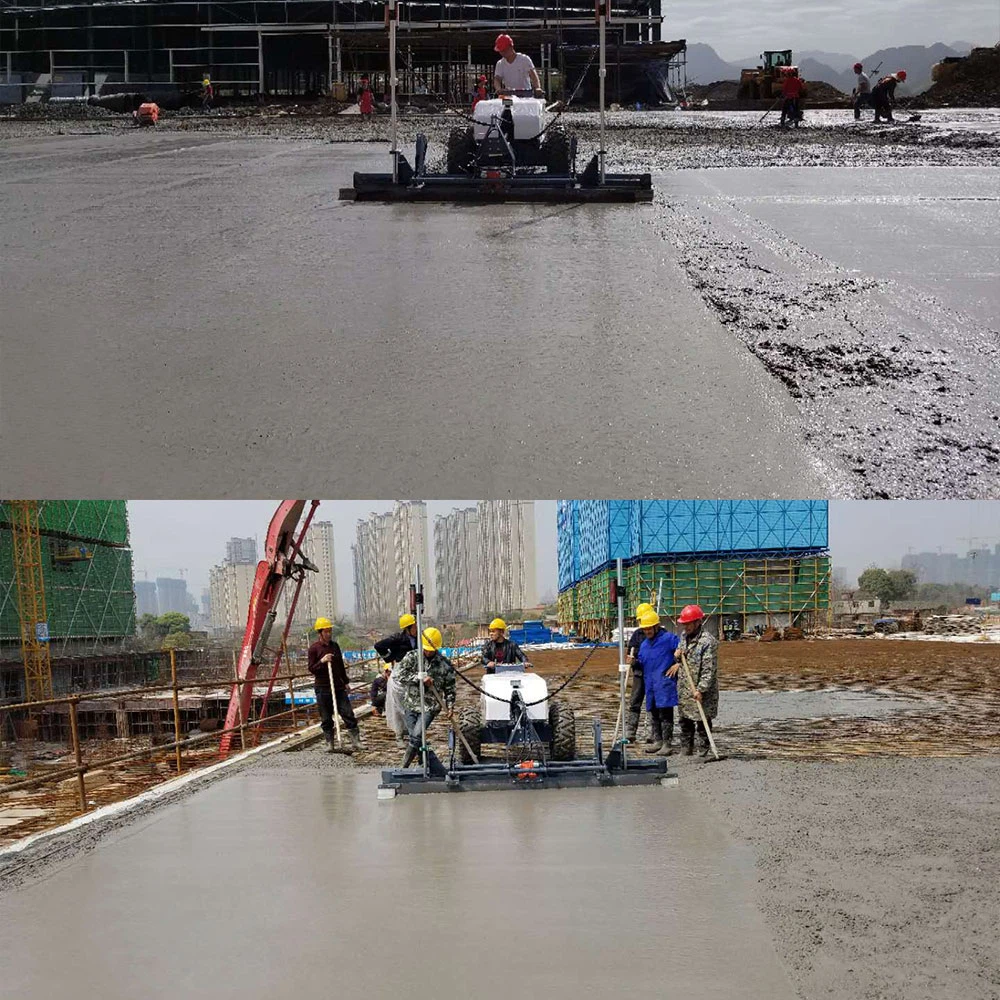
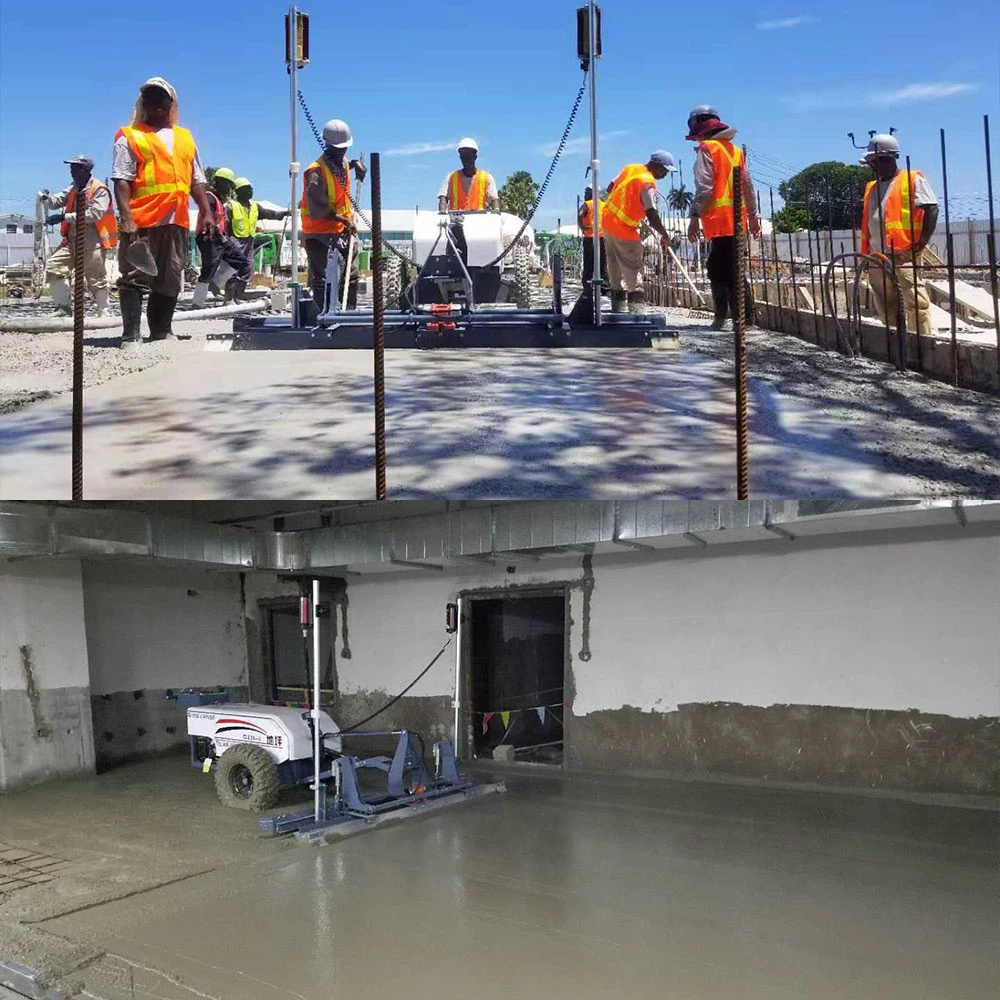
Thanks to All the Friends Who Support and Trust Shandong Vanse Machinery Technology Co., Ltd.
If you want to know more about Shandong Vanse Machinery Technology Co., Ltd. or have any questions, please feel free to contact us:
Our Factory
Shandong Vanse Machinery Technology Co., Ltd.








Share this article

About the Author: Shandong Vanse Machinery Technology Co., Ltd.
Shandong Vanse Machinery Technology Co., Ltd. is a high-tech manufacturer specializing in concrete construction machinery, including laser screeds and related equipment. The company integrates R&D, production, and global sales, with products exported to over 60 countries and widely used in infrastructure projects worldwide.
Previous Post
Next Post
Related Articles
You Might Also Like
In actual construction, what performance indicators should the construction unit evaluate based on specific needs?
1. Adaptability and adjustability of the construction site The on-site adaptability and adjustability of the concrete laser leveling are also very important evaluation indicators. An excellent leveling should be able to adjust quickly and maintain stable performance in different construction site environments. Terrain adaptability: The equipment should be able to adapt to different terrain conditions, such as slope, height inequality. Equipment with strong terrain adaptability can maintain efficient grading operations in complex construction environments. Material adaptability: Different concrete materials have different characteristics, such as viscosity, fluidity, etc. The equipment should be able to adapt to the characteristics of different concrete materials to ensure smoothing results. Adjustability: Various parameters of the equipment, such as leveling speed, laser ranging range, etc., should be easily adjusted to adapt to different construction needs. 2. Safety and protective measures Safety and protective measures are also aspects that cannot be ignored when evaluating concrete laser levelings. Safety design: The equipment should have good safety design, such as emergency stop buttons, protective covers, etc., to ensure the safety of operators. Fault warning and protection: The equipment should have fault warning and protection functions, which can issue timely warnings when equipment malfunctions or abnormal conditions occur, and take protective measures to prevent accidents. 3. Cost-benefit analysis When evaluating a concrete laser leveling, you also need to consider its cost-effectiveness Purchase cost: Different brands and models of concrete laser levelings may have different purchase costs, which need to be considered comprehensively based on the budget. Operating costs: Operating costs include equipment maintenance, consumable replacement, operator training, etc., and are also factors that need to be considered when evaluating the cost-effectiveness of equipment. Long-term return: Considering the service life and long-term return of the equipment, it is a wiser choice to choose equipment with stable performance and strong durability. 4. After-sales service and support Excellent after-sales service and support can ensure that the equipment is maintained and maintained in a timely manner during use and ensure the normal operation of the equipment. After-sales service network: Evaluate whether the after-sales service network of the equipment manufacturer or seller is complete and whether it can provide timely technical support and maintenance services. Warranty period and maintenance policy: Understand the warranty period and maintenance policy of the equipment to ensure that the equipment can be handled in a timely manner when it fails. 5. Market feedback and user evaluation Understanding the reviews and feedback of other users on the market about concrete laser levelings can help to more fully evaluate the performance of the equipment. Market reputation: Understand the reputation and user reviews of the device in the market by consulting relevant forums, social media and other channels. Professional evaluation: Refer to the evaluation reports of concrete laser leveling machines by professional organizations or media to understand the performance, advantages and disadvantages of the equipment. To sum up, evaluating the performance indicators of concrete laser leveling requires comprehensive consideration from multiple dimensions. Through a comprehensive evaluation of the equipment's leveling efficiency, flatness accuracy, equipment stability, laser control system, energy consumption and environmental protection, ease of operation, maintenance and upkeep, durability and lifespan, adaptability and adjustability of the construction site, Safety and protective measures, cost-benefit analysis, and after-sales service and support can provide comprehensive decision-making support for construction units to choose the appropriate concrete laser leveling. At the same time, paying attention to market feedback and user evaluations will also help to understand the actual performance and user satisfaction of the equipment, and provide a reference for the selection and use of equipment.How to Develop a Maintenance Plan for a Concrete Laser Leveling Machine
Concrete laser leveling machine is a high-precision and high-efficiency construction equipment. In order to ensure that it always maintains a good working condition, prolongs its service life and reduces the occurrence rate of failures, this maintenance plan is specially formulated. Corresponding maintenance is required before, during and after daily operations. This is the basis for ensuring the normal operation of the equipment. Before operation: Check whether the fuel, lubricating oil and hydraulic oil of the equipment are sufficient. If insufficient, add them in time to ensure that all systems can operate normally. At the same time, check whether key components such as laser transmitters and receivers are clean and intact, and whether there are loose or damaged phenomena to ensure the accuracy of the laser system. In addition, check whether the tire pressure is normal, whether there are damages or foreign objects on the tire surface, and ensure the safety of the equipment. During operation: Pay close attention to the operating status of the equipment, listen for abnormal sounds from the engine, hydraulic system, etc., and observe whether the indications of each instrument are normal. If an abnormality is found, the machine should be stopped for inspection immediately. Only after the fault is eliminated can the operation be continued to avoid the expansion of small faults. After operation: Clean up concrete residues, dust and other debris on the surface of the equipment in time to prevent the concrete from being difficult to remove after solidification, which will affect the heat dissipation and appearance of the equipment. When cleaning optical components such as laser transmitters and receivers, use special cleaning tools and detergents to avoid scratching the lens. Check whether the bolts and nuts at each connection are loose, and tighten them in time if they are. On the basis of daily maintenance, a more comprehensive inspection and maintenance is carried out once a week. Check the engine's air filter. If there is a lot of dust on the surface of the filter element, it should be cleaned or replaced to ensure smooth engine air intake and improve combustion efficiency. Check the oil tank of the hydraulic system, observe the oil level and oil quality of the hydraulic oil. If the oil quality deteriorates (such as emulsification, blackening, etc.), the hydraulic oil and filter element should be replaced in time. At the same time, check whether there is leakage at the connection of the hydraulic pipeline, and if there is leakage, it should be handled in time. Check the braking system of the equipment, including the wear of the brake pads and the level of the brake fluid, to ensure good braking performance and ensure the safety of the equipment and operators. Lubricate each lubrication point of the equipment, select appropriate lubricants according to the requirements of the equipment manual, ensure that all moving parts are well lubricated and reduce wear. Carry out in-depth inspection and maintenance every month to detect and eliminate potential faults in time. Check the engine's fuel filter. If the filter element is blocked, it should be replaced in time to prevent impurities from entering the engine and causing engine wear. Check the electrical system of the equipment, including the connection of the wires, the power and voltage of the battery, etc., to ensure that the electrical system works properly. If the battery power is insufficient, it should be charged in time; if the wire is damaged or aged, it should be replaced in time. Check the calibration of the laser system. If the accuracy deviation of the laser transmitter and receiver is found, it should be calibrated in time to ensure the construction accuracy of the equipment. Check the structural components of the equipment, such as the frame, scraper, etc., for deformation, cracks and other damage. If there is any damage, it should be repaired or replaced in time. Establish an equipment maintenance record ledger to record in detail the time, content, maintenance personnel and other information of each maintenance, so as to trace the maintenance of the equipment and provide a basis for the repair and maintenance of the equipment. Formulate emergency measures, formulate corresponding emergency treatment plans for common equipment failures (such as engine failure to start, hydraulic system failure, etc.), and equip with necessary maintenance tools and spare parts so that timely repairs can be carried out when equipment fails to reduce downtime. By strictly implementing this maintenance plan, the reliability and service life of the concrete laser leveling machine can be effectively improved to ensure the smooth progress of construction work. Click the below to jump immediately!!! ARMOUR JOINT CONCRETE LASER LEVELING MACHINE LIGHT TOWER POWER TROWEL SLIPFORM MACHINE STEEL FIBER TOPPING SPREADER TRACKED MINI DUMPERHow to improve the construction quality of concrete laser leveling machine?
Improving the construction quality of concrete laser leveling machines is one of the key factors to ensure the overall quality of construction projects. Concrete laser leveling machines use laser technology to control the flatness and precision of the ground, but to achieve high-quality construction results, multiple factors need to be considered comprehensively. The following is a detailed analysis of how to improve the construction quality of concrete laser leveling machines. In the field of construction, concrete laser leveling machines are widely used in ground leveling operations due to their high efficiency and high precision. However, the improvement of construction quality depends not only on the equipment itself, but also requires strict construction management and operation procedures. Sufficient pre-construction preparation is the basis for improving construction quality: – **Equipment inspection: Ensure that the laser leveling machine is in the best working condition, including the laser system, control system and mechanical components. – **Construction plan formulation: Develop a detailed construction plan according to the project requirements, including concrete mix ratio, pouring thickness and leveling process. – **Operator training: Ensure that the operator is familiar with the equipment operation and construction process, and understands the key points of quality control. The quality of construction materials directly affects the final construction quality: – **Concrete ratio: strictly control the ratio of concrete to ensure that it meets the design requirements. – **Raw material quality: select high-quality cement, aggregates and additives to avoid material problems affecting the construction quality. Quality monitoring during construction is the key to ensuring construction quality: – **Laser system monitoring: real-time monitoring of the stability of the laser system to ensure the accuracy of the laser plane. – **Flatness detection: regularly use professional equipment to detect the flatness of the concrete surface and adjust the working parameters of the leveling machine in time. Accurate operation is a direct means to improve construction quality: – **Equipment adjustment: adjust the height and speed of the leveling machine in time according to the actual situation of the concrete and the construction environment. – **Operation continuity: maintain the continuity of operation to avoid inconsistent flatness due to interruptions in operation. A good construction environment is an external condition to ensure construction quality: – **Environmental factor control: Control the temperature, humidity and light conditions of the construction site to avoid adverse factors affecting the coagulation and hardening of concrete. – **Construction site management: Reasonably arrange the layout of the construction site to ensure the smooth construction process. Reasonable maintenance management is crucial to ensure construction quality: – **Timely covering: Cover the concrete surface in time after construction to prevent moisture from evaporating too quickly. – **Curing time: Ensure sufficient curing time to fully harden the concrete. Detailed recording and analysis of construction data will help to continuously improve construction quality: – **Data recording: Record various parameters during the construction process, such as concrete temperature, pouring speed, leveling speed, etc. – **Data analysis: Analyze data, find out factors that affect construction quality, and continuously optimize construction plans. Establish strict acceptance standards for construction quality: – **Acceptance process: Establish a standardized acceptance process to ensure that each construction link meets quality requirements. – **Acceptance tools: Use professional tools for quality acceptance, such as flatness measuring instruments, strength testers, etc. Quickly identify and solve problems during construction: – **Problem identification: Quickly identify problems that occur during construction, such as concrete segregation, surface bubbles, etc. – **Problem handling: Take appropriate measures to deal with the problem according to the nature of the problem, such as re-leveling, repairing, etc. Technological innovation is an important way to improve construction quality: – **New process exploration: Continuously explore and experiment with new construction processes to improve construction efficiency and quality. – **Technology integration: Integrate the latest technologies, such as intelligent control systems, to improve the level of construction intelligence. Improving the construction quality of concrete laser leveling machines is a systematic project, which requires comprehensive consideration and management from multiple aspects such as pre-construction preparation, quality control of construction materials, quality monitoring during construction, precise operation of construction equipment, control of construction environment, maintenance management after construction, recording and analysis of construction data, acceptance standards for construction quality, problem solving during construction, and technological innovation and application. Through the implementation of these measures, the construction quality of concrete floors can be effectively improved to meet the construction quality and use requirements.