Technical Knowledge
Laser leveling– summer maintenance notice
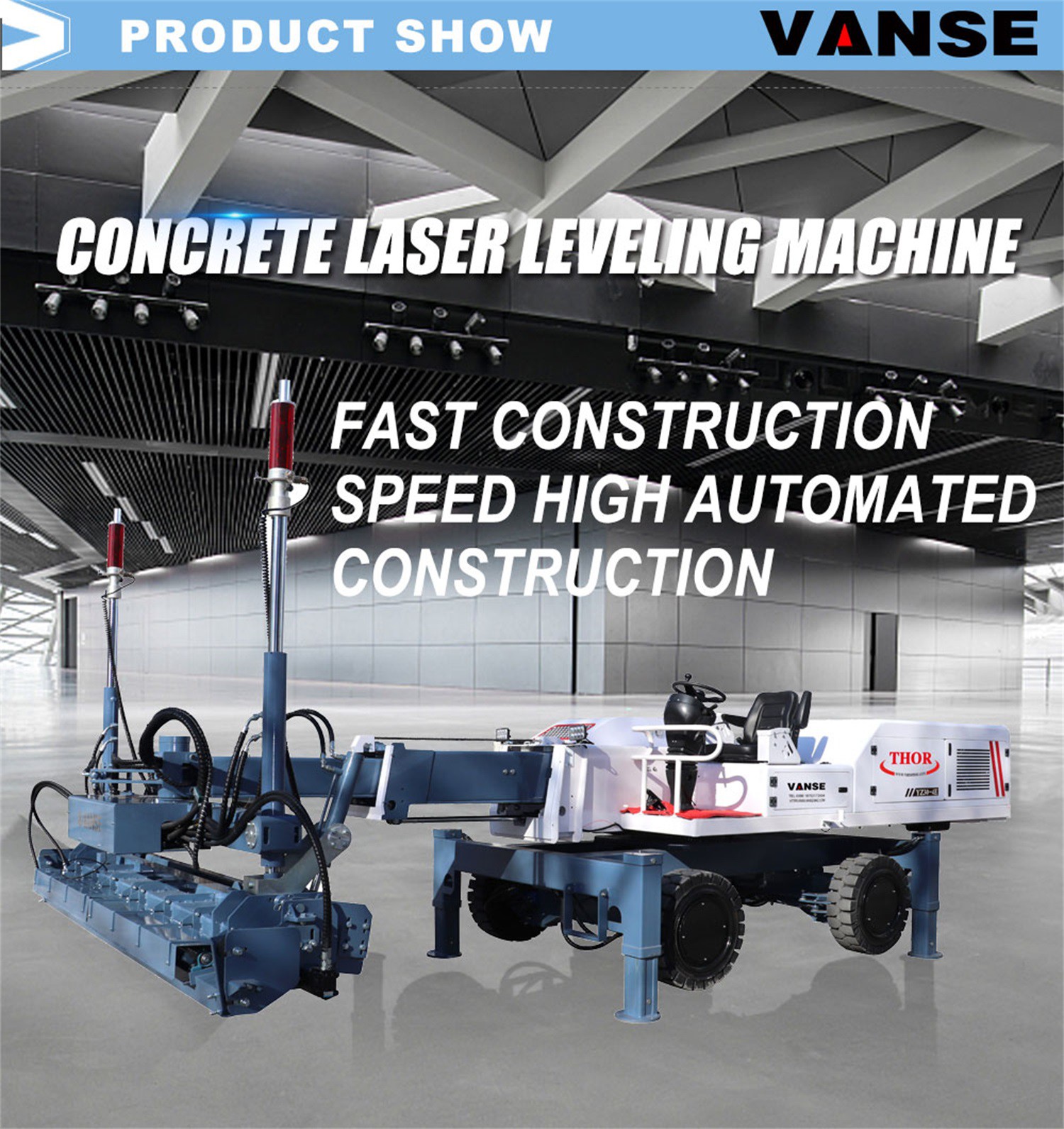
*In summer, the construction must first prevent the engine from overheating. Under normal circumstances, the temperature of the engine should not exceed 95°. If the temperature is too high, you should choose a cooler position to stop the cooling. When the machine is stopped, the hood can be ventilated and cooled.
*It is necessary to detect the amount of cooling water in time. When the water radiator reaches 100°, do not rush to add cooling water. Instead, stop the engine immediately after idling and then add coolant.
*Clean the radiator often. Includes coolant radiator / oil radiator / hydraulic oil radiator to prevent poor heat dissipation.
*The construction temperature is high in summer, and the tire pressure and tire temperature should be checked frequently. If the temperature of the tire is too high, stop it in time and place it in a cool place to cool down. Remember to use the wrong method of deflation or cold water to cool down.
*Maintenance-free batteries need to be checked frequently for their working conditions. The observation hole shows that green represents normal.
*Prevent engine knocking. Before entering the summer, the carbon deposits in the combustion chamber, valve top and other parts should be completely removed to maintain good heat dissipation and normal compression ratio; it is necessary to check and adjust the fuel supply advance angle to prevent engine deflagration.
*Always check the temperature of the hydraulic oil and hydraulic transmission oil. If the temperature is too high, stop it and stop it. Do not operate at high temperatures.
*After the construction is finished, it is necessary to clean the spreader roller in time, otherwise it will cause damage to the machine and affect the spreading effect.
Thanks to All the Friends Who Support and Trust Shandong Vanse Machinery Technology Co., Ltd.
If you want to know more about Shandong Vanse Machinery Technology Co., Ltd. or have any questions, please feel free to contact us:
Our Factory
Shandong Vanse Machinery Technology Co., Ltd.








Share this article

About the Author: Shandong Vanse Machinery Technology Co., Ltd.
Shandong Vanse Machinery Technology Co., Ltd. is a high-tech manufacturer specializing in concrete construction machinery, including laser screeds and related equipment. The company integrates R&D, production, and global sales, with products exported to over 60 countries and widely used in infrastructure projects worldwide.
Previous Post
Next Post
Related Articles
You Might Also Like
Can concrete topping spreaders handle different types of additives (e.g., color pigments, anti-slip agents) for floor projects
Yes, they absolutely can, but with a few technical "fine print" warnings. While these machines are designed for dry-shake hardeners (which are essentially a pre-mixed blend of cement, sand, and additives), you can certainly use them to distribute specific components like pigments or anti-slip agents-provided you respect the machine's mechanical limits. Here is how concrete topping spreaders handle various additives and the adjustments you need to make. Most "color" in industrial floors isn't pure pigment; it's a Color Hardener (pigment + cement + fine aggregate). The Spreader's Role: It is the only way to get a perfectly uniform color. Hand-tossing color usually results in "leopard spots." The Risk: Pure, raw pigment is often too fine (like flour). If you put pure pigment in a spreader, it may "bridge" (clump together) in the hopper and refuse to fall through the rotor. The Fix: Ensure the pigment is part of a engineered dry-shake mix. If you must use pure pigment, it should be blended with a carrier (like fine sand) to give it enough "weight" to flow through the machine. For loading docks or wet processing areas, you might spread Silicon Carbide or Aluminum Oxide. Handling: These materials are much denser and "grittier" than standard hardeners. Machine Wear: These are essentially sandpaper for your equipment. If you are running high volumes of anti-slip agents, you will notice accelerated wear on the rubber seals and the discharge rotor. Distribution: Because these grains are heavy, they drop very fast. You usually need to tighten the discharge gap on the spreader to prevent "dumping" too much material in one spot. Additive Type Material Examples Spreader Compatibility Key Challenge Metallic Aggregates Iron filings, steel grit Excellent High weight; requires heavy-duty motors. Anti-Slip Silicon Carbide, Quartz Good Highly abrasive; wears down internal parts. Reflective Glass beads, "Sparkle" grain Moderate Very fragile; can "crush" in the rotor. Pure Pigment Iron oxide powders Difficult Clumping and "dusting" (blown away by wind). If you are switching from a high-visibility color (like "Safety Red") to a standard grey hardener, a simple shake-out isn't enough. The Danger: Residual pigment trapped in the rotor corners will "bleed" into the next project for the first 100 feet. The Fix: Use a shop-vac and a stiff brush to clean the internal discharge vanes. Some operators run a "sacrificial" 25 kg bag of plain sand through the machine to scrub the pigment out before starting the next color. Additives like pure pigments are extremely hygroscopic (they suck moisture out of the air). If you leave specialized additives in the hopper during a lunch break or a rain delay, they can "cake" onto the rotor. The Rule: Only load what you are about to spread immediately. Not all additives weigh the same. 1 Liter of Steel Aggregate weighs much more than 1 Liter of Glass Beads. The Test: Before starting the actual floor, run a "10-foot test" on a piece of plastic or a dry section of the slab. Weigh the material dropped to ensure your kg/㎡ (or lb/ft^2) matches the project spec. Integrated Blends: Yes, flawlessly. This is what they are built for. Raw Abrasives: Yes, but expect higher maintenance on the machine. Fine Powders: No, unless blended with a carrier to improve flow. Pro Tip: When spreading reflective beads or very fine anti-slip grains, lower the discharge height of the spreader head as much as possible. Even a light breeze in a warehouse can blow 20% of your expensive additives away before they even hit the wet concrete. Would you like me to find the recommended "Drop Rates" (kg/㎡) for standard VS heavy-duty industrial wear layers? Contact us NOW Note: The parameters provided in this document are for reference only and are not mandatory. Due to differences in technical characteristics between different brands and models of laser levelers, please consult the manufacturer for a suitable solution before actual operation. This reference document assumes no responsibility for any issues arising from failure to follow the manufacturer's instructions.What are the tips for using a concrete power trowel?
Concrete can be said to be one of the most commonly used materials in construction. In order to make the ground smoother and more beautiful, many people also use a trowel, so you must understand some skills and matters before using it. The editor below will introduce to you the tips for using a concrete trowel. What are the tips for using concrete trowel The troweling machine can only be started by holding it steady by hand. In order to balance the machine body, adjust the screw. When starting work, be sure to hold it steady. If you are operating on the floor, adjust the direction to prevent the machine from losing control. Remember to first Grind coarsely, then finely grind later. When selecting, you must choose a suitable blade material based on the construction conditions. If it is too soft, it will deform during use, which may cause unevenness. You must choose a blade with high rigidity and strength. What are the precautions for operating the trowel machine? 1. Before use, you need to check the switch of the motor, check whether the cables and wiring are normal and comply with regulations, and check whether a leakage protector is installed. 2. Before use, you need to check whether there are any debris on the wiper plate to prevent the whole machine from jumping during use. 3. Start the trial operation after the power is turned on. The blades are generally in a clockwise direction and must not be reversed. 4. Operators must remember to wear insulating shoes and gloves. Assistant personnel must also wear these things to avoid damage to the insulation layer and electric shock accidents. 5. When a fault occurs, the power must be cut off before maintenance can be carried out. 6. The trowel should be placed in a dry place, free of corrosive gases and dirt, and its handle should also be placed in the specified position. When moving it, no rough handling can be carried out. Summary: This is the introduction to the tips for using concrete trowels. When choosing, you must first look at the material of the blade. If it is too soft, it will deform during use, which may cause unevenness. phenomenon, it is appropriate to choose a material with high rigidity and strength. If you want to know more related knowledge, you can follow us for consultation.What is the efficient of a large concrete trowel?
The working efficiency of large concrete trowels varies depending on factors such as model, configuration and construction conditions. The working efficiency of common ride-on double-disc trowels is generally around 400-500 square meters per hour. Calculated on an 8-hour workday, its working efficiency is between 3000-5000 square meters.