Technical Knowledge
Is a concrete laser leveling suitable for repairing old concrete floors?
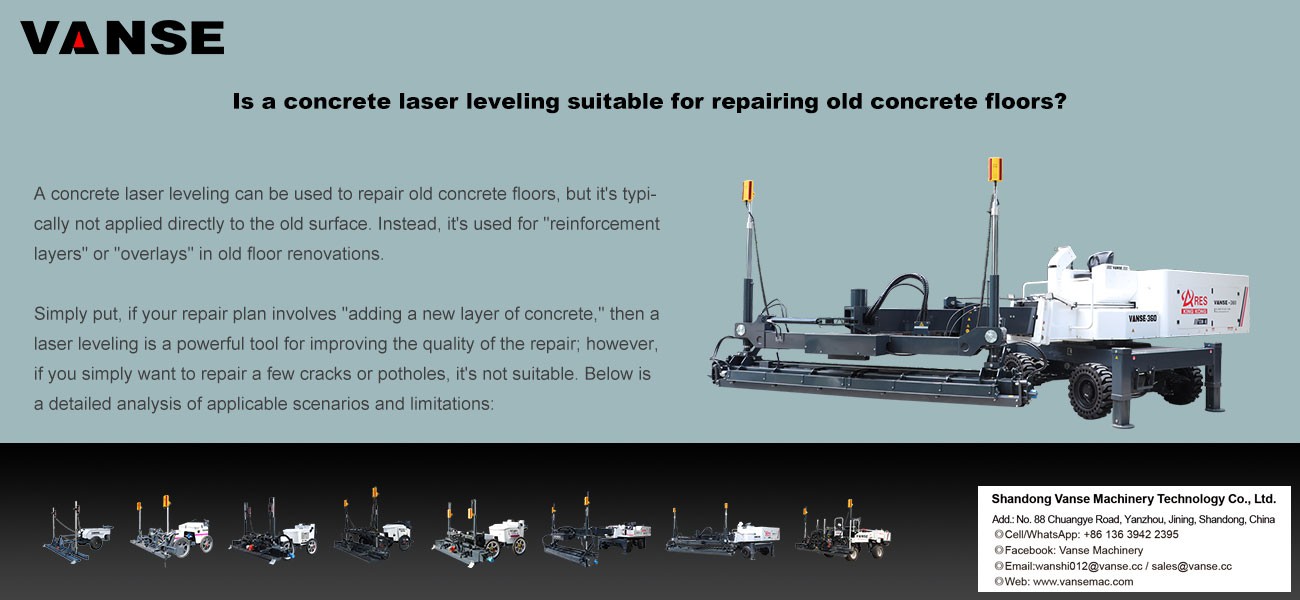
A concrete laser leveling can be used to repair old concrete floors, but it's typically not applied directly to the old surface. Instead, it's used for "reinforcement layers" or "overlays" in old floor renovations.
Simply put, if your repair plan involves "adding a new layer of concrete," then a laser leveling is a powerful tool for improving the quality of the repair; however, if you simply want to repair a few cracks or potholes, it's not suitable. Below is a detailed analysis of applicable scenarios and limitations:
I. Applicable Scenarios: Overlay Repair on Old Floors
When an old floor requires complete renovation due to poor flatness, insufficient strength, or severe dust generation, overlay construction is typically used.
1. Bonded Overlay
Application: A 30mm–100mm thick layer of new concrete is poured onto a milled and dust-free old floor.
Screwing Machine Function: Laser leveling ensure that this thin layer of new concrete achieves extremely high flatness, repairing slope defects in the old floor.
Advantages: More uniform than manual leveling, reducing shrinkage cracks caused by uneven thickness.
2. Unbonded Overlay
Application: If the old floor is severely damaged (e.g., large-area cracks), a release liner is typically laid first, followed by a new floor slab at least 100mm thick.
Laser leveling Function: In this case, the laser leveling functions as if it were a new floor, and is the only standard method to achieve high F/L values.
II. Key Limitations During Construction
While technically feasible, the following challenges should be considered when using laser leveling for old floor repairs:
1. Minimum Thickness Limitation
Laser leveling have an auger and a vibrating beam. If the overlay thickness is less than 30mm (such as some self-leveling mortars), the machine's mechanical vibration and the auger may come into contact with the old substrate, making work impossible.
Recommendation: For thin overlay repairs (<30mm), a manual laser leveling or self-leveling process should be used.
2. Load Capacity Limitations
The existing ground must be able to support the weight of the leveling.
Ride-on leveling: Typically weigh between 0.5 and 2 tons. If the existing ground has voids or extremely low strength, the machine's movement may cause secondary damage to the foundation.
Handheld leveling: Lightweight, more suitable for thin-layer overlay repairs inside old factory buildings.
III. Standard Procedure for Repairing Old Surfaces
Substrate Treatment: The aggregate of the old concrete must be exposed through shot blasting or milling to ensure proper bonding between the old and new concrete.
Setting the Benchmark: Laser emitters are installed around the perimeter of the old surface, and the target elevation after repair is set.
Pouring and Leveling: After the new concrete is poured, the laser leveling machine automatically adjusts the leveling head height according to the set elevation, completing the spreading, leveling, and compaction in one operation.
Summary
| Conditions | Applicable | Recommended Solution: |
| Local pothole/crack repair | Not Applicable | Manual filling with epoxy mortar or repair material |
| Overall leveling and renovation of old flooring (addition layer >3cm) | Highly Applicable | Laser leveling + fine aggregate concrete/steel fiber reinforced concrete |
| Ultra-thin self-leveling compound repair (<1cm) | Not Applicable | Self-leveling construction process |
Note: The parameters provided in this document are for reference only and are not mandatory. Due to differences in technical characteristics between different brands and models of laser levelers, please consult the manufacturer for a suitable solution before actual operation. This reference document assumes no responsibility for any issues arising from failure to follow the manufacturer's instructions.
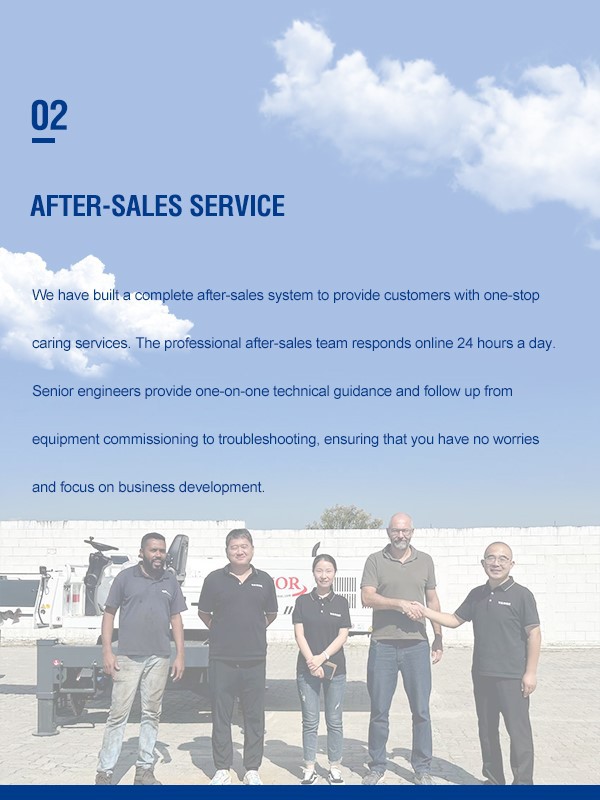
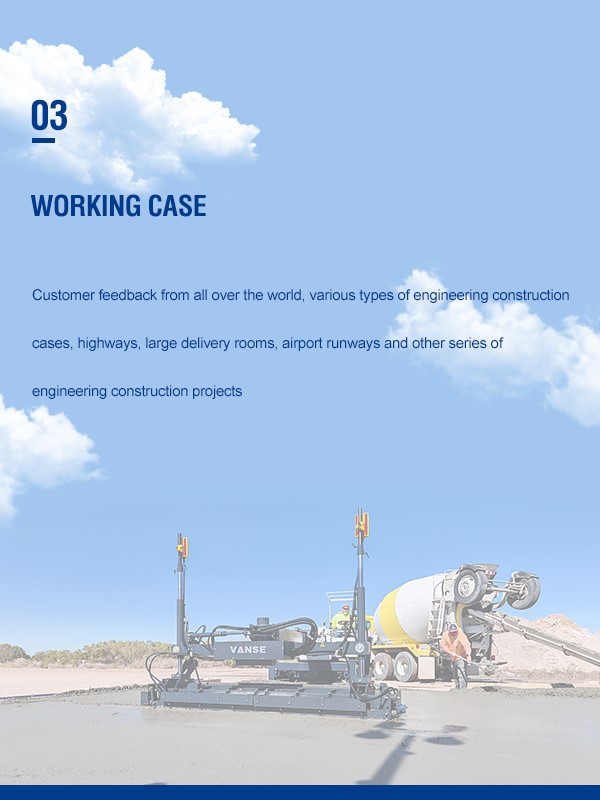
Thanks to All the Friends Who Support and Trust Shandong Vanse Machinery Technology Co., Ltd.
If you want to know more about Shandong Vanse Machinery Technology Co., Ltd. or have any questions, please feel free to contact us:
Our Factory
Shandong Vanse Machinery Technology Co., Ltd.
Share this article

About the Author: Shandong Vanse Machinery Technology Co., Ltd.
Shandong Vanse Machinery Technology Co., Ltd. is a high-tech manufacturer specializing in concrete construction machinery, including laser screeds and related equipment. The company integrates R&D, production, and global sales, with products exported to over 60 countries and widely used in infrastructure projects worldwide.
Previous Post
Next Post
Related Articles
You Might Also Like
Industry Standards And Specification Requirements For Concrete Laser Leveling Machines
Industry standards and specification requirements for concrete laser leveling machines 1. Introduction With the rapid development of the construction industry and the continuous progress of technological innovation, the importance and role of concrete laser leveling machines as key equipment in modern building construction have become increasingly prominent. In order to ensure the stable performance, safe operation and convenient maintenance of concrete laser leveling machines, the industry has formulated a series of industry standards and regulatory requirements. This article aims to deeply discuss the industry standards and specification requirements for concrete laser leveling machines and provide clear guidance and reference for relevant practitioners. 2. Industry background and current situation As a high-precision and high-efficiency ground leveling equipment, concrete laser leveling machine is widely used in infrastructure construction fields such as roads, bridges, airports, and squares. With the continuous innovation of technology and the continuous expansion of application fields, the concrete laser leveling machine industry shows the following characteristics: ※Equipment technology continues to be upgraded, making performance more stable and reliable. ※Application fields continue to expand and market demand continues to grow. ※Competition in the industry is becoming increasingly fierce, and the requirements for product quality and service are constantly increasing. In this context, it is particularly important to formulate and implement industry standards and regulatory requirements. They not only help improve the overall quality of concrete laser leveling machines and ensure construction safety, but also promote the healthy development of the industry and enhance international competitiveness. 3. Overview of industry standards The industry standards for concrete laser levelings mainly include the following aspects: ※Technical performance standards: Specifies the technical performance indicators of concrete laser levelings, such as flatness, accuracy, efficiency, etc., to ensure that the equipment can meet the needs of different projects. ※Safety standards: stipulate the safety performance of equipment, including electrical safety, mechanical safety, operational safety, etc., to ensure the life safety of construction personnel and the stable operation of equipment. ※Environmental standards: Limit environmental indicators such as noise, vibration, and exhaust emissions of equipment to reduce environmental pollution. ※Repair and maintenance standards: Specify maintenance requirements and troubleshooting methods for equipment to ensure long-term stable operation of the equipment. 4. Analysis of specification requirements The specification requirements for concrete laser levelinging machines mainly include the following aspects: ※Design and manufacturing requirements: The equipment is required to be reasonably designed, well manufactured, and comply with relevant technical specifications and standards. At the same time, the equipment is required to be easy to maintain and operate, and can meet the needs of different projects. ※Performance requirements: Clearly define the performance of the equipment, such as flatness, accuracy, efficiency, etc. The equipment is required to complete the leveling task within the specified time and achieve the specified leveling effect. ※Safety requirements: Equipment is required to strictly abide by safety regulations during design, manufacturing, and use to ensure the safety of operators. At the same time, the equi pment is required to have complete safety protection measures and fault alarm functions. ※Environmental protection requir ements: Environmental protection indicators such as noise, vibration, and exhaust emissions of equipment are required to comply with relevant standards and regulations to reduce the impact on the environment. 5. Design and manufacturing requirements The design and manufacture of concrete laser leveling machines should comply with the following requirements: ※Structural rationality: The equip ment structure should be reasonably designed, with uniform stress, to reduce stress concentration, so as to improve the stability and durability of the equipment. ※Material selection: High-quality materials that meet standards should be selected to ensure the strength and stiffness of the equipment. At the same time, the corrosion resistance and wear resistance of the material should be considered to adapt to different construction environments. ※Processing technology: Adopt advanced processing technology and equipment to ensure the manufacturing accuracy and surface quality of the equipment. Special treatment is performed on key components, such as heat treatment, spraying, etc., to improve their service life and performance. ※Inspection and testing: Strict inspection and testing should be carried out during the equipment manufacturing process to ensure that various performance indicators of the equipment meet standard requirements. At the same time, long-term durability tests are conducted on the equipment to evaluate its performance in actual use. 6. Performance testing and evaluation The performance testing and evaluation of concrete laser leveling machines is a key link to ensure stable and reliable performance of the equipment. During the test process, the performance indicators such as flatness, accuracy, efficiency and so on of the equipment should be comprehensively tested. At the same time, the actual construction environment is simulated and long-term continuous operation tests are conducted on the equipment to evaluate its stability and reliability in actual use. In addition, the ease of operation and subsequent maintenance of the equipment should also be evaluated to meet the user's needs. 7. Operation and maintenance specifications In order to ensure the safe use and long-term stable operation of the concrete laser leveling, detailed operation and maintenance specifications should be formulated. The operating specifications should include operating steps and precautions such as starting, stopping, running, and adjusting the equipment. At the same time, clear requirements are placed on the quality and skills of operators to ensure that they can operate the equipment skillfully and accurately. Maintenance specifications should include daily inspection, maintenance, and repair of equipment. Operators are required to perform regular maintenance on the equipment, discover and deal with hidden faults in a timely manner, and ensure the long-term stable operation of the equipment. 8. Safe use and warnings The safe use of warm concrete laser levelings is a top priority. During use, safety regulations should be strictly followed to ensure the safety of operators. The equipment should be equipped with complete safety protection measures, such as emergency stop buttons, protective devices, etc. At the same time, warning signs and operating procedures instructions are set up in conspicuous locations on the equipment to remind operators to pay attention to safety matters and operating procedures. In addition, regular safety training and education are provided to operators to improve their safety awareness and operating skills and ensure the safe use of equipment. 9. Training and Certification To ensure the safe and efficient use of concrete laser levelings, operator training and certification are crucial. Manufacturers or relevant industry associations should provide specialized training courses, covering the basic principles of equipment, operating procedures, safety regulations, maintenance and other aspects. After the training, the sample operators should pass theoretical examinations and practical assessments. Conduct a comprehensive assessment. Only certified operators can work to ensure the safe and efficient operation of the equipment. 10. Market Supervision and Regulation In order to ensure the healthy development of the concrete laser leveling machine industry, government departments should strengthen market supervision and supervision. Develop strict industry standards and regulations and impose penalties on products and companies that do not meet the standards. At the same time, we will strengthen the random inspection and evaluation of equipment quality to ensure that the concrete laser leveling machines sold on the market meet relevant standards and requirements. In addition, enterprises should be encouraged to increase investment in research and development, promote technological innovation and industrial upgrading, and improve the competitiveness and international influence of the entire industry. 11. Future Outlook With the continuous advancement of science and technology and the continuous expansion of application fields, the concrete laser leveling machine industry will face more development opportunities and challenges. In the future, the industry will develop in the direction of intelligence, efficiency, and environmental protection. The application of intelligent technology will improve the automation and ease of operation of the equipment; efficient design will further improve the leveling efficiency and quality of the equipment; environmental protection requirements will prompt the equipment to pay more attention to environmental protection and sustainability during the manufacturing and use processes. develop. At the same time, with the continuous advancement of global infrastructure construction and the increasingly frequent international trade, the concrete laser leveling machine industry will face a broader market space and a more intense competitive environment. Therefore, relevant enterprises should continuously improve their own strength and innovation capabilities to adapt to market changes and demand development. Summarize Through a comprehensive discussion of the industry standards and regulatory requirements for mixed soil laser leveling machines, we can see that the industry has achieved remarkable results in technological innovation, market expansion, and safe use. However, in the face of future development opportunities and challenges, it is still necessary to strengthen industry supervision and market supervision, promote technological innovation and industrial upgrading, and improve the competitiveness and international influence of the entire industry. At the same time, relevant practitioners should continue to improve their own quality and capabilities to adapt to market changes and demand development. Only in this way can the concrete laser leveling machine industry usher in a better future.How do you calibrate a laser leveling for ±3mm super flat floors?
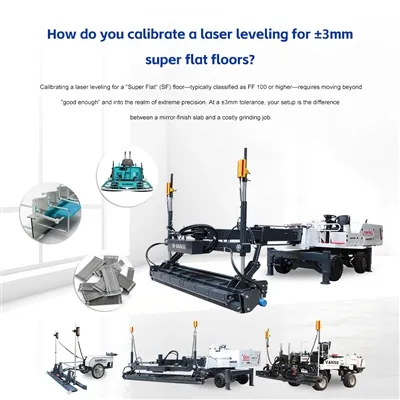
Calibrating a laser leveling for a "Super Flat" (SF) floor-typically classified as FF 100 or higher-requires moving beyond "good enough" and into the realm of extreme precision. At a ±3mm tolerance, your setup is the difference between a mirror-finish slab and a costly grinding job. Here is the professional workflow for calibrating and verifying your equipment. Before the machine even touches the concrete, the laser transmitter (the "eye" in the sky) must be verified. The Bench Test: Set the transmitter on a tripod at one end of a 50m (165ft) run. Zeroing: Use a handheld receiver on a grade rod to find "level" at 5m. The 180° Flip: Rotate the laser transmitter 180 degrees on its base. If the reading at the 50m mark shifts more than 1mm, the internal self-leveling mechanism is out of spec and needs professional servicing. The machine's onboard receivers must be perfectly synced with the leveling head's actual cutting edge. Manual Leveling: Lower the leveling head onto a known level surface (like an existing cured slab or steel rails). Mechanical Zero: Use a digital spirit level to ensure the auger and plow are perfectly horizontal. Sensor Matching: Adjust the electric masts (the poles holding the receivers) until both the left and right displays show "On Grade" simultaneously. Environmental factors like heat shimmer or vibrations can shift your grade. Establish a Master Benchmark: Set a permanent, immovable datum point (usually a column or a rebar pin driven deep into the subgrade). Frequent Checks: Check the machine against this benchmark at the start of the day, after every break, and if the temperature swings by more than 10°C (18°F). A laser leveling set to "0" doesn't always result in a "0" floor because concrete settles. The Offset Factor: For super flat floors, you often calibrate the machine with a Positive Offset (usually +2mm to +5mm). Why? This accounts for the displacement caused by the weight of the machine and the natural "slump" of the mix as the vibrator passes over it. The Dipstick Test: Use an Fmin profiler or a 10ft straightedge immediately behind the machine to check the "wet" floor. If it's low, adjust your receiver offset immediately. Component Action Tolerance Transmitter Dual-axis 180° rotation check < 1.5mm @ 30m leveling Head Side-to-side auger leveling 0.0° on digital level Vibration Frequency matching Constant RPM Subgrade Pre-leveling compaction check ±5mm of target Pro Tip: For Super Flat floors, never use a "sweeping" laser. Use a high-RPM fixed-plane laser (at least 600-900 RPM). If the laser spins too slowly, the machine's hydraulic reaction time will lag, creating "waves" in the floor that exceed your 3mm limit. Would you like me to draft a Wet-Check Protocol for your crew to use during the pour to ensure the tolerance stays within 3mm? Contact us NOW Note: The parameters provided in this document are for reference only and are not mandatory. Due to differences in technical characteristics between different brands and models of laser levelers, please consult the manufacturer for a suitable solution before actual operation. This reference document assumes no responsibility for any issues arising from failure to follow the manufacturer's instructions.How does the laser scanning system of the laser leveling machine achieve positioning and reflection?
The process of positioning and reflection achieved by the laser scanning system of the laser leveling machine is as follows: Laser leveling machines use laser beams to detect and adjust the flatness of object surfaces. The laser beam is generated by a launch system and illuminated on a plane mirror. The plane mirror reflects the laser light onto the surface of the object, forming a spot. The position change of the light spot is detected by a high-precision displacement sensor. In this way, the height difference on the surface of the object can be calculated. The displacement sensor transmits the detected signal to the control system, and the control system controls the position and energy of the laser beam through the feedback control system. The control system adjusts the position and energy of the laser beam according to the preset flatness requirements and sensor feedback information, thereby adjusting the flatness of the object surface. During the adjustment process, the laser beam continuously scans the surface of the object and makes corrections based on feedback information from the sensor until the predetermined flatness requirements are reached. The above content is for reference only. If you need more comprehensive and accurate information, you can check the working principle or operating instructions of the laser leveling machine or consult our business manager.