Technical Knowledge
Interpretation of practical knowledge of laser leveling machine
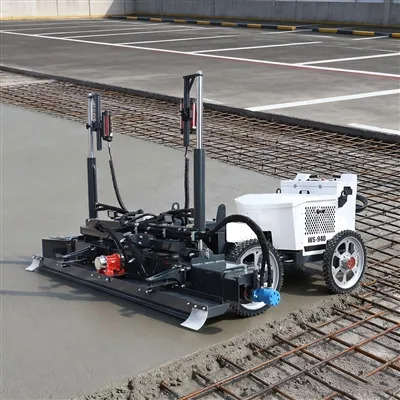
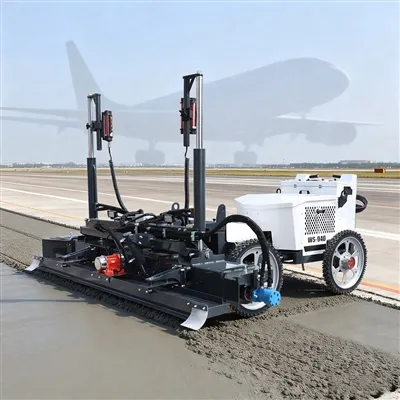
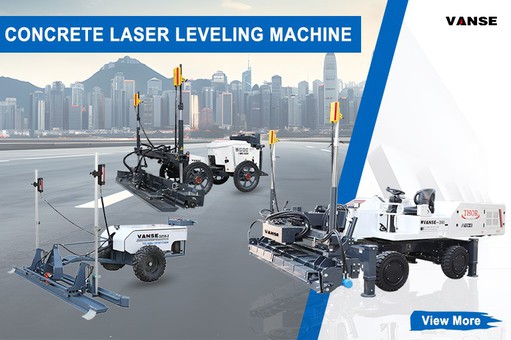
With the continuous improvement of people's requirements for the quality of building construction, the role of laser leveling machines has gradually become more and more obvious.
It is indeed a relatively time-saving and labor-saving way to use leveling machines to pave the ground.
It saves labor to the greatest extent, and also provides a guarantee for the flatness of the ground construction.
We will introduce the relevant knowledge of the laser leveling machine in detail below, please take a look together.
First, the leveling principle of the laser leveling machine is:
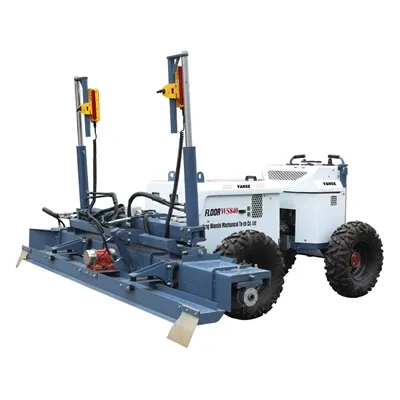
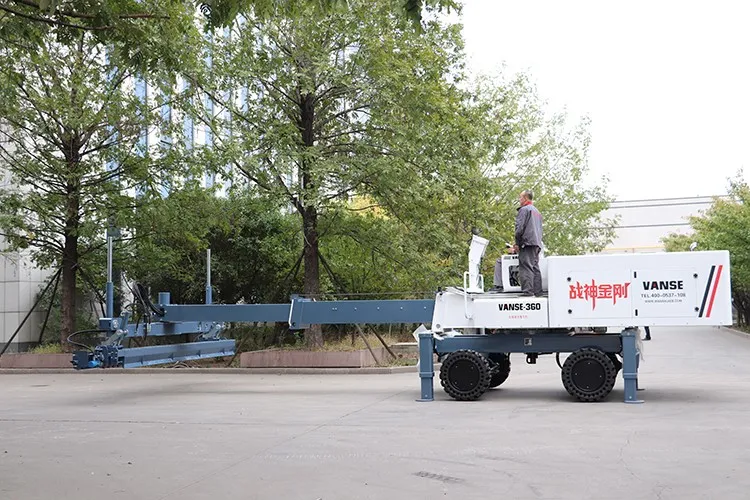
1. The laser leveling machine relies on the leveling head driven by hydraulic pressure (electricity), cooperates with the laser system and the computer control system to complete the leveling work while automatically leveling.
2. The leveling head is equipped with an integrated scraper, vibrator and leveling plate, which integrates all the work of leveling, leveling, vibrating, compacting and paddle lifting, and completes it at one time.
3. The computer control system automatically adjusts the elevation 10 times per second in real time, and the vibration frequency of the balanced designed vibrator reaches 4000 times per minute.
2. Tips for using laser leveling machine:
During the construction of the leveling machine, the concrete sent to the platform needs to be paved and roughly leveled by workers as soon as possible. In addition, the areas around the formwork, walls, columns, trenches, equipment foundations, floor drains, or surrounding equipment that cannot be leveled require manual cooperation for local leveling, and generally 3-4 workers are required to cooperate with the construction.
3. Other matters needing attention:
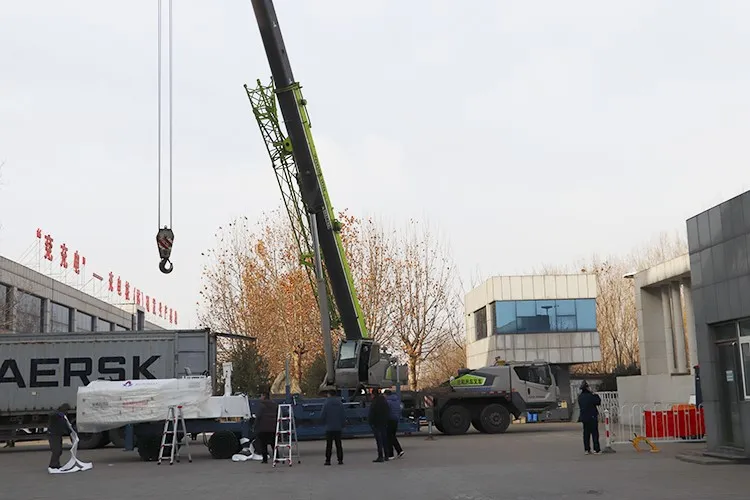
In order to ensure the flatness of the ground, the slump of the concrete sent to the platform needs to be consistent each time to ensure that the concrete feeding speed reaches 40 cubic meters per hour or above, and the initial setting time of each batch of concrete needs to be consistent to ensure the formwork elevation Accurate, and can not be disturbed during the construction period, the newly constructed concrete floor can not be exposed to sunlight, wind, rain and other environments that are unfavorable to concrete health. No reflective objects. The foundation needs to reach the relevant hardness to ensure that the laser leveling machine does not collapse when working on the ground. The height points of the ground in the factory building need to be evenly distributed, and there should be no error in the levelness.
Thanks to All the Friends Who Support and Trust Shandong Vanse Machinery Technology Co., Ltd.
If you want to know more about Shandong Vanse Machinery Technology Co., Ltd. or have any questions, please feel free to contact us:
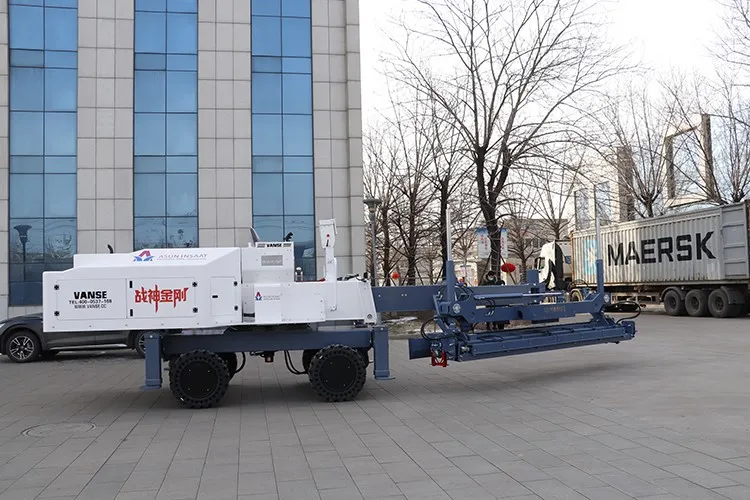
Our Factory
Shandong Vanse Machinery Technology Co., Ltd.
Share this article

About the Author: Shandong Vanse Machinery Technology Co., Ltd.
Shandong Vanse Machinery Technology Co., Ltd. is a high-tech manufacturer specializing in concrete construction machinery, including laser screeds and related equipment. The company integrates R&D, production, and global sales, with products exported to over 60 countries and widely used in infrastructure projects worldwide.
Previous Post
Next Post
Related Articles
You Might Also Like
How do I ensure the FF/FL numbers I achieve at 72 hours don’t drop significantly after six months?
That is an excellent and crucial question. The significant drop in FF/FL numbers over time is a common and costly problem in concrete slab construction, primarily due to Curling and Drying Shrinkage. Initial F-number testing is specifically required by ASTM E1155 and ACI 117 to be done within 72 hours to measure the contractor's work before these long-term effects take hold. It is not uncommon for initial FF/FL values to decrease by 20% to 40%â€"and sometimes as much as 70%â€"over the first six to twelve months if proper preventative measures are not taken. Here is a breakdown of the primary factors that cause this drop and the steps you must take to maintain your initial high numbers. The main cause of long-term FF/FL degradation is Curling. Curling occurs when the top surface of the concrete slab dries and shrinks faster than the bottom surface. This differential volume change causes the edges and corners of the slab panels (especially at joints) to lift upwards. The upward lift changes the original profile, introducing localized hills and valleys. This directly and negatively impacts the FL (Levelness) and, more critically for a high-flatness floor, the FF (Flatness). Preventing the drop requires meticulous attention to the design, mix, subgrade, and post-pour protection. The amount of water and cementitious material in the mix is the single biggest factor in long-term shrinkage. Minimize Water Content: Use the lowest practical mixing water content to achieve the required slump (workability). High water content is the primary driver of drying shrinkage. Maximize Aggregate Content: Use the largest practical maximum size and/or highest practical coarse aggregate content. The aggregate acts as a restraint against shrinkage. Use Shrinkage-Reducing Admixtures (SRAs): Specify SRAs in the mix to chemically reduce the potential for drying shrinkage. Control Cementitious Material: Avoid using higher-than-necessary cementitious materials, as this increases the paste volume, which increases shrinkage. Properly designed joints and reinforcement manage where and how shrinkage-induced stresses are released. Optimum Joint Spacing: Follow the rule-of-thumb that joint spacing (in feet) should not exceed 24 to 30 times the slab thickness (in inches). For example, a 6-inch slab should have joints no more than 12-15 feet apart. Tighter spacing reduces the accumulated shrinkage stress in each panel. Slab Thickness: Thicker slabs (e.g., 8-10 inches) curl less than thinner slabs (e.g., 4-6 inches) because the weight of the slab helps resist the upward lift. Top Reinforcement: Place steel reinforcement (rebar or welded wire mesh) in the upper one-third of the slab (e.g., about 2 inches below the surface) and perpendicular to the joints. This restrains the top surface from excessive shrinkage and curling. Load Transfer Devices: Use diamond dowels or plate dowels at all construction and contraction joints. These devices transfer vertical loads between panels while allowing for horizontal shrinkage, preventing vertical movement (faulting) that kills the FL number. The base beneath the slab dictates the moisture differential. Absorptive vs. Impermeable Subgrade: Placing concrete directly on a moistened, absorptive subgrade (like a crushed stone base) helps draw water from the bottom of the slab, reducing the moisture differential that causes curling. Vapor Barrier/Retarder: If a vapor barrier/retarder is specified, it must be robust. However, because it prevents moisture loss from the bottom, it can increase the potential for curling by trapping all drying to the top surface. In this case, the other design factors (especially reinforcement and mix) become even more critical. If used, ensure the subgrade is fully protected, and follow ACI guidelines for material selection. This is the most critical step immediately after placement. The goal is to ensure slow, uniform hydration. Moist Curing: Apply a curing compound (ASTM C309) or use wet-curing methods (e.g., wet burlap, polyethylene sheeting) immediately after final finishing. Protect from Wind and Sun: Erect temporary windbreaks and sunshades to prevent rapid evaporation from the surface, which leads to plastic shrinkage cracking and significant curling. Maintain Curing for 7+ Days: The concrete must be protected from drying for at least 7 days to achieve adequate strength and minimal long-term shrinkage. By rigorously controlling the concrete mix, slab design (especially joints and reinforcement), and post-placement curing, you significantly mitigate the forces of shrinkage and curling that cause your exceptional 72-hour FF/FL numbers to deteriorate. Note: The parameters provided in this document are for reference only and are not mandatory. Due to differences in technical characteristics between different brands and models of laser levelers, please consult the manufacturer for a suitable solution before actual operation. This reference document assumes no responsibility for any issues arising from failure to follow the manufacturer's instructions.Rapid calibration and repair of sudden deviation in the leveling accuracy of Concrete Laser Leveling
The problem of sudden deviation in the leveling accuracy of the concrete Laser Leveling during the construction process is an extremely urgent situation. The following is a systematic guide for troubleshooting, calibration and repair aimed at helping you resume construction quickly. When there is a sudden deviation in accuracy, please follow the principle of "from the outside to the inside and from the easy to the difficult" to conduct a systematic investigation. Check the laser signal source Stability: Immediately check whether the tripod of the laser emitter has been knocked over or settled by personnel or equipment. Battery power: Make sure the laser is fully charged. Low battery power may cause unstable beam. Cleanliness: Quickly check if there are any mud spots or dust on the light-emitting lens of the laser emitter, and clean it with special lens cleaning paper. Inspect the body of the leveling machine Receiver rod: Check whether the mast on which the receiver is installed has been bent or loosened. Receiver cleaning: Check if the surface of the receiver sensor is contaminated by cement slurry or dust, and clean it immediately. Scraper and flattening head: Check whether the bottom plate of the flattening head and the scraper have severe wear or concrete accumulation, as this can cause physical scratches and affect the perception accuracy. If the initial inspection does not solve the problem, please perform the following in-depth operations. 1. Calibration verification of the laser system Manual rotation test: Manually and slowly rotate the laser emitter 360 degrees to observe whether the signals of the leveler receiver are consistent and stable in all directions. If there is a continuous deviation in a certain direction, it might be that the transmitter's reference is inaccurate. Check the reference height: Use a tower ruler or steel tape measure to measure whether the reference height set by the laser emitter is consistent with the actual height of the ground control point, and eliminate errors in the reference setting. 2. Mechanical inspection of the leveling machine body Hydraulic system pressure: Check whether the hydraulic pressure of the lifting mechanism is normal and stable. Insufficient pressure can cause the flat head to "sink" in the concrete, resulting in overly deep scratches. Sensor and actuator connection: Check whether the mechanical or electrical connection between the receiver signal and the hydraulic valve is loose or damaged. Try to conduct a "manual/automatic" switching test. In the automatic mode, slightly cover the receiver manually and observe whether the flat head responds quickly to rise and fall. If there is no response or the response is slow, it indicates a fault in the signal transmission or hydraulic control system. 3. Perform rapid on-site calibration (key step) Most modern laser screeners are equipped with "quick calibration" or "learning" functions. Please refer to the manual of your equipment (such as YZ30-4E from Shandong Vanse Technology) for operation. The general process is as follows: Enter calibration mode: Go to the calibration menu on the control panel. Locate the high and low points: Turn on the Leveling to a known reference plane (or have the laser emitter sweep out a plane), and move the receivers to a known "high point" (with the display bar at the top) and a "low point" (with the display bar at the bottom) respectively. Data collection: Confirm the position at each point and let the machine record the corresponding relationship between the Angle of the laser signal received at this time and the height of the flattening head. Complete and test: Save the calibration data and exit the menu. Move the machine on the reference plane and observe whether it can be stably maintained at the "zero position" (with the green light constantly on). If obvious mechanical faults such as mast bending or hydraulic cylinder leakage are found, use should be stopped immediately and maintenance personnel should be contacted. Electronic system failure: If it is highly suspected after investigation that the fault lies within the control mainboard, receiver or laser transmitter, the "replacement method" should be adopted. Replacing the spare laser transmitter or receiver for testing is the fastest way to locate the source of the fault. Activate the backup plan: When the fault cannot be immediately eliminated and the construction task is urgent, it can be used as a temporary measure to switch to manual mode. Relying on the experience of skilled operators, the current section construction can be completed, and the equipment can be moved aside for maintenance to avoid prolonged downtime. Stop: Immediately shut down the machine to prevent the defect from expanding. Look: Conduct a quick visual inspection of the laser, receiver, and flattening head for any obvious abnormalities. Clean: Clean all optical and mechanical components. Check: Verify the laser reference and the response of the leveling machine. Calibration: Carry out on-site rapid calibration procedures. Replace: Conduct replacement tests using spare parts. If the above steps are ineffective, contact the technical support of the equipment supplier immediately. Following this process quickly and calmly can minimize downtime to the greatest extent and ensure the quality and efficiency of construction. Regular preventive maintenance of equipment is the best way to avoid such unexpected problems. Note: The parameters provided in this document are for reference only and are not mandatory. Due to differences in technical characteristics between different brands and models of laser levelers, please consult the manufacturer for a suitable solution before actual operation. This reference document assumes no responsibility for any issues arising from failure to follow the manufacturer's instructions.How to choose the most suitable laser receiver under limited budget?
Choosing the most suitable laser receiver under a limited budget requires comprehensive consideration of multiple key factors, including performance requirements, application scenarios, technical specifications, cost-effectiveness, etc. Here are some specific suggestions: 1. Clarify application requirements: Before selecting a laser receiver, you must first clarify the application requirements, such as receiving distance, receiving angle, signal transmission rate, anti-interference ability, etc. These requirements will directly affect the choice of laser receiver. o For different application scenarios, such as indoor short-distance communication, outdoor long-distance communication, high-precision measurement, etc., the requirements for laser receivers will also be different. Therefore, it is necessary to clarify the application scenario in order to select the most suitable laser receiver. 2. Understand the technical specifications: When selecting a laser receiver, you need to understand its technical specifications, such as wavelength range, photosensitive surface size, response speed, dynamic range, etc. These technical specifications will directly affect the performance of the laser receiver. o Select a laser receiver with appropriate technical specifications based on application requirements. For example, for applications requiring high-speed transmission, a laser receiver with fast response speed should be selected. 3. Evaluate cost-effectiveness: o When budget is limited, cost-effectiveness is an important factor to consider when selecting a laser receiver. It is necessary to conduct a cost-benefit assessment of laser receivers of different brands and models, including equipment costs, maintenance costs, operating costs, etc. When evaluating cost-effectiveness, also consider the lifetime and stability of the laser receiver. Choosing a laser receiver D with good durability and stability can reduce maintenance and operating costs. 4. Consider scalability and compatibility: o When selecting a laser receiver, consider its scalability and compatibility. As technology continues to advance and application requirements change, it may be necessary to upgrade or expand the functionality of the laser receiver. Therefore, choosing a laser receiver with scalability and compatibility can better meet future needs. o Understand laser receiver upgrade paths and compatibility so you can easily upgrade or expand if needed. 5. Check professional reviews and recommendations: o When choosing a laser receiver, you can check professional reviews and recommendations to understand the performance, advantages and disadvantages of different brands and models of laser receivers. This information can help you better understand the actual conditions of the laser receiver and make a more informed choice. Professional evaluation and recommendation information can be obtained through search engines, professional forums, industry exhibitions, etc. 6. Reference cases and user feedback: o Understanding the use cases and feedback of other users can help you better understand the actual application effect and performance of the laser receiver. This information can be obtained by consulting relevant cases, user reviews, social media, etc. o When referring to cases and user feedback, pay attention to selecting reliable sources of information to avoid interference from misleading or false information. 7. Establish good communication with suppliers: o Establish good communication with laser receiver suppliers to understand their product features, advantages, and after-sales services. By communicating with suppliers, you can better understand the performance and reliability of laser receivers, and make a more appropriate choice. o When communicating with suppliers, you can raise your own needs and concerns and seek professional advice and solutions. To sum up, when choosing the most suitable laser receiver with a limited budget, you need to comprehensively consider multiple factors such as application requirements, technical specifications, cost-effectiveness, etc. By clarifying application requirements, understanding technical specifications, evaluating cost-effectiveness, and considering scalability Steps such as sex and compatibility, checking professional reviews and recommendations, reference cases and user feedback, and establishing good communication with suppliers can help you make a more informed choice. At the same time, be careful to maintain rational thinking during the selection process and avoid blindly pursuing low price or high performance while ignoring actual needs and cost-effectiveness.