Technical Knowledge
How to deal with the failure of concrete laser leveling machine in special environment?
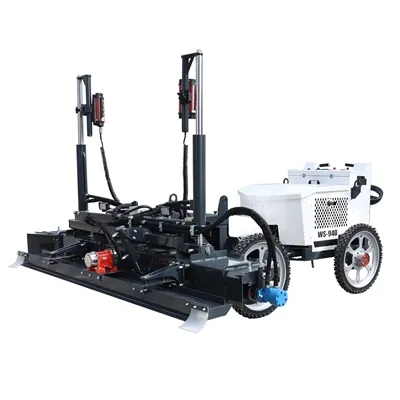
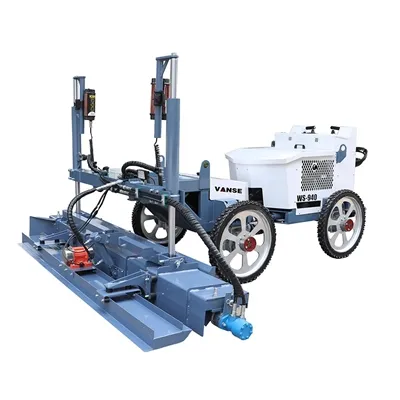
As a highly sophisticated construction equipment, concrete laser leveling machines may encounter various faults when working in special environments. These special environments may include extreme temperatures, high humidity, strong winds and sand, rugged terrain, etc., all of which may affect the normal operation of the equipment. The following is a detailed analysis of how to deal with concrete laser leveling machine failures in special environments.
Introduction
Constructing in special environments, concrete laser leveling machines may face more unexpected challenges. Therefore, developing a complete set of fault response strategies is essential to ensure construction progress and quality.
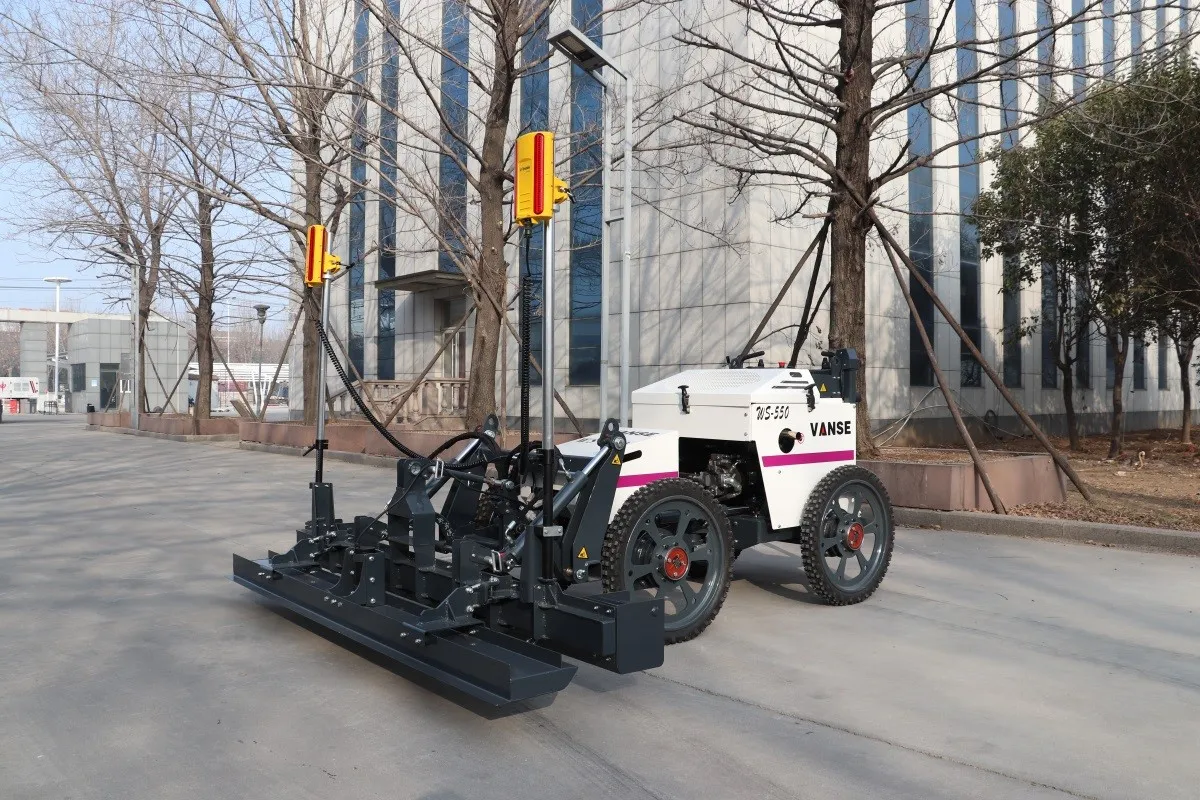
Before construction, it is first necessary to identify the particularity of the construction environment and evaluate it:
– **Environmental factor analysis: Analyze environmental factors such as climate, topography, and geology at the construction site.
– **Risk assessment: Assess the impact that these special environmental factors may have on equipment operation.
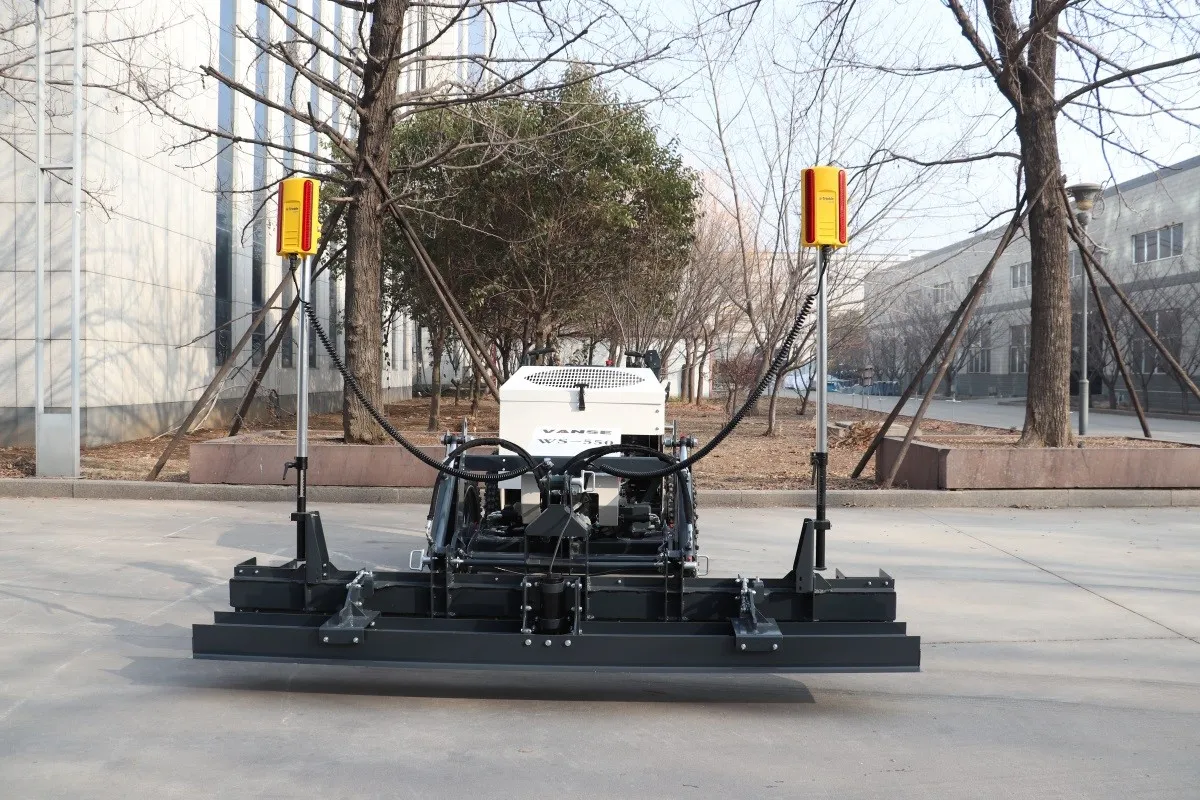
According to the characteristics of special environments, make necessary modifications to the equipment:
– **Protection upgrade: Enhance the equipment's dustproof, waterproof, and corrosion-resistant capabilities.
– **Performance adjustment: Adjust the equipment's working parameters to adapt to working requirements in special environments.
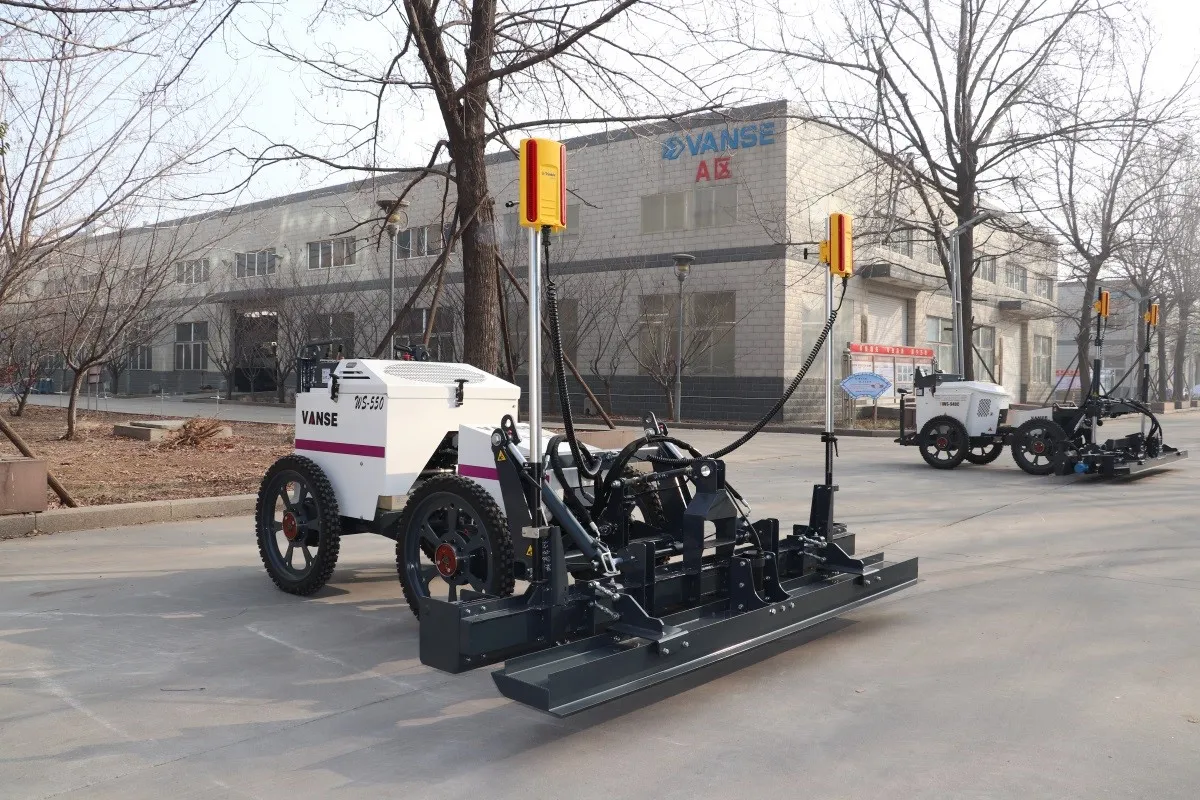
Establish an effective fault diagnosis and rapid response mechanism:
– **Fault diagnosis training: Provide fault diagnosis training to operators so that they can quickly identify the problem.
– **Rapid response process: Develop a rapid response process to ensure that measures can be taken immediately once a fault occurs.
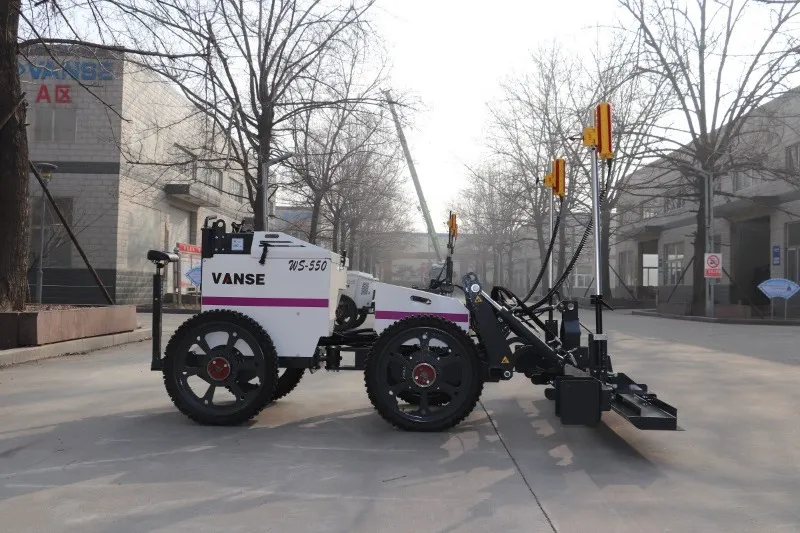
Improve on-site maintenance capabilities and reduce construction delays caused by equipment failures:
– **Maintenance tools and spare parts: Ensure that there are sufficient maintenance tools and spare parts on site.
– **Maintenance personnel training: Provide professional training to maintenance personnel to improve their ability to solve problems on site.
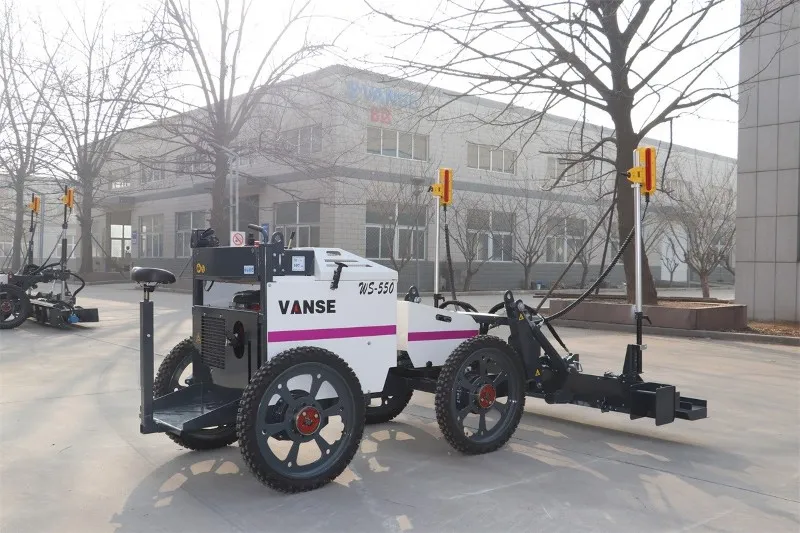
Implement preventive maintenance strategies to reduce the probability of failures:
– **Regular inspections: Develop regular inspection plans based on equipment usage.
– **Key component monitoring: Specially monitor vulnerable components and replace them in a timely manner.
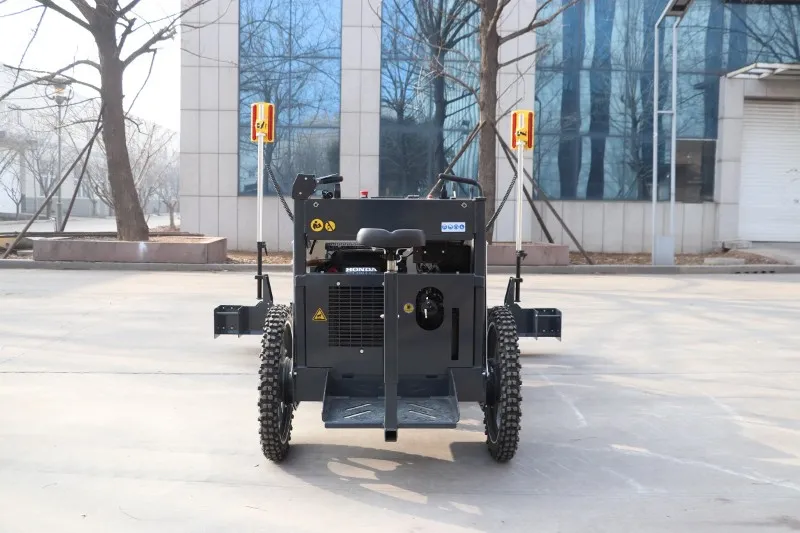
Develop operating procedures for special environments to reduce failures caused by operating errors:
– **Operation manual updates: Update the operation manual based on the characteristics of special environments.
– **Operation training: Provide operation training for operators in special environments.
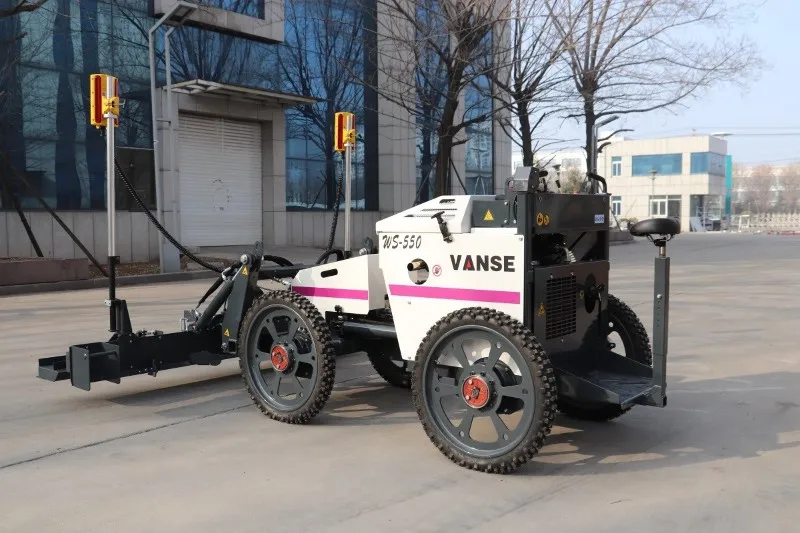
Increase the flexibility of construction plan to adapt to equipment failures that may occur in special environments:
– **Backup plan: Develop a backup construction plan so that it can be quickly adjusted when equipment fails.
– **Resource allocation: Flexibly allocate construction resources to reduce construction stagnation caused by equipment failure.
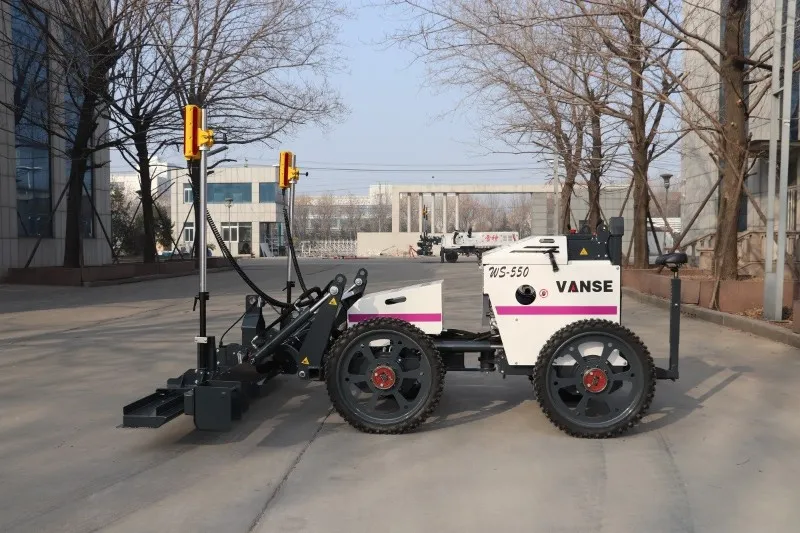
Establish a remote technical support system to improve the efficiency of fault handling:
– **Technical support team: Establish a professional technical support team to provide remote fault diagnosis and solutions.
– **Manufacturer collaboration: Establish a close collaborative relationship with equipment manufacturers to obtain technical support.
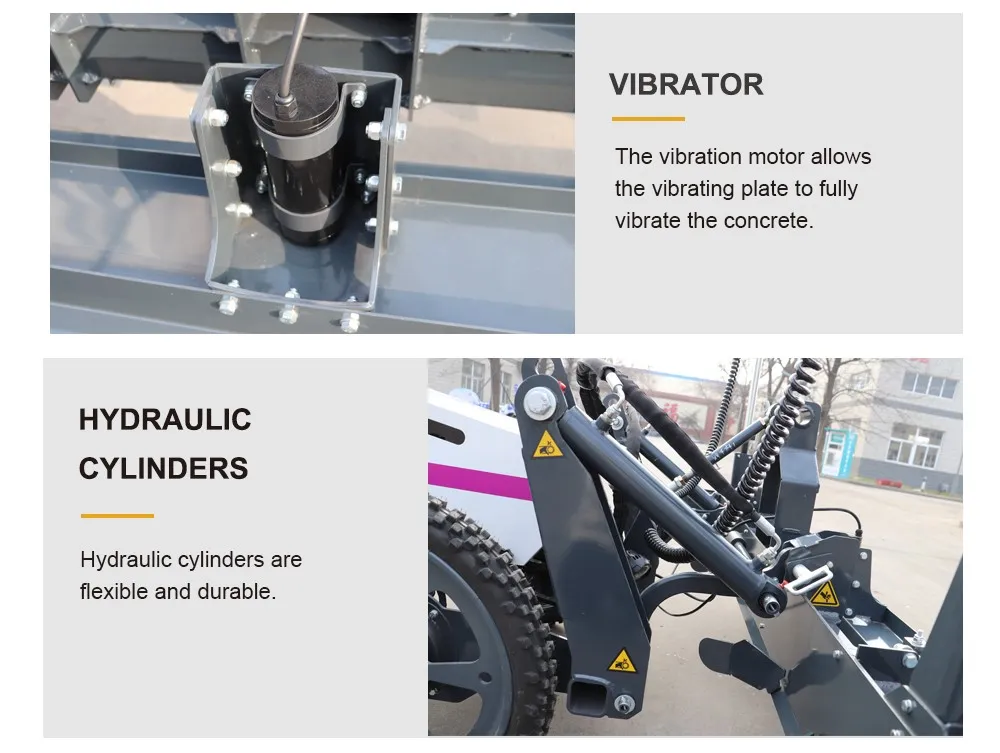
Record and analyze fault cases and continuously optimize fault response strategies:
– **Fault recording system: Establish a fault recording system to record the situation of each fault in detail.
– **Case analysis meeting: Hold case analysis meetings regularly to summarize lessons learned.
Develop and drill emergency plans to improve the ability to deal with sudden failures:
– **Emergency plan development: Develop detailed emergency plans for possible fault types.
– **Emergency drills: Conduct emergency drills regularly to ensure that the construction team is familiar with the emergency procedures
11. Conclusion
To deal with the failure of concrete laser leveling machines in special environments, it is necessary to comprehensively consider environmental identification, equipment modification, fault diagnosis, on-site maintenance, preventive maintenance, operating procedures, construction plans, remote support, fault records, emergency plans and other aspects. Through the implementation of these measures, the construction team's ability to respond to equipment failures can be effectively improved, and the impact of failures on construction progress and quality can be reduced.
Thanks to All the Friends Who Support and Trust Shandong Vanse Machinery Technology Co., Ltd.
If you want to know more about Shandong Vanse Machinery Technology Co., Ltd. or have any questions, please feel free to contact us:
Our Factory
Shandong Vanse Machinery Technology Co., Ltd.








Share this article

About the Author: Shandong Vanse Machinery Technology Co., Ltd.
Shandong Vanse Machinery Technology Co., Ltd. is a high-tech manufacturer specializing in concrete construction machinery, including laser screeds and related equipment. The company integrates R&D, production, and global sales, with products exported to over 60 countries and widely used in infrastructure projects worldwide.
Previous Post
Next Post
Related Articles
You Might Also Like
The importance of after-sales service when purchasing a laser leveling machine
Today's building floor construction uses laser leveling machines, and the quality of the floor paved is much better than that of traditional methods – first, the flatness and levelness of the floor are improved by more than 3 times, and the density and strength of the floor are increased by more than 20%. At the same time, it can also shorten the construction period by 40% and save about 49% of labor. It can also greatly save costs in later maintenance, because laser leveling machine construction can more easily lay high-strength concrete, low-slump concrete and fiber mud concrete. The construction effect of the laser leveling machine is good, and it is a step for laser leveling machine manufacturers to gain praise from users, but if they want to gain a long-term foothold, they still need solid after-sales service to support them. As a laser leveling machine manufacturer, Shandong Vanse Machinery has been working hard to provide services to all customers, no matter where you are in the world. But words are not enough. You can only understand our services when you need help. Here are 4 reasons why after-sales support is particularly important when purchasing a laser leveling machine. 1. Time is money When you encounter problems during the construction of your equipment and need assistance, you can immediately contact the after-sales service engineer. You don't have to wait a few days to call. This is why you need excellent after-sales support. It will be critical when you need it, especially when you invest in a laser leveling machine. We know that all contractors are located in different time zones and work at different times. This is why we provide support services for our products. 2. Get solutions immediately when you need them When you encounter problems, our services are always available to help you identify the root cause of the problem and find solutions. The value of our products is that on the job site, you only need to take care of your own affairs. Our excellent products can help you complete most of the work. 3. Make your equipment available anytime, anywhere Before construction, you need to ensure that the machine is properly maintained and in good condition. Whether you are an experienced operator or a novice operator, or your machine has been idle for a long time, we can provide corresponding services. Our service agreement can ensure that you will not encounter any problems when you are ready to work and need to run the machine. 4. Understand how to maintain your laser leveler For every product we manufacture, we will provide after-sales support at any time, and at the same time we hope that our customers will know some knowledge about how to maintain the product. In addition to providing maintenance plans for each customer, customer service will also follow your every step of maintenance. The service life of a leveler is generally very long, and it is inevitable to encounter after-sales maintenance services in the middle, so when purchasing, you must understand the importance of laser leveling after-sales service, and examine the company's after-sales service capabilities.What are the application ranges of concrete laser leveling machines?
The concrete laser screed is a high-tech equipment used in concrete construction, which can greatly improve the flatness and precision of the concrete surface. Below we will introduce the application range of concrete laser screed machine in detail. I. Overview Concrete laser leveling machine is a kind of equipment specially used for concrete construction. It uses advanced laser technology to achieve high-precision concrete leveling, vibration, slurry lifting and light collection operations. Compared with traditional concrete construction methods, concrete laser screed machines have higher construction quality and efficiency and can be widely used in various types of buildings and structures. 2. Application scope ◆Industrial plant Concrete laser screed machines are widely used in industrial plants. These factories include large factories, workshops, warehouses, etc. In these places, the ground needs to bear a lot of weight and friction, so it is necessary to ensure the smoothness, hardness and load-bearing capacity of the ground. The concrete laser leveling machine can quickly and accurately complete the leveling, vibrating and polishing work of concrete, making the ground smoother and denser, and improving the load-bearing capacity and service life of the ground. ◆Commercial buildings Commercial buildings include shopping malls, office buildings, hotels, etc. The floors of these buildings need to withstand a large amount of foot traffic and vehicle pressure, so the flatness, hardness and aesthetics of the floors need to be ensured. The concrete laser leveler can complete large-area concrete construction in a short time, making the ground smoother and more beautiful, and improving the use value and commercial value of commercial buildings. ◆Parking lots and roads Parking lots and roads are another area of application for concrete laser screeds. These places require pavements that are flat, spacious, durable and have high load-bearing capacity. The concrete laser screed can quickly and accurately complete the leveling, vibrating and polishing work of the road surface, making the road surface smoother and denser, and improving the load-bearing capacity and service life of the road surface. Especially in parking lots, concrete laser screeds can improve the flatness and compactness of the parking lot, enhance the carrying capacity of the parking lot, and reduce damage to the road surface by vehicles. ◆Bridges and Tunnels Bridges and tunnels are another area of application for concrete laser screeds. These places require high-precision, high-flatness concrete structures to ensure the safe passage of pedestrians and vehicles. The concrete laser leveling machine can complete large-area concrete construction in a short time, making the surfaces of bridges and tunnels smoother and denser, and improving the load-bearing capacity and service life of bridges and tunnels. ◆Airport runway Airport runways are another application area for concrete laser screeds. These places require high-precision, high-flatness concrete structures to ensure safe takeoff and landing of aircraft. The concrete laser leveling machine can complete large-area concrete construction in a short time, making the surface of the airport runway smoother and denser, and improving the carrying capacity and service life of the airport runway. At the same time, the concrete laser leveling machine can also improve the construction quality and efficiency of the airport runway, making the airport runway more beautiful and durable. In short, concrete laser screed machines are widely used in various types of buildings and structures. They can greatly improve the efficiency and accuracy of concrete construction, increase the load-bearing capacity and service life of the ground, and also improve the quality and quality of construction. efficiency. If you need more information about concrete laser screeds, seek professional advice.What are the advantages of concrete trowels? Please example
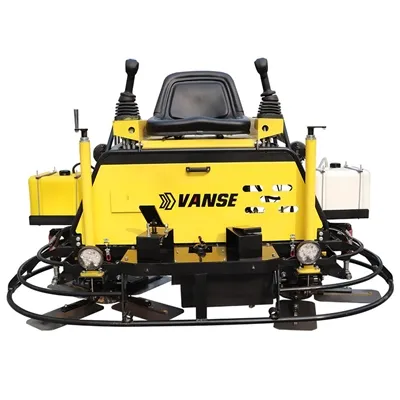
As an efficient compact soil surface treatment equipment, the concrete trowel machine has many advantages. These advantages make it widely used in construction sites, municipal roads, factory warehouses, park roads, residential streets and other fields. This article will introduce in detail the advantages of compacted soil troweling machines, including improved efficiency, stable quality, saving manpower, strong adaptability, easy operation, easy maintenance, environmental protection and energy saving, safety and reliability, etc. 1. Improve efficiency The concrete trowel machine uses advanced troweling technology and can quickly and accurately trowel large areas of concrete surfaces. Compared with the traditional manual troweling method, the concrete troweling machine has higher working efficiency, which can greatly shorten the time of troweling operation and improve the progress of the project. 2. Stable quality When the concrete troweling machine performs troweling operations, it can ensure the flatness and smoothness of the concrete surface, making the project quality more stable. At the same time, because the troweling machine has functions such as slurry lifting, compaction, smoothing, and troweling, it can avoid errors in manual operations and improve the stability of project quality. 3. Save manpower The use of compacted soil troweling machine can save a lot of human resources. The traditional manual troweling method requires a large number of personnel to operate, but the use of concrete troweling machine can reduce the number of personnel and reduce labor costs. 4. Strong adaptability The concrete trowel machine has strong adaptability and can be adapted to troweling operations in various situations. Whether it is construction sites, municipal roads, factory warehouses, park roads, residential streets, etc., or high-standard factories, warehouses, parking lots, squares, airports and other tall buildings, concrete trowels can be used for construction. 5. Easy to operate The concrete trowel machine is reasonably designed, easy to operate and easy to master. After simple training and practice, operators can master the skills and methods to perform fast and accurate troweling operations. 6. Easy maintenance The concrete trowel has a simple structure and is easy to maintain. In daily use, only regular inspection and maintenance of the equipment is required to ensure the normal operation of the equipment and extend its service life. At the same time, common faults and problems can also be solved through simple repairs and replacement of parts. 7. Environmental protection and energy saving The concrete trowel is driven by electricity, does not produce noise and pollution, and meets the requirements of environmental protection and energy saving. Concrete trowels are more environmentally friendly and sustainable than traditional mechanical or fuel-driven methods. 8. Safe and reliable The concrete trowel machine has reasonable design, stable structure and safe and reliable operation. During the operation of the equipment, operators only need to operate and maintain according to the requirements specified by Zhao to avoid safety accidents. At the same time, the concrete trowel machine is also equipped with safety protection devices and warning signs to ensure the safety of operators and the normal operation of the equipment. Summary: Concrete trowels have many advantages, including improved efficiency, stable quality, saving manpower, strong adaptability, easy operation, convenient maintenance, environmental protection and energy saving, safety and reliability, etc. These advantages make concrete trowels widely used in construction sites, municipal roads, factory warehouses, park roads, residential streets and other fields, and have become one of the indispensable equipment in modern construction.