Technical Knowledge
How much does a concrete laser leveling machine cost?
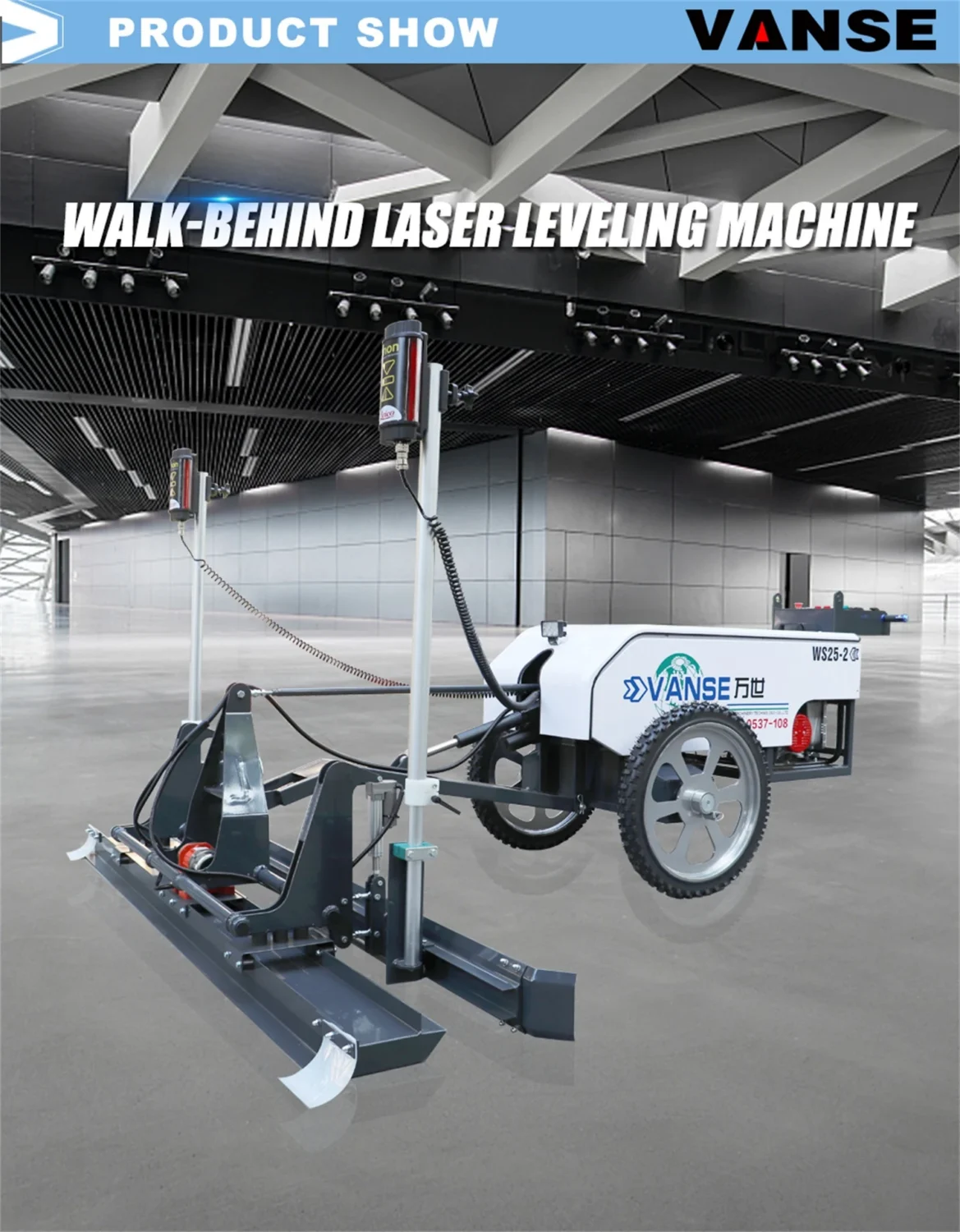
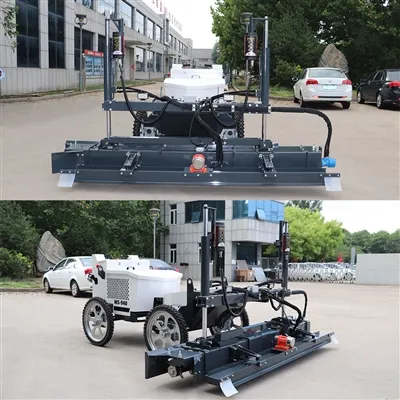
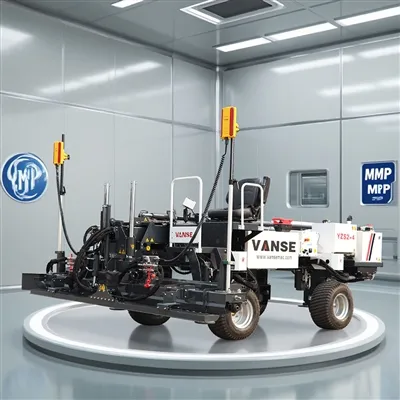
The price of concrete laser leveling machines varies based on model, brand, configuration and other factors. Generally speaking, the price range ranges from tens of thousands to hundreds of thousands.
Specifically, the price will be affected by the following factors:
Model:
Different models of concrete laser leveling machines have different functions and application ranges, so the prices will also be different. Generally speaking, the price of large machines will be higher.
Brand:
Different brands of concrete laser leveling machines also differ in quality, after-sales service, etc., so the prices will also vary.
Configuration:
The configuration of the concrete laser leveling machine will also affect the price. For example, the quality and performance of the laser, motor, control system and other components will affect the price of the complete machine.
Region:
Market demand and competition in different regions will also affect the price of concrete laser leveling machines.
In general, if you need to purchase a concrete laser leveling, it is recommended that you choose the appropriate model and brand based on your actual needs and budget. At the same time, you should pay attention to purchasing through formal channels to ensure the reliability of quality and after-sales service.
Thanks to All the Friends Who Support and Trust Shandong Vanse Machinery Technology Co., Ltd.
If you want to know more about Shandong Vanse Machinery Technology Co., Ltd. or have any questions, please feel free to contact us:
Our Factory
Shandong Vanse Machinery Technology Co., Ltd.








Share this article

About the Author: Shandong Vanse Machinery Technology Co., Ltd.
Shandong Vanse Machinery Technology Co., Ltd. is a high-tech manufacturer specializing in concrete construction machinery, including laser screeds and related equipment. The company integrates R&D, production, and global sales, with products exported to over 60 countries and widely used in infrastructure projects worldwide.
Previous Post
Next Post
Related Articles
You Might Also Like
How to improve the construction accuracy of concrete laser leveling machine?
▪▪▪▷▷▷ Introduction With the continuous development of the modern construction industry, the requirements for ground construction accuracy are becoming higher and higher. As an advanced ground construction equipment, the concrete laser leveling plays an important role in improving construction accuracy. However, during the actual construction process, the construction accuracy of the concrete laser leveling may be affected by various factors. Therefore, how to improve the construction accuracy of concrete laser leveling machines has become the focus of current research. ▪▪▪▷▷▷ Factors affecting the construction accuracy of concrete laser leveling machine 1. Equipment factors: Factors such as the manufacturing accuracy, installation accuracy of the equipment itself, and wear and tear during use will all affect the construction accuracy of the leveler. 2. Environmental factors: Environmental factors such as temperature, humidity, and wind speed at the construction site will affect the working results of the leveler. 3. Operational factors: Factors such as the operator's skill level and operating habits will also affect the construction accuracy of the leveler. ▪▪▪▷▷▷ Specific measures to improve the construction accuracy of concrete laser leveling machines 1. Equipment selection and configuration Choosing high-precision, high-quality concrete laser leveling equipment is the key to improving construction accuracy. When purchasing equipment, you should fully consider the manufacturing accuracy, stability, durability and other factors of the equipment, and choose brands and models with good after-sales service and technical support. In addition, the accessories and tools of the snow leveling machine should be properly matched according to the specific construction needs and site conditions to ensure that the equipment can perform optimally during the construction process. 2. Equipment installation and debugging Correct equipment installation and debugging are crucial to improving the construction accuracy of the leveling. During the installation process, you should carefully follow the installation guidelines and specifications provided by the equipment manufacturer to ensure that the installation position and accuracy of each component of the equipment meet the requirements. During the debugging process, all functions of the leveling machine should be comprehensively inspected and tested to ensure that the equipment can operate stably and accurately during the operation. 3. Environmental factor control Corresponding measures should be taken to control environmental factors at the construction site. For example, when operating in high or low temperature environments, the operating time should be adjusted according to the requirements of the equipment or insulation measures should be taken to prevent the equipment from affecting the construction accuracy due to changes in ambient temperature. When operating under conditions of high wind speed, wind blocking facilities should be installed or the operation strategy should be adjusted to reduce the impact of wind speed on the operation effect of the leveler. 4. Improve operational skills Improving the skill level of operators is an effective way to improve the construction accuracy of concrete laser leveling machines. Regular training and assessment should be carried out to make operators familiar with the performance characteristics, operation essentials and maintenance knowledge of the equipment. At the same time, the safety awareness and responsibility awareness of operators should also be cultivated to ensure that they can operate in strict accordance with specifications and requirements during the construction process. 5.Construction process monitoring and adjustment During the construction process, the operating status of the leveling machine should be monitored and adjusted in real time. By using advanced monitoring equipment and technical means, the operating data and quality information of the leveling machine should be obtained in real time, so that problems can be discovered and solved in a timely manner. In the case of deviations or non-compliance with requirements, the parameters and operation strategies of the leveling machine should be adjusted in a timely manner to ensure that the construction accuracy meets the requirements. 6. Maintenance and troubleshooting Regular maintenance and troubleshooting of the concrete laser leveling is an important guarantee for improving construction accuracy. The equipment should be cleaned, lubricated, tightened and other maintenance work should be carried out regularly in accordance with the equipment manufacturer's requirements and maintenance plans to ensure that the equipment In good working order. At the same time, a complete troubleshooting mechanism should be established to analyze and deal with faults and problems in a timely manner to avoid equipment failure that affects construction accuracy. ▪▪▪▷▷▷ Case analysis Taking a large commercial complex as an example, this project requires high ground construction accuracy during the construction process. To ensure construction accuracy and quality, the project team took the following measures: 1. Select high-precision, high-quality concrete laser leveling equipment and carry out strict installation and debugging work. 2. Take corresponding control measures for environmental factors at the construction site, such as high temperature, wind speed, etc., to ensure that the equipment operates in a suitable environment. 3. Conduct systematic training and assessment of operators to improve their skill level and safety awareness. 4. Implement real-time monitoring and adjustment strategies during the construction process to ensure that the working status of the leveling is always at its best. Through the application of the above measures, the project successfully improved the construction accuracy of the concrete laser leveling and ensured the safety of ground construction. quality and efficiency ▪▪▪▷▷▷ Conclusion and outlook Improving the construction accuracy of warm concrete laser levelings requires starting from many aspects, including equipment selection and configuration, equipment installation and debugging, environmental factor control, operating skill improvement, construction process monitoring and adjustment, and maintenance and troubleshooting. wait. By taking comprehensive measures, the construction accuracy and operating performance of the leveling can be effectively improved to meet the modern construction industry's requirements for ground construction accuracy. Looking to the future, with the continuous advancement and innovation of science and technology, the construction accuracy of concrete laser leveling machines will be further improved. For example, by introducing more advanced control systems and sensor technologies, more precise control of the leveling machine's operating process can be achieved; by developing new materials and technical means, the wear resistance, stability and service life of the leveling machine can be further improved. wait. At the same time, it is also necessary to strengthen the training and education of operators to improve their skill level and safety awareness to adapt to the higher requirements for ground construction accuracy in the future construction industry.Safety precautions for operating ride-on power trowels in confined indoor spaces
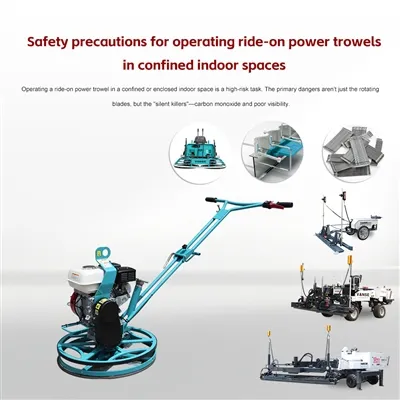
Operating a ride-on power trowel in a confined or enclosed indoor space is a high-risk task. The primary dangers aren't just the rotating blades, but the "silent killers"-carbon monoxide and poor visibility. Here are the essential safety precautions to implement before the engine ever starts. Internal combustion engines (gasoline or diesel) in enclosed spaces can reach lethal CO levels in minutes. Continuous Monitoring: Do not rely on "feeling okay." Use a portable CO monitor clipped to the operator's vest. If the alarm sounds, evacuate immediately. Active Ventilation: Natural airflow is never enough. Use high-volume axial fans and "sock" ducting to force fresh air into the work zone and push exhaust out. Catalytic Converters: Ensure the machine is equipped with a scrubbed exhaust system or a catalytic converter to reduce emissions. Alternative Power: If the space is truly "permit-required confined," consider using electric ride-on trowels or propane conversions (which still require ventilation but burn cleaner). Ride-on trowels are heavy, powerful, and lack the agility of a walk-behind. The 1-Meter Rule: Maintain a strict "no-go" zone of at least 1 meter (3 feet) between the machine and any wall, column, or person. Pinch Points: In tight spaces, the operator's knees or elbows often extend beyond the frame. A slight slip can result in a crush injury against a structural column. Obstacle Marking: Clearly mark floor drains, conduits, or rebar stubs with high-visibility spray paint. Hitting an obstacle in a tight space can cause the machine to "kick" or spin uncontrollably. Indoor lighting is often poor during the concrete phase. Machine Lighting: Ensure the ride-on has functional LED work lights on both the front and rear. Ambient Light: Use temporary overhead "string" lighting. Shadows can hide the "wetness" of the concrete, leading to steering errors. Reflective Gear: All ground crew must wear Class 2 or 3 reflective vests so the operator can spot them in the periphery. The "Dead-Man" Switch: Never bypass the seat sensor. The machine must shut down immediately if the operator is thrown or climbs off. Hearing Protection: In confined spaces, engine noise is amplified by wall reverberation. Dual-layer hearing protection (earplugs + earmuffs) is recommended. Fire Suppression: Keep a CO₂ or Dry Chemical fire extinguisher nearby. If a hydraulic line bursts onto a hot engine in an enclosed space, smoke will fill the room instantly. Action Protocol Fumes Detected Shut down machine; move operator to fresh air immediately. Hydraulic Leak Stop machine; use absorbent "snakes" to prevent slab contamination. Operator Fall Do not approach if blades are spinning; use remote kill-switch if available. In confined spaces, you have less room to recover from a skid. Slow Maneuvers: Avoid high-speed "spinning" turns near walls. The centrifugal force can slide the machine sideways into a barrier. Path Planning: Always have an exit strategy. Know which corner you will finish in so you don't "trowel yourself into a corner" where ventilation is worst. Would you like me to draft a brief "Safety Toolbox Talk" PDF outline that you can use to brief your crew before the next indoor pour? Contact us NOW Note: The parameters provided in this document are for reference only and are not mandatory. Due to differences in technical characteristics between different brands and models of laser levelers, please consult the manufacturer for a suitable solution before actual operation. This reference document assumes no responsibility for any issues arising from failure to follow the manufacturer's instructions.What are the key points for maintaining the laser receiver of a concrete laser leveling? How to extend the service life?
The laser receiver of the concrete laser leveling is the "eye" of its precision and is a very precise electronic component. Proper maintenance and operation can greatly extend its service life and ensure construction accuracy. The following are the core points for maintaining laser receivers and specific methods to extend their lifespan: These steps are the first line of defense against problems from occurring. Gentle cleaning: Use a soft, dry cloth or suede to gently wipe the plastic/acrylic window on the surface of the receiver. Make sure it is free of dust, cement slurry and other contaminants. Avoid chemicals: Do not use alcohol, gasoline, thinners or other organic solvents or strong acid or strong alkali cleaners to wipe the window. These chemicals can corrode or make the surface blurred, affecting laser penetration. Clean the body: At the same time, clean the metal casing and bracket of the receiver to prevent the adhesion of concrete hard blocks, which may cause difficulties in disassembly or corrosion. Timely charging: After each use, regardless of the remaining power, the battery should be removed and fully charged in a timely manner. Use the original charger: Using a non-original charger may damage the battery or even the receiver circuit due to voltage/current mismatch. Storage of battery power: If you plan to leave the battery idle for a long time, charge it to 50%-70% and store it separately. Perform a charge and discharge cycle every 1-2 months. Check the appearance: Before each use and storage, inspect the receiver window for any scratches or cracks, the body for any dents or deformations, and the cables (if any) for any damage. It must be removed from the leveling machine and placed in a dedicated protective box. There should be a soft shock-absorbing inner lining inside the box. Store in a cool and dry place, avoiding high temperature, high humidity and direct sunlight. A lot of damage occurs during use, and good operating habits are of vital importance. This is the main reason for the immediate scrapping of the receiver. Whether it drops from the machine or is hit by other tools or materials, it may cause the internal components to shift, get damaged or the casing to crack. Operation suggestion: When installing and disassembling, there should be a soft object below to support it. When moving at the construction site, make sure to hold it firmly. Once the splashing cement slurry solidifies on the receiver window, it will greatly affect the signal reception sensitivity. Forcibly scraping it off is very likely to scratch the surface. Operation suggestion: If contaminated by cement slurry, it should be wiped clean immediately with a damp cloth. Do not wait for it to harden. Make sure the receiver is firmly installed on the matching bracket and the fixing knob/bolt is tightened to prevent loosening and falling off due to vibration. When disassembling, do not pull or drag roughly, especially for models with cables. Systematize the above key points to form a complete workflow. Assign specific personnel and responsibilities: Designate a specific person to be responsible for the collection, installation, disassembly, cleaning and return of the laser receiver. Make an inspection list: Prepare a simple inspection checklist, including items such as appearance inspection, cleaning, battery status, and storage. Have the person in charge sign to confirm before and after each construction. Purchase or customize a sturdy, shock-absorbing foam dedicated instrument case. This small investment can prevent losses of several thousand or even tens of thousands of yuan caused by improper storage. Even if well maintained, the receiver may experience slight drift in accuracy as it is used. It is recommended that the receiver and transmitter be sent to the equipment supplier or a professional metrology institution for accuracy calibration every 3 to 6 months or before the start of an important project. This can ensure the quality of your construction and detect potential problems early. For large or long-term projects, it is advisable to consider equipping a backup receiver. This not only ensures that the project schedule is not affected when one unit is damaged, but also allows the main equipment to have more sufficient time for maintenance and rotation. The secret to extending the lifespan of the laser receiver of a concrete laser leveling can be summarized as: Three parts use, seven parts care: Meticulous daily maintenance is more important than any subsequent repair. Anti-drop, anti-collision and anti-corrosion: Physical impact and chemical corrosion are the two major killers. Dedicated personnel, dedicated boxes, dedicated processes: Through standardized management and investment in professional storage tools, most damage risks are fundamentally eliminated. By following these key points, your laser receiver can not only work stably for a longer time, but also always ensure the high-precision quality of floor construction. Note: The parameters provided in this document are for reference only and are not mandatory. Due to differences in technical characteristics between different brands and models of laser levelers, please consult the manufacturer for a suitable solution before actual operation. This reference document assumes no responsibility for any issues arising from failure to follow the manufacturer's instructions.