Technical Knowledge
How does the concrete laser leveling machine achieve high-precision leveling?
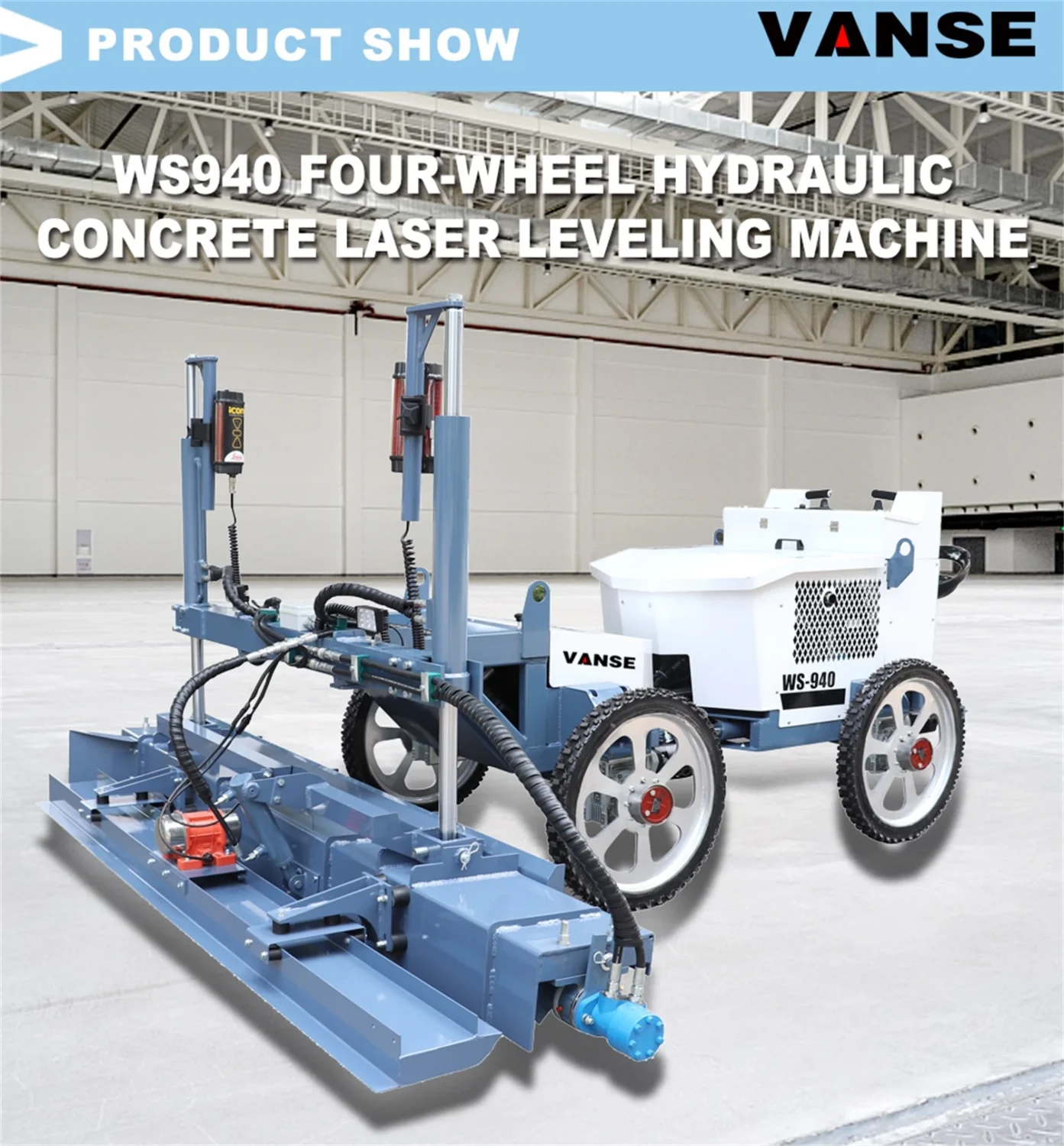
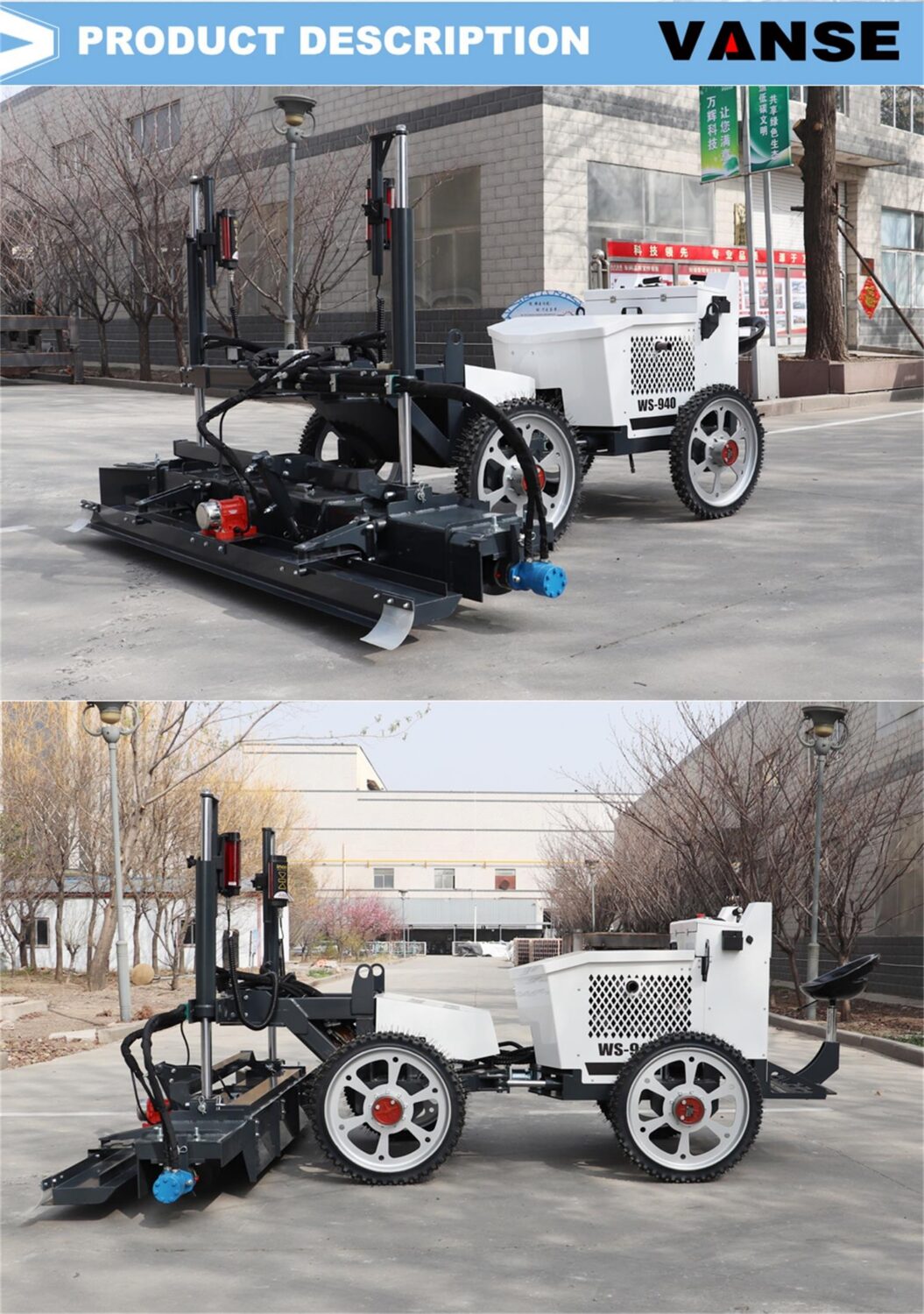
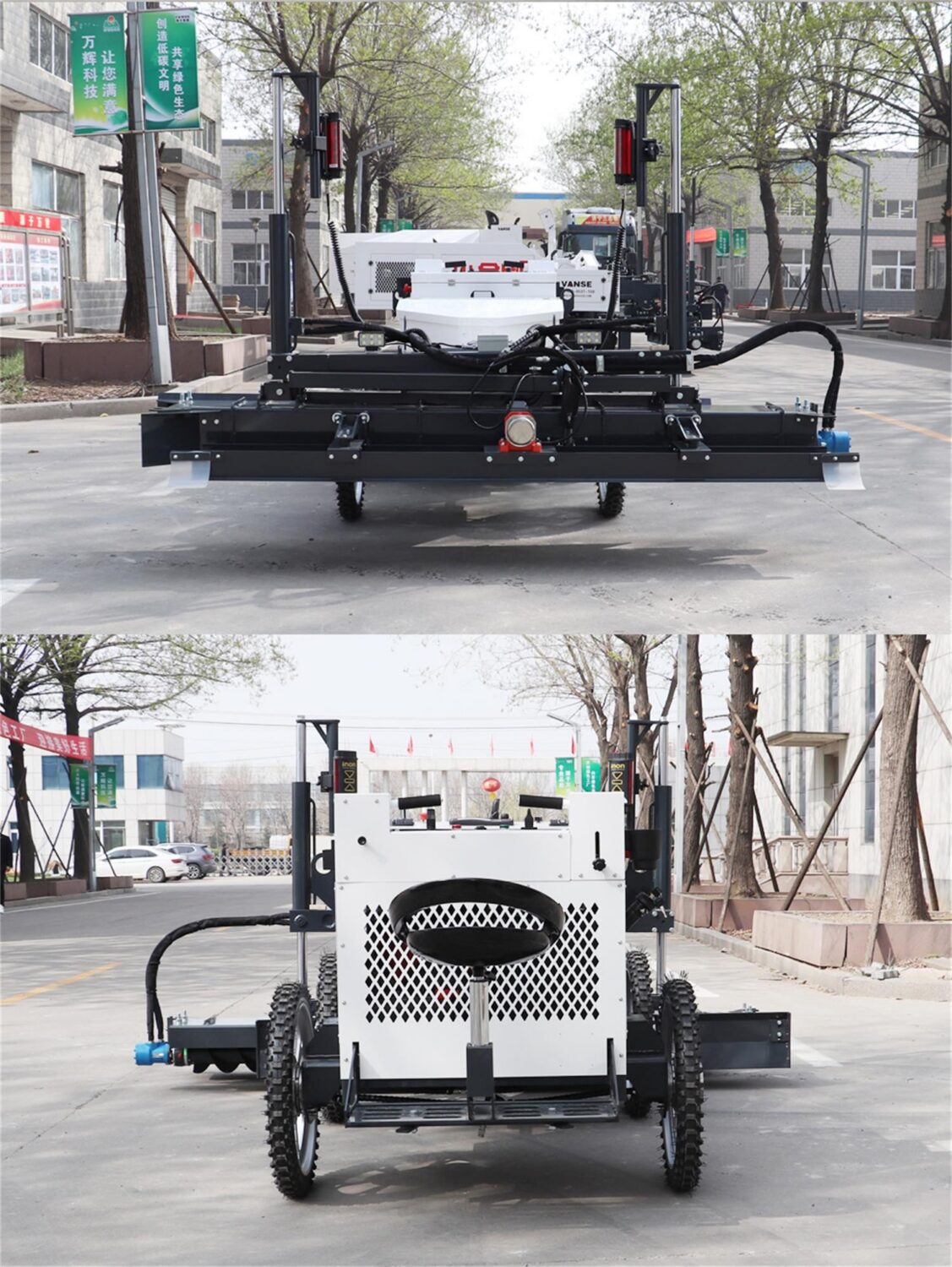
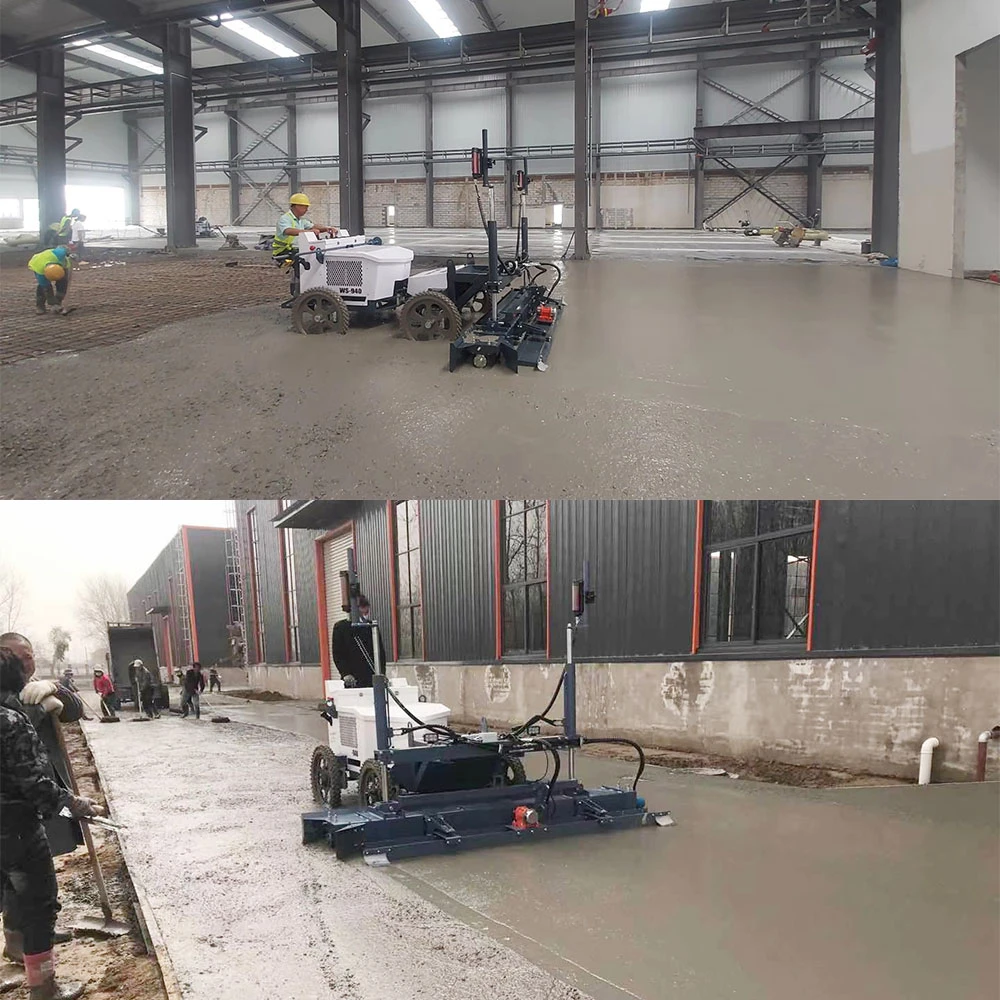
The concrete laser leveling machine mainly relies on advanced laser technology and computer control system to achieve high-precision leveling. Specifically, the working principle of the concrete laser leveling is as follows:
First, the laser transmitter emits a laser beam, which is positioned and navigated through a computer control system to ensure the accuracy and stability of the laser beam. After the laser beam is received by the receiver, it forms an optical path through a series of optical operations such as reflection and focusing, which provides a benchmark for the operation of the leveler.
Secondly, the leveling head is the core part of the concrete laser leveling machine. It integrates components such as scrapers, spirals and vibrating plates, and can complete the initial leveling, vibrating and leveling of concrete at one time. The operation of the leveling head is controlled by a computer control system. The leveling head is accurately adjusted through the received laser signal so that the elevation of the leveling head is always maintained at the set value to ensure the flatness of the floor.
At the same time, the compacted soil laser leveling machine uses high-precision laser ranging sensors and angle sensors to monitor the position and attitude of the leveling head in real time and feed the data back to the control system. The control system adjusts the running trajectory and speed of the leveling head based on the feedback data to ensure that the leveling machine can quickly and accurately complete the floor leveling work.
In addition, the concrete laser leveling machine is also equipped with a high-precision weighing system that can monitor the amount and distribution of concrete in real time. By adjusting the proportion of concrete and the mixing method, as well as controlling the pouring speed and thickness of concrete during construction, the flatness and quality of the floor can be further improved.
To sum up, the compacted soil laser leveling machine achieves high-precision and efficient leveling work through advanced laser technology and computer control system. It can not only improve the quality and service life of the floor, but also significantly reduce labor costs and material waste, providing strong support for the development of the modern construction industry.
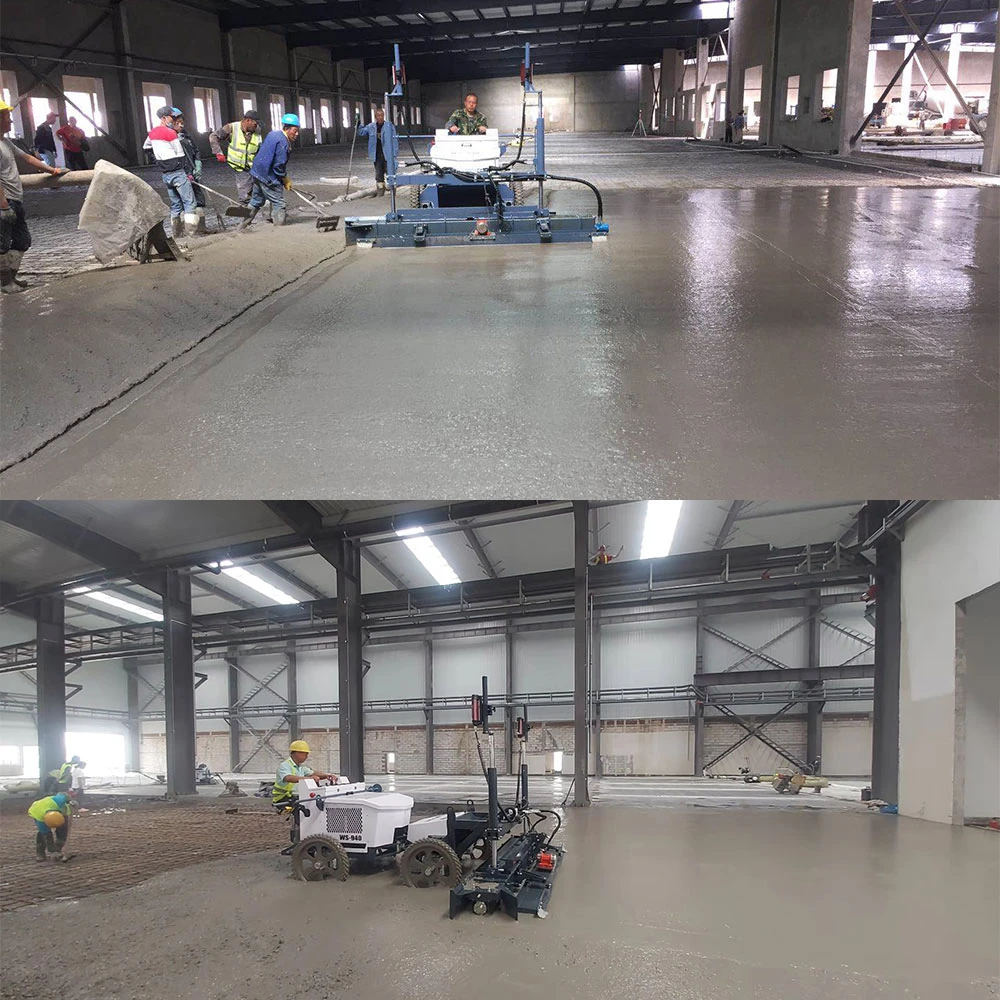
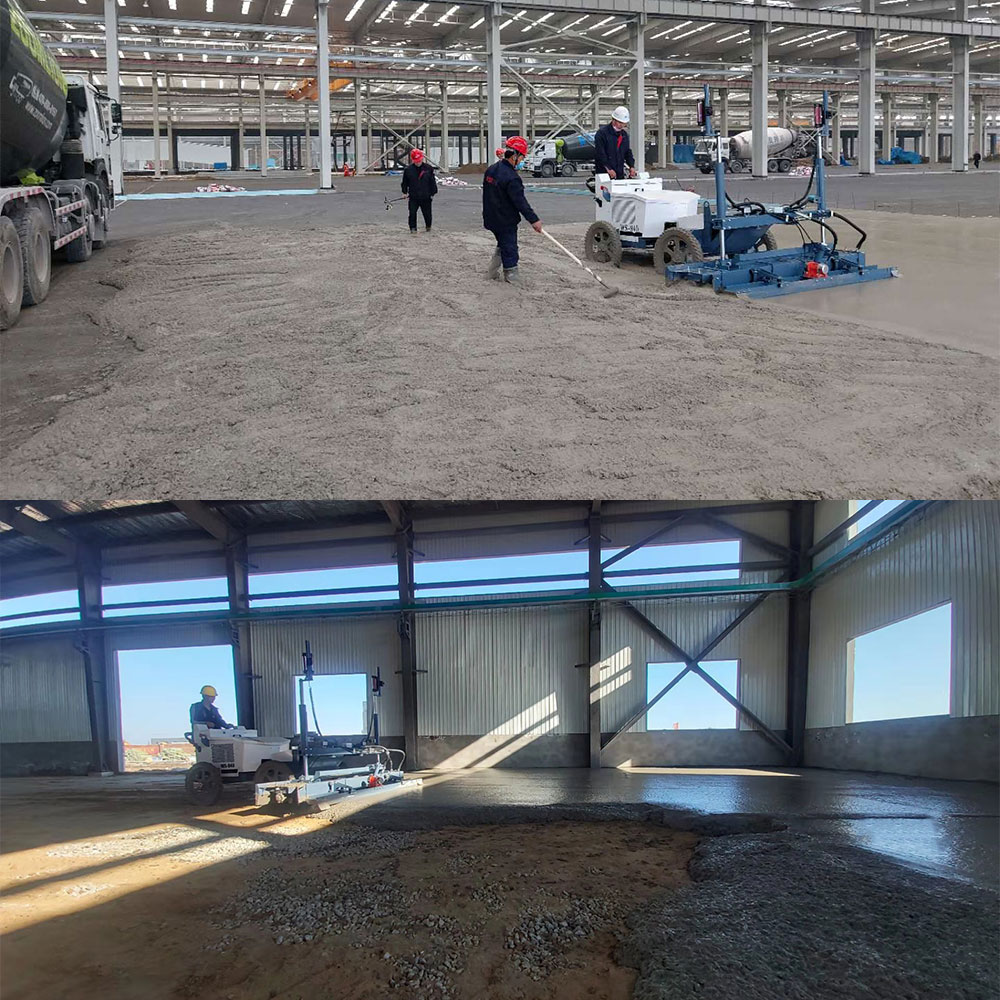
Thanks to All the Friends Who Support and Trust Shandong Vanse Machinery Technology Co., Ltd.
If you want to know more about Shandong Vanse Machinery Technology Co., Ltd. or have any questions, please feel free to contact us:
Our Factory
Shandong Vanse Machinery Technology Co., Ltd.








Share this article

About the Author: Shandong Vanse Machinery Technology Co., Ltd.
Shandong Vanse Machinery Technology Co., Ltd. is a high-tech manufacturer specializing in concrete construction machinery, including laser screeds and related equipment. The company integrates R&D, production, and global sales, with products exported to over 60 countries and widely used in infrastructure projects worldwide.
Previous Post
Next Post
Related Articles
You Might Also Like
Concrete laser leveling machine’s skill requirements and cultural quality requirements for workers
The concrete laser leveling is a high-precision construction equipment that requires high skills and cultural quality of workers. At the same time, in order to ensure safe operation, workers need to strictly abide by safe operating procedures. The following are considerations for the skill requirements, cultural quality requirements, and understanding and compliance of safe operating procedures for workers with concrete laser levelings. 1. Skill requirements 1】Operating skills: Operating a concrete laser leveling requires certain skills and experience. Workers need to master equipment operation methods, basic maintenance skills, and simple troubleshooting skills. In addition, workers also need to understand the performance characteristics, scope of application and usage limitations of the equipment to ensure correct and safe operation. 2】Construction skills: When using a concrete laser leveler for construction, workers need to have corresponding construction skills. This includes understanding of concrete materials, basic knowledge of concrete construction technology, mastery of laser leveling technology, and the ability to coordinate with other types of work. 3] Safety skills: Workers need to master the safe operating procedures of concrete laser leveling machines and have corresponding safety awareness. During the operation, workers need to abide by safety regulations and use safety protective equipment correctly to avoid safety accidents caused by improper operation. 2. Cultural quality requirements 1] Cultural level: Workers who use concrete laser leveling machines need to have basic cultural qualities. They should be able to understand operating instructions, safety procedures and other relevant technical documentation and be able to perform simple reading and writing. 2】Professional ethics: Workers should have professional ethics, abide by professional ethics, be serious and responsible for their work, and ensure construction quality and safety. 3】Learning ability: Workers should have the ability to learn, be able to master the operating skills and construction techniques of concrete laser leveling machines through training and practice, and continuously improve their professional level and comprehensive quality. 3. Understanding and complying with safe operating procedures 1] Safety awareness: Workers should have safety awareness and be aware of the safety risks and precautions when using concrete laser leveling machines. During the operation, you should always remain vigilant to discover and eliminate safety hazards in a timely manner. 2】Safe operating procedures: Workers should carefully study and strictly abide by the safe operating procedures of the concrete laser leveler. This includes the starting, running, stopping of equipment and handling of emergencies. Only by correctly following safe operating procedures can the safety of equipment and workers be ensured. 3] Safety protective equipment: Workers should use and wear safety protective equipment correctly. When using a concrete laser leveling, workers should wear professional protective glasses, protective clothing, earplugs and other supplies to avoid injuries caused by noise, vibration and splashing concrete particles during operation. 4】Construction site safety: Workers should pay attention to safety management at the construction site. When operating the concrete laser leveling, make sure there are no other irrelevant people or obstacles around to avoid accidental injuries or property losses caused by improper operation. At the same time, workers should pay attention to on-site fire protection, electrical and other aspects to ensure safe production at the construction site. 5】Maintenance safety: When performing maintenance on the concrete laser leveling, workers should strictly abide by the maintenance procedures. When the equipment is shut down, workers should perform necessary inspection, lubrication and cleaning work. When the equipment is in operation, workers should not perform any maintenance work to avoid safety accidents. In short, workers who use concrete laser levelinging machines need to have certain skills and cultural quality requirements, and strictly abide by safe operating procedures. Only in this way can the normal operation of equipment and the safety of workers be ensured, and high-efficiency, high-quality construction goals be achieved.Standards for Testing the Bond Strength between Dry-Spread Materials and Concrete Substrates
In anti-corrosion flooring construction, the bond strength between dry-spread materials (such as corundum and acid-resistant aggregates) and the concrete substrate directly determines whether the flooring will peel, flake, or allow anti-corrosion media to penetrate. For this type of "composite structure," the main testing standards and methods are as follows: Currently, the most directly recognized indicator in the industry is tensile strength. International Standard: ASTM D4541 (Standard Test Method for Pull-Off Strength of Coatings Using Portable Adhesion Testers) Domestic Standard: GB/T 5210 "Paints and Varnishes – Pull-Off Adhesion Test" or JGJ/T 70 "Basic Performance Test Methods for Building Mortar". Corrosion Protection Standard: GB 50212 "Code for Construction of Corrosion Protection Engineering for Buildings". Core Drilling/Kernel Cutting: Using a hollow drill bit, cut a ring, typically 50mm in diameter, into the hardened floor surface. The kerf depth should penetrate the dry-spread layer and reach the concrete base layer by approximately 5mm-10mm. Steel Ingot Adhesion: Adhere a standard steel ingot (Dolly) to the surface of the ring using high-strength epoxy resin adhesive. Pressure Pull-Out: Apply tension at a constant rate using a fully automatic or manual pull-out tester until the specimen detaches. Bond strength is not only determined by its numerical value (MPa), but also by the location of fracture, which is crucial for diagnosing construction quality: Location of failure Judgment Result Cause Analysis Concrete base layer failure Pass The adhesion strength is greater than the substrate strength, which is the ideal state. Bond interface failure Fail/Risk This indicates that the material was applied too late, and the aggregate did not enter the concrete hydration system. Dry-spread layer internal failure Requires Evaluation This indicates that the dry-applied material itself lacks strength or the surface was not properly smoothed. Adhesive layer failure Invalid Test The adhesive did not adhere well or the surface was not cleaned properly; retesting is required. Specifications: For high-performance anti-corrosion flooring, a tensile strength of ≥ 1.5 MPa is typically required. For environments subjected to heavy loads and strong chemical corrosion, a strength of ≥ 2.0 MPa is recommended. Besides direct pull-out testing, the following physical indicators indirectly reflect the bonding quality: GB/T 16925 (Indentation Hardness/Impact Test): Tests whether the dry-spread layer will delaminate and detach from the substrate under heavy impact. Hollow Zone Test (Tapping Method): According to GB 50209 "Code for Acceptance of Construction Quality of Building Ground Engineering", tap with a 0.5kg drumstick; there should be no hollow sound. Imperibility Test (ISAT): Measures the amount of water that permeates per unit time. If the bond is not dense, the permeability will be significantly increased. If you are preparing to outsource laboratory testing, it is recommended to reserve at least three representative test sites. Do you need to prepare inspection and certification documents, or is there a localized detachment at the construction site? If it's the latter, I can help you analyze the specific fracture surface characteristics to find the cause. Note: The parameters provided in this document are for reference only and are not mandatory. Due to differences in technical characteristics between different brands and models of laser levelers, please consult the manufacturer for a suitable solution before actual operation. This reference document assumes no responsibility for any issues arising from failure to follow the manufacturer's instructions.The magic weapon for large-area floor construction—concrete laser leveling machine
As we all know, the concrete laser leveling machine is a kind of equipment that uses laser as the reference plane and controls the leveling head in real time to achieve high-precision and rapid leveling of concrete. It is an important magic weapon to reduce the cost of enterprise construction. By choosing the laser leveling machine for construction, you can save fixed investment, reduce labor costs, and reduce operating costs. The widespread application of concrete laser levelings has improved the green and environmentally friendly performance of the floor. At the same time, the supply of laser paver equipment market has also driven the development of floor equipment. The continuous expansion of the concrete laser leveling equipment industry has prompted increasingly fierce market competition. Whether in the short or long term, the demand for the concrete leveling machine industry is affected by factors such as region and construction methods, and there is still considerable room for development. Reducing costs is the main reason for flooring companies to choose concrete laser leveling machines. Some data show that companies that purchase concrete laser levelinging machines have an average reduction in material costs of 10 to 25%. Sometimes specific cost reductions can reach 30%. The reason why the concrete laser leveling machine can significantly reduce the purchase cost is mainly because the laser leveling machine has extremely high construction efficiency and greatly saves labor. In addition to reducing costs, it also provides precise ground leveling. Concrete laser leveling machines are currently the most accurate leveling machines with small errors. The machine's vibration frequency is 4,000 times/minute, which ensures the density of the concrete floor and is formed in one go. The operation is simple and flexible, and the degree of automation is high, which greatly improves the construction efficiency. It is especially suitable for large-area floor construction, reducing labor costs and labor intensity. The concrete laser leveling machine is a powerful concrete floor construction machine. Suitable for a variety of floor works, from building floors to large warehouses and multi-storey buildings. The use of laser leveling machines for floor construction is a construction method that has been widely used at home and abroad. Therefore, as a mature and advanced construction technology, it has good benefits and prospects.