Technical Knowledge
Double-layer steel mesh has more advantages in concrete pavement construction under what special circumstances
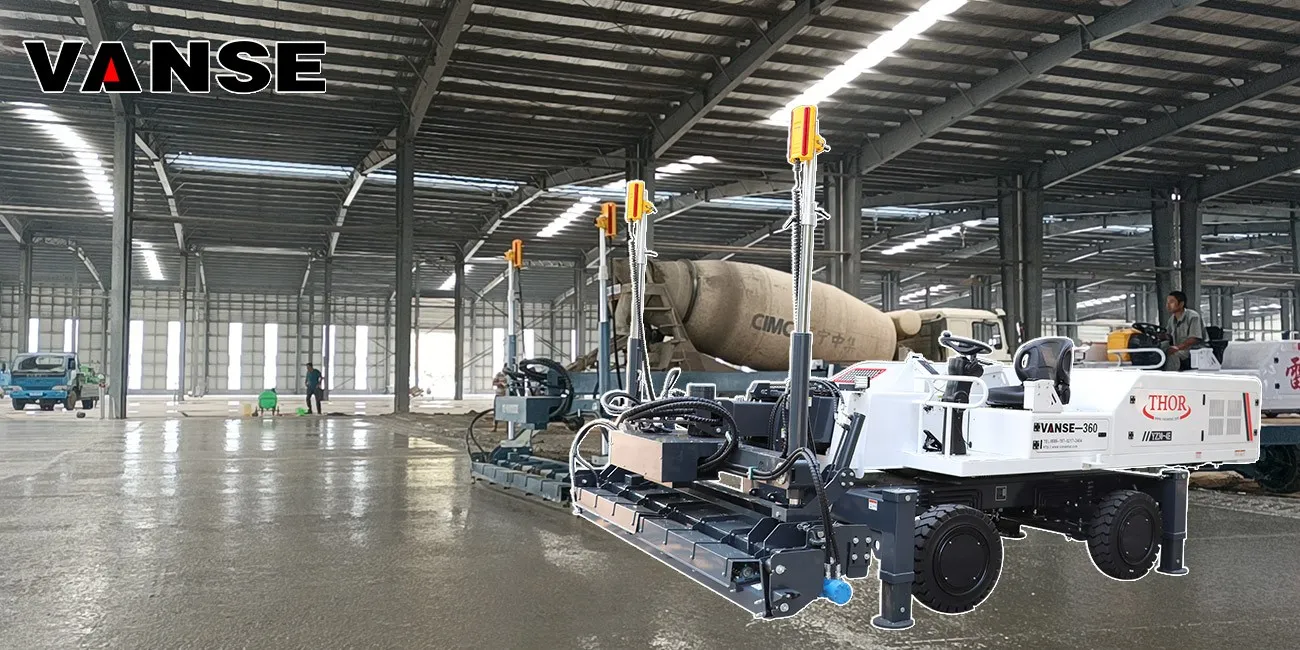
Double-layer steel mesh has more advantages in concrete pavement construction in the following special environments:
Heavy-load traffic environment
– In areas where heavy-loaded vehicles frequently travel, such as ports, large logistics parks, and mines, the road surface is subjected to huge pressure and impact. Double-layer steel mesh can effectively improve the bending tensile strength and shear strength of concrete pavement, enhance the bearing capacity of the pavement structure, reduce cracks and deformation caused by repeated rolling of heavy-loaded vehicles, and extend the service life of the pavement.
Soft foundation environment
– When concrete pavement is built on soft foundations such as soft soil, swamps, or high groundwater levels, uneven settlement of the foundation can easily cause pavement cracking. Double-layer steel mesh can better disperse the load and resist the tensile stress caused by foundation settlement by increasing the overall stiffness of the pavement structure, thereby maintaining the integrity and stability of the pavement.
Environment with large temperature changes
– In areas with large temperature differences between day and night or significant seasonal temperature changes, concrete pavements will generate large internal stresses due to thermal expansion and contraction. Double-layer steel mesh can constrain the deformation of concrete, reduce cracks caused by temperature stress, improve the crack resistance of the pavement, and ensure that the pavement can still maintain good performance under temperature changes.
Earthquake-prone environment
– In areas with frequent seismic activities, concrete pavements need to have higher seismic resistance. Double-layer steel mesh can enhance the ductility and toughness of concrete structures. When an earthquake occurs, it can absorb and dissipate seismic energy, reduce the degree of damage to the pavement, and improve the pavement's passability after the earthquake, providing protection for disaster relief and traffic restoration.
Click the below to jump immediately!!!

CONCRETE LASER LEVELING MACHINE


POWER TROWEL

SLIPFORM MACHINE


TOPPING SPREADER

Thanks to All the Friends Who Support and Trust Shandong Vanse Machinery Technology Co., Ltd.
If you want to know more about Shandong Vanse Machinery Technology Co., Ltd. or have any questions, please feel free to contact us:
Our Factory
Shandong Vanse Machinery Technology Co., Ltd.








Share this article

About the Author: Shandong Vanse Machinery Technology Co., Ltd.
Shandong Vanse Machinery Technology Co., Ltd. is a high-tech manufacturer specializing in concrete construction machinery, including laser screeds and related equipment. The company integrates R&D, production, and global sales, with products exported to over 60 countries and widely used in infrastructure projects worldwide.
Previous Post
Next Post
Related Articles
You Might Also Like
How to maintain concrete floors in different seasons?
HOW TO MAINTAIN CONCRETE FLOORS IN DIFFERENT SEASONS? -VANSE Machinery The current concrete floor is compacted with a concrete laser leveling machine, and there is almost no error. Concrete technology is becoming more and more important. Concrete has developed from the initial low-strength grade and ordinary concrete to today's high-strength grade and high performance. Sometimes the maintenance of concrete is often ignored in engineering construction, causing the surface of the concrete to shrink. , cracking, peeling and other phenomena, in order to make the concrete floor more sustainable and long-term use, it is necessary to pay special attention to the concrete curing method during construction. Different environments have different maintenance methods: During the high temperature and dry season, the moisture in concrete is easy to lose, so the following measures should be actively taken: 1. Cooling measures must be taken during construction, such as choosing to pour at night to avoid direct sunlight, and adjusting the concrete ratio in time. 2. At the same time, it must be noted that the temperature of the concrete formwork must be cooled, because if the temperature of the formwork is too high, the surface of the concrete will lose moisture quickly after pouring, resulting in defects such as sanding on the concrete surface. The maintenance of concrete in this season requires a lot of water, especially for the parts that are not easy to maintain, such as columns, cover beams, and beam webs, they should be tightly wrapped with geotextiles and sprinkled regularly. The surface of the concrete is always in a humid environment. In the early stage of curing, the concrete surface is sometimes dry and sometimes wet, because the strength of concrete that is sometimes dry and sometimes wet is easy to reduce, and it is easy to produce shrinkage cracks. Therefore, within 7 days of concrete pouring, it is necessary to prevent water evaporation and keep the concrete surface moist. In short, the focus of concrete maintenance in this season is moisturizing. If measures such as moisturizing and cooling are done well, problems such as early setting of concrete, plastic cracks, reduction of concrete strength and durability caused by high temperature will not appear. In the cold season when the temperature is lower than 5°C, the following measures should be taken for the maintenance of concrete: 1. After demoulding, cover and maintain the insulation. 2. The use of steam curing. 3. Improve the thermal insulation performance of the formwork. Most of the steel formwork used in bridge construction has good thermal conductivity and is easy to lose temperature. Therefore, insulation materials such as straw curtains should be wrapped outside the formwork or measures such as thickened formwork and double-layer formwork should be used. 4. Increase the mixing temperature of concrete. First of all, the heating treatment of the mixing water can be considered, and the aggregate can also be considered to be heated. The purpose is to ensure the initial cement hydration temperature and improve the early strength of the concrete. If the maintenance of concrete in the early cold period takes the above measures actively, the concrete will be prevented from freezing due to low temperature. After the concrete is frozen, its hydration will stop. After the temperature rises, although it can continue, the surface of the concrete has changed. Crisp, lose strength, and even larger cracks appear. Therefore, it is necessary to especially strengthen the early insulation and maintenance of concrete, and it must not be frozen before the concrete strength reaches 50% of the design strength.How to monitor the status of concrete laser leveling machine in real time through vibration sensor?
To monitor the status of the concrete laser leveling in real time through a vibration sensor, the following steps can be taken: 1. Install vibration sensors: Install vibration sensors on key parts of the concrete laser leveling machine, such as the scraper or leveling beam. 2. Connect the sensor and control system: Connect the vibration sensor to the control system of the concrete laser leveling. 3. Set the alarm value: Set the alarm value of the vibration sensor as needed. When the vibration of the leveling machine exceeds the preset alarm value, the system will automatically sound an alarm and notify the operator to take appropriate action. 4. Real-time monitoring: The control system will monitor the data of the vibration sensor in real time and display the data to the operator through the control interface. The operator can check the vibration status of the leveler at any time and understand the operation of the leveler. 5. Abnormal handling: When the vibration sensor detects abnormal vibration, the control system will immediately issue an alarm and automatically take corresponding measures, such as shutting down or adjusting working parameters, etc., to protect the leveling machine from damage. 6. Recording and data analysis: The control system will also automatically record vibration data, and process and analyze the data through data analysis software. Through these data, the operator can fully understand the status of the leveling machine and provide a basis for equipment maintenance and upkeep. In summary, real-time monitoring of the status of the concrete laser leveling through vibration sensors requires steps such as connecting the vibration sensor to the control system, setting alarm values, real-time monitoring, recording and data analysis. In this way, abnormal conditions of the leveling machine can be discovered in time, ensuring the normal operation of the equipment, and improving construction efficiency and construction quality.What are the specific details of regular inspection and maintenance of consumables for concrete laser leveling machines?
Regular inspection and maintenance of consumables of concrete laser leveling machine is the corePrevent wear and failure of key componentsTo avoid sudden failures during construction that affect flatness and efficiency, it is necessary to execute the work in order of priority based on "wearing parts – precision parts – auxiliary systems". For core consumables that are in direct contact with concrete and wear the fastest, focus on checking the "amount of wear" and "tightening status". Consumables Category Check content Maintenance Action Judgment criteria Leveling scraper/blade 1. Check whether the cutting edge has any notches or curling 1. Use a scraper to clean the remaining concrete to avoid corrosion 1. If the blade wear is greater than 3mm, it needs to be polished; if the chip is greater than 5mm, it needs to be replaced. 2. Whether the surface concrete residue is hardened 2. If the bolts are loose, tighten them with a torque wrench according to the standard torque. 2. The bolts have no thread slippage and no obvious displacement 3. Are the fixing bolts loose? Laser receiver 1. Check if there is dust or concrete slurry attached to the lens 1. Use a clean soft cloth to wipe the lens. Do not use high-pressure water to directly clean the lens. 1. The lens is free of scratches and obstructions 2. Check whether the connecting wire is damaged or the connector is loose. 2. Damaged cables must be replaced immediately to avoid signal interruption 2. The indicator light flashes normally when receiving laser signal Travel wheels/tracks 1. Is the tire pressure normal (pneumatic tire) 1. Fill the tire pressure according to the instructions (usually 0.8-1.2bar) 1. Track teeth wear > 1/3 and need to be replaced 2. Check whether the track shoe has cracks or tooth wear 2. Add lithium-based grease when the bearing makes abnormal noise 2. No deviation or lag when walking 3. Is there any abnormal noise from the wheel bearing? For the transmission, hydraulic, and lubrication system consumables that support the operation of the equipment, focus on checking the "oil status" and "component aging." Hydraulic oil filter: Observe whether there are metal debris and impurities on the surface of the filter element. If the filter element is blocked and the indicator light is on, it needs to be replaced immediately (to avoid impurities from wearing the hydraulic pump). Hydraulic oil pipe/seal ring: Check whether the oil pipe has bulges or leakage, and whether the sealing ring is deformed or aged. If leakage is found, the corresponding parts should be replaced in time to prevent hydraulic oil loss and insufficient power. Travel motor bearings, scraper drive shaftFor rotating parts, add the specified type of grease (usually 2# lithium-based grease) according to the instructions. The amount of grease added each time should be based on a small amount that overflows from the gap to avoid overheating of the parts due to excessive grease. If it is an electric model, check whether the battery terminals are oxidized or loose. Sand the oxide layer with sandpaper and apply Vaseline to prevent rust. When the battery power is less than 20%, it needs to be charged in time to avoid deep discharge that affects the battery life. For consumables that have a long lifespan but need to be replaced regularly, focus on "performance degradation". Laser transmitter: Check whether the brightness of the laser tube is attenuated (compare with the light spot intensity of a new machine). If the light spot is blurred or the range is shortened, the laser tube needs to be replaced (it is recommended to use original accessories to avoid model mismatch affecting accuracy). Filter elements (air/fuel): The fuel filter and air filter need to be replaced as a whole to avoid blockage after long-term use, which may lead to insufficient engine fuel supply and poor air intake. After replacement, start the machine and run it at idle speed for 5 minutes to check for leaks. Wear parts backup: Reserve 1-2 sets of wearing parts (such as scraper blades, seals, and filter elements) in advance to avoid a shortage of spare parts in the event of a sudden failure, which would affect the construction progress. The core of the maintenance of consumables of concrete laser leveling machine is "High frequency to check wear, medium frequency to maintain operation, low frequency to replace aging parts". Records must be kept for each inspection (such as wear amount, replacement time), and the cycle and parameters specified in the equipment manual must be strictly followed to maximize the life of consumables and ensure construction accuracy.