Technical Knowledge
On-site Remediation Plan for Color Difference or Strength Variation Caused by Uneven Broadcasting
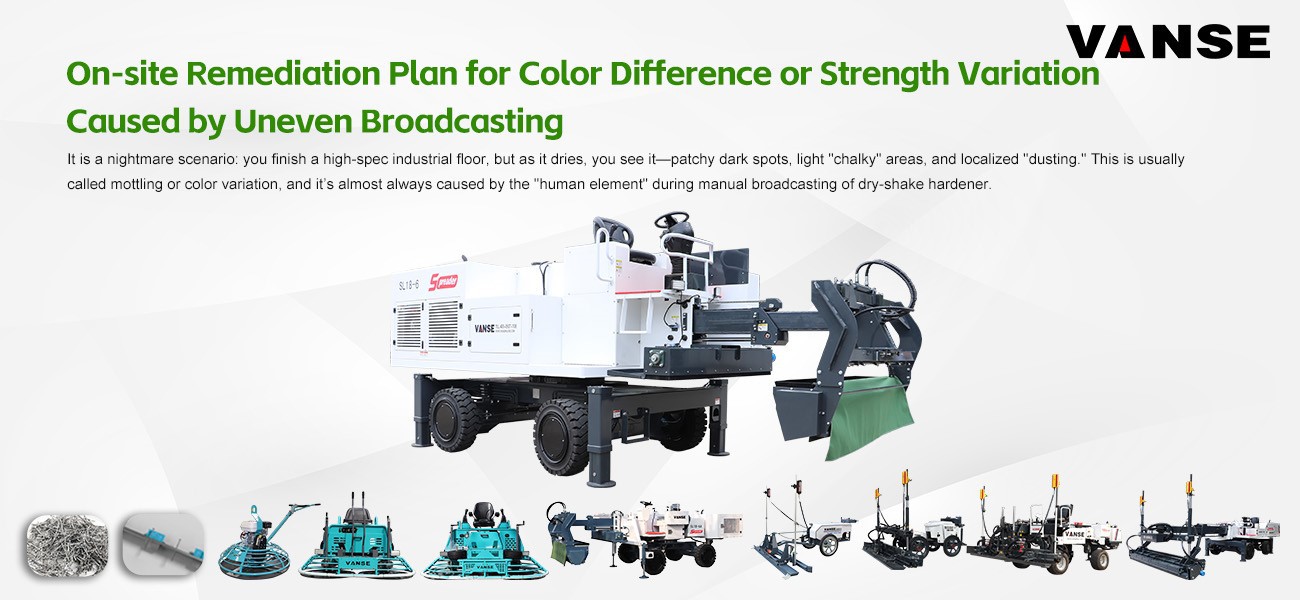
It is a nightmare scenario: you finish a high-spec industrial floor, but as it dries, you see it-patchy dark spots, light "chalky" areas, and localized "dusting." This is usually called mottling or color variation, and it’s almost always caused by the "human element" during manual broadcasting of dry-shake hardener.
If you are facing a "leopard-print" floor or inconsistent surface strength, here is the professional On-site Remediation Plan, along with the Vanse technical workflow to ensure it never happens again.
Step 1: The Diagnosis (Why did it happen?)
Before you fix it, you need to know why it failed.
Uneven Broadcasting: Manual throwing from a bucket creates "thick" and "thin" zones.
Timing Issues: Some areas were "over-troweled" while still wet, while others were finished too late.
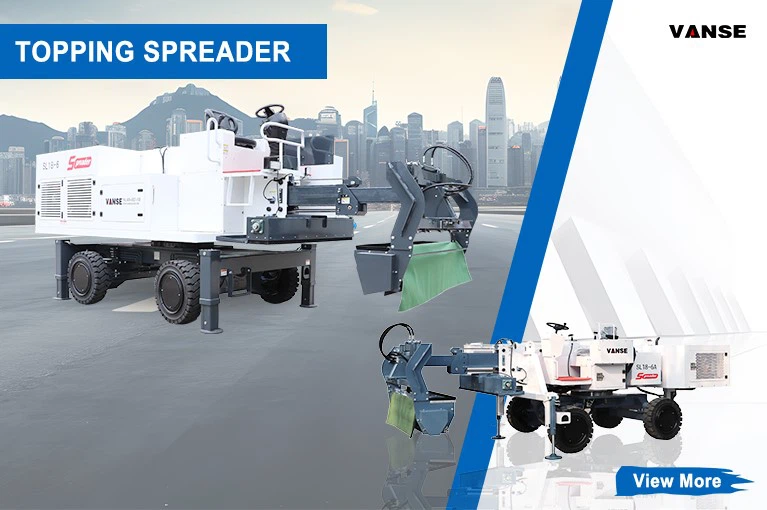
The Vanse Prevention Tip: The best remediation is prevention. Using the Vanse Automatic Topping Spreader instead of manual labor ensures a 100% uniform grams-per-square-meter application. By linking the spreader's output to the machine's speed, you eliminate the "human error" that causes color shifts and weak spots.
Step 2: The Remediation Plan (The "Cure")
1. Mechanical Leveling & Grinding
If the strength variation is severe (the surface is "powdering"), you have to remove the weak layer.
The Process: Use a planetary floor grinder with 30/40 grit metal-bond diamonds to strip away the inconsistent "skin."
The Vanse Tool for the Job: In cases where deep remediation is needed, use a Vanse Concrete Cutting Machine (Floor Saw) to create clean, straight boundaries around the affected area if a partial re-pour is required. This ensures the "patch" doesn't spall or crack at the edges.
2. Chemical Densification
Once the surface is opened up, you need to fix the strength variation.
The Process: Apply a high-quality Lithium or Sodium Silicate Densifier. This penetrates the concrete, reacts with the free lime, and creates a uniform, hard-shell finish across both the "weak" and "strong" zones.
Blending the Color: Use a tinted sealer or a "color-matched" penetrant during the densification process to mask the mottling and create a visually consistent finish.
3. Re-Burnishing for a Mirror Finish
After densifying, you need to "seal" the surface mechanically.
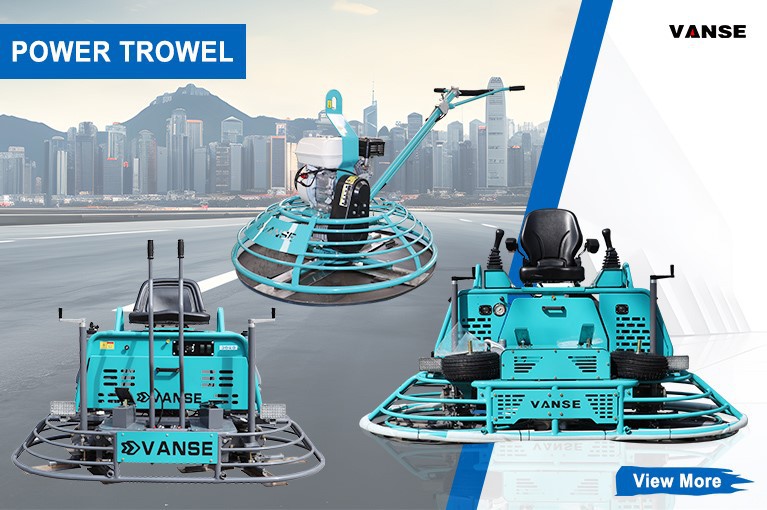
The Process: Transition to a Vanse Ride-on Power Trowel. With its high-torque engine and precision pitch control, you can "burnish" the densified surface. The heavy compaction of the Vanse rotors helps to blend the color and close the pores, resulting in a dense, dust-free, and uniform finish.
Step 3: Proactive Prevention (The Vanse Workflow)
Global buyers are moving away from manual methods because the cost of remediation is 3x higher than the cost of doing it right the first time. Here is the Vanse "Gold Standard" Workflow to avoid color and strength issues:
Uniform Placement: Use a Vanse Concrete Distributor or a Mini Dumper to place the base slab. This ensures the water-cement ratio is consistent across the entire bay, preventing "wet spots" that cause color variation.Consolidated Leveling: Use a Vanse Concrete Laser Leveling Machine . Its high-frequency vibration consolidates the slab from the bottom up, ensuring a uniform "paste" is available to bond with the hardener.
Mechanical Spreading: The Vanse Automatic Topping Spreader is your insurance policy. It applies the hardener in a single, even pass immediately behind the laser leveling, guaranteeing uniform strength and color.
Precision Finishing: The Vanse Power Trowel provides the final compaction, "locking in" the color and density.
Final Thought
Look, we’ve all been there-trying to "save money" by using manual labor for broadcasting, only to spend three times that amount on grinding and densifiers later. If you want to bid on FM1/FM2 high-spec projects, you need the precision of a Vanse fleet (www.vansemac.com).
Stop fixing floors and start finishing them. Visit Vanse Machinery today to see how our Topping Spreaders and Laser leveling can guarantee your color and strength consistency on every pour.
Note: The parameters provided in this document are for reference only and are not mandatory. Due to differences in technical characteristics between different brands and models of laser levelers, please consult the manufacturer for a suitable solution before actual operation. This reference document assumes no responsibility for any issues arising from failure to follow the manufacturer's instructions.
Thanks to All the Friends Who Support and Trust Shandong Vanse Machinery Technology Co., Ltd.
If you want to know more about Shandong Vanse Machinery Technology Co., Ltd. or have any questions, please feel free to contact us:
Our Factory
Shandong Vanse Machinery Technology Co., Ltd.
Share this article

About the Author: Shandong Vanse Machinery Technology Co., Ltd.
Shandong Vanse Machinery Technology Co., Ltd. is a high-tech manufacturer specializing in concrete construction machinery, including laser screeds and related equipment. The company integrates R&D, production, and global sales, with products exported to over 60 countries and widely used in infrastructure projects worldwide.
Previous Post
Next Post
Related Articles
You Might Also Like
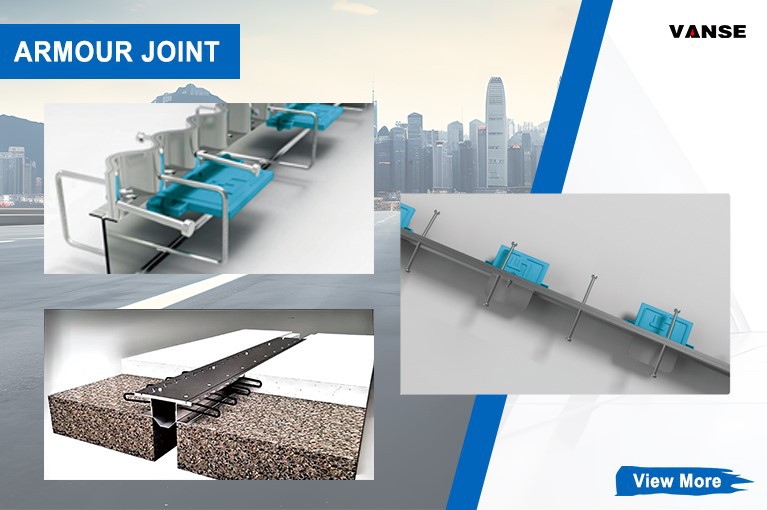
How to choose the right armoured joint
Why use armoured joints at all? Construction joints are an essential part of creating a concrete floor. But left unprotected, they will quickly become damaged once the building is brought into use –leaving the building owner or operator with repair costs and expensive down-time. A damaged construction joint is more than just unsightly. Materials handling vehicles can suffer costly damage too on an uneven surface; and it can even present a health and safety issue for forklift drivers. The best solution is to armour joint arrises during construction, to build in protection from the start. It is easy and cost-effective, and reaps benefits for the lifetime of the building. Guidance on choosing the right joint Here are some of the factors to consider when choosing an armoured joint. Our helpful joint selector can also guide you in choosing the best product to armour joint arrises on your project. Building use. Consider whether the building will have one use in its lifetime, or if this may change. You can future-proof the floor by choosing a versatile joint, such as Permaban Signature or Wave. These allow vehicles to cross the floor freely in any direction, now and in future. Traffic. Consider the type of vehicle wheel being used, plus traffic frequency and speed ('duty'). Vehicle direction determines how much impact a joint endures. Straight joints such as AlphaJoint are Eclipse are fine where vehicles won't cross directly. Otherwise, choose Signature or Wave to prevent impact (see below). Service. If cleaning chemicals are regularly used, a stainless steel joint (AlphaJoint CSS) will withstand these and look good for longer. If a joint is likely to be regularly exposed to wet conditions, choose our galvanised Signature, Eclipse or Wave. Hazards. If the building handles substances which must not leach into the ground, or where the joint gap itself would pose a hazard to pedestrians, then cover the gap permanently with SignatureSlide, or fill with a joint sealant. Floor construction. 'Jointless' floors include armoured joints, but not saw-cut joints, so the gap sizes can be slightly larger. Take the likely gap size into account, and how it might be filled. SignatureSlide handles larger gaps and ensures no joint gapis exposed. What is impact? If a vehicle crosses a straight joint at 90° there is a risk of impact damage. This is because the wheels drop momentarily in the gap between the two straight sides of the joint. Repeated impact on a saw-cut joint, or even a straight armoured joint,causes damage to the surrounding concrete, leading to maintenance costs and downtime. A shaped joint arris (Signature or Wave) has no straight lines–hence the wheels cannot fall between the two sides, so no impact can occur. Shaped joints therefore make the ideal choice for directional traffic situations, or where a building owner wants to ensure flexibility for how a building may be used in the future. The value-engineered approach Traditional-style armoured joints only account for about 5% of the material cost of the floor slab. Joints are a small part of the overall cost –but can make an enormous difference to the floor's lifetime performance. By using a combination of Permaban armoured joints you can create an optimum specification without a significant cost increase. For example, using Signature and Eclipse together in a specification will provide superior joint protection, but with a less than 1% increase in material cost. Using Signature alone means only a 3% increase in material cost. But remember that any additional up-front costs will be more than recouped over the life of the building, due to reduced floor and vehicle maintenance costs. The building's versatility, and saleability, can also be improved. Download our quick comparison guide to find the best product to armour joint arrises on your project.Concrete Laser Leveling Machine Summer Maintenance Tips
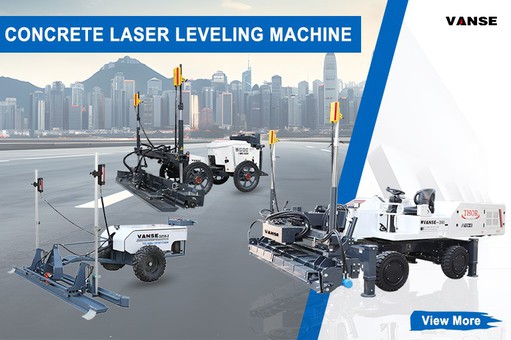
CONCRETE LASER LEVELING MACHINE SUMMER MAINTENANCE TIPS In the hot summer, the construction of concrete laser leveling machines has not stopped. The high temperature construction environment in summer is a relatively heavy test for construction machinery and equipment such as concrete laser leveling machines. Therefore, laser leveling machines should be prepared in summer The daily maintenance of the concrete laser leveler has also become very important. Today, the editor of Shandong VANSE will explain to you some construction precautions of the concrete laser leveling machine in summer, for your reference. 1. During construction in summer, the engine must first be prevented from overheating. Generally, the temperature of the engine should not exceed 95°. If the temperature is too high, you should choose a relatively shady location to stop and cool down. The engine hood can be lifted to ventilate and dissipate heat while stopping. 2. Check the amount of cooling water in time. When the water radiator reaches 100°, do not rush to add cooling water. Instead, stop the engine immediately to cool down the engine at idle speed, and then add coolant. 3. The construction temperature is high in summer, and the air pressure and temperature of the tire should be checked frequently. If the tire temperature is too high, it should be stopped in time and placed in a cool place to cool down. Remember to use the wrong method of deflation or pouring cold water to cool down. 4. Frequently check the liquid level of the battery, add distilled water in time, and dredge the vent holes, pay attention to the density of the electrolyte, and maintain a good charging state. 5. Prevent engine deflagration. Before entering the summer, the carbon deposits in the combustion chamber, valve top and other parts should be completely removed to maintain good heat dissipation and normal compression ratio; and the fuel supply advance angle should be checked and adjusted to prevent engine deflagration. 6. Check the temperature of hydraulic oil and hydraulic transmission oil frequently. If the temperature is too high, stop the machine and rest, and do not work at higher temperatures. In short, construction machinery such as concrete laser leveling machines are subjected to the test of long-term continuous operation and are also affected by high-temperature environments during summer construction. Therefore, summer construction must pay attention to the above conditions, and it must be carried out regularly. Routine inspection and maintenance work, which is not only related to the service life of the concrete machine leveler, but also related to the hidden dangers of construction and the smoothness of the concrete laser leveler in work.The construction process and requirements of laser leveling concrete wear-resistant floor
Laser leveling concrete wear-resistant floor refers to the use of laser leveling machines to perform high-precision and rapid leveling operations on concrete, thereby obtaining a concrete wear-resistant floor that meets high standards in terms of flatness, levelness, density and strength. The concrete laser leveling machine uses laser as the reference plane, and emits rotating laser through the laser transmitter. The laser signal is captured by the laser receiver on the leveling machine. The received signal is deeply analyzed by the laser measurement and control system, and any deviation will be accurately identified and fed back to the highly sensitive computer control system on the leveling machine. Based on this feedback information, the leveling machine will intelligently adjust the height of the scraper or leveling head to ensure the accuracy of the leveling operation. At the same time, the hydraulically driven vibration motor drives the vibration plate to vibrate the concrete to further compact the ground. (1) Construction preparation Material preparation: Ensure the quality of concrete materials. Polycondensate high-efficiency water reducer can be added to reduce the risk of cracking. At the same time, prepare the required wear-resistant aggregates, interface agents and other materials. Equipment preparation: Transport and place laser leveling machines, trowels, trimmers, vacuum cleaners and other equipment to the designated location on site, and perform maintenance work to ensure that the equipment is in good standby condition. Base treatment: Mill the base to increase the adhesion between the leveling layer concrete and the base. Clean the surface of the concrete base plate and use a high-pressure water gun to thoroughly rinse the floor surface. Sweep mortar or apply special interface agent as needed. (2) Formwork setting and steel bar laying Formwork setting: Set the formwork according to the design requirements, ensure that the formwork support is on the same horizontal line as the elevation, and use a special formwork frame to set it at an inclined angle to facilitate subsequent construction. Rebar laying: Adding steel bars to concrete can effectively increase the tensile strength of concrete and prevent cracking. The steel mesh should be placed 20mm~30mm away from the floor surface, which not only increases the tensile strength of concrete but also protects the surface from cracks. (3) Concrete paving and laser leveling Concrete paving: The mixed concrete is pumped and spread on the crushed stone base. The paving speed should be appropriate, and manual leveling should be assisted quickly. Ensure that the concrete construction thickness meets the design requirements. Laser leveling: Use a laser transmitter to determine the height of the concrete paving construction, and use a laser leveling machine to perform leveling operations. During the leveling process, one person should be responsible for moving the laser leveling machine, and two people should be responsible for the front-end auxiliary leveling to ensure that the concrete surface remains at the designed height (4) Initial grinding and slurry breaking and throwing wear-resistant aggregates Initial grinding and slurry breaking: When the concrete is initially set, use a single-disc and double-disc trowel to repeatedly rub and level the concrete slurry. The best time is when there are no clear footprints left by people on the concrete. Spreading wear-resistant aggregate: Spread the specified amount of wear-resistant material evenly on the surface of the concrete just after the slurry is broken. Special materials can be considered as specific conditions and spread more than twice. After each spreading, use a trowel to grind and compact the aggregate. Finishing and maintenance Finishing operation: Depending on the degree of hardening of the concrete, perform at least three trowel operations without a disc. The speed and angle of the trowel should be adjusted according to the degree of hardening of the concrete. The corners can be manually scraped. Maintenance: After the construction is completed, it takes more than 28 days to maintain. Sprinkle water for maintenance and lay soil cloth to reduce water evaporation and keep the wear-resistant floor after construction in water. (5) Cutting expansion joints and subsequent treatment Cutting expansion joints: After the concrete has been sprinkled with water for a certain period of time (such as 24 hours), cut the expansion joints according to the design requirements. The setting of expansion joints should take into account the expansion and contraction space of concrete to prevent cracking. Subsequent treatment: Clean and fill the expansion joints after cutting to ensure the beauty and practicality of the floor. The construction requirements of laser-leveled concrete wear-resistant floor are strict, covering material selection, construction equipment, construction process, construction environment and other aspects. The following is a detailed summary of these requirements: (1) Material requirements: Concrete Strength grade: C25~C30 concrete, 28-day strength not less than 25MPa. Water-cement ratio: not more than 0.5, no water should be added at will during the feeding process. Cement: ordinary silicate cement with a grade not less than 42.5 should be used. Bone material: well-graded, coarse bone material is crushed granite or pebble, with a maximum diameter not more than 25mm; fine bone material is clean river sand, with a fineness modulus of 2.4~2.7. Concrete mix ratio: cement dosage is not less than 350Kg/m³, and the sand ratio is controlled at 35%~40%. Concrete slump: 14±2cm, maximum 16cm. Setting time: The initial setting time is controlled within 3-5 hours. Wear-resistant aggregate: The amount of wear-resistant aggregate is not less than 5kg/㎡, and it is evenly spread in batches to ensure wear resistance and flatness. (2) Construction equipment requirements Concrete laser leveling machine: Ensure that the laser transmitter and receiver work normally, without dead corners, and can monitor and control the ground elevation in real time. Other auxiliary equipment: Including concrete mixing station, pumping equipment, trowel, trimmer, vacuum cleaner, etc., to ensure that the equipment is intact and meets the construction requirements. (3) Construction process requirements Preparation work: Including laying the base, steel mesh, setting the transmission rod, placing the buffer zone, etc., to ensure that the foundation is firm and flat. Concrete paving: Pump concrete to the site and manually assist in leveling to ensure that the concrete is evenly distributed. Laser leveling: Use a laser leveling machine for high-precision leveling to ensure that the ground flatness and levelness meet the requirements. Initial grinding and breaking of slurry: When the concrete is initially set, use a trowel to perform initial grinding and breaking of slurry to remove the concrete slurry. Spreading of wear-resistant aggregate: Spread wear-resistant aggregate evenly in batches and compact and grind with a trowel. Finishing: Perform multiple finishing operations according to the hardening of the concrete to ensure that the floor is smooth and free of defects. Maintenance: After the construction is completed, perform maintenance for more than 28 days to ensure the strength and durability of the concrete. (4) Construction environment requirements Temperature: Avoid construction in extremely high or low temperature environments to prevent the concrete from drying or condensing too quickly. Humidity: Keep the construction environment moderately moist to prevent the concrete from losing water too quickly and causing cracks. Avoid wind and rain: The newly constructed concrete floor should not be exposed to sunlight, wind, rain and other environments that are unfavorable to the health of concrete. (5) Other requirements Cutting expansion joints: Cut expansion joints in time to prevent concrete from cracking due to expansion and contraction. Construction sequence: Ensure that the construction sequence such as concrete feeding speed, leveling speed, polishing time is reasonable to avoid problems such as cold joints. Personnel coordination: Manual and mechanical construction to ensure construction quality and efficiency. Safety requirements: Comply with construction safety regulations to ensure the safety of personnel and equipment. (1) Protection principles Timeliness: After the construction is completed, protective measures should be taken as soon as possible to prevent the floor from being polluted and damaged. Comprehensiveness: The protective measures should cover the entire floor, leaving no dead corners, to ensure comprehensive protection. Targetedness: Develop targeted protection measures for different construction environments and floor uses. (2) Protection measures Covering protection Maintenance blanket or non-woven fabric covering: Within 5-10 hours after the construction is completed, use a maintenance blanket or special maintenance non-woven fabric to cover the floor and water it to keep it moist to prevent the floor from drying out too quickly and causing cracks. Film covering: In certain circumstances, such as before the steel structure is hoisted, a film can be used to cover the floor to prevent components from falling and damaging the floor. Isolation protection Set up guardrails: Set up guardrails for the completed floor area to prohibit people from entering at will to prevent trampling and pollution. Warning signs: Set up eye-catching warning signs at places such as doors where people frequently enter and exit to remind people to pay attention to protecting the floor. Anti-collision protection Fully spread earth cloth or wooden formwork: During the hoisting operation, the floor is protected from collision by fully spread earth cloth or densely spread wooden formwork. Take anti-fall measures: Small objects such as tools and screws (caps) should be packed in special tool bags to prevent them from falling and damaging the floor. Anti-pollution protection Apply special concrete sealing wax: Apply special concrete sealing wax on the floor surface to form a surface wax coating to prevent pollution and damage. Receiving bucket setting: During the hydraulic test of electromechanical installation, arrange the water inlet and outlet positions to prevent the test water from flowing into the floor. At the same time, place the receiving bucket at the joint position to prevent leakage from polluting the floor. Repair measures Small pit repair: If the floor has small pits and other damage, it can be repaired with a special adhesive SBR. Finished product protection team: Establish a special finished product protection team to be responsible for daily inspection and maintenance of the floor, and promptly discover and deal with damage problems. (3) Protection period and supervision Protection period: According to the specific situation of the floor and construction requirements, determine a reasonable protection period to ensure that the floor is fully protected during the maintenance period. Supervision and inspection: Regularly inspect the floor to ensure that the protection measures are effectively implemented. Violations of protection measures will be corrected and punished in a timely manner. ①Material preparation: Ensure the quality of concrete materials. The concrete specifications must meet the design requirements, such as C25~C30 concrete, and the 28-day strength is not less than 25MPa. The aggregate grading is good, the maximum particle size of coarse aggregate is not more than 25mm, and the fineness modulus of fine aggregate is moderate. Ordinary silicate cement with a cement grade of not less than 42.5. Equipment inspection: The laser leveling machine and auxiliary equipment (such as mixing station, pumping equipment, trowel, etc.) should be intact and overhauled to ensure normal operation during construction. Check whether the laser transmitter and receiver are working properly, ensure that the laser signal has no dead corners, and can monitor and control the ground elevation in real time. Base treatment: The base should be flat, solid, free of oil and debris to ensure good bonding between the concrete and the base. After the base is treated, it should be inspected and accepted, and the next step can be carried out only after it is qualified. ② Matters needing attention during construction Concrete paving: The minimum hourly feeding speed of concrete should be determined according to the ground thickness and pouring area to avoid cold joint problems. When manually assisted leveling, attention should be paid to the uniform distribution of concrete to avoid large piles falling. Laser leveling: When using the laser leveling machine, the measured height of the vertical pole should be accurate to ensure the leveling accuracy. During the leveling process, the laser leveling machine should be integrated with the paving machine to maintain good rigidity and avoid excessive vibration affecting the construction quality. Operators of laser leveling machines need to undergo professional training and be familiar with the performance and operating procedures of the equipment. Spreading of wear-resistant bone materials: Wear-resistant bone materials should be spread evenly in batches, and after each spreading, they should be compacted and polished with a trowel to ensure wear resistance and flatness. Finishing and maintenance: The finishing operation should be polished multiple times according to the hardening of the concrete to ensure that the floor is smooth and flawless. The floor should be kept moist during maintenance, and a maintenance blanket, non-woven fabric or film should be used to cover and moisturize the floor to prevent the concrete from drying out too quickly and causing cracking. ③ Precautions after construction Cutting and expansion joint treatment: After the construction of the laser-leveled concrete wear-resistant floor is completed, the expansion joint should be cut in time to prevent the concrete from cracking due to expansion and contraction. Professional personnel should be assigned to the cutting operation to ensure that the cutting depth and spacing meet the design requirements. Finished product protection: Guardrails and warning signs should be set up for the completed floor area to prevent people from stepping on and contaminating. Use maintenance blankets, non-woven fabrics or films to cover and protect the floor from external damage. Quality inspection and acceptance: After the construction is completed, the floor should be inspected for quality, including flatness, levelness, density, strength and other indicators. It can only be delivered for use after acceptance to ensure that the floor meets the design requirements and usage functions.