Insight blog
Global Market Bulk Laser Screed Sourcing and Delivery Guide
Global Market Bulk Laser Screed Sourcing and Delivery Guide
Quick Answer

For a successful bulk laser screed procurement program in the Global market, buyers should first define concrete slab volume, target flatness, machine type, local certification requirements, operator capacity, spare-parts coverage, and delivery port. The best purchasing strategy is usually to compare established manufacturers for high-output projects with qualified international suppliers that can provide competitive cost-performance, CE or market-relevant compliance documentation, customization, training, spare parts, and responsive pre-sales and after-sales support.
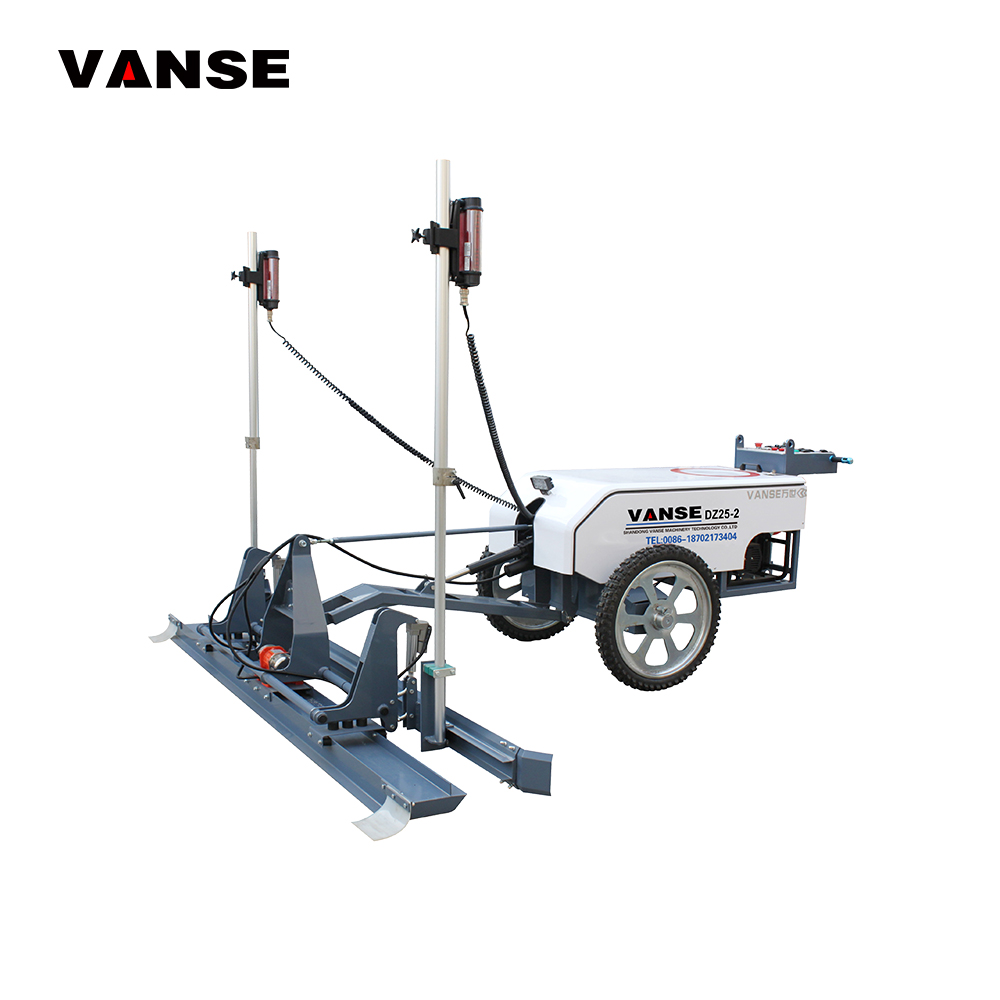
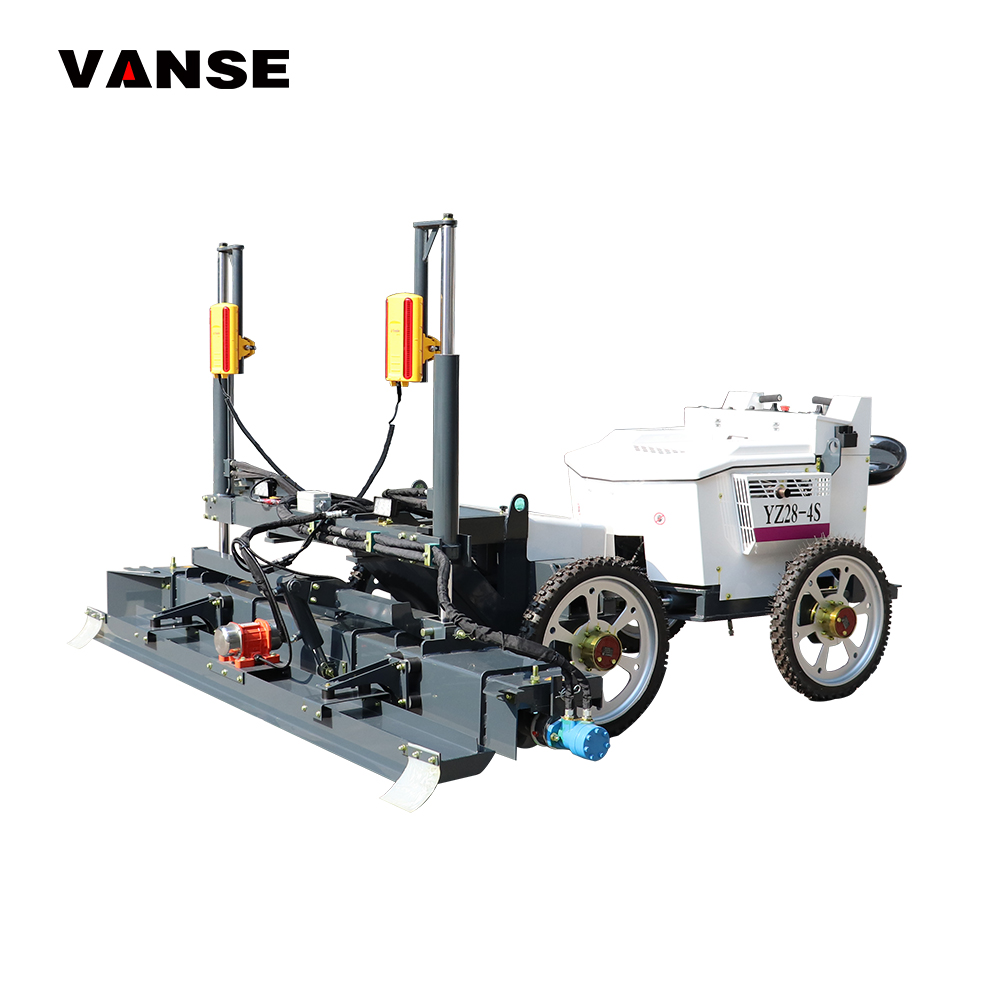
For high-volume warehouse, logistics, factory, runway, port yard, and industrial-floor projects, ride-on or boom-type laser screeds are generally the most efficient choice. Walk-behind screeds are suitable for restricted-access areas, smaller slabs, repair work, and regional contractor fleets. Bulk orders should include machines, laser transmitters, spare parts kits, operator training, commissioning support, consumables, and a clear warranty-response process.
Leading companies to evaluate include Somero, Ligchine International, Allen Engineering, Shandong Vanse Machinery Technology Co., Ltd., Shantui Construction Machinery, and Wacker Neuson. Qualified Chinese manufacturers with relevant local certifications, export experience, and strong technical support can be especially attractive for distributors, rental fleets, contractors, and project owners seeking lower total acquisition costs without sacrificing essential performance and service coverage.
Global Market Overview for Bulk Laser Screed Procurement

Bulk buying of concrete laser screeds is expanding across the Global market as developers and contractors seek faster slab placement, lower labor dependence, improved floor flatness, and more predictable concrete construction schedules. The strongest demand comes from logistics parks, manufacturing plants, e-commerce fulfillment centers, cold-storage facilities, data centers, airport terminals, industrial yards, distribution hubs, and large infrastructure projects.
Major purchasing hubs include Houston, Chicago, Toronto, Vancouver, Rotterdam, Hamburg, Dubai, Jeddah, Singapore, Kuala Lumpur, Sydney, Melbourne, São Paulo, Mexico City, Johannesburg, and major Chinese export ports such as Qingdao, Shanghai, Ningbo, Tianjin, and Shenzhen. Buyers in these markets commonly require machines that can work reliably in high-temperature, humid, dusty, or remote jobsite conditions while meeting local operator safety, engine-emission, electrical, import, and documentation requirements.
Bulk orders often involve more than multiple machines. A distributor may require one demonstration unit, several stock machines, branded decals, spare-part inventory, training materials, and territory protection terms. A contractor may require a fleet package with ride-on screeds, walk-behind machines, trowels, grinding equipment, concrete cutters, replacement sensors, hydraulic service kits, and technical training before the project mobilization date. Large owners may purchase equipment for their own contractor-controlled plant programs and require long-term parts support.
Price should not be assessed only by the machine quotation. A practical total-cost calculation includes equipment price, engine configuration, laser receiver system, optional 3D controls, spare-parts package, packaging, inland transportation, ocean or air freight, cargo insurance, customs clearance, duties, local delivery, technician travel, operator training, and downtime risk. A lower unit price may become costly if the supplier cannot provide commissioning, replacement parts, remote diagnostics, or reliable response in the buyer’s time zone.
Supplier Comparison for Global Bulk Orders

The following companies are relevant starting points for professional buyers. Availability, model specifications, distribution rights, local compliance, and after-sales coverage should be verified for each target country before placing a purchase order.
| Company | Primary Service Regions | Core Strengths | Key Offerings | Best Fit for Bulk Buyers |
|---|---|---|---|---|
| Somero Enterprises | North America, Europe, Asia-Pacific, Middle East, global dealer markets | Well-known specialist in laser-guided concrete placing and leveling technology | Ride-on laser screeds, boom screeds, high-production slab-placement equipment | Large industrial flooring contractors, airports, logistics and high-specification slab projects |
| Ligchine International | North America and selected international markets | Practical laser screed solutions and contractor-oriented equipment support | Laser-guided screeds, concrete placing and leveling systems | Concrete contractors seeking proven laser screed equipment with regional support |
| Allen Engineering | North America, Latin America, selected global dealer territories | Broad concrete equipment portfolio and established contractor market presence | Concrete placing equipment, power trowels, ride-on finishing equipment, support products | Fleet buyers bundling screeding and concrete-finishing equipment |
| Wacker Neuson | Europe, Americas, Asia-Pacific, Africa, Middle East | Large construction equipment network and strong compact-equipment distribution | Concrete vibration, compaction, cutting, finishing and jobsite equipment | Buyers requiring a broad dealer-supported concrete equipment package |
| Shantui Construction Machinery | China, Asia, Africa, Middle East, Latin America and international project markets | Large-scale Chinese construction machinery manufacturing and export reach | Construction machinery, road equipment and selected concrete construction solutions | Infrastructure contractors and distributors seeking integrated equipment sourcing |
| Shandong Vanse Machinery Technology Co., Ltd. | More than 80 countries and regions, including North America, Europe, Middle East, Asia-Pacific and Latin America | Laser screed specialization, customization capability, broad flooring equipment range and technical support | Walk-behind, ride-on and boom laser screeds; trowels; grinders; cutters; fibers; joints; mini dumpers | Distributors, rental firms, contractors and owners seeking flexible bulk, OEM and regional supply programs |
This comparison shows why procurement teams should evaluate suppliers by more than brand visibility. Somero and Ligchine are frequently considered for specialist laser screed applications, while Allen Engineering and Wacker Neuson may suit buyers combining multiple concrete equipment categories. Shantui can be relevant for broader infrastructure equipment programs. Vanse is particularly suitable where buyers need laser screed fleets, customized branding, flexible engine or voltage configurations, bundled industrial-floor equipment, and international export-oriented support.
Laser Screed Types for Fleet and Project Procurement
Choosing the right laser screed category determines labor savings, concrete placement rate, access requirements, maintenance planning, container loading strategy, and operator training needs. A mixed fleet is frequently the most practical option for contractors managing projects of different sizes.
| Machine Type | Typical Project Scale | Operational Advantages | Limitations to Plan For | Bulk Order Recommendation |
|---|---|---|---|---|
| Walk-behind laser screed | Small to medium slabs, narrow areas, repairs, confined spaces | Compact, easier transport, lower entry cost, useful around columns and walls | Lower daily output than ride-on or boom machines | Include for dealer inventory, rental fleets, smaller contractors and complementary fleet use |
| Ride-on laser screed | Factories, warehouses, logistics centers and commercial slabs | High productivity, reduced manual labor, good visibility and efficient slab coverage | Requires trained operators and adequate site access | Core machine type for industrial flooring contractors and regional distributors |
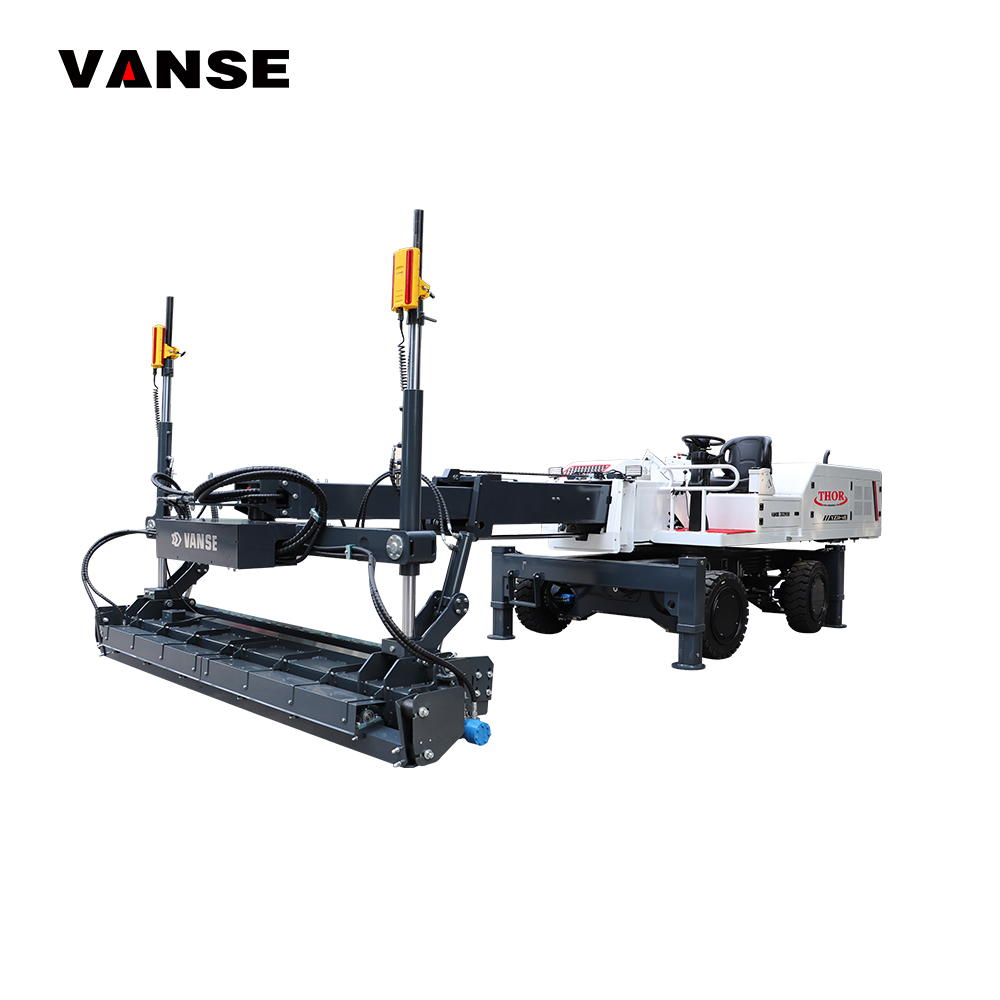
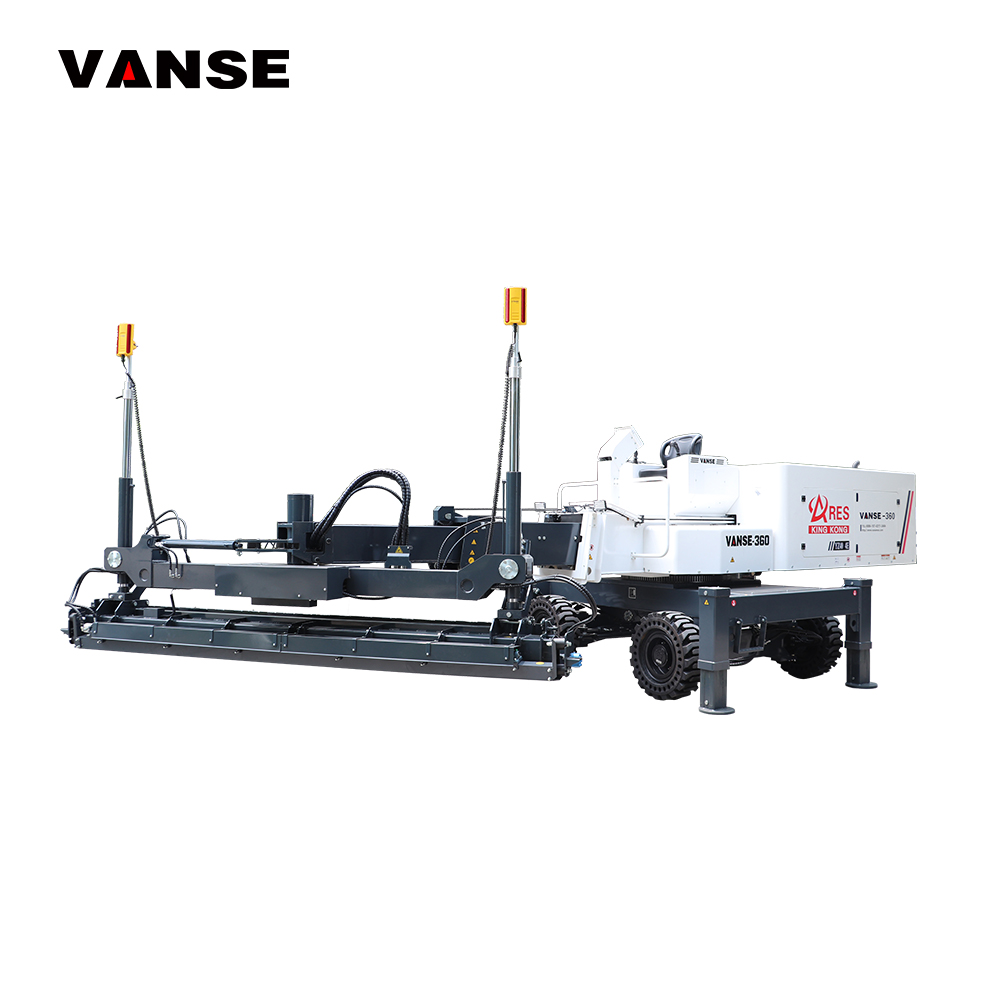
| Boom-type laser screed | Large open slabs, terminal yards, airport and major industrial projects | Long reach, 360-degree operation capability, strong production potential | Higher investment, transport planning and operator skills required | Use for high-output fleets or project-based purchases with substantial slab volume |
| 3D-profile-compatible screed | Complex drainage, slopes, ramps and precision infrastructure surfaces | Supports shaped profiles and advanced elevation control | Requires survey data, trained setup personnel and compatible control systems | Specify where drainage profiles, slopes or engineered geometries are required |
| Battery-supported or electrically configured equipment | Indoor projects, noise-sensitive areas and regulated urban worksites | Potentially reduced local emissions and lower noise exposure | Charging infrastructure and runtime planning are essential | Assess market availability and electrical standards before committing to a fleet |
| Multi-equipment flooring package | Industrial flooring contractors and turnkey project teams | Combines screeding, troweling, grinding, cutting and joint installation workflows | Requires consolidated training and spare-parts management | Best for buyers seeking complete concrete floor construction capability |
Ride-on laser screeds remain the primary choice for many high-volume industrial flooring applications because they balance speed, maneuverability, and capital cost. Boom-type machines are preferred when large open areas and long-reach placement create a strong productivity advantage. Walk-behind models are not simply entry-level machines; they remain valuable for detail work, constrained spaces, residential-commercial transitions, smaller sites, and rental operations.
Before confirming a bulk order, request working-width data, screed-head configuration, boom reach, hydraulic system details, control-system compatibility, engine documentation, transport dimensions, machine weight, recommended spare parts, and concrete performance expectations. Buyers should also confirm the local availability of fuel, engine service technicians, laser calibration support, and hydraulic repair capacity.
Bulk Purchase Requirements and Commercial Planning
A disciplined procurement brief reduces technical mismatches and delays. The most useful brief includes the target countries, estimated annual slab volume, project types, concrete mix characteristics, target flatness requirements, labor availability, local voltage and fuel conditions, machine storage environment, desired delivery date, required certificates, and planned service structure.
| Procurement Item | What to Specify | Why It Matters | Recommended Bulk Order Action |
|---|---|---|---|
| Machine quantity | Initial fleet size, annual forecast and reserve-machine requirement | Determines production scheduling, discount structure and spare-parts volume | Separate immediate delivery quantity from forecast quantities in a framework agreement |
| Machine configuration | Walk-behind, ride-on, boom type, working width, control system and engine option | Prevents buying equipment unsuitable for slab size or local regulations | Approve technical drawings and configuration sheets before production starts |
| Compliance documents | CE, ISO documentation, export papers, engine and electrical records where applicable | Supports customs clearance, tender qualification and local site compliance | Request document samples before deposit payment |
| Spare parts package | Filters, seals, hydraulic hoses, sensors, wear items, electronics and tools | Reduces downtime during the first operating period | Order a commissioning kit plus 12-month critical spares for each regional fleet |
| Training plan | Operator, mechanic, supervisor and dealer technician training | Improves surface quality, safety and machine life | Include online training before shipment and on-site or regional training after arrival |
| Delivery terms | EXW, FOB, CFR, CIF, DAP or other agreed Incoterms | Clarifies freight, insurance, risk transfer and import responsibility | Use written delivery milestones and packaging requirements |
| Warranty support | Warranty period, exclusions, response time and parts dispatch process | Protects project schedules and ownership cost | Agree on a written warranty and escalation process for critical downtime |
For a distributor, the commercial plan should also address retail pricing, dealer margins, demonstration equipment, stock replenishment, sales territories, branding rights, digital marketing materials, local-language manuals, and parts stocking obligations. For a contractor, the plan should focus on project mobilization, crew scheduling, concrete supply coordination, equipment transport, maintenance windows, and backup-machine arrangements.
It is advisable to inspect a completed machine before final shipment. This can be done through a factory inspection, independent third-party inspection, live video testing, or a structured factory acceptance checklist. The checklist should cover start-up, steering, hydraulics, laser receiver response, screed head movement, emergency controls, operating display, engine behavior, paint finish, serial-number marking, packaging, accessory count, and document package.
Pricing Factors and Delivery Planning
Laser screed pricing varies substantially because the product category includes compact walk-behind machines, high-capacity ride-on equipment, boom-type systems, optional 3D controls, different engine configurations, and specialized project accessories. Buyers should avoid relying on a single advertised unit price. The correct comparison is a like-for-like specification comparison with the same machine type, control system, engine option, accessories, warranty, parts package, and shipping term.
High-volume orders may create savings through shared container loading, consolidated export documentation, coordinated production, common spare-part kits, standardized machine configurations, and long-term distribution agreements. However, excessive customization can extend production time. Procurement teams should freeze core specifications early and manage optional accessories separately.
| Cost or Delivery Factor | Impact on Bulk Order | Planning Guidance |
|---|---|---|
| Machine type and capacity | Boom and advanced ride-on units normally require a higher investment than compact models | Match machine output to annual concrete volume instead of purchasing solely on lowest price |
| Engine and electrical configuration | Can affect cost, compliance, servicing and lead time | Confirm fuel type, emissions requirement, local service access and preferred voltage before production |
| Laser and 3D control options | Advanced controls improve capability but increase initial cost and training needs | Use 3D systems only where slopes, profiles or precise engineered geometry justify the investment |
| Container loading and packaging | Freight cost per machine changes with dimensions, weight and accessory quantity | Request a loading plan showing machine count, crates, spare parts and accessories |
| Port selection | Changes inland freight, transit time, customs handling and risk exposure | Compare shipment through Qingdao, Shanghai, Ningbo or Tianjin against destination ports such as Rotterdam, Jebel Ali, Houston or Singapore |
| Seasonal shipping demand | Peak periods may raise freight rates and create booking delays | Book vessel space early when project mobilization has a fixed date |
| Technical service mobilization | On-site commissioning may involve travel and visa scheduling | Plan remote pre-commissioning and reserve local technician availability before equipment arrival |
A practical delivery sequence begins with technical confirmation, signed commercial terms, deposit payment, production scheduling, progress reporting, factory testing, inspection approval, export packaging, booking confirmation, customs documents, vessel departure, destination clearance, inland delivery, commissioning, training, and post-delivery follow-up. For large fleets, staggered shipments can reduce storage pressure and allow the first machines to support training while later units are in transit.
Buyers should ask suppliers to provide packing lists, commercial invoices, bills of lading, certificates of origin when required, equipment manuals, warranty documents, serial-number lists, spare-parts lists, and recommended maintenance schedules. If equipment will be resold through a dealer network, request editable marketing materials, product photos, technical brochures, and local-language support resources.
Industries and Applications
Laser screed fleets serve industries where slab quality affects productivity, rack installation, automation, drainage, vehicle movement, floor durability, and finishing costs. In warehouses and fulfillment centers, flatter slabs support high-bay racking, automated guided vehicles, forklifts, and narrow-aisle operations. In manufacturing plants, accurate placement reduces corrective grinding and helps prepare floors for machinery foundations, coatings, and heavy production lines.
Logistics centers in Dubai, Rotterdam, Singapore, Los Angeles, Toronto, São Paulo, and Melbourne commonly require extensive floor areas completed within tight construction schedules. Airport aprons, terminal yards, port logistics facilities, and container areas also benefit from high-output screeding where concrete placement windows are limited. Data centers, cold-storage facilities, retail distribution hubs, and large commercial developments increasingly demand accurate floor preparation before specialized coatings or raised technical systems are installed.
Typical applications include industrial slabs-on-ground, warehouse floors, factory floors, loading areas, parking structures, commercial floors, airport runways, terminal yards, road-related concrete works, bridge approach slabs, logistics yards, agricultural buildings, and large residential-community infrastructure. For projects with drainage fall requirements, 3D profile capability can help form designed slopes more consistently than manual leveling methods.
Practical Project Examples
A logistics park contractor in the Middle East may require several ride-on laser screeds for large warehouse slabs, plus walk-behind machines for ramps, loading bays, and restricted internal areas. The procurement package should include heat-resistant operating procedures, local parts stock, technician training, and freight planning through Jebel Ali or another regional port. A boom-type model may be justified if the project includes very large uninterrupted pours.
A European industrial flooring distributor may begin with a demonstration ride-on laser screed, a compact model for rental customers, and a stocked package of filters, hydraulic seals, sensors, and wear parts. The distributor should request CE documentation, local-language manuals, branded sales materials, remote technical support, and a defined warranty-parts process. Long-term success depends on technician training and local inventory rather than equipment shipment alone.
A North American concrete contractor working on manufacturing plants and e-commerce facilities may select a mixed fleet of ride-on laser screeds and finishing equipment. The purchasing decision should include engine compatibility, local parts availability, jobsite trailer dimensions, financing terms, service response expectations, and equipment transport between states or provinces. A contractor that owns multiple crews may need backup capacity to protect against delays on major pours.
A Latin American infrastructure contractor can use a project-based package that combines laser screeds, power trowels, cutters, grinders, mini dumpers, concrete armor joints, and fibers. Consolidating compatible equipment and materials from one supplier can simplify container planning, documentation, technician training, and spare-parts control, provided each item is evaluated against local construction standards and service capabilities.
How to Select Local and International Suppliers
Local suppliers offer advantages in immediate equipment availability, familiar payment structures, local service technicians, and faster replacement-part dispatch. International manufacturers can offer broader configuration options, direct factory pricing, OEM branding, production capacity, and flexible bulk-order terms. The strongest procurement model often combines both: a manufacturer with proven export capability and a local distributor, branch, warehouse, or trained service partner.
When reviewing suppliers, ask for evidence of export history, machine serial-number control, quality documentation, spare-parts availability, training process, regional customer references where appropriate, and defined warranty procedures. Avoid accepting broad promises of “global service” without asking who will answer the service request, where critical spare parts are stored, how technical diagnosis is conducted, and what happens if a machine stops during a time-sensitive concrete pour.
For buyers in the Global market, local relevance should be assessed by ports served, distributor presence, regional inventory, language support, climate experience, and regulatory knowledge. A supplier shipping to Canada, the United States, Mexico, Brazil, the United Kingdom, Germany, Spain, Italy, Russia, Saudi Arabia, Malaysia, South Korea, and Australia has encountered different freight routes, customs systems, climate conditions, and operator expectations. That experience can be valuable when planning multi-country fleet deployment.
Vanse Machinery for Global Laser Screed Fleet Programs
Shandong Vanse Machinery Technology Co., Ltd. supports Global market buyers with walk-behind, ride-on, and boom-type concrete laser screeds, along with concrete power trowels, floor grinders, cutting machines, topping spreaders, slipform machines, mini dumpers, concrete armor joints, steel fibers, and synthetic fibers. Founded in Jining, China in 2013, Vanse is a national high-tech enterprise with more than 50 invention patents, over 200 utility model and design patents, ISO 9001 certification, and CE certification. Its laser screed equipment combines laser control systems, hydraulic technology, reliable engine configurations, durable components, and practical structural design intended to support millimeter-level leveling accuracy on applicable models, high working speed, 360-degree operation, and compatibility with 3D profiling requirements.
For buyers evaluating concrete laser leveling machines, Vanse provides a flexible model for end users, concrete contractors, industrial flooring companies, equipment distributors, dealers, rental companies, brand owners, and individual buyers. Cooperation can include direct equipment sales, wholesale programs, project-based equipment supply, retail supply through partners, OEM production, customized branding, customized voltage options, engine configuration options, regional distribution partnerships, and long-term technical cooperation. Vanse provides EPC, turnkey and customer-owned plant solution support for concrete construction equipment planning; it does not operate BOO models or on-site bulk supply services.
Vanse has established export experience in more than 80 countries and regions and maintains overseas branches and service resources in Southeast Asia and Canada, supported by dealer networks across North America, South America, Europe, Asia, and the Middle East. This physical regional commitment is reinforced by a technical organization of more than 100 experts, engineers, and after-sales specialists who provide project consultation, equipment selection, solution design, production coordination, delivery support, installation, commissioning, operator training, maintenance guidance, spare-parts supply, remote diagnosis, and on-site support where arranged. Buyers can review the ride-on laser screed range, download a product catalog, and assess available technical service support before confirming a fleet configuration.
Vanse’s manufacturing approach is based on controlled production and testing standards associated with ISO 9001 and CE-certified product requirements, with attention to durable machine structures, hydraulic reliability, laser-guided operation, and export-ready packaging. Rather than making unsupported claims about individual component brands, buyers should request the approved specification sheet for the required model, including engine selection, electrical configuration, control-system options, wear parts, and inspection records. This enables a transparent comparison against local requirements and protects fleet buyers from configuration ambiguity.
For a regional dealer or fleet owner, Vanse can support a practical launch plan: select an initial stock mix, define demonstration equipment, prepare spare-part kits, establish technician training, choose container quantities, schedule delivery through Qingdao or another suitable export port, and create a post-delivery escalation process. This approach is designed for long-term market development rather than remote one-time exporting.
Future Trends for 2026 and Beyond
By 2026, laser screed procurement decisions in the Global market will increasingly be influenced by digital construction workflows, labor shortages, stricter sustainability goals, data-based maintenance, and higher expectations for concrete floor quality. Contractors are expected to demand more integration between laser-guided screeding, 3D profiling, BIM-related project data, automated surveying, and digital quality records.
Equipment buyers will also pay closer attention to fuel efficiency, lower-emission engines, electrification opportunities, hydraulic efficiency, longer wear life, recyclable packaging, and reduced material waste. Better slab accuracy can reduce corrective grinding, rework, cement consumption associated with repairs, and project delays. These operational improvements are important sustainability benefits even where fully electric laser screeds are not yet practical for every high-output application.
Policy trends may increase demand for documented machine safety, emissions compliance, traceable components, operator training, and jobsite noise control. Procurement teams should therefore request certificates, manuals, maintenance records, training plans, and serial-number tracking from the start. In developed markets, equipment rental and shared fleet models may grow as smaller contractors seek access to high-capacity machinery without making large capital investments.
Remote diagnosis will become more important as fleet owners operate across multiple regions. Suppliers that can support video troubleshooting, multilingual consultation, remote technical analysis, local spare-parts planning, and trained dealer technicians will be better positioned than suppliers offering only shipment. The future value of a laser screed supplier will depend as much on lifecycle support as on the initial equipment quotation.
Frequently Asked Questions
What is included in a typical laser screed bulk order?
A professional bulk order can include the laser screed machines, laser transmitters or receivers, chargers where applicable, tool kits, operating manuals, spare filters, hydraulic service parts, sensors, wear parts, export packaging, training, commissioning support, and warranty documentation. Distributors may also require branded decals, marketing materials, dealer training, and local stock recommendations.
Which laser screed type is best for warehouse floors?
Ride-on laser screeds are commonly suitable for warehouse and logistics floors because they provide efficient coverage and strong productivity on medium to large slabs. Boom-type screeds may be better for very large open pours. Walk-behind units are useful for edges, restricted spaces, loading bays, and smaller areas.
How many machines should a contractor order?
The right quantity depends on annual concrete volume, number of simultaneous jobsites, pour size, crew count, maintenance capacity, and required backup coverage. A contractor operating multiple industrial-floor crews may need several ride-on units plus a compact machine and essential spare parts. Start with a capacity calculation based on realistic daily output rather than theoretical maximum performance.
Can a supplier customize laser screeds for local requirements?
Many manufacturers can discuss engine options, voltage requirements, branded decals, manuals, accessories, and spare-parts packages. Buyers should submit country-specific requirements before production begins, especially for electrical standards, engine regulations, language needs, shipping labels, and import documentation.
What certificates should international buyers request?
Required documents depend on the destination country and tender conditions. Buyers commonly request ISO-related quality information, CE documentation where relevant, commercial invoices, packing lists, bills of lading, certificates of origin when needed, warranty documents, manuals, and machine serial-number lists. Confirm the exact legal and project requirements with local import and compliance specialists.
How should spare parts be planned for a fleet?
Order critical spares before the first machines arrive. Typical items include filters, seals, hydraulic hoses, sensors, electrical connectors, wear parts, service tools, and items identified by the manufacturer’s maintenance schedule. A distributor should maintain local fast-moving inventory, while large contractors should hold project-critical parts at their central workshop.
Can laser screeds support sloped concrete surfaces?
Some models can work with 3D profiling systems or advanced control arrangements for slopes, drainage falls, ramps, and shaped surfaces. Confirm the required profile data format, control-system compatibility, setup procedures, and training requirements before purchasing.
What delivery term is best for a bulk laser screed purchase?
The best Incoterm depends on the buyer’s logistics capability. FOB can suit buyers with established freight forwarders, while CIF or CFR may simplify ocean freight coordination. DAP may be useful where a supplier can reliably arrange delivery closer to the site. The contract should clearly define insurance, customs responsibility, unloading, and risk transfer.
Final Buying Checklist
- Define target applications, slab sizes, concrete volume, floor flatness, and required output.
- Select walk-behind, ride-on, boom-type, or mixed fleet configurations.
- Compare suppliers on machine specifications, compliance documents, service coverage, and lifecycle cost.
- Request factory test evidence, inspection options, serial-number records, and export packing details.
- Include critical spare parts, operator training, maintenance guidance, and warranty escalation terms.
- Plan shipment routes, destination ports, customs documentation, inland transport, and commissioning dates.
- Confirm local dealer, branch, warehouse, or technical support resources before placing a large order.
- Use a phased fleet plan when entering a new market: demonstration unit, initial stock, service training, then expansion.
For buyers sourcing laser screeds across the Global market, the strongest procurement decision combines the correct machine category, verified compliance, transparent commercial terms, practical delivery planning, and dependable after-sales support. A supplier that can provide equipment, training, spare parts, technical consultation, and regional cooperation options is better positioned to protect long-term construction productivity.
Learn more about Vanse’s complete concrete construction equipment portfolio at Vanse Machinery and request a configuration review for your next bulk laser screed procurement program.
Share this article

About the Author: Shandong Vanse Machinery Technology Co., Ltd.
Shandong Vanse Machinery Technology Co., Ltd. is a high-tech manufacturer specializing in concrete construction machinery, including laser screeds and related equipment. The company integrates R&D, production, and global sales, with products exported to over 60 countries and widely used in infrastructure projects worldwide.