Insight blog
Global Market Guide to Compact Laser Screed Equipment
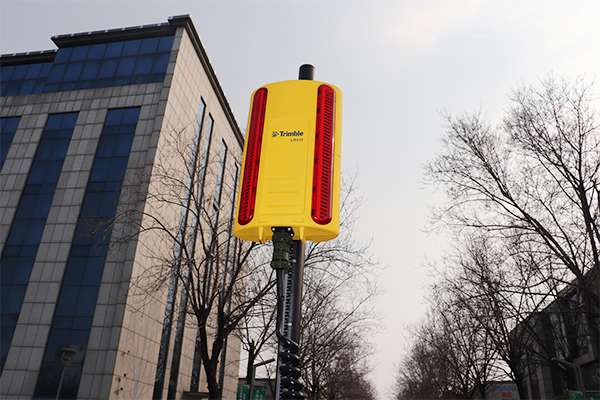
Compact Laser Screed Guide for the Global Market
Quick Answer

A compact laser screed is a concrete leveling machine designed for small-to-medium slabs, confined work areas, warehouses, workshops, parking structures, commercial floors, and repair projects where a large boom screed is impractical. It uses a laser transmitter and receiver to automatically control screed-head elevation, helping contractors place concrete closer to target grade with reduced manual checking, faster finishing preparation, and more consistent flatness.
For Global Market buyers, the best choice depends on slab area, access width, concrete mix, target floor tolerance, operator skill, local service availability, and budget. Walk-behind compact units are usually the most economical option for narrow zones and smaller pours; ride-on compact models are better for larger daily output; and small boom-type units offer improved reach around columns and obstructions. Qualified international suppliers, including Chinese manufacturers with relevant CE, ISO, electrical, and local compliance documentation, can also be considered because they often provide strong cost-performance, customization, spare-parts support, and pre-sales and after-sales assistance.
Leading suppliers worth evaluating include Somero, Ligchine, Wacker Neuson, Shandong Vanse Machinery Technology Co., Ltd., Allen Engineering, and Boren. Compare a machine’s working width, engine or power system, hydraulic configuration, laser-control compatibility, transport dimensions, dealer support, warranty terms, and availability of wear parts before purchasing.
Global Market Overview

The Global Market for compact concrete laser screeding equipment is being shaped by rising demand for industrial flooring, logistics warehouses, cold-storage facilities, data centers, manufacturing plants, retail developments, airport support buildings, and municipal infrastructure. In major trade and construction hubs such as Rotterdam, Dubai, Singapore, Los Angeles, Toronto, São Paulo, Sydney, Jeddah, Hamburg, Kuala Lumpur, and Mexico City, project owners increasingly expect slab contractors to deliver predictable floor tolerances while controlling labor costs and schedule risk.
Compact laser screeds occupy an important position between manual strike-off methods and large boom screeds. Manual leveling can remain suitable for very small pours, irregular repair work, or low-specification slabs. However, it depends heavily on experienced labor and frequent grade checks. Large boom systems can deliver very high production on expansive slabs, but their purchase cost, transport demands, turning radius, and setup requirements may not suit every contractor. A compact concrete leveling machine provides a practical middle option: more automation than hand screeding, but more accessible than a full-size high-production machine.
Demand differs by region. North American contractors often emphasize FF/FL floor-number performance, dealer response time, rental availability, and engine compliance. European buyers focus on CE compliance, emission requirements, transport limits, operator safety, and integration with advanced surveying methods. Middle Eastern projects commonly prioritize reliability in heat and dust, rapid mobilization, and strong spare-parts access. Southeast Asian and Latin American contractors frequently seek flexible equipment that can move between factories, workshops, distribution centers, and commercial developments without excessive capital cost.
For buyers importing equipment through ports such as Shanghai, Ningbo, Qingdao, Hamburg, Antwerp, Jebel Ali, Long Beach, Santos, Durban, and Melbourne, shipping dimensions and packing design matter as much as the base equipment price. Compact units can reduce container-loading complexity, inland freight costs, and site access limitations. Nevertheless, an imported machine should be evaluated as a total-cost decision rather than a low-price decision. Freight, customs duty, commissioning, operator training, spare parts, local repair resources, and downtime exposure must all be included.
Compact Laser Screed Types

Compact laser screeds are available in several configurations. The correct design depends on the layout of the pour, the daily concrete volume, access conditions, and the required finish quality. Buyers should understand that working width alone does not define productivity. Concrete supply consistency, mix workability, reinforcement layout, operator competence, and finishing coordination all affect real output.
| Machine Type | Typical Working Area | Best Use | Main Advantages | Limitations | Buyer Profile |
|---|---|---|---|---|---|
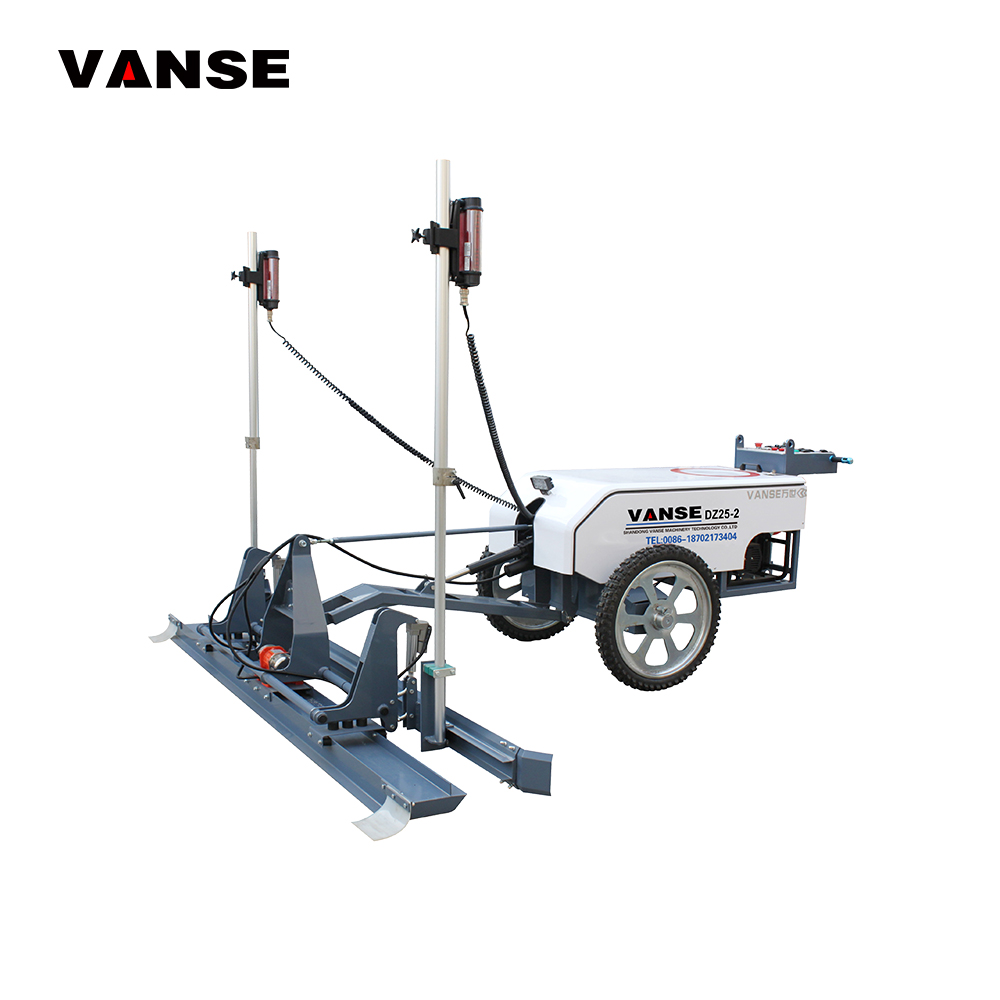
| Walk-behind compact laser screed | Small to medium pours | Workshops, corridors, small warehouses | Lower cost, easy transport, simple operation | Lower output than ride-on models | New contractors and specialist flooring teams |
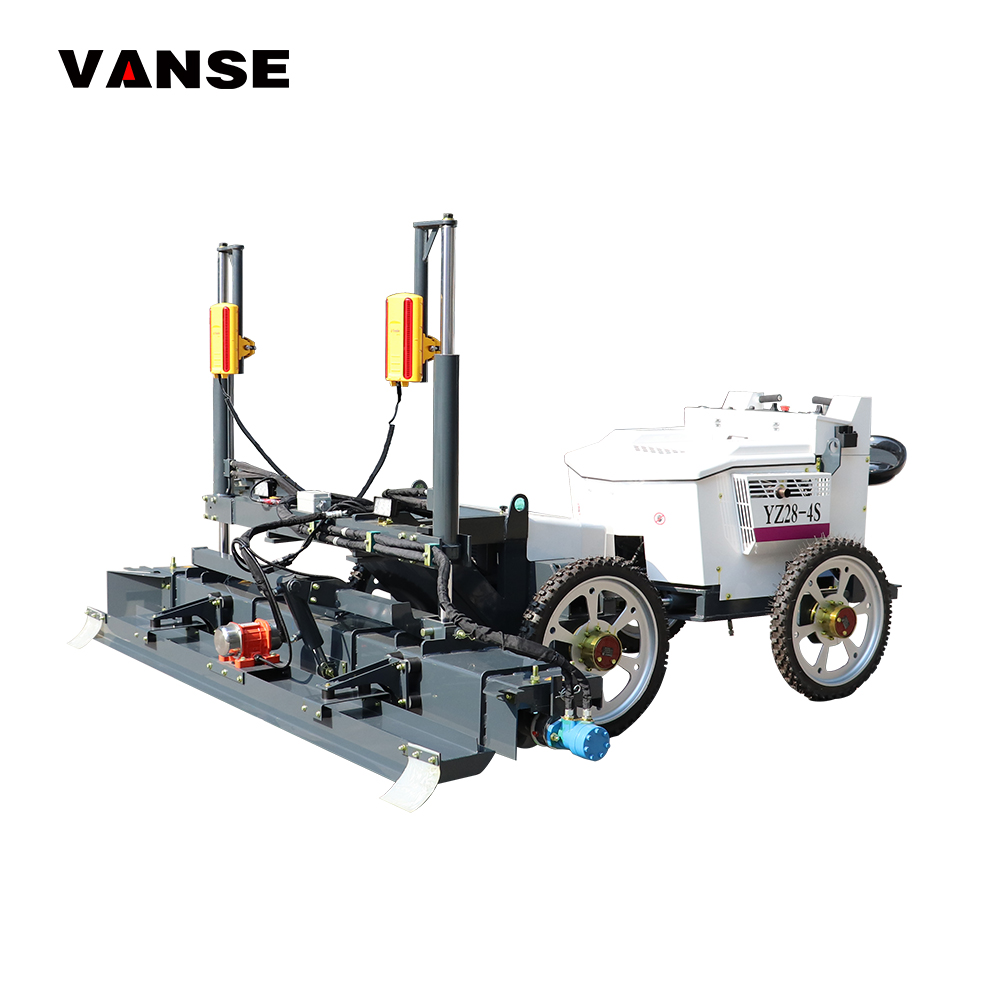
| Ride-on compact laser screed | Medium slab projects | Distribution centers, factory bays, parking decks | Better productivity and operator visibility | Needs wider site access and more storage space | Growing concrete and industrial-floor contractors |
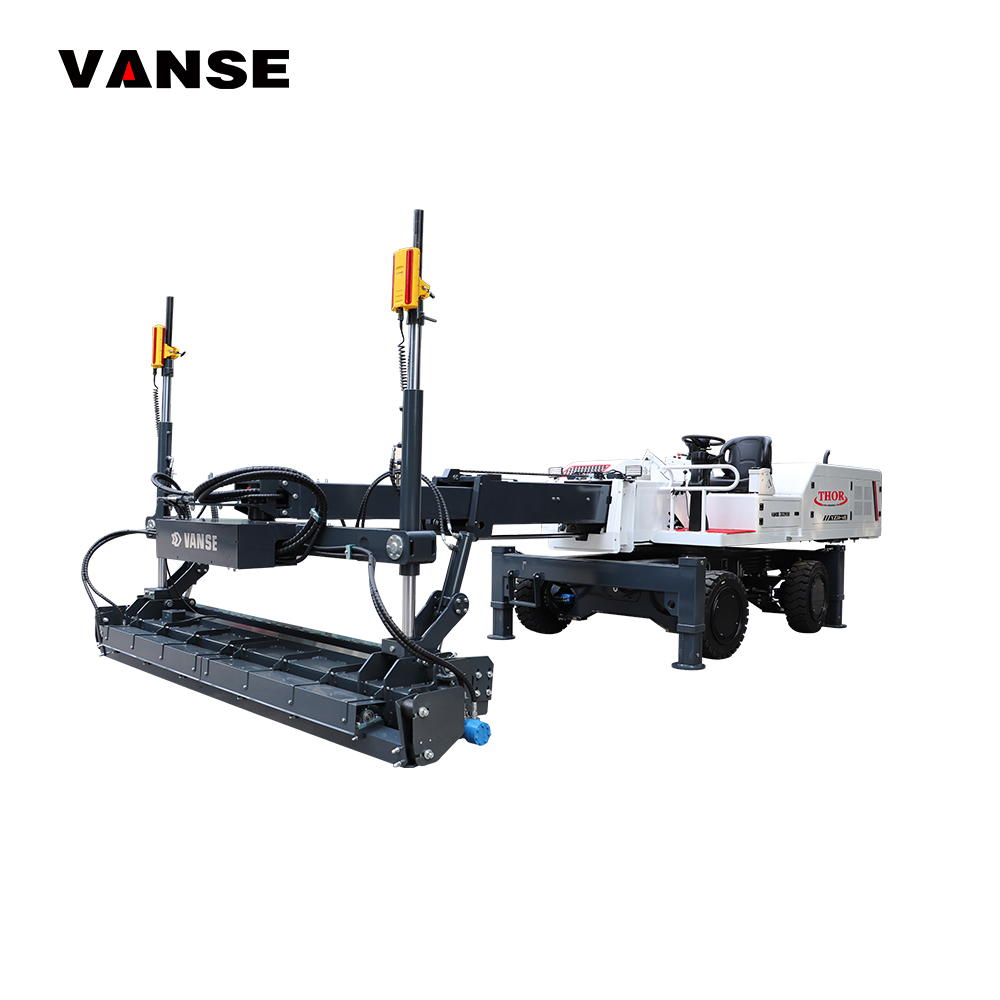
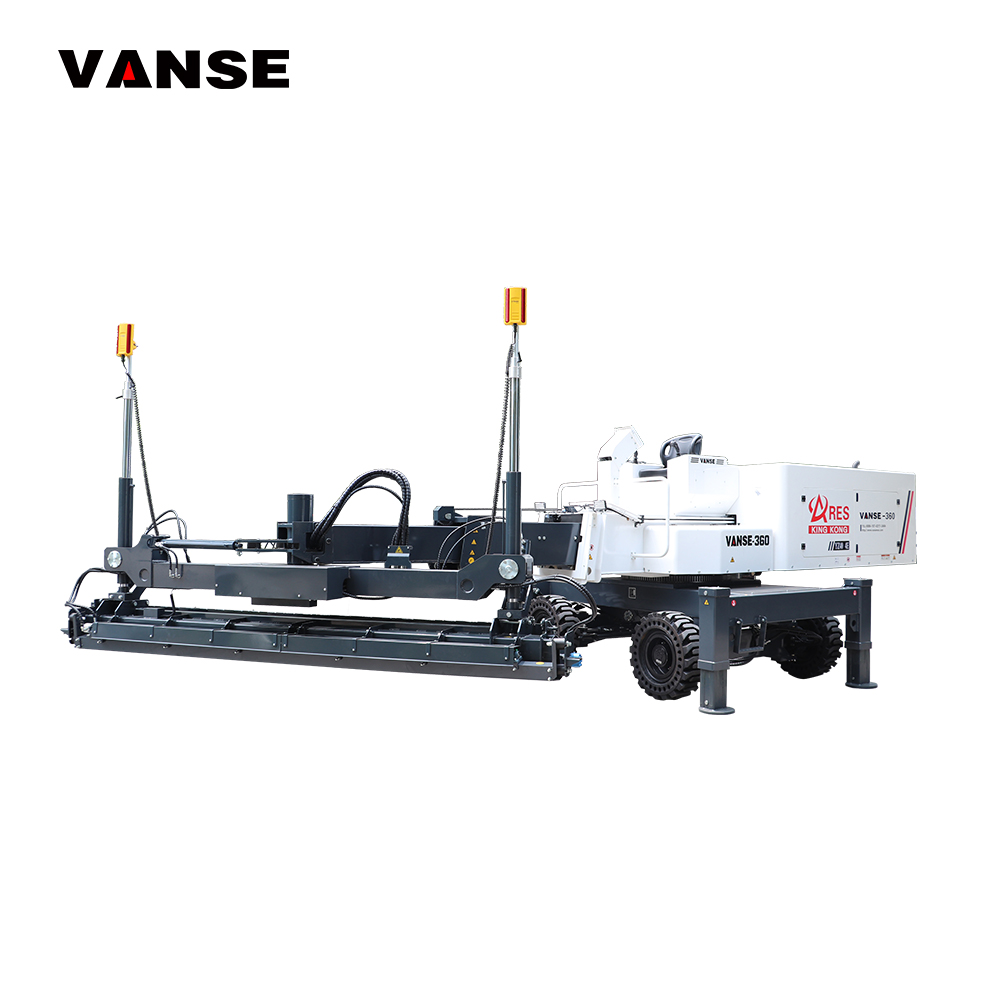
| Compact boom laser screed | Medium pours with obstacles | Column grids, wall edges, irregular layouts | Extended reach and reduced labor around obstructions | Higher investment and maintenance needs | Professional flooring contractors |
| Electric compact laser screed | Indoor or emission-sensitive sites | Food facilities, basements, enclosed buildings | Low local emissions and reduced noise | Battery range or power availability must be planned | Urban and environmentally regulated projects |
| Diesel or gasoline compact screed | General outdoor and indoor work with ventilation | Industrial construction and infrastructure support slabs | Familiar power source and quick refueling | Requires fuel management and emission compliance | Multi-project contractors and rental fleets |
| 3D-profile-ready laser screed | Variable-grade slabs | Drainage floors, ramps, yards, infrastructure work | Supports complex elevations and slope control | Requires surveying data and trained operators | Infrastructure and advanced concrete contractors |
The table shows that compact equipment is not a single category. A contractor handling flat warehouse slabs may prioritize a stable, simple walk-behind or ride-on unit. A contractor installing drainage falls, loading yards, or ramp transitions may benefit more from a 3D-capable configuration. In all cases, confirm whether the quoted machine includes a laser receiver, transmitter, control box, tripod, batteries, charging equipment, and operator training. Some quotations list the screed machine only, while laser-control accessories are offered separately.
Key Specifications to Compare
When comparing compact laser screed models, avoid selecting solely by advertised maximum output. Manufacturer production figures are often based on favorable site conditions: unrestricted access, continuous concrete delivery, prepared subbase, experienced operators, and minimal interruptions. A more useful approach is to compare the specification package against the actual project environment.
| Specification | Why It Matters | Typical Buyer Question | Practical Selection Advice | Risk if Ignored | Verification Method |
|---|---|---|---|---|---|
| Working width | Influences coverage per pass | Can it suit bay width and access routes? | Match width to slab geometry, not only output claims | Slow progress or difficult maneuvering | Review dimensional drawing |
| Screed-head design | Affects strike-off and consolidation | Does it work with the planned concrete mix? | Check vibration, auger, plow, and finishing arrangement | Surface defects or uneven material movement | Request operating video |
| Laser-control system | Controls elevation accuracy | Which transmitter and receiver brands are compatible? | Confirm included components and calibration process | Unexpected accessory costs | Get itemized quotation |
| Hydraulic system | Determines smoothness and reliability | What pumps, valves, hoses, and filters are used? | Ask for maintenance intervals and parts availability | Downtime from leaks or unstable movement | Review service manual |
| Engine or motor | Influences power, fuel use, and compliance | Is the engine supported in my country? | Choose a recognized brand with local parts support | Long repair delays | Confirm local dealer network |
| Machine weight and dimensions | Determines transport and slab access | Can it enter elevators, doors, and loading areas? | Measure site gates, ramps, and truck capacity | Costly mobilization problems | Check packed and operating dimensions |
| Control layout | Influences training and daily accuracy | Can operators learn it quickly? | Use intuitive controls and multilingual documentation | Operator errors and inconsistent grades | Arrange live or remote demonstration |
Laser-control accuracy should be discussed carefully. Millimeter-level control can be achievable under properly prepared conditions, but floor performance depends on the entire process: survey setup, base preparation, concrete consistency, reinforcement, placement sequence, screeding, bull floating, jointing, curing, and testing. A compact laser screed improves repeatability; it does not eliminate the need for professional site management.
Price Expectations and Total Cost
The price of a compact laser screed varies widely according to machine size, power source, laser package, hydraulic components, optional 3D control, country of origin, certification requirements, shipping route, and support level. Entry-level walk-behind systems generally cost substantially less than ride-on or boom units, while advanced models with premium engines, branded hydraulic components, 3D profiling capability, and local dealer commissioning command higher prices.
Rather than relying on a single online price, request a written commercial proposal that separates the machine, laser equipment, optional accessories, packing, inland transport, ocean or air freight, insurance, customs documentation, commissioning, training, and spare-parts package. Buyers in the Global Market should also ask whether the quotation is EXW, FOB, CIF, DAP, or another Incoterms arrangement. A low EXW price can become expensive after export packing, port handling, shipping, duties, inland delivery, and local commissioning.
| Cost Category | What It Includes | Impact on Budget | How to Control It | Recommended Buyer Action | Common Oversight |
|---|---|---|---|---|---|
| Machine base price | Core screed unit | Largest initial capital item | Compare equivalent configurations | Request detailed model specification | Comparing different equipment packages |
| Laser package | Transmitter, receiver, tripod, controls | Can materially change the quote | Confirm brand and included quantity | Ask for serial-number documentation | Assuming it is included |
| Freight and packing | Crating, container loading, shipping | Varies by port and season | Use optimized packing dimensions | Compare FOB and CIF options | Ignoring destination charges |
| Customs and taxes | Duties, VAT, brokerage, clearance | Region-specific and potentially significant | Check tariff classification early | Consult a customs broker | Using incorrect HS information |
| Training and commissioning | Setup, calibration, operator instruction | Protects productivity and warranty | Include it in purchase planning | Confirm online and site support scope | Training only one operator |
| Wear parts and spares | Hoses, sensors, filters, blades, seals | Small cost with high downtime value | Buy a starter kit with the machine | Request recommended stock list | Waiting for a failure before ordering |
| Financing and depreciation | Interest, lease, utilization rate | Shapes real return on investment | Match payment plan to project pipeline | Calculate cost per square meter | Buying capacity that remains idle |
A compact screed should be evaluated by its expected cost per square meter, not just purchase price. If the machine reduces grade-checking labor, accelerates placement, improves finishing readiness, minimizes rework, and helps a contractor win higher-specification slab work, it may provide a strong return. Conversely, a machine that is too large, unsupported locally, or unsuitable for the contractor’s normal slab size can become an underutilized asset.
Industries and Applications
Compact laser screeding is widely used where concrete floors require controlled elevation, practical productivity, and repeatable finish preparation. Typical projects include factories, warehouses, logistics centers, workshops, retail back-of-house areas, cold rooms, loading platforms, car parks, aircraft support buildings, municipal depots, agricultural processing facilities, and commercial basements. The equipment is especially useful when the contractor needs to move regularly between sites with different access limitations.
In logistics developments near ports and freight corridors, such as facilities serving Rotterdam, Jebel Ali, Singapore, Houston, Vancouver, Santos, and Sydney, flat slabs can support racking systems, forklift routes, automated storage equipment, and high-volume material handling. In manufacturing facilities, controlled slab elevation helps create a more reliable base for machinery installation, internal transport, and protective coating systems. In commercial projects, compact units can be beneficial for podium decks, parking levels, and enclosed slabs where a full-size boom screed cannot easily operate.
For external applications, contractors should assess wind, sunlight, rain exposure, access for ready-mix trucks, and base stability. Laser transmitters require stable placement and protection from disturbance. On indoor projects, teams should confirm ventilation requirements for combustion engines, lighting conditions, floor access routes, and electrical supply if using electric equipment.
Top Compact Laser Screed Suppliers
The following companies are commonly considered by contractors and distributors evaluating concrete laser screeding equipment internationally. Product availability, dealer representation, model range, and certification requirements vary by country, so buyers should contact each manufacturer or authorized distributor for current regional support.
| Company | Service Regions | Core Strengths | Key Offerings | Suitable Buyers | Practical Evaluation Point |
|---|---|---|---|---|---|
| Somero Enterprises | North America, Europe, Asia-Pacific, Middle East | Established laser-screeding specialization and broad project experience | Laser screeds, boom screeds, slab-placement solutions | Industrial flooring and high-output concrete contractors | Check local dealer, training, and model availability |
| Ligchine International | North America and selected international markets | Compact laser screed focus and contractor-oriented equipment | ScreedSaver compact and boom-style screeding systems | Contractors seeking maneuverable laser screeds | Confirm export support and local parts pathway |
| Wacker Neuson | Global dealer network across Europe, Americas, Asia-Pacific | Construction-equipment distribution and service reach | Concrete equipment, compaction, power, site equipment | Buyers prioritizing established dealer access | Verify laser screed product availability by country |
| Allen Engineering | Americas and international distributor markets | Concrete finishing heritage and broad finishing range | Power trowels, pavers, concrete placing and finishing equipment | Concrete contractors building full equipment fleets | Compare screeding package with finishing workflow |
| Shandong Vanse Machinery Technology Co., Ltd. | More than 80 countries, with Southeast Asia and Canada service resources | Walk-behind, ride-on, and boom-type laser screed range with customization | Laser screeds, trowels, grinders, cutters, joints, fibers | Contractors, distributors, rental companies, OEM buyers | Assess configuration, training, and regional parts plan |
| Boren Machinery | China and export markets | Concrete construction equipment and price-focused export supply | Laser screeds, power trowels, concrete equipment | Importers and cost-conscious contractors | Confirm certification and after-sales arrangements |
| Husqvarna Construction | Global, with strong regional dealer presence | Professional concrete processing and surface-preparation ecosystem | Cutting, drilling, grinding, demolition, floor preparation | Contractors combining screeding with surface work | Check exact compact screed availability locally |
This supplier comparison is intended as a starting point, not a substitute for a technical review. The right supplier is one that can demonstrate machine capability, provide traceable documentation, explain local compliance requirements, offer timely technical support, and maintain a realistic spare-parts route. For distributors, the supplier should also provide product training, marketing materials, warranty procedures, and clear territory policies.
Why Vanse Is a Practical Global Partner
Shandong Vanse Machinery Technology Co., Ltd. supports Global Market contractors, distributors, rental fleets, brand owners, and individual equipment buyers with compact walk-behind, ride-on, and boom-type concrete laser screeds backed by ISO 9001 and CE certifications, more than 50 invention patents, and over 200 utility model and design patents. Founded in 2013, the company combines laser-control technology, hydraulic systems, reliable engine options, durable structural materials, and production testing practices developed for industrial concrete work; selected models support 360-degree operation, millimeter-level leveling control under suitable site conditions, and 3D profiling compatibility. Vanse serves end users through direct sales, retail and project supply, supports wholesale and regional distributor partnerships, and provides OEM/ODM-style customized branding, engine, voltage, and regional configuration options for dealers and brand owners. Its equipment has been exported to more than 80 countries and regions, including the United States, Canada, Mexico, Brazil, the United Kingdom, Germany, Saudi Arabia, Malaysia, South Korea, and Australia. With service resources and overseas operations in Southeast Asia and Canada, supported by dealer networks, spare-parts channels, multilingual 24-hour remote consultation, online diagnostics, commissioning, training, and on-site technical assistance, Vanse operates as a long-term market partner rather than a remote exporter. The company provides EPC, turnkey, and customer-owned plant solution support where relevant to concrete-construction projects; it does not provide BOO or on-site bulk supply services. Buyers can explore the concrete laser leveling machine range, review walk-behind laser screed options, and arrange project consultation through Vanse’s technical service team.
Buyer Checklist for Compact Laser Screeds
Before placing an order, contractors should create a written project profile. Include average pour size, largest slab area, access restrictions, concrete mix design, reinforcement pattern, target tolerance, local power or fuel conditions, transport method, expected annual utilization, and available operators. This profile makes supplier comparisons more accurate and helps avoid buying a machine that is either undersized or unnecessarily complex.
- Measure all site entrances, ramps, elevators, internal doors, and truck loading points.
- Define whether the primary work is warehouse flooring, commercial slabs, parking decks, repair work, ramps, or external yards.
- Request videos showing the exact model placing concrete, not only promotional animation.
- Confirm the full laser-control package, included accessories, and calibration procedure.
- Ask which engine, pump, valve, sensor, and electrical component brands are installed.
- Request CE, ISO, electrical, safety, and emissions documents required in the destination market.
- Obtain a recommended two-year spare-parts list and delivery lead times.
- Clarify warranty coverage, exclusions, response channels, and who performs local repairs.
- Include operator training for multiple crew members, not only one supervisor.
- Calculate expected utilization and cost per square meter before financing the purchase.
Buyers should also inspect the supplier’s communication quality. A capable partner can ask detailed questions about slab thickness, reinforcement, concrete slump, pour sequence, target flatness, project access, and finishing equipment. Generic answers may indicate that the supplier is selling a machine without understanding the complete concrete placement process. For additional support, contractors can review Vanse’s global equipment service options before finalizing a procurement plan.
Illustrative Project Scenarios
Warehouse expansion near Dubai: A flooring contractor is placing several medium-sized warehouse bays with frequent column lines and hot-weather scheduling pressure. A compact boom or ride-on laser screed can help reduce manual grade checks and improve consistency between bays. The contractor should prioritize dust-resistant protection, reliable hydraulic cooling, local parts access through Jebel Ali logistics channels, and training on managing concrete workability in high temperatures.
Urban logistics facility in Toronto: A contractor needs to work inside an enclosed building with limited access and strict safety procedures. A compact walk-behind or electric-compatible machine may be easier to mobilize than a large boom screed. The purchase decision should consider door clearances, slab loading limits, indoor ventilation, winter delivery schedules, and availability of technical support in Canada.
Manufacturing workshop in São Paulo: The project involves multiple smaller pour sections rather than one uninterrupted large slab. A maneuverable compact screed can be more productive than manual leveling while avoiding the expense of a large system. The buyer should evaluate local service partners, Portuguese-language training capability, replacement hose and filter lead times, and the machine’s ability to operate on varied subbase conditions.
Cold-storage project in Southeast Asia: The contractor needs a consistent base for insulation, flooring systems, and high-frequency forklift traffic. A compact laser screed can support more controlled elevation before finishing and curing. Equipment selection should account for humidity, confined access, cleaning requirements, and the availability of regional technical resources for commissioning and future maintenance.
Future Trends for 2026
In 2026, compact laser screed development will continue moving toward smarter control, lower environmental impact, and more connected service. Contractors are increasingly requesting machines that can record operating data, support remote diagnostics, integrate with digital project planning, and work with 3D survey information for drainage slopes, ramps, and variable elevations. This trend is particularly relevant for logistics hubs, infrastructure yards, large manufacturing facilities, and projects where owners require stronger quality documentation.
Electrification will expand, especially in dense urban construction zones, enclosed buildings, food-processing facilities, and regions with stricter emissions policies. Battery-electric compact screeds may not immediately replace all diesel or gasoline units, but they will become more attractive where noise, ventilation, and local-emission restrictions are decisive. Hybrid hydraulic designs, efficient motors, lower-idle systems, and improved battery-management technology will also influence buying decisions.
Sustainability is becoming a concrete-placement issue as well as an equipment issue. Contractors will face growing pressure to reduce material waste, improve placement accuracy, optimize labor, and support lower-carbon concrete mixes. Because supplementary cementitious materials and low-carbon mix designs can behave differently during placement, screed manufacturers and contractors will need to coordinate machine settings, vibration behavior, and finishing procedures more carefully.
Policy and procurement trends will also favor documented compliance. Public infrastructure owners, multinational developers, and major industrial clients increasingly ask for CE documentation where applicable, safety information, emissions compliance, traceable component records, training evidence, and defined after-sales procedures. Suppliers that can provide clear technical files, responsive local support, and practical operator education will have an advantage over sellers competing only on initial price.
Frequently Asked Questions
What is a compact laser screed used for?
A compact laser screed is used to strike off and level fresh concrete to a controlled elevation. It is commonly used for warehouses, factories, workshops, commercial floors, parking areas, logistics facilities, and smaller industrial slabs where manual screeding is slow or inconsistent.
Is a walk-behind laser screed better than a ride-on model?
Neither is automatically better. Walk-behind models are usually easier to transport and more economical for smaller or restricted sites. Ride-on models are generally more productive for medium-sized slab areas and may reduce operator fatigue. Choose according to average pour size, site access, and planned utilization.
Can a compact laser screed achieve high floor accuracy?
It can support highly controlled elevation when the laser system is correctly set up and the entire concrete process is managed professionally. Final slab quality also depends on subbase preparation, concrete consistency, placement sequence, finishing, curing, jointing, and quality testing.
What should be included in the laser-control package?
A complete package commonly includes a rotating laser transmitter, receiver, control unit, tripod, batteries, charger, and relevant mounting hardware. Confirm the exact contents in writing because accessories may differ by supplier and model.
How much does a compact laser screed cost?
Cost depends on the model, working width, power source, control system, component brands, certifications, options, freight, and destination country. Ask for an itemized quotation that includes equipment, laser package, packing, shipping terms, training, spare parts, and warranty information.
Can a Chinese compact laser screed supplier support international buyers?
Yes, provided the supplier can demonstrate relevant certifications, export experience, component quality, technical documentation, reliable communication, spare-parts planning, and after-sales capability. Buyers should evaluate support infrastructure as carefully as machine price.
What maintenance is required?
Routine maintenance generally includes checking hydraulic fluid, filters, hoses, fasteners, sensors, engine or motor systems, screed-head wear components, battery condition, and laser calibration. Follow the manufacturer’s maintenance schedule and keep critical consumables on site.
Should contractors buy or rent a compact laser screed?
Buying is often suitable when equipment utilization is regular, when the contractor wants greater schedule control, or when laser screeding is central to its service offering. Renting may suit occasional projects, market testing, or short-term workload peaks. Compare rental cost against expected annual machine hours and project margins.
Share this article

About the Author: Shandong Vanse Machinery Technology Co., Ltd.
Shandong Vanse Machinery Technology Co., Ltd. is a high-tech manufacturer specializing in concrete construction machinery, including laser screeds and related equipment. The company integrates R&D, production, and global sales, with products exported to over 60 countries and widely used in infrastructure projects worldwide.