Technical Knowledge
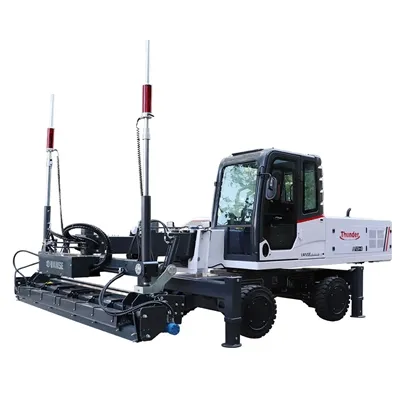
How does the concrete laser leveling machine ensure the construction effect and ground flatness?
1. High-precision sensor:
The concrete laser leveling machine is equipped with a high-precision sensor that can monitor the height and level of the concrete surface in real time. By comparing it with a preset elevation, the sensor can precisely control the movement and lifting of the leveling to ensure the smoothness of the concrete surface.
2. Automated control system:
The concrete laser leveling machine adopts an automated control system, which can achieve precise control and intelligent adjustment. The control system can automatically adjust the operating status of the leveler, including speed, vibration frequency, etc., based on sensor feedback data to adapt to different ground conditions and ensure construction results.
3. Advanced working principle:
The concrete laser leveling machine uses laser technology for positioning and calibration. The laser beam emitted by the laser transmitter is received by the sensor through the receiver to form an accurate reference plane. The leveling machine automatically adjusts the working height and direction according to this reference plane to ensure the flatness and elevation accuracy of the concrete surface.
4. Efficient vibration system:
The concrete laser leveling machine is equipped with an efficient vibration system, which uses high-frequency vibration to evenly vibrate the concrete material and smooth the surface. The vibration system can adjust the amplitude and frequency as needed to adapt to different concrete types and thicknesses, improving construction results and smoothness.
5. Professional operators:
Professionals who operate concrete laser leveling machines have been trained and are familiar with machine performance and operating techniques. They can adjust machine parameters according to actual conditions, choose appropriate construction methods, and master the correct operating procedures to ensure construction effects and ground flatness.
To sum up, the concrete laser leveling machine ensures the construction effect and ground flatness through the combined effect of high-precision sensors, automated control systems, advanced working principles, efficient vibration systems and professional operators. The combined use of these technical means makes the concrete laser leveling an efficient and precise construction equipment that can meet the flatness requirements under various ground conditions.

Thanks to All the Friends Who Support and Trust Shandong Vanse Machinery Technology Co., Ltd.
If you want to know more about Shandong Vanse Machinery Technology Co., Ltd. or have any questions, please feel free to contact us:
Our Factory
Shandong Vanse Machinery Technology Co., Ltd.








Share this article

About the Author: Shandong Vanse Machinery Technology Co., Ltd.
Shandong Vanse Machinery Technology Co., Ltd. is a high-tech manufacturer specializing in concrete construction machinery, including laser screeds and related equipment. The company integrates R&D, production, and global sales, with products exported to over 60 countries and widely used in infrastructure projects worldwide.
Previous Post
Next Post
Related Articles
You Might Also Like
FF 100 / FL 60 ultra-smooth floor: The complete schedule table of the laser leveling machine + ride-on trowel + topping spreader
Why This Combination Matters Achieving FF 100 / FL 60 isn't about one miracle machine – it's about the right sequence at the right time. The combination of a laser leveling machine, a ride‑on power trowel, and a topping spreader is what transforms a normal floor into an ultra‑smooth, high‑flatness slab. I've put together the complete schedule below, based on how the best teams I know run their pours. No theory – just what works on site. This table follows a single pour from placement through to joint cutting. Times are referenced from the moment the concrete hits the deck. Adjust for ambient temperature, wind, and mix design, but the sequence stays the same. Time After Placement Operation Equipment Used Key Targets & Checks 0:00 – 0:20 Concrete placement & rough leveling Laser leveling machine (ride‑on or walking type) Hit design elevation ± 3mm; no low spots that trap bleed water 0:20 – 0:45 Laser re‑leveling (if needed) Laser leveling with fine‑tune box Double‑pass over column lines and perimeter edges where settlement occurs 0:45 – 1:30 Wait on bleed water – Concrete must not be worked while bleed water is present; wait until surface looks matte, not glossy wet 1:30 – 2:30 First topping spread (2/3 of total dosage) Automatic topping spreader or manual spreader Even distribution; topping must absorb moisture from the slab before floating 2:30 – 3:30 First mechanical floating Ride‑on power trowel with float pans (48" to 60") Open the surface, embed topping, eliminate any remaining low spots 3:30 – 4:30 Second topping spread (1/3 of dosage) Topping spreader This layer fills any small voids and evens out the surface color 4:30 – 5:30 Final floating & close surface Ride‑on power trowel with float pans or combo blades Surface should be tight enough that foot pressure barely leaves a mark 5:30 – 7:00 Rest period – check bleed & surface condition – If you see moisture coming back, wait; don't close the surface over trapped water 7:00 – 9:00 First finishing pass Ride‑on power trowel with finishing blades Slowly increase blade pitch; use lower rotor speed to avoid tearing 9:00 – 11:00 Intermediate finishing passes (2‑3 times) Ride‑on power trowel with finishing blades Incrementally increase pitch each pass; look for a uniform "velvet" surface 11:00 – 13:00 Final finishing – high‑pitch burnishing Ride‑on power trowel (experienced operator only) High blade pitch, high speed – produce the final dense, glossy surface Within 1 hour of finishing Quality check – FF/FL measurement Dipstick, F‑meter, or profilograph Confirm FF ≥ 100 / FL ≥ 60 before curing compound goes on Immediately after pass Apply curing compound Low‑pressure sprayer, two even coats Full coverage; no puddles; re‑apply over saw cuts later 4‑12 hours after finishing Green saw cutting Early‑entry saw or soft‑cut saw Cut depth ≥ 1/3 slab thickness; follow pre‑planned joint layout 24 hours + Protection & cold weather provisions Insulated blankets or plastic sheeting if cold Maintain slab temperature above 10°C for first 72 hours Laser Leveling – The Foundation If the laser leveling leaves the surface more than 3mm out of plane, no amount of troweling will salvage FF 100. The key is a tight initial grade. I always run the laser receiver on a 900mm mast and double‑check the elevation after the first pass, especially over conduit trenches or at the edges of the pour where the leveling tends to sink slightly. A lot of teams search for laser leveling superflat floor schedule looking for exactly this: the order of operations before the trowels even start. Wait‑on‑Bleed – The Discipline This is where impatient teams lose their FF number. The moment you see someone floating concrete that's still shiny, you know they'll be chasing low spots all night. The surface must go dull – no standing water, no glossy patches. On a cool, humid day, this wait might stretch to 2 hours; on a hot, dry day, it might be 45 minutes. The rule: don't work the surface until it can absorb the topping, because the topping is part of the flatness system. Topping Spreader – Building the Wear Surface An automatic topping spreader ensures uniform dosage, which is critical for both wear resistance and consistent surface color. If you spread manually, use a calibrated bucket and work in two directions. The first 2/3 of the topping is designed to draw moisture from the slab; the remaining 1/3 fills the small imperfections left after floating. Search‑wise, buyers also look for topping spreader ride‑on trowel combination and floor hardener application schedule – so we're answering both searches in one place. Ride‑On Trowel Work – The Heart of FF/FL This is where the machine quality can make or break your numbers. When you run a large ride‑on power trowel, you need consistent blade pitch control and absolutely no vibration at high speeds. The VANSE VS‑series ride‑on power trowels, for example, are built with heavy‑duty gearboxes that maintain blade alignment through multiple finishing passes. No skipping, no chatter – just uniform densification. I'll say this plainly: you cannot achieve FF 100 with a machine that shakes or won't hold pitch. The team on site needs confidence that every pass is improving the surface, not tearing it. After the final burnishing pass with high‑pitch blades, the surface should look uniformly dense – almost like polished stone – with no visible blade marks running off‑track. Curing and Cutting – Protecting the Investment A perfect FF/FL floor will still crack if cutting is delayed or the curing compound is applied unevenly. The joint layout should be pre‑planned with spacing around 2.5m to 3.5m for 150‑200mm slabs. With the dense finish a ride‑on trowel creates, a green saw cut within the first 4‑12 hours is best; don't wait overnight. Search volume for superflat floor saw cut timing remains high, so smart contractors are paying attention to this step. If you're kitting out a team– here's the complete setup I'd recommend for an ultra‑smooth floor operation: Laser Leveling Machine – ride‑on or walking type with a fine‑adjust leveling box. Absolute accuracy at this stage is non‑negotiable. Automatic Topping Spreader – keeps dosage uniform and speed fast enough to match the pour. Large Ride‑On Power Trowel – at least 46" pan, heavy enough to densify, with precise blade pitch control. VANSE VS models fit naturally here; they're designed for multi‑pass superflat finishing and built to handle long hours under load. Walk‑Behind Power Trowel – for edges, corners, and columns where the ride‑on can't reach. A 24‑inch machine like the VANSE VS424 with Honda engine makes tidy work of these areas without tearing the surface. Quality Control Kit – F‑meter or dipstick, floor straightedge, and a good lighting setup for final inspection. Early‑Entry Saw – essential to cut as soon as the concrete can support the operator, before random cracking starts. Buyers searching internationally are combining terms like FF100 floor equipment cost, superflat floor machine package, or laser leveling ride‑on trowel complete set. This section matches that intent exactly. Here's the simple version I give to new foremen: Place and laser‑level immediately. Don't let the concrete stiffen before it's at grade. Respect the bleed water. Wait it out completely. Spread topping in two stages. The first two‑thirds embeds into the slab; the last third finishes the surface. Float with pans, then finish with blades. Increase blade pitch gradually across 3‑4 finishing passes. The ride‑on trowel is your diamond tool. Feed it a good operator and it gives you FF 100; feed it vibration or a worn gearbox and it gives you callbacks. Measure before you cure. And cut while the slab is still "green." This schedule is designed to answer the cross‑section of searches real contractors make: superflat floor finishing schedule, topping spreader ride‑on trowel sequence, FF100 FL60 construction timeline, and more. It's written from the job site, for the job site. If you're building ultra‑smooth floors, this sequence gives you a fighting chance at the numbers – and the right equipment keeps you there consistently. Note: The parameters provided in this document are for reference only and are not mandatory. Due to differences in technical characteristics between different brands and models of laser levelers, please consult the manufacturer for a suitable solution before actual operation. This reference document assumes no responsibility for any issues arising from failure to follow the manufacturer's instructions.What else should we pay special attention to in the safe operating procedures of concrete laser leveling machines?
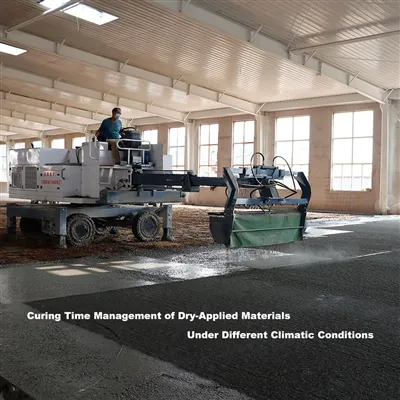
✔ Equipment inspection and preparation Before operating a concrete laser leveling, you must ensure that the equipment has been thoroughly inspected and is in good working order. The following are specific requirements for equipment inspection and preparation: 1. Equipment appearance inspection: Check whether the appearance of the leveler is intact and there is no obvious damage, deformation or rust. 2. Power system inspection: Check whether the fuel, lubricating oil and water levels are normal, and whether the engine starts and runs smoothly without abnormal sounds. 3. Laser system inspection: Ensure that the laser transmitter, receiver and control system are working properly, and the laser beam is stable and has no deviation or flickering. 4. Tire and track inspection: Check whether the tires or tracks are intact, whether the air pressure or tension meets the requirements, and whether there is any damage or excessive wear. 5. Safety protection device inspection: Check whether all safety protection devices, such as guards, safety switches, etc. are intact and installed correctly. 6. Electrical system inspection: Check whether electrical components such as cables, plugs, and sockets are intact and free of damage or aging. Special note: During the equipment inspection, if any abnormalities or failures are found, you must stop using it immediately and contact professionals for repair in a timely manner. ✔ Personnel training and safety Personnel operating concrete laser levelings must receive professional training and have corresponding operating skills and safety awareness. The following are specific requirements for personnel training and safety. 1. Professional training: Operators should receive operational training provided by manufacturers or professional training institutions to understand the structure, principles, operating procedures and safety precautions of the equipment. 2. Operating skills: Operators should be proficient in basic operating skills such as starting, stopping, adjusting, maintaining and maintaining equipment. 3. Safety awareness: Operators should have a high degree of safety awareness, understand potential safety risks, and know how to prevent and respond to these risks. 4. Wear protective equipment: Operators should wear protective equipment that meets the requirements during work, such as safety helmets, work shoes, gloves, etc. Special note: Personnel without professional training or without corresponding operating skills are strictly prohibited from operating the concrete laser leveling. ✔ Work environment assessment Before using the concrete laser leveling, the working environment must be evaluated to ensure that the equipment can work in a safe and stable environment. The following are specific requirements for a work environment assessment. 1. Ground conditions: Evaluate the flatness, hardness and stability of the working ground to ensure that the equipment can drive and work normally. 2. Climatic conditions: Pay attention to the climatic conditions of the work area, such as temperature, humidity, wind, etc., to ensure that the equipment can adapt to the current environment. 3. Traffic and obstacles: Assess the traffic conditions and obstacles in the work area to ensure that the equipment will not collide with other objects during driving and operation. 4. Power supply: Ensure a stable power supply in the work area to meet the needs of equipment charging or power supply. Special note: During the work environment assessment process, if any factors that may affect equipment safety or operating results are discovered, corresponding measures must be taken promptly to improve them. ✔ Safety during work During the operation, operators should strictly abide by operating procedures to ensure the safety of themselves and equipment. The following are safety requirements during operations: 1. Stay focused: Operators should stay focused at all times, pay close attention to the operating status of the equipment and the working environment, and promptly discover and deal with potential safety risks. 2. Standardized operation: Operators should start, drive, operate and stop the equipment in accordance with operating procedures. Child-violating operation or speeding is strictly prohibited. 3. Pay attention to the laser system: During the operation, the operator should always pay attention to the operation of the laser system to ensure that the laser beam is stable and guide the operation correctly. 4. Maintain a safe distance: During the operation, the operator should maintain a safe distance from the equipment and other personnel to prevent accidents such as collision or extrusion. 5. Timely shutdown and inspection: During the operation, if any abnormality or safety hazard is found in the equipment, the operator should immediately stop the machine for inspection and contact professionals for repair in a timely manner. Special note: During the operation, any behavior that violates operating procedures or may lead to safety accidents must be stopped immediately and corresponding measures must be taken to correct it. ✔ Maintenance and care In order to ensure the normal operation of the equipment and extend its service life, the equipment must be maintained and maintained regularly. The following are the specific requirements for maintenance and upkeep: 1. Regular cleaning: Clean the equipment regularly to remove dust and stains on the surface and keep the appearance of the equipment tidy. 2. Check and replace lubricating oil: Check and replace the lubricating oil of the equipment according to the manufacturer's recommended intervals and requirements to ensure the lubrication and normal operation of the equipment's moving parts. 3. Check and tighten connecting parts: Regularly check whether the connecting parts of the equipment, such as bolts, nuts, etc., are loose or damaged, and tighten or replace them in time. 4. Check the wear of tires and tracks: Check the wear of tires or tracks regularly. If the damage is serious, replace it in time. 5. Laser system calibration: Calibrate the laser system regularly to ensure the accuracy and stability of the laser beam. Special note: When performing maintenance and upkeep, the manufacturer's operating instructions and safety requirements must be followed to ensure the safety and effectiveness of the operation process. ✔ Emergency response When equipment malfunctions or emergencies occur, operators should quickly take appropriate emergency measures. During the operation of the concrete laser leveling, equipment failures, safety accidents or other emergencies may be encountered. Therefore, operators must have emergency response capabilities to ensure the safety of personnel and equipment. The following are the specific requirements and measures for emergency response: 1. Equipment fault handling: * Once a malfunction or abnormality is found in the equipment, the operator should stop it immediately and cut off the relevant power supply or power source. * Quickly assess the nature and possible scope of the fault, and take necessary precautions to prevent the fault from expanding or causing secondary accidents. * Notify equipment management personnel or professional maintenance personnel to come to the scene for troubleshooting and repair. Operators should cooperate with maintenance personnel in carrying out maintenance work. 2.Safety incident handling: * When a safety accident occurs, first ensure the safety of personnel, quickly evacuate the scene, and take necessary first aid and rescue measures. * Immediately report to superior management or relevant departments, and initiate emergency response procedures in accordance with the emergency plan. * Cooperate with the accident investigation team to conduct accident investigations, analyze the causes of accidents, propose corrective measures, and accept corresponding treatment. 3. Emergency handling: * In case of emergencies, such as natural disasters or emergencies such as fires and earthquakes, operators should stop the machine immediately and follow the emergency evacuation procedures in the emergency plan to ensure the safe evacuation of personnel. * Cut off the power supply of the equipment and other potential sources of danger to prevent the accident from expanding or causing secondary disasters. * Report emergencies to relevant departments in a timely manner and coordinate responses in accordance with the instructions of the emergency plan. ✔ Special Note: • Operators should be familiar with the contents of emergency plans and emergency response procedures, and conduct regular emergency drills and training to improve emergency response capabilities. • During emergency response, stay calm and decisive, follow the instructions in the emergency plan, and do not panic or act blindly. • During emergency response, priority should be given to ensuring the safety of personnel while minimizing equipment losses and environmental impact. ✔ Summary The safe operating procedures of concrete laser leveling machines are an important guarantee to ensure the safety and stable operation of the equipment and the safety of the operators. Through the specific requirements and measures described in this article for equipment inspection and preparation, personnel training and safety, working environment assessment, safety during operation, maintenance and emergency response, etc., we can effectively reduce the probability of safety accidents and protect personnel. life safety and improve the reliability and service life of equipment. Therefore, operators and managers should strictly abide by these procedures and continuously strengthen safety awareness training to ensure the safe and efficient operation of concrete laser leveling machines.Curing Time Management of Dry-Applied Materials Under Different Climatic Conditions
Under different climatic conditions, managing the curing of dry-applied materials (such as wear-resistant floor hardeners) is crucial for ensuring floor strength. Environmental temperature, humidity, and wind speed directly determine the rate of water evaporation and the efficiency of cement hydration reactions. The following are curing time management strategies for different climatic conditions: In this environment, water loss is extremely rapid, easily leading to cracking or delamination of the dry-applied material. Curing time management: Shorten the "water absorption waiting period" after dry application. Begin troweling immediately after the material darkens (indicating absorption of moisture from the base layer) to prevent the material from failing to bond with the base layer due to rapid water loss. Core operation: Increase spraying or use film curing to ensure stable dissipation of hydration heat. Low temperatures significantly slow down the hydration reaction of cement, leading to a substantial increase in curing time. Curing Time Management: Extend the monitoring period for initial and final setting times. When the temperature approaches 0°C, heating or insulation measures must be taken; otherwise, the dry-mix material may freeze and fail before complete curing. Key Operation: Strictly control the amount of dry-mix material to prevent premature cessation of bleeding from the base layer, which would prevent the material from being properly wetted. In high-humidity environments, water evaporation is extremely slow, and the surface tends to remain wet or even accumulate water for extended periods. Curing Time Management: Appropriately extend the time before using the power trowel to prevent premature finishing, which can lead to bubbles or peeling on the surface. Core Operation: Enhance ventilation to aid in water evaporation. If working outdoors, strictly monitor rainfall forecasts, as uncured material will be washed away by rain. Climate Types Water evaporation rate Curing speed Key Management Points Hot and dry Very high Very fast Prevent cracking, expedite construction, and ensure proper wet curing. Cold winters Very low Slow Strengthen insulation and prevent frost damage. Humid and rainy Low Slower Control the timing of finishing work and enhance ventilation. Note: The parameters provided in this document are for reference only and are not mandatory. Due to differences in technical characteristics between different brands and models of laser levelers, please consult the manufacturer for a suitable solution before actual operation. This reference document assumes no responsibility for any issues arising from failure to follow the manufacturer's instructions.