Technical Knowledge
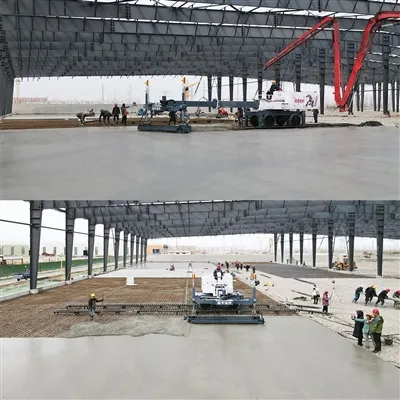
The tunnel concrete pavement adopts the entire construction technology of laser truss split roller paver
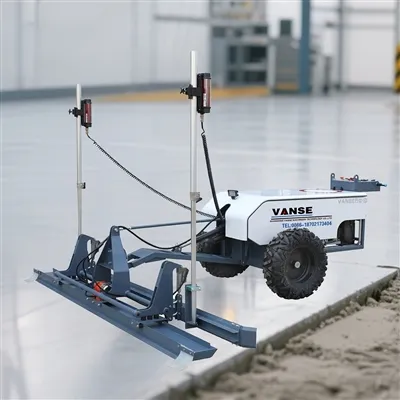
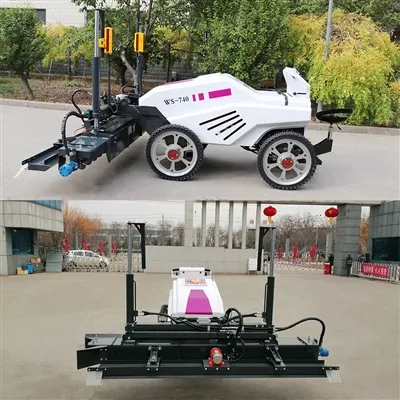
Concrete laser leveling: an important tool to improve construction efficiency
☑1. Introduction
In the field of construction engineering, concrete is the main building material widely used in various infrastructures and buildings. However, leveling concrete is a time-consuming and labor-intensive task. In order to improve construction efficiency and reduce labor costs and material waste, concrete laser leveling machines came into being. This advanced leveling equipment uses laser technology to achieve high-precision concrete leveling, providing an efficient and precise construction method for construction projects.
☑2. Precise control, one-time molding
The traditional concrete leveling method relies on the experience and technology of workers, and is prone to problems such as uneven flatness and rework. In contrast, the concrete laser leveling uses a laser transmitter and receiver, which can quickly and accurately detect the height difference on the concrete surface through high-precision laser ranging technology. The leveler adjusts the height of the scraper based on real-time detection data to achieve precise concrete leveling. By forming in one go, the need for rework and repetitive work can be significantly reduced, significantly improving construction efficiency.
☑3. Automated operation, saving manpower
Traditional concrete leveling work requires a lot of manual operations such as scraping, plastering, etc. These jobs are not only labor-intensive, but also require a large amount of manual labor. The concrete laser leveling machine adopts an automated control system to achieve continuous concrete laying and leveling work. Operators only need to make simple monitoring and adjustments during the operation of the equipment, which greatly reduces the need for manpower. Automated operations can not only save labor costs, but also improve the accuracy and consistency of construction, further improving construction efficiency.
☑4. Shorten construction time
Traditional concrete leveling methods take longer to complete the job because they require repeated scraping and plastering. The concrete laser leveling machine can significantly shorten the construction time through the advantage of one-time molding. In addition, since automated operations reduce the need for manual intervention, construction progress is further accelerated. Shortening construction time means faster project delivery and higher productivity, which is of great significance to construction companies.
☑5. Reduce material waste
Traditional concrete leveling methods tend to waste materials because they require multiple scrapings and plasters, resulting in excess concrete being discarded. Concrete laser levelings minimize material waste through precise control and high-precision measurement. It only needs to be laid and leveled once, reducing the need for rework and repetitive work, thus reducing the amount of concrete used. Reducing material waste not only helps reduce costs, but also contributes to environmental protection and sustainable development.
☑6. Conclusion
In summary, concrete laser leveling machines improve construction efficiency by precisely controlling automated operations, shortening construction time, and reducing material waste. As an advanced construction method, it brings many advantages and benefits to the field of construction engineering. With the continuous development and improvement of technology, concrete laser levelings will play a more important role in future construction projects. It not only improves construction efficiency, but also helps reduce costs, improve project quality, and has a positive impact on the development of the construction industry.


Thanks to All the Friends Who Support and Trust Shandong Vanse Machinery Technology Co., Ltd.
If you want to know more about Shandong Vanse Machinery Technology Co., Ltd. or have any questions, please feel free to contact us:
Our Factory
Shandong Vanse Machinery Technology Co., Ltd.








Share this article

About the Author: Shandong Vanse Machinery Technology Co., Ltd.
Shandong Vanse Machinery Technology Co., Ltd. is a high-tech manufacturer specializing in concrete construction machinery, including laser screeds and related equipment. The company integrates R&D, production, and global sales, with products exported to over 60 countries and widely used in infrastructure projects worldwide.
Previous Post
Next Post
Related Articles
You Might Also Like
How safe are concrete laser leveling machine?
The safety of concrete laser leveling machines is an important issue, involving the safety of operators and the equipment itself. Here is a 2,000-word analysis of the safety of concrete laser levelings: 1. Operation safety Operator training The operation of a concrete laser leveling requires professional skills and knowledge, so operators must receive sufficient training to understand how to operate the equipment, safe operating procedures, and measures to deal with emergencies. Operation of equipment by untrained personnel may result in equipment damage or personal injury. Operating environment The concrete laser leveling should be used in a dry, dust-free environment and avoid operation in humid, dusty or high-temperature environments. These environmental factors can cause equipment failure or affect the accuracy of the equipment. Equipment inspection and maintenance Before operation, you should check whether the concrete laser leveling machine is in good working condition, such as whether the laser is working normally, whether the control system is normal, whether the cables and plugs are damaged, etc. Any malfunction may cause the equipment to malfunction or cause danger. Wear personal protective equipment When operating a concrete laser leveling, the operator should wear appropriate personal protective equipment, such as protective glasses, gloves, etc., to prevent laser radiation, high temperature or mechanical damage. 2. Equipment safety Laser radiation Concrete laser levelings use lasers, so operators should have knowledge about laser radiation. Laser radiation may cause permanent damage to the eyes, so protective eyewear should be worn when using it. Additionally, lasers should use appropriate filters or diaphragms to reduce radiation intensity. High temperature The use of concrete laser leveling machines in high-temperature environments may cause the equipment to overheat, thus affecting the performance and service life of the equipment. Therefore, use of the device in high temperature environments should be avoided. Mechanical injury The concrete laser leveling may cause mechanical damage during operation, such as blade breakage, blade flying out, etc. Therefore, operators should wear personal protective equipment such as gloves and ensure that the equipment remains stable during operation. Power safety Concrete laser levelings use electrical power, so the power cord should be kept safe. The power cord should be kept away from areas with high temperature, moisture and mechanical damage, and the integrity of the power cord should be checked regularly. In addition, when using power supplies, you should ensure that the power sockets and cables comply with relevant standards and avoid overloading or short circuits. 3. Safety regulations and measures Safe operating procedures The safe operating procedures for concrete laser levelings should clearly stipulate operating steps, precautions and measures to deal with emergencies. Operators should fully understand and comply with these procedures. Safety signs and warning labels Clear safety signs and warning labels should be posted on the concrete laser leveling machine to remind operators to pay attention to safety matters. These identifications and labels should include the equipment's maximum operating range, maximum load, warning signs, etc. Safe isolation measures When operating a concrete laser leveling, appropriate safety isolation measures should be taken, such as the use of guardrails, protective nets, etc., to prevent non-operators from entering the work area and ensure the safety of the operator and other personnel. Emergency stop button The concrete laser leveling should be equipped with an emergency stop button to quickly stop the operation of the equipment in an emergency. Buttons should be located within easy reach and have clear markings and warning labels. Regular inspection and maintenance In order to ensure the safe performance of the concrete laser leveling, the equipment should be inspected and maintained regularly. This includes checking whether the mechanical components, electrical components, control systems and lasers of the equipment are working properly, as well as taking necessary maintenance measures, such as cleaning the equipment, lubricating components, etc. In addition, the accuracy and calibration parameters of the equipment should be checked regularly to ensure the accuracy and reliability of the equipment. 4. Summary The safety of the concrete laser leveling is an important issue, and the safety of the operator and the equipment itself needs to be fully considered. In order to ensure safety performance, a series of safety measures should be taken, including safety inspections before operation, wearing personal protective equipment, safety regulations and measures, etc. In addition, operators should receive adequate training to understand the performance and use of equipment, as well as measures to deal with emergencies. Only by comprehensively considering and taking appropriate safety measures can the safety performance and effectiveness of the concrete laser leveling machine be ensured.How to ensure safety when performing the concrete laser leveling machine maintenance?
During the maintenance of the concrete laser leveler, safety is the core premise. A full-process protection system must be established from four dimensions: personnel protection, equipment status, environmental control, and operating specifications to avoid risks such as mechanical injuries, electric shock, and falls. The following are the specific operating points: Preparation before maintenance is the first line of defense for safety. It is necessary to ensure that "people, machines, and the environment" are all in a safe initial state: Maintenance personnel must undergo professional training and be familiar with the equipment structure (such as laser transmitter, leveling scraper, hydraulic system), electrical principles and safe operating procedures. Unlicensed or non-professional operation is strictly prohibited. Head Protection: Wear an impact-resistant helmet to prevent injuries from falling equipment parts or tools. Hand Protection: Wear non-slip, wear-resistant gloves to avoid contact with sharp parts and oily surfaces. Wear insulating gloves when operating electrical equipment. Foot Protection: Wear impact-resistant and puncture-resistant safety shoes to prevent injuries from being crushed by the equipment or punctured by debris on the ground. Eye Protection: Wear goggles to prevent eye splashes when cleaning equipment dust or checking hydraulic fluid. Other: If welding or cutting is involved, wear a welder's mask and flame-retardant clothing. First, park the equipment on level, firm, and flat ground (to prevent it from sliding), shut off the engine, and remove the key. Disconnect the main power switch (battery switch or main power switch) and hang a "Maintenance in Progress, Do Not Close" warning sign at the switch. Lock the equipment if necessary (keys should be kept by maintenance personnel). Discharge residual energy from the equipment: For hydraulic systems, fully retract the cylinders by operating the joysticks to release hydraulic pressure. Pneumatic components should be depleted from their air tanks. Capacitive components should be discharged to prevent electric shock. Check that moving parts (such as leveling wheels and scrapers) are in the "non-operating" position. Use wedges to wedge the wheels if necessary (especially when performing maintenance on slopes to prevent the equipment from rolling). Clear the maintenance area of any obstructions (such as rebar, gravel, and tools). Designate a "safe work zone" of at least 1.5 meters, prohibiting unauthorized personnel from entering (warning tape or signs may be used). Check the environment for potential risks: Avoid performing electrical system maintenance in rainy or humid conditions (to prevent short circuits and electric shock). If performing maintenance in a confined space (such as an underground garage), ensure adequate ventilation (to prevent engine exhaust poisoning). Ensure adequate lighting (at least 50 lux) for nighttime maintenance. During maintenance, specific safety measures must be implemented based on the characteristics of the equipment's key systems (electrical, hydraulic, and mechanical): It is strictly forbidden to remove electrical components (such as the laser controller and junction box) while the device is energized. Use a multimeter to confirm that the circuit is free of voltage before proceeding. When replacing wires or sensors, use parts that meet the original manufacturer's specifications (e.g., insulation rating of at least IP67). Connectors must be waterproof and sealed to prevent rainwater from seeping in and causing a short circuit. If using power tools (such as drills and multimeters), ensure the insulation is intact, use a socket with a residual current protection (leakage current ≤ 30mA), and operate the tool with one hand to minimize the path of current passing through the body in the event of an electric shock. Hydraulic oil should be checked 15 minutes after the equipment has been shut down (after the system pressure has been completely released). Never remove joints while hydraulic lines are pressurized (high-pressure oil spray can reach 100 m/s and can easily pierce skin). When removing hydraulic components (such as cylinders and pumps), wrap joints with a rag to prevent oil splashing and contamination, and to buffer residual pressure. When refilling hydraulic oil, use a filter to prevent impurities from entering the system, and keep the oil level below the tank mark to prevent leakage caused by excessive oil temperature. If the hydraulic oil has a pungent odor or is cloudy, replace it immediately to prevent wear and bursting of the hydraulic pump. When inspecting rotating components such as leveling wheels and scrapers, manually rotate them to ensure they are not stuck. Do not use tools to pry (to prevent sudden rotation and pinching of fingers). When tightening bolts (such as frame bolts), use a torque wrench to the factory-specified torque (with a torque tolerance of ±5% to prevent breakage or loosening). Do not stand directly over the bolts (to prevent the wrench from slipping and causing injuries). When replacing worn parts (such as scraper blades), secure the components with a bracket to prevent them from falling. When removing sharp parts, wrap the edges with a cloth to prevent cuts. After maintenance is completed, a systematic inspection is required to ensure the equipment has returned to a safe operating state and avoid subsequent accidents caused by improper maintenance. First, conduct a no-load test run: Start the equipment and test the laser positioning, screed wheel rotation, and scraper lift functions in sequence. Observe that all components operate smoothly (no abnormal noise or vibration) and that there are no leaks in the hydraulic lines (no more than one drop of oil in 10 minutes). During the test run, an observation area should be set up around the equipment, with maintenance personnel standing to the side (avoiding direct contact with rotating components). If any abnormalities are detected (such as laser deviation or unusual noise), the equipment should be shut down and powered off for inspection immediately. Site Cleanup and Recording Clean oil, tools, and accessories from the maintenance area, and store hazardous waste such as waste oil and filters in a classified manner (hand them over to qualified personnel for disposal; dumping is strictly prohibited). Remove the "Maintenance in Progress" sign. Before turning off the power switch, re-confirm that all maintenance personnel have evacuated the equipment area to prevent accidental startup and injury. Fill out the Maintenance Record Form, recording maintenance items, replaced parts, test results, and other information (for easy traceability. If loose bolts are found, check for insufficient torque). Maintenance personnel must clean their bodies (especially areas that have come into contact with hydraulic oil or rust inhibitors to prevent skin allergies) and check that their protective equipment is intact (for example, gloves are not damaged and can be used again during the next maintenance session). If minor scratches or electric shocks occur during maintenance, work must be stopped immediately and emergency treatment must be implemented (such as flushing the wound with saline solution and applying iodine. After an electric shock, rest and observe for 30 minutes). In serious cases, seek medical attention immediately. Regular Safety Training: Quarterly, maintenance personnel will review the "Equipment Safety Operating Procedures" and conduct simulated emergency scenarios such as electric shock and hydraulic leaks (e.g., using an insulated rod to disconnect live wires and sealing oil leaks with cotton cloth). Equipment Safety Inspections: A "three-minute safety inspection" must be conducted daily before starting the equipment (checking the brakes, lights, and warning bells for proper function). Monthly functional tests of safety devices (e.g., emergency stop buttons and seat belts) must be conducted (all power must be immediately disconnected if the emergency stop button is triggered). Emergency Supplies: Equipment storage areas must be equipped with a first aid kit (including tourniquets, burn ointment, and insulated gloves), a fire extinguisher (ABC dry powder type, for electrical or oil fires), and emergency lighting (with a battery life of at least 4 hours). In short, the safety of concrete laser leveling machine maintenance must run through the entire process of "before – during – after", and the core is "respecting risks and strictly abiding by regulations" – you must be familiar with the characteristics of the equipment and pay attention to the details of personnel protection to fundamentally prevent safety accidents. Note: The parameters provided in this document are for reference only and are not mandatory. Due to differences in technical characteristics between different brands and models of laser levelers, please consult the manufacturer for a suitable solution before actual operation. This reference document assumes no responsibility for any issues arising from failure to follow the manufacturer's instructions.Performance Characteristics And Usage Advantages Of Concrete Laser Leveling Machine
▷▷•▪◇ Introduction With the continuous advancement of science and technology, the construction industry is gradually moving towards a new era of efficient, precise and environmentally friendly construction. In this context, concrete laser leveling machines have gradually become the new favorite in the field of floor construction with their unique performance characteristics and usage advantages. This article will deeply explore the performance characteristics and usage advantages of concrete laser levelings, and analyze them based on specific cases, in order to provide reference and inspiration for relevant practitioners: ▷▷•▪◇ Performance characteristics of concrete laser leveling machine 1. Efficient construction: The concrete laser leveling machine adopts advanced laser measurement and control system and leveling device, which can realize large-area, fast and efficient concrete floor leveling operations. Compared with traditional construction methods, the use of laser leveling machines can greatly improve construction efficiency and shorten the construction period. 2. Precise control: The laser measurement and control system guides the leveling device to perform operations through precise laser beams to ensure that ground elevation, flatness and other parameters meet the design requirements. This precise control method can reduce construction errors and improve construction quality. 3. High degree of automation: The concrete laser leveling machine has a high degree of automation, which can reduce manual intervention and operation difficulty. Through intelligent handle operation, construction workers can easily control the entire construction process, improving the safety and convenience of operations. 4. Easy to operate: The laser leveling machine adopts an intelligent operating system and humanized design, allowing construction personnel to operate without professional training. This simple operation method not only reduces labor intensity, but also improves construction efficiency. 5. Wide scope of application: Concrete laser leveling machine is suitable for concrete floor construction of various sizes, shapes and materials. Whether it is indoors or outdoors, whether it is a large project or a small project, it can exert its excellent performance. ▷▷•▪◇ Advantages of using concrete laser leveling machine 1. Cost savings: Using a concrete laser leveler for construction can greatly improve construction efficiency and shorten the construction period, thereby reducing labor costs and equipment rental costs. In addition, laser leveling machines can effectively reduce the waste and rework rate of concrete materials, further saving costs. 2. Improve quality: Because laser leveling machines have precise control capabilities and efficient construction efficiency, they can significantly improve the quality of concrete floors. Using laser leveling machines for construction, ground flatness, elevation and other parameters are more in line with design requirements, reducing the occurrence of quality problems such as cracks and hollows. 3. Reduce labor intensity: The laser leveling machine has a high degree of automation and can turn heavy physical labor into mechanical operations, thereby reducing the labor intensity of construction workers. This advantage not only helps protect the physical health of construction workers, but also improves their work efficiency. 4. Enhance environmental protection: The laser leveling machine produces less noise, dust and other pollution during the construction process, which meets environmental protection requirements. In addition, using laser leveling machines for construction can also reduce the use of formwork and waste of concrete materials, further reducing the impact on the environment. ▷▷•▪◇ Actual case analysis In order to more intuitively demonstrate the performance characteristics and usage advantages of the concrete laser leveling machine, the following is an analysis based on a practical case. In a large-scale commercial complex project, the construction quality of the ground has an important impact on the appearance and functionality of the overall building. Traditional construction methods are difficult to meet the project's requirements for ground quality, construction period, and environmental protection. Therefore, the project party decided to use a concrete laser leveler for ground construction During the construction process, the laser leveler successfully achieved large-area, high-quality concrete floor leveling operations by virtue of its efficient, precise, and automated waiting points. Compared with traditional construction methods, the use of laser leveling machines not only improves construction efficiency and quality, but also significantly reduces labor costs and material waste. In addition, since the laser leveling machine produces less noise and dust during the construction process, it also meets the project party's environmental protection requirements. After strict testing and acceptance, the ground construction quality of this commercial complex project reached the expected goals. The project party is very satisfied with the performance and results of the laser leveling machine and believes that it provides a strong guarantee for the successful implementation of the project. ▷▷•▪◇ Conclusion and Outlook In summary, the concrete laser leveling machine shows broad application prospects in the field of floor construction with its efficient, accurate, automated performance characteristics and usage advantages. With the continuous advancement of science and technology and the continuous expansion of the market, it is believed that laser leveling machines will play a more important role in the future and provide strong support for the sustainable development and innovation of the construction industry. At the same time, we also expect more advanced technologies and equipment to continue to emerge, injecting new vitality into the green, smart, and efficient development of the construction industry.