Technical Knowledge
How can the accuracy of concrete laser leveling machines be guaranteed?

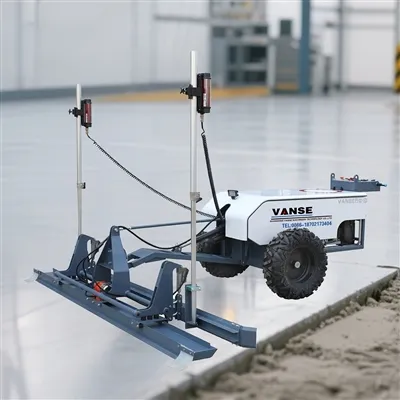
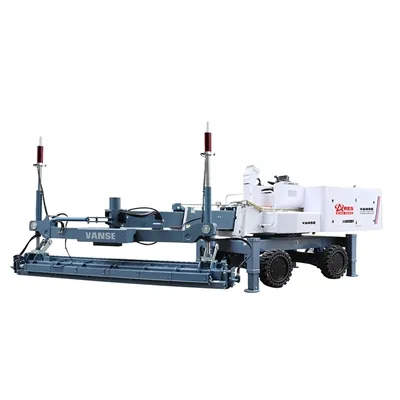
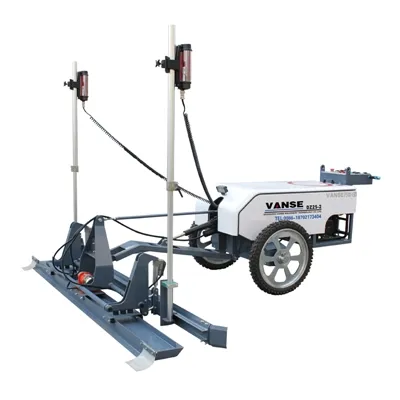
The accuracy guarantee of concrete laser leveling machine is a systematic project, which needs to be realized in coordination from many aspects such as equipment performance, pre-construction preparation, construction process control and subsequent maintenance. The following are specific guarantee measures:
Core technology and hardware configuration of the equipment
Accuracy basis of laser control system
Laser transmitter:
Using high-precision laser transmitter (such as wavelength stability ±5nm, range covering more than 300 meters), the horizontal laser surface is emitted by rotating prism, and the error can be controlled within ±2mm.
Receiver sensitivity:
Equipped with high-sensitivity laser receiver (response time <0.1 second), real-time capture of laser signals to ensure accurate feedback of elevation deviation.
Control system algorithm:
Built-in control algorithm, which can automatically adjust the lifting speed of leveling mechanism (such as scraper, vibrating beam) according to the deviation, with a response accuracy of ±1mm.
Mechanical accuracy of leveling mechanism
Scraper and vibrating system:
Using rigid alloy material, the scraper flatness error is ≤0.5mm/m, and the vibration frequency is stable at 3000-5000 times/minute to avoid elevation deviation caused by mechanical deformation.
Drive system:
hydraulic drive or servo motor drive (accuracy ±0.1mm), ensuring uniform travel speed (0.5-5m/min adjustable) to avoid speed fluctuations affecting the leveling effect.
Precise preparation before construction
Site survey and benchmark setting
Use a total station or RTK measuring instrument (plane accuracy ±10mm, elevation accuracy ±15mm) to grid the site (recommended 5m×5m), establish a three-dimensional elevation model, and compare the design elevation with an error of ≤3mm.
The laser transmitter needs to be installed at the center of the site to ensure that there is no blind spot in the signal coverage and the installation height error is ≤5mm.
Equipment calibration and debugging
Horizontal calibration:
Calibrate the horizontality of the fuselage through a high-precision level (accuracy ±0.1mm/m), and adjust the height of the legs to make the fuselage inclination <0.5°.
Zero point calibration:
Calibrate the receiver zero point at a known elevation point (such as a leveling point) to ensure that the elevation benchmark deviation is ≤2mm.
No-machine trial run:
Test the scraper lifting speed (required 100mm/s±5%), travel straightness (10m distance offset ≤10mm), and confirm that there is no abnormality in the mechanical system.
Dynamic control during construction
Concrete pouring and paving coordination
The slump of concrete is controlled at 180-220mm to ensure that the fluidity meets the leveling requirements and avoid uneven thickness due to material segregation.
When paving, reserve 5-10mm of leveling margin, and use the laser leveling machine to reach the designed elevation in one operation, with an error of ≤3mm.
Real-time monitoring and compensation mechanism
The operator views the elevation deviation data in real time through the display screen (display accuracy ±1mm), and performs secondary filling or scraping for local out-of-tolerance areas (such as deviations >5mm).
For large-scale construction (such as >5000㎡), set a fixed calibration point every 500㎡, re-measure the elevation with a level, and adjust the equipment parameters immediately when the deviation exceeds 3mm.
Response to environmental factors
Temperature influence:
When the temperature is >30℃, shorten the leveling operation time (control it within 1 hour before the initial setting of the concrete) to avoid surface settlement due to water evaporation, and control the error within ±5mm.
Wind impact:
When the wind speed is ≥ Level 4, set up a windproof barrier around the laser transmitter to prevent the laser beam from deviating and ensure signal stability.
Quality acceptance and error correction
Three-dimensional flatness detection
Use a 3m ruler or laser flatness meter (measurement accuracy ±1mm) for detection, with no less than 3 measuring points per 100㎡, and the allowable deviation is ≤3mm (GB 50204-2015 standard).
After marking the out-of-tolerance area (such as deviation >5mm), use a small leveling machine or manual spatula to correct it until it meets the requirements.
Data recording and analysis
The equipment has a built-in data recorder to automatically save the elevation deviation curve during the leveling process, and generate an accuracy report after construction (including the error value of each area, pass rate, etc.), which is convenient for tracing the source of the problem.
Equipment maintenance and operator requirements
Regular maintenance
Replace the hydraulic oil filter every 50 hours, calibrate the laser transmitter every 200 hours (wavelength deviation ≤ 1nm), and check the scraper wear every 1000 hours (allowable wear ≤ 2mm).
The receiver lens needs to be cleaned daily to prevent dust from affecting the accuracy of signal reception.
Operator qualifications
Operators must undergo professional training (training time ≥ 50 hours), master equipment calibration, parameter adjustment and emergency handling skills, and can only take up their posts after passing the assessment.
Before construction, you need to be familiar with the design drawings and clarify the location of the elevation control points to avoid deviations caused by human operating errors.
Typical accuracy indicators and industry standards
| Project | Accuracy index | Reference standards |
| Elevation deviation | ±3mm/3m | GB 50204-2015 |
| Flatness | ±5mm/100㎡ | Concrete Structure Engineering Construction Code |
| Elevation difference between adjacent plates | ≤2mm | American ACI 302.1R-04 Standard |
Summary
The accuracy of the concrete laser leveling machine must rely on "high-precision hardware + scientific construction process + strict quality control". Through the full process control from equipment calibration to post-construction acceptance, the floor flatness error can be controlled within ±3mm, meeting the construction requirements of high-standard sites such as industrial plants and logistics warehouses. In actual applications, it is also necessary to flexibly adjust the process in combination with project characteristics (such as area, elevation complexity) to achieve optimal accuracy.
Thanks to All the Friends Who Support and Trust Shandong Vanse Machinery Technology Co., Ltd.
If you want to know more about Shandong Vanse Machinery Technology Co., Ltd. or have any questions, please feel free to contact us:
Our Factory
Shandong Vanse Machinery Technology Co., Ltd.








Share this article

About the Author: Shandong Vanse Machinery Technology Co., Ltd.
Shandong Vanse Machinery Technology Co., Ltd. is a high-tech manufacturer specializing in concrete construction machinery, including laser screeds and related equipment. The company integrates R&D, production, and global sales, with products exported to over 60 countries and widely used in infrastructure projects worldwide.
Previous Post
Next Post
Related Articles
You Might Also Like
How to ensure safety when performing the concrete laser leveling machine maintenance?
During the maintenance of the concrete laser leveler, safety is the core premise. A full-process protection system must be established from four dimensions: personnel protection, equipment status, environmental control, and operating specifications to avoid risks such as mechanical injuries, electric shock, and falls. The following are the specific operating points: Preparation before maintenance is the first line of defense for safety. It is necessary to ensure that "people, machines, and the environment" are all in a safe initial state: Maintenance personnel must undergo professional training and be familiar with the equipment structure (such as laser transmitter, leveling scraper, hydraulic system), electrical principles and safe operating procedures. Unlicensed or non-professional operation is strictly prohibited. Head Protection: Wear an impact-resistant helmet to prevent injuries from falling equipment parts or tools. Hand Protection: Wear non-slip, wear-resistant gloves to avoid contact with sharp parts and oily surfaces. Wear insulating gloves when operating electrical equipment. Foot Protection: Wear impact-resistant and puncture-resistant safety shoes to prevent injuries from being crushed by the equipment or punctured by debris on the ground. Eye Protection: Wear goggles to prevent eye splashes when cleaning equipment dust or checking hydraulic fluid. Other: If welding or cutting is involved, wear a welder's mask and flame-retardant clothing. First, park the equipment on level, firm, and flat ground (to prevent it from sliding), shut off the engine, and remove the key. Disconnect the main power switch (battery switch or main power switch) and hang a "Maintenance in Progress, Do Not Close" warning sign at the switch. Lock the equipment if necessary (keys should be kept by maintenance personnel). Discharge residual energy from the equipment: For hydraulic systems, fully retract the cylinders by operating the joysticks to release hydraulic pressure. Pneumatic components should be depleted from their air tanks. Capacitive components should be discharged to prevent electric shock. Check that moving parts (such as leveling wheels and scrapers) are in the "non-operating" position. Use wedges to wedge the wheels if necessary (especially when performing maintenance on slopes to prevent the equipment from rolling). Clear the maintenance area of any obstructions (such as rebar, gravel, and tools). Designate a "safe work zone" of at least 1.5 meters, prohibiting unauthorized personnel from entering (warning tape or signs may be used). Check the environment for potential risks: Avoid performing electrical system maintenance in rainy or humid conditions (to prevent short circuits and electric shock). If performing maintenance in a confined space (such as an underground garage), ensure adequate ventilation (to prevent engine exhaust poisoning). Ensure adequate lighting (at least 50 lux) for nighttime maintenance. During maintenance, specific safety measures must be implemented based on the characteristics of the equipment's key systems (electrical, hydraulic, and mechanical): It is strictly forbidden to remove electrical components (such as the laser controller and junction box) while the device is energized. Use a multimeter to confirm that the circuit is free of voltage before proceeding. When replacing wires or sensors, use parts that meet the original manufacturer's specifications (e.g., insulation rating of at least IP67). Connectors must be waterproof and sealed to prevent rainwater from seeping in and causing a short circuit. If using power tools (such as drills and multimeters), ensure the insulation is intact, use a socket with a residual current protection (leakage current ≤ 30mA), and operate the tool with one hand to minimize the path of current passing through the body in the event of an electric shock. Hydraulic oil should be checked 15 minutes after the equipment has been shut down (after the system pressure has been completely released). Never remove joints while hydraulic lines are pressurized (high-pressure oil spray can reach 100 m/s and can easily pierce skin). When removing hydraulic components (such as cylinders and pumps), wrap joints with a rag to prevent oil splashing and contamination, and to buffer residual pressure. When refilling hydraulic oil, use a filter to prevent impurities from entering the system, and keep the oil level below the tank mark to prevent leakage caused by excessive oil temperature. If the hydraulic oil has a pungent odor or is cloudy, replace it immediately to prevent wear and bursting of the hydraulic pump. When inspecting rotating components such as leveling wheels and scrapers, manually rotate them to ensure they are not stuck. Do not use tools to pry (to prevent sudden rotation and pinching of fingers). When tightening bolts (such as frame bolts), use a torque wrench to the factory-specified torque (with a torque tolerance of ±5% to prevent breakage or loosening). Do not stand directly over the bolts (to prevent the wrench from slipping and causing injuries). When replacing worn parts (such as scraper blades), secure the components with a bracket to prevent them from falling. When removing sharp parts, wrap the edges with a cloth to prevent cuts. After maintenance is completed, a systematic inspection is required to ensure the equipment has returned to a safe operating state and avoid subsequent accidents caused by improper maintenance. First, conduct a no-load test run: Start the equipment and test the laser positioning, screed wheel rotation, and scraper lift functions in sequence. Observe that all components operate smoothly (no abnormal noise or vibration) and that there are no leaks in the hydraulic lines (no more than one drop of oil in 10 minutes). During the test run, an observation area should be set up around the equipment, with maintenance personnel standing to the side (avoiding direct contact with rotating components). If any abnormalities are detected (such as laser deviation or unusual noise), the equipment should be shut down and powered off for inspection immediately. Site Cleanup and Recording Clean oil, tools, and accessories from the maintenance area, and store hazardous waste such as waste oil and filters in a classified manner (hand them over to qualified personnel for disposal; dumping is strictly prohibited). Remove the "Maintenance in Progress" sign. Before turning off the power switch, re-confirm that all maintenance personnel have evacuated the equipment area to prevent accidental startup and injury. Fill out the Maintenance Record Form, recording maintenance items, replaced parts, test results, and other information (for easy traceability. If loose bolts are found, check for insufficient torque). Maintenance personnel must clean their bodies (especially areas that have come into contact with hydraulic oil or rust inhibitors to prevent skin allergies) and check that their protective equipment is intact (for example, gloves are not damaged and can be used again during the next maintenance session). If minor scratches or electric shocks occur during maintenance, work must be stopped immediately and emergency treatment must be implemented (such as flushing the wound with saline solution and applying iodine. After an electric shock, rest and observe for 30 minutes). In serious cases, seek medical attention immediately. Regular Safety Training: Quarterly, maintenance personnel will review the "Equipment Safety Operating Procedures" and conduct simulated emergency scenarios such as electric shock and hydraulic leaks (e.g., using an insulated rod to disconnect live wires and sealing oil leaks with cotton cloth). Equipment Safety Inspections: A "three-minute safety inspection" must be conducted daily before starting the equipment (checking the brakes, lights, and warning bells for proper function). Monthly functional tests of safety devices (e.g., emergency stop buttons and seat belts) must be conducted (all power must be immediately disconnected if the emergency stop button is triggered). Emergency Supplies: Equipment storage areas must be equipped with a first aid kit (including tourniquets, burn ointment, and insulated gloves), a fire extinguisher (ABC dry powder type, for electrical or oil fires), and emergency lighting (with a battery life of at least 4 hours). In short, the safety of concrete laser leveling machine maintenance must run through the entire process of "before – during – after", and the core is "respecting risks and strictly abiding by regulations" – you must be familiar with the characteristics of the equipment and pay attention to the details of personnel protection to fundamentally prevent safety accidents. Note: The parameters provided in this document are for reference only and are not mandatory. Due to differences in technical characteristics between different brands and models of laser levelers, please consult the manufacturer for a suitable solution before actual operation. This reference document assumes no responsibility for any issues arising from failure to follow the manufacturer's instructions.Quality Control And Precautions In The Construction Process Of Concrete Laser Leveling Machine
Quality Control And Precautions In The Construction Process Of Concrete Laser Leveling Machine Concrete laser leveling machine is an indispensable equipment in construction machinery, and it is indispensable in the construction of building floors. Doing the following points well during construction will have a great effect on improving the productivity and construction quality of the concrete laser leveling machine. 1. Line setting and leveling on the wall (column): Since the laser leveling machine on the side of the wall cannot be touched, manual leveling is required within 40 cm along the side of the wall (formwork), so line setting is required as a reference for manual leveling . 2. Set up formwork (steel formwork is recommended) along the scope of pouring on the same day, reserve holes for dowel rods, and control the elevation of the formwork to avoid large deviations in the flatness of the joints of different warehouses. 3. Set templates or thin sheets along the walls, equipment foundations, columns, etc. (thickness and position are determined according to design requirements), and leave separation joints to avoid cracking of the concrete floor. 4. Laser transmitter erection: (1) The laser transmitter should be erected at the best position, and there should be no clips to be tightened; (2) There should be no large vibration sources around; (3) Reasonably set the concrete paving direction and leveling direction, and determine a reasonable construction walking route of the leveling machine to avoid leveling blind spots. (4) Feeding: The concrete conveying speed should be guaranteed to be a certain amount, and the feeding speed should be uniform, and the pause interval should be reduced in the middle to prevent cold joints and affect the progress of the project. The slump and initial setting time of the concrete sent to the site each time must be consistent. The concrete slump should be controlled at 14~16cm, and the initial setting time should be controlled at about 3 hours. Note: Some content of this quality control is for reference only, and the actual construction should be formulated according to the floor design requirements and the characteristics of the construction site.Is there a big difference between hardened floors and ordinary concrete floors?
Hardened floors and ordinary concrete floors are two types of flooring materials commonly used in modern-day construction. While they may look similar, these materials have significant differences that set them apart. In this article, we'll explore the key differences between hardened floors and ordinary concrete floors and why hardened floors are a better option for industrial and commercial facilities. What are hardened floors? Hardened floors are concrete floors that have undergone a specialized process to increase their hardness and durability. This is typically done by adding a surface hardener or a densifier to the concrete mix and then grinding and polishing the surface to a high gloss or matte finish. Hardened floors are available in a vast range of colors and designs, making them a popular flooring choice in commercial and industrial applications. Benefits of hardened floors Improved durability One of the most significant benefits of hardened floors is their improved durability compared to ordinary concrete floors. Hardened floors are much harder and denser than standard concrete flooring, making them resistant to wear and tear caused by heavy foot traffic, vehicle traffic, and machinery. They are also highly resistant to chemicals and staining, which makes them an excellent option for industrial and manufacturing facilities. Easy maintenance Another benefit of hardened floors is that they are incredibly easy to maintain. Unlike traditional concrete floors, hardened floors do not require regular waxing or coatings to keep them looking their best. Instead, they only require daily cleaning with a mild detergent and occasional polishing to maintain their shine. Versatility Hardened floors are available in a broad range of colors and finishes, making them highly versatile. They can be customized to match any design or aesthetic, making them suitable for a wide range of commercial and industrial applications. Additionally, they can be used indoors or outdoors and can withstand extreme weather conditions. Eco-friendliness Hardened floors are an eco-friendly flooring option because they utilize the existing concrete surface. By using the existing surface, there is less waste, fewer resources used, and less carbon emissions from transportation. Hardened floors also have low VOC emissions, making them ideal for eco-conscious facilities. What are ordinary concrete floors? Ordinary concrete floors are typically made up of cement, sand, and aggregates such as gravel and stone. They are poured onto a base layer of subgrade material and then left to cure over time. While traditional concrete floors are highly durable, they lack the strength and resilience of hardened floors. Disadvantages of ordinary concrete floors Susceptibility to damage Ordinary concrete floors are more susceptible to damage than hardened floors. They are prone to cracking and chipping over time, especially in high traffic areas. Additionally, they can be damaged by chemicals, such as oils and solvents and can become stained and discolored. Difficult to maintain Ordinary concrete floors require a lot of maintenance to keep them looking their best. They need to be regularly coated with a wax or sealer to protect them from damage and staining. Additionally, they require frequent cleaning with a specialized detergent and regular polishing to maintain their shine. Limited design options Traditional concrete floors offer limited design options, leaving little room for customization. They usually come in a standard gray color, and attempts to stain or color them can lead to uneven coloring. Conclusion In conclusion, while both hardened floors and ordinary concrete floors are popular flooring options, hardened floors offer significant benefits that make them a better choice for commercial and industrial facilities. With their improved durability, easy maintenance, versatility, and eco-friendliness, hardened floors are the way to go for businesses looking for a long-lasting, low-maintenance, and cost-effective flooring option.