Technical Knowledge
How to use the laser leveling machine? How many steps?
How to use the laser leveling machine? How many steps?
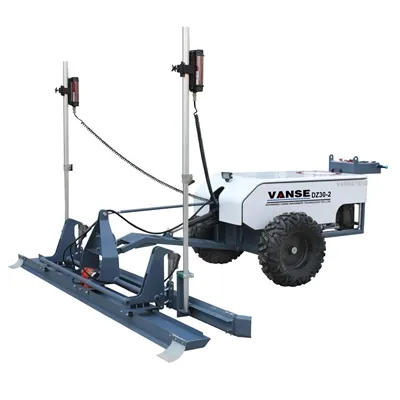
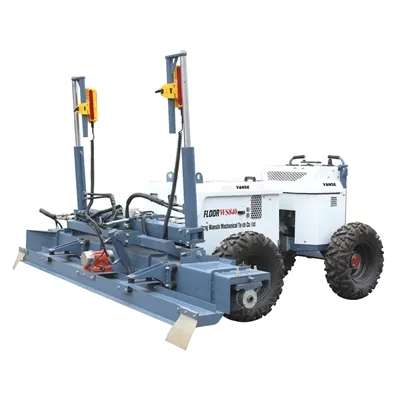
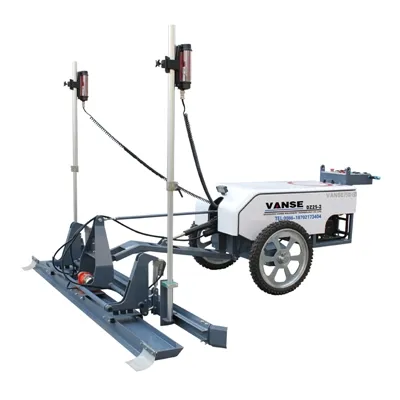
The laser leveling machine manufacturer will introduce to you what to do with the equipment: check the equipment before using it to ensure that all functions of the equipment are normal, and adjust the reference point of the laser before it can be used , After paving, technicians are required to evaluate the ground, and it is completed only after the flatness is determined.
1. Preparation
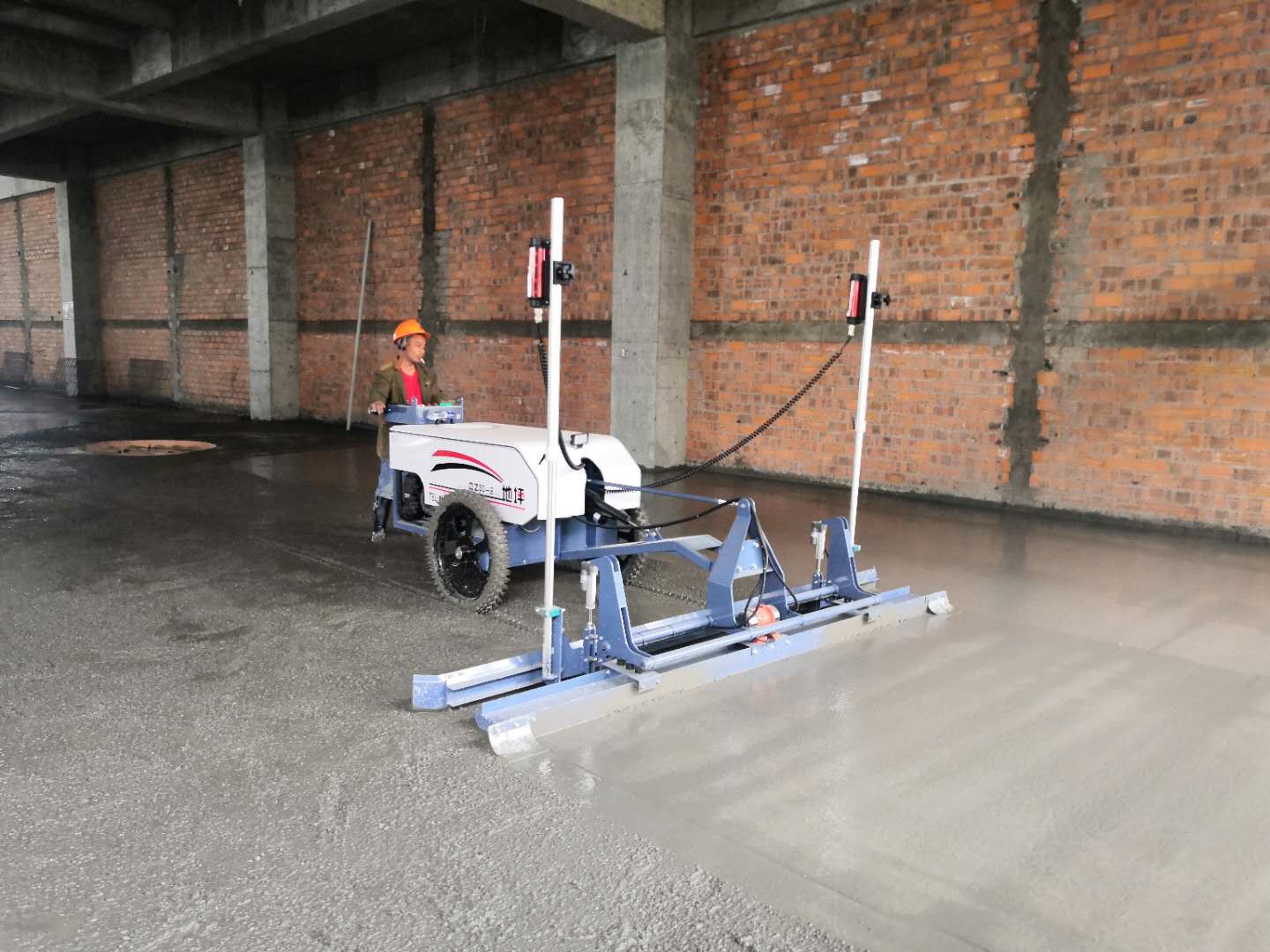
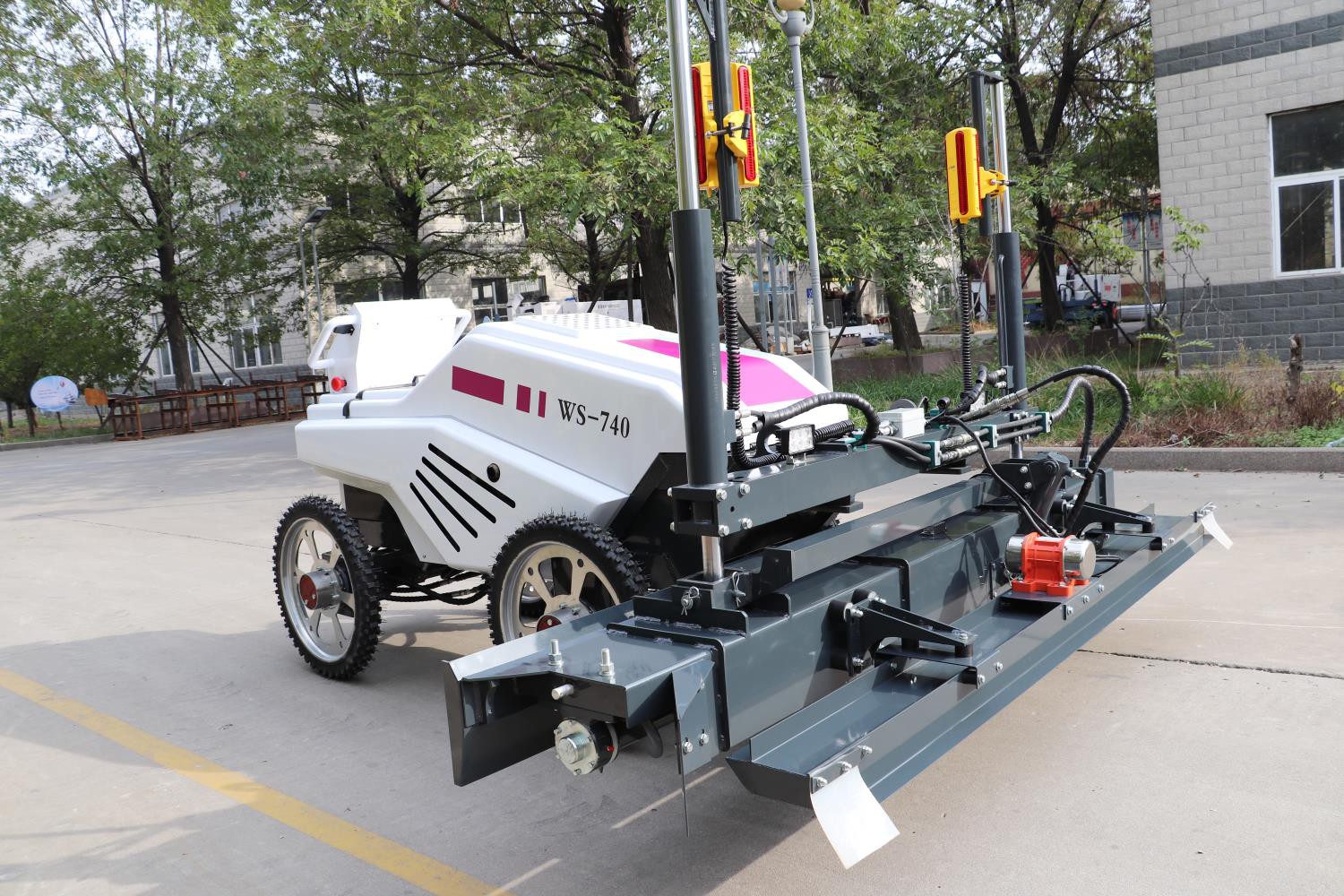
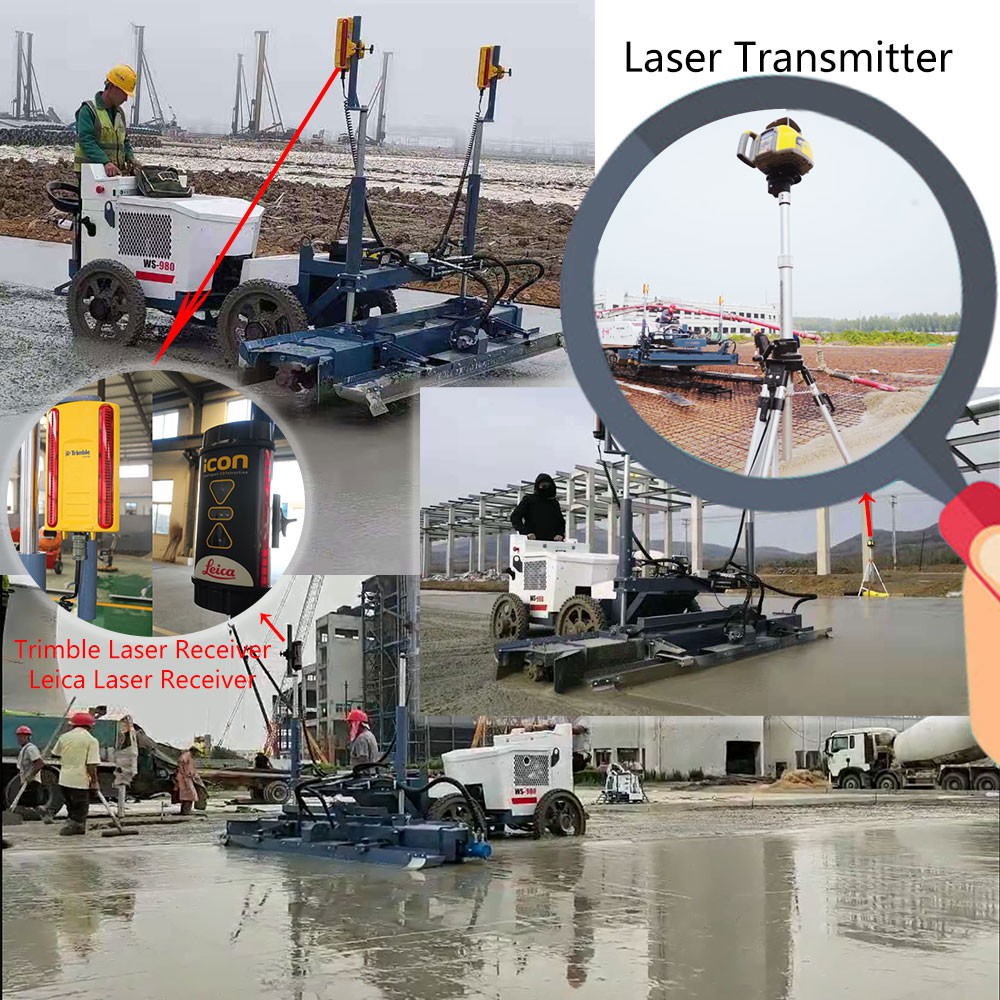
(1) After the base layer is processed, the equipment of the laser paver is debugged, and the fixed reference level point is drawn according to the original level point; the non-woven fabric is laid, the side formwork is supported, the laser transmitter is erected, and the ground is ground according to the original level point. The elevation is introduced into the laser leveling machine.
(2) Conveying concrete
Commercial concrete is used, and the commercial concrete is transported to the entrance and exit of the garage by tank truck, and then transported to the construction site by a three-wheel dump truck.
(3) Standardization and verification
Use a hand-held laser receiver to check the elevation of the floor, introduce the elevation into the laser paver, and adjust the reference point (±0.00) on the leveling machine.
2. Concrete paving
Pouring steps:
(1) After the formwork is supported, the warehouse should be cleaned and soaked with water one day in advance before pouring concrete. When pouring is approaching, drain the open water and sweep the cement slurry or interface agent. At this time, no obvious water accumulation is strictly prohibited. If there is, it must be resolutely removed before paving concrete.
(2) After the concrete is put down, it should be preliminarily leveled, and the leveling height should be 3 cm thicker than the elevation. Then level it with a laser paver. The corners that cannot be leveled can be leveled with a gasoline leveler or manually.
(3) When the warehouse near the wall is being poured, after the leveling machine walks over, it must be leveled with a scraper in time. and so on.
(4) For areas where concrete mixer trucks cannot be driven to the site, tractors should be used to transfer concrete. After the pouring is completed, the floor finishing construction begins when the concrete is initially set.
(5) When the warehouse near the wall is pouring, after the leveling machine walks over, it must be scraped with a scraper in time. and so on.
(6) For areas where concrete mixer trucks cannot be driven to the site, tractors should be used to transfer concrete. After the pouring is completed, the floor finishing construction begins when the concrete is initially set.
3. During construction, the laser signal received by the receiver of the laser paver (frequency of 10 times per second) automatically adjusts the elevation in real time to ensure that the construction elevation is always at the set standard. Because the laser transmitter is fixed after being set up, it can ensure that the construction of a large area of ground does not produce cumulative errors.
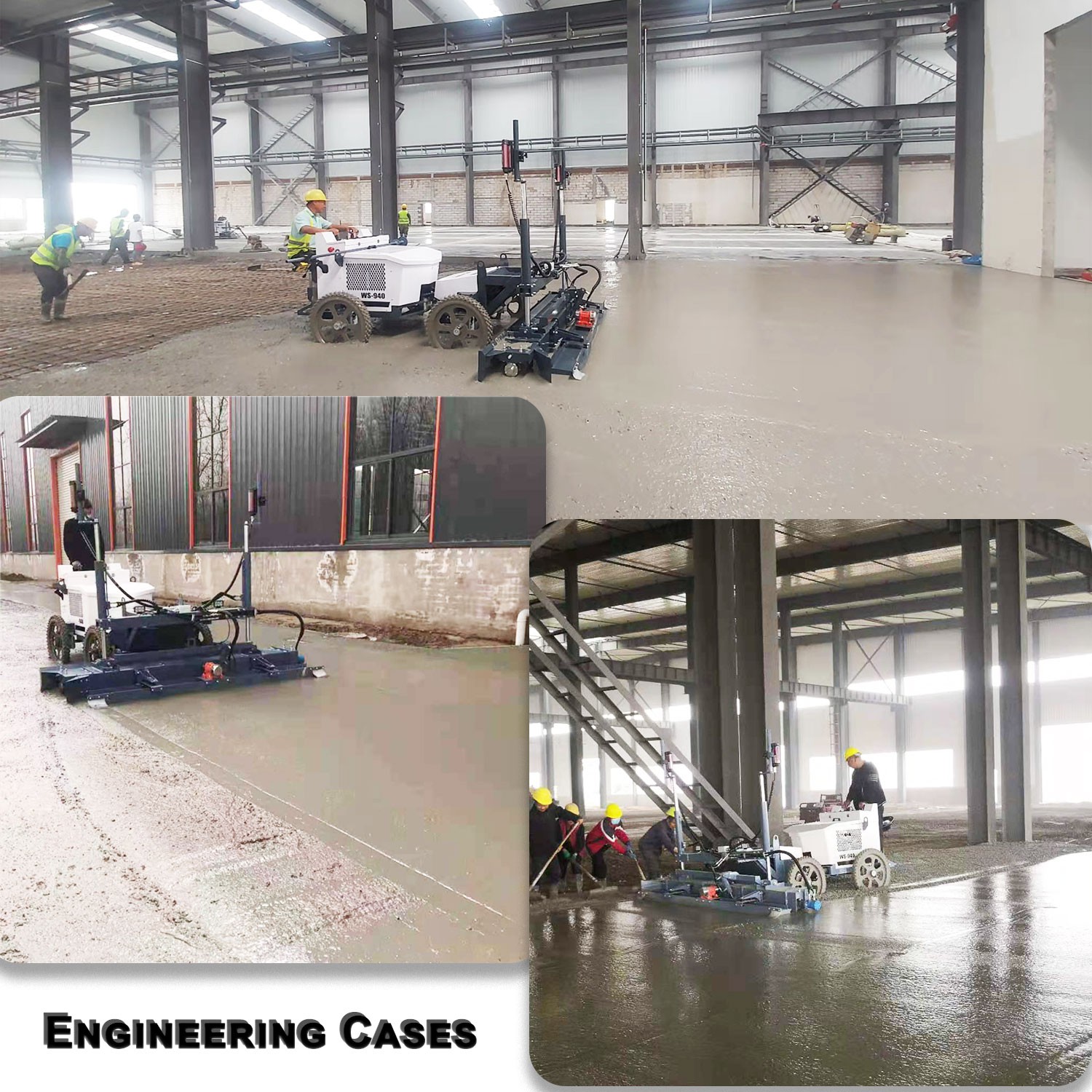
4. During the construction, the operator uses a hand-held laser receiver to detect the ground after the machine is constructed, and again ensures that the flatness error is within the controllable range.
A complete and perfect brand of course needs good word-of-mouth from local users, and the establishment of word-of-mouth requires long-term accumulation. If you want to be a good company, you must be responsible for customers and think about customers, and bring profits to customers better. This is the most important thing.
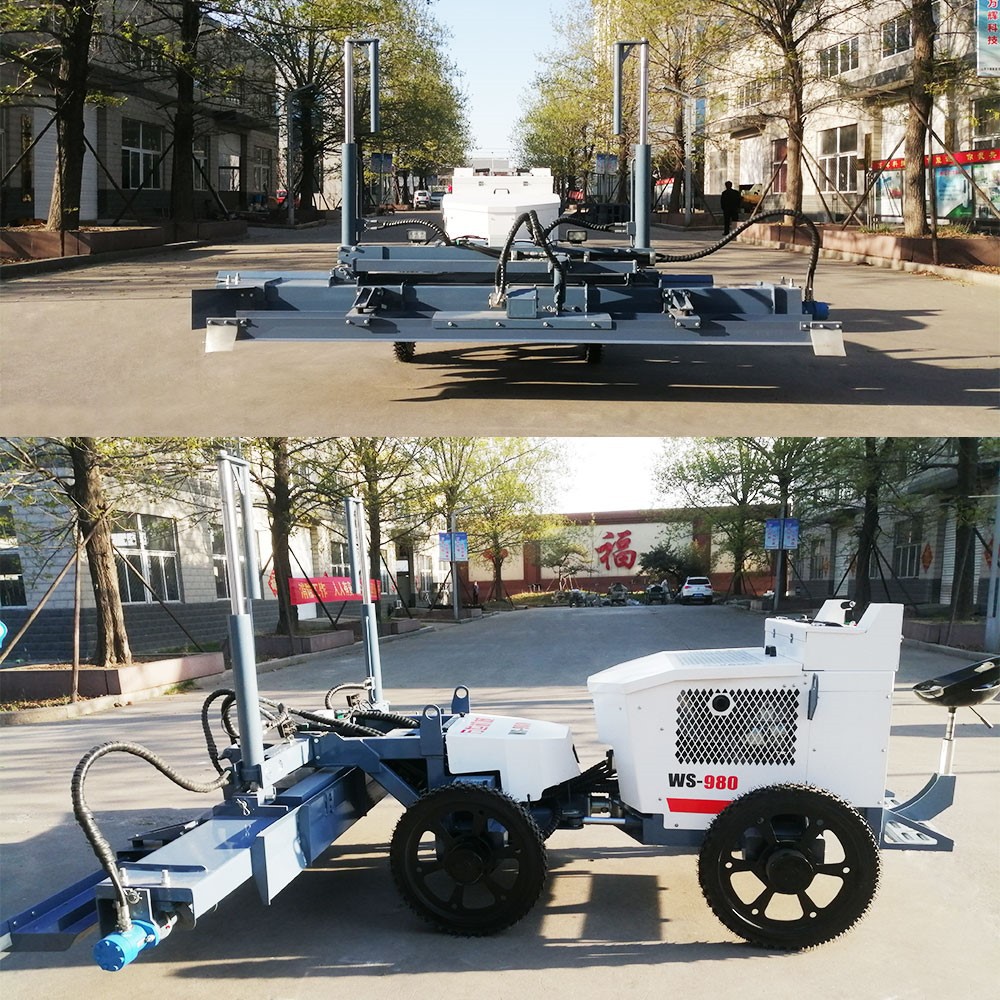
Thanks to All the Friends Who Support and Trust Shandong Vanse Machinery Technology Co., Ltd.
If you want to know more about Shandong Vanse Machinery Technology Co., Ltd. or have any questions, please feel free to contact us:
Our Factory
Shandong Vanse Machinery Technology Co., Ltd.








Share this article

About the Author: Shandong Vanse Machinery Technology Co., Ltd.
Shandong Vanse Machinery Technology Co., Ltd. is a high-tech manufacturer specializing in concrete construction machinery, including laser screeds and related equipment. The company integrates R&D, production, and global sales, with products exported to over 60 countries and widely used in infrastructure projects worldwide.
Previous Post
Next Post
Related Articles
You Might Also Like
A must-have for beginners: Laser leveling machine instruction manual
With the development of science and technology, laser leveling machines have become essential equipment for the construction industry such as road leveling. The equipment has high work efficiency and simple operation and is favored by users. However, for novices who do not often deal with the machinery industry, they do not know much about the use process and methods of laser leveling machines. Because of this, they often encounter problems during use. If you want to know how to use it specifically, don't miss the wonderful content below. After the base is processed, debug the laser leveling machine, and make a fixed reference leveling point based on the original leveling point; lay non-woven fabrics, support side molds, set up laser transmitters, and introduce the ground elevation into the laser leveling machine according to the original leveling point. Commercial concrete is used. Tankers transport commercial concrete to the entrance and exit of the car warehouse, and then transport it to the construction site with a three-wheel dump truck. Use a handheld laser receiver to check the floor elevation, introduce the elevation into the laser leveling machine, and adjust the reference point on the laser leveling machine. (1) After the formwork is set up, before pouring concrete, the warehouse should be cleaned and rinsed with water one day in advance. When pouring, drain the open water and sweep the cement slurry or interface agent. At this time, it is strictly forbidden to have obvious water accumulation. If there is, it must be removed resolutely before paving concrete. (2) After the concrete is put down, it should be initially flattened. The flattening height should be 3 cm higher than the elevation. Then use a laser leveling machine to level it. For corners that cannot be leveled, you can use a gasoline leveling ruler or manual scraping. (3) When pouring the warehouse near the wall, wait until the laser leveling machine passes by, and then use a scraper to level it in time. And so on. (4) When pouring the warehouse near the wall, wait until the laser leveling machine passes by, and then use a scraper to level it in time. And so on. For areas where concrete mixer trucks cannot be driven to the site, tractors should be used to transport concrete. After pouring, wait for the concrete to initially set before starting floor finishing construction. During the construction, the operator uses a handheld laser receiver to detect the ground after the machine is installed, and once again ensures that the flatness error is within the controllable range. In order to facilitate everyone to better understand and master, this article only briefly discusses the operation process of the laser leveling machine. Later, we will continue to explain other related content about the leveling machine. Interested friends can visit our official website at any time to inquire for more information.How to further improve the construction efficiency of concrete laser leveling machine through technological innovation?
The introduction of automation and intelligent technologies, such as unmanned driving technology, can realize automated operation, reduce manpower requirements, and improve operation speed and accuracy. The application of high-precision measurement technology, such as laser measurement and control system, can monitor and control the construction process in real time to ensure that each construction link meets the design requirements and quality standards. The use of Internet of Things technology to achieve interconnection between equipment, remote monitoring and management of construction equipment, and improve equipment utilization and maintenance efficiency. The use of new materials, such as high-performance concrete, can improve construction quality and reduce resource waste. The use of energy-saving technology and renewable energy can reduce energy consumption during construction. Use drones for high-altitude surveys and monitoring to obtain accurate terrain and building information and improve logistics efficiency and accuracy. BIM technology can realize digital simulation of the entire life cycle of a building, conduct precise planning and design optimization before construction, and reduce changes and adjustments during construction. Use artificial intelligence to monitor various parameters in the construction process in real time, find problems in time and issue warnings to ensure construction safety and quality. Through sensors and control systems, equipment can be monitored and maintained in real time, which reduces the occurrence of failures and improves equipment stability. Through reasonable construction planning and layout, the waste of land and water resources can be reduced and the project cost can be reduced. Through these technological innovations, the construction efficiency of concrete laser leveling machines can be significantly improved, construction costs can be reduced, and project quality can be improved.What is the future competitive landscape of the concrete laser leveling machine market?
As an efficient construction equipment, concrete laser screed machines have been widely used around the world. With the advancement of technology and the growth of market demand, the competitive landscape of the concrete laser screed machine market is also evolving. The following is a detailed analysis of the future competitive landscape of the concrete laser screed machine market. Introduction The competitive landscape of the concrete laser screed machine market is affected by many factors, including technological innovation, market demand, policies and regulations, and globalization trends. Predicting and analyzing these factors is essential to understanding the future development of the market. 1. The impact of technological innovation on the competitive landscape Technological innovation is a key factor in promoting the development of the concrete laser screed machine market: – **Intelligence and automation**: With the development of intelligent and automated technologies, concrete laser screed machines with these functions will be more popular in the market. – **New energy technology**: Electric or hybrid concrete laser screed machines will gradually replace traditional fuel models to meet environmental protection requirements. – **New material application**: Use lightweight, high-strength new materials to improve the durability and performance of equipment. 2. The impact of market demand on the competitive landscape Changes in market demand will directly affect the competitive landscape of the concrete laser screed machine market: – **Infrastructure construction**: With the acceleration of global infrastructure construction, the demand for concrete laser screed machines will continue to grow. – **Modernization of the construction industry**: The growing demand for modern construction technology in the construction industry has driven the development of the concrete laser screed machine market. – **Regional differences**: The economic development level and construction industry development status in different regions will affect the market demand for concrete laser screed machines. 3. The impact of policies and regulations on the competitive landscape Policies and regulations have an important impact on the competitive landscape of the concrete laser screed machine market: – **Environmental regulations**: Strict environmental regulations will drive the market to transform to more environmentally friendly concrete laser screed machines. – **Safety standards**: Improving construction safety standards will prompt manufacturers to improve the safety of their equipment. – **Trade policies**: Changes in trade policies may affect the import and export of concrete laser screed machines, thereby affecting the market competition landscape. 4. Impact of globalization trend on competition pattern The trend of globalization has brought new opportunities and challenges to the concrete laser leveling machine market: – **International market competition**: Manufacturers need to face competition from all over the world and enhance the international competitiveness of their products. – **Transnational cooperation**: Through transnational cooperation, share technology and market resources to enhance competitiveness. – **Localization strategy**: Adopt localization strategy in different markets to meet the special needs of local markets. 5. Changes in market competition subjects The changes in market competition subjects will affect the competition pattern of the concrete laser leveling machine market: – **Large enterprises**: Large enterprises dominate the market through economies of scale and brand advantages. – **Small and medium-sized enterprises**: Small and medium-sized enterprises seek market opportunities through flexible business strategies and innovation capabilities. – **Emerging enterprises**: Emerging enterprises challenge the traditional market pattern through disruptive innovation. 6. Industry integration trend Industry integration is an important trend in the competition pattern of the concrete laser leveling machine market: – **M&A activities**: M&A activities within the industry will lead to an increase in market concentration. – **Strategic alliance**: Enterprises share resources and enhance competitiveness by establishing strategic alliances. – **Industry chain integration**: Integrate the upstream and downstream industry chains to enhance the competitiveness of the entire industry chain. 7. Diversification of user needs The diversification of user needs will affect the competitive landscape of the concrete laser leveling machine market: – **Customized services**: Provide customized services to meet the personalized needs of different users. – **Multifunctional equipment**: Develop multifunctional concrete laser leveling machines to meet a variety of construction needs. – **Intelligent solutions**: Provide intelligent construction solutions to enhance user experience. 8. Formulation of technical standards The formulation of technical standards has an important impact on the competitive landscape of the concrete laser leveling machine market: – **International standards**: Participate in the formulation of international standards to enhance the international competitiveness of products. – **Industry standards**: Promote the formulation of industry standards and regulate market order. – **Enterprise standards**: Establish enterprise standards to improve the quality of products and services. 9. Conclusion The future competitive landscape of the concrete laser leveling machine market will be affected by a variety of factors such as technological innovation, market demand, policies and regulations, and globalization trends. Manufacturers need to continuously innovate technology, meet market demand, adapt to changes in policies and regulations, and respond to the challenges brought by globalization in order to maintain competitiveness in the fierce market competition.