Technical Knowledge
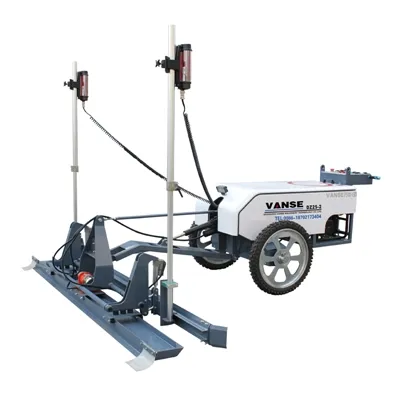
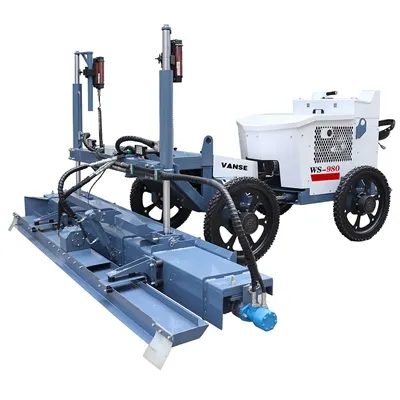
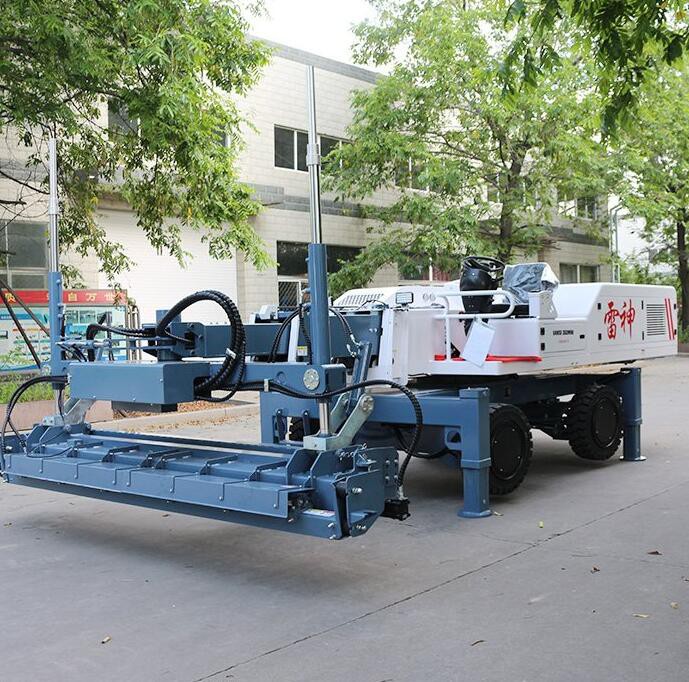
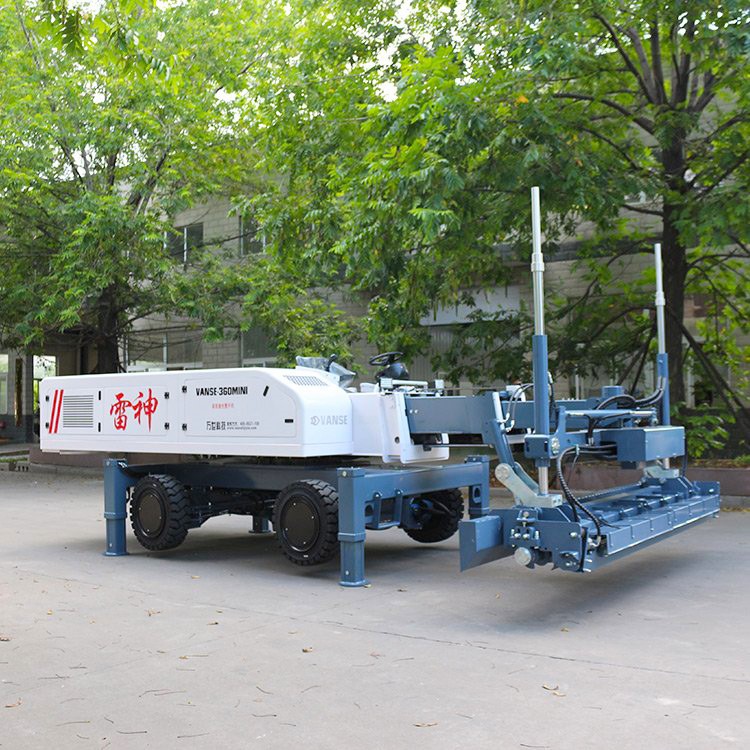
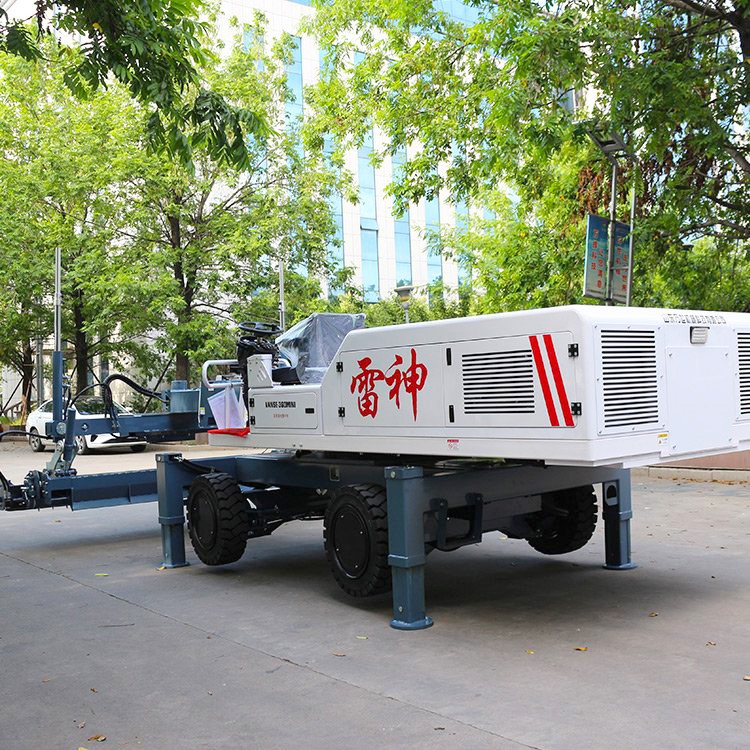
YZ30-4E medium-sized telescopic arm laser leveling machine
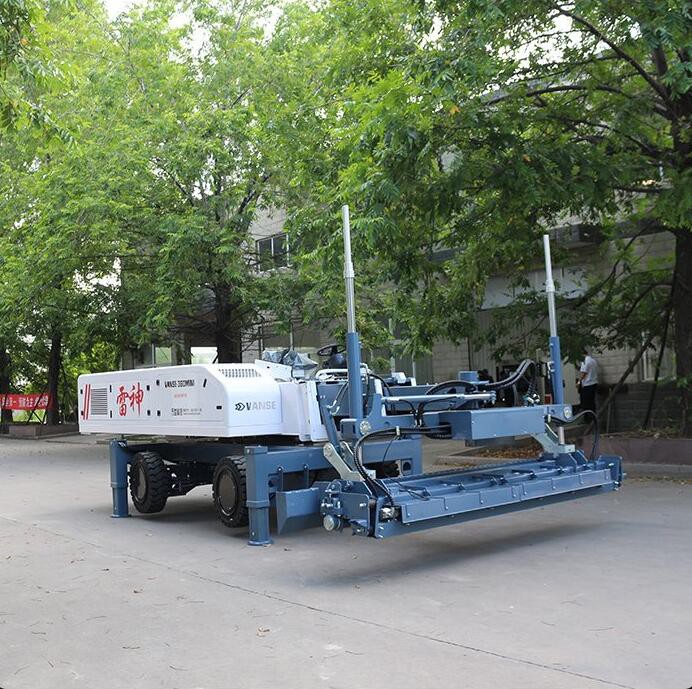
Instructions for operation and debugging of YZ30-4 medium-sized telescopic arm laser
leveling machine: 1. When starting the continuous punching press, the screw must rotate
clockwise to adjust the speed of the feeder, and the slider moves slightly slowly so that
you can see whether the slider touches the nylon washer and the length adjustment screw
during reciprocating motion.
2. Before connecting the power supply for testing, check whether the feeding direction is correct.
3. If the speed of the punch is constant and the feed distance needs to be shortened
from long to short, first the lead screw should be guided to reduce the drop distance
of the floating rod, and then the screw should be rotated clockwise to adjust the speed
so that the feed can Match P. UNCH speed.
4. Adjust the distance between the material rack and the concrete laser leveling machine
and the feeder, and adjust the distance appropriately according to the speed of the punch
and the length of the feeder. After leveling, the material should be able to enter the feeder
and mold smoothly.
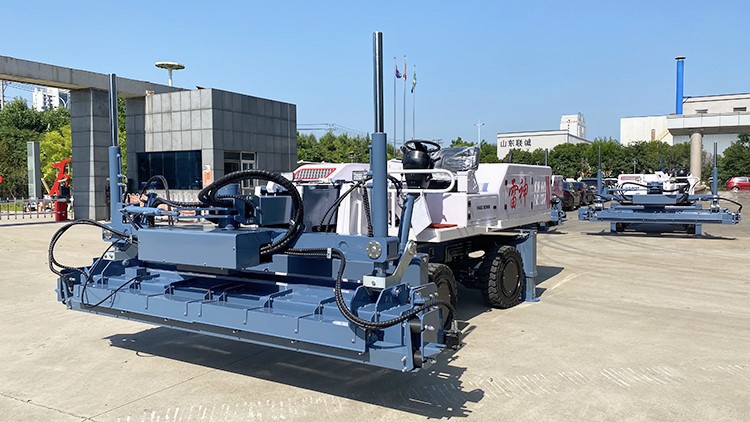
With incredible pulling power and a computerized automatic leveling control system, the
YZ30-4E laser is a riding four-wheel drive device that can scrape flat in any direction and
is easy to handle. Versatile as a laser scraper or laser controlled rake, the YZ30-4E
provides simple, fast and accurate results whether you are scraping concrete or
preparing roadbed.
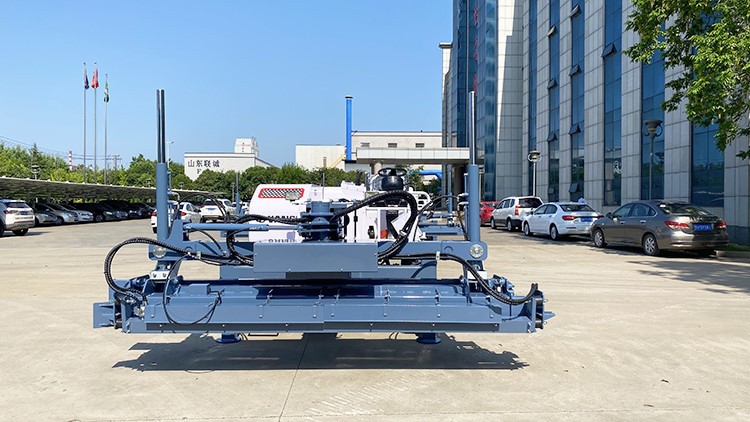
This is a telescopic arm type concrete laser leveling. Arms are up to 6 meters long to
increasethe paving area, The body can rotate 360 degrees, with two-wheel steering,
four-wheelsteering, and crab walking. Solid tire has a long anti-puncture life. Equipped
with a hydrauliccleaning water pump to clean the working head at any time.
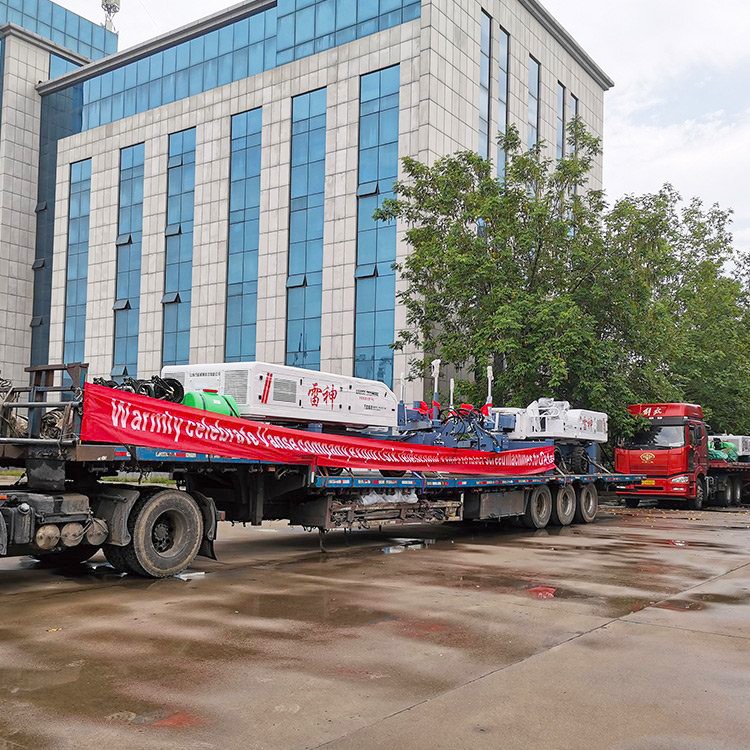
Vanse offers a wide portfolio of products that cover concrete slab placements in all
types construction projects. In addition, to equipment and software products, Vanse
also sells parts, accessories and provides service and training to customers to keep
their machines up and running and operating optimally.
Thanks to All the Friends Who Support and Trust Shandong Vanse Machinery Technology Co., Ltd.
If you want to know more about Shandong Vanse Machinery Technology Co., Ltd. or have any questions, please feel free to contact us:
Our Factory
Shandong Vanse Machinery Technology Co., Ltd.








Share this article

About the Author: Shandong Vanse Machinery Technology Co., Ltd.
Shandong Vanse Machinery Technology Co., Ltd. is a high-tech manufacturer specializing in concrete construction machinery, including laser screeds and related equipment. The company integrates R&D, production, and global sales, with products exported to over 60 countries and widely used in infrastructure projects worldwide.
Previous Post
Next Post
Related Articles
You Might Also Like
What are the specific application cases of laser leveling machines in municipal engineering?
There are many specific application cases of laser leveling machines in municipal engineering. Here are some examples: 1. Highway construction: Laser leveling machines are widely used in highway construction, especially in the construction of highways and urban roads. They can help lay the road surface quickly and accurately, ensuring the flatness and stability of the road surface. 2. Municipal facility construction: Laser leveling machines can also be used in municipal facility construction, such as parking lots, squares, parks, etc. These places require large areas of concrete floors, and laser leveling machines can complete this work quickly and efficiently. 3. Subway construction: Subway construction also requires a large amount of concrete floors, so laser leveling machines are also widely used in this field. They can help lay subway platforms, tunnels and other infrastructure quickly and accurately. 4. Pipeline laying: Laser leveling machines can also be used for pipeline laying, especially the laying of large pipelines. They can help ensure the flatness and stability of pipelines and reduce the cost of subsequent maintenance. 5. Bridge construction: Bridge construction also requires a large amount of concrete floors, so laser leveling machines are also widely used in this field. They can help lay bridge panels and other infrastructure quickly and accurately. In short, laser leveling machines are widely used in municipal engineering, which can help improve work efficiency and quality, reduce construction costs, and at the same time ensure the safety and stability of project quality.Superflat floor construction technology
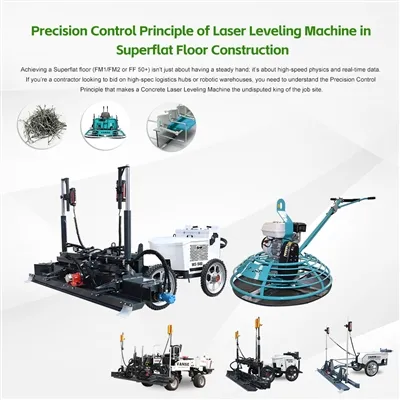
In the era of automated logistics and high-reach VNA (Very Narrow Aisle) warehouses, "flat" isn't just an aesthetic choice-it's a functional requirement. Superflat floor construction technology is designed to meet extreme tolerances, typically measured as FF (Floor Flatness) and FL (Floor Levelness) numbers (e.g., FF 50+ or FM1 standards). If you are a contractor looking to master this high-spec field, you don't just need workers; you need a synchronized ecosystem of precision machinery. Here is the ultimate professional workflow for Superflat success, featuring the specialized lineup from Vanse Machinery. Superflat precision begins before the leveling starts. If your concrete distribution is uneven, you create "slump variations" that lead to dips later. The Strategy: Use a Vanse Concrete Distributor to discharge the mix in uniform ribbons. To get material into tight strips or multi-level bays without the heavy footprint of a truck, the Vanse Mini Dumper (available in electric or gasoline) is the perfect "last-mile" tool. It allows your crew to place concrete with surgical precision, reducing the manual "shoveling" that often leads to inconsistencies. This is where the Superflat status is won or lost. Traditional manual leveling simply cannot hit FM1/FM2 numbers consistently. The Vanse Edge: The Vanse YZ30-4E Telescopic Boomed Laser leveling is the industry standard for large-scale precision. Its 6-meter telescopic boom allows the leveling head to strike off the concrete while the machine remains stationary, eliminating the "tire track" issues that ruin FL scores. For smaller projects, the agile Vanse YZ25-4 offers the same high-frequency vibration and laser-controlled precision in a compact frame, ensuring every square meter is consolidated from the bottom up. VNA floors must be incredibly wear-resistant. However, manual "dry-shake" broadcasting is notoriously uneven, which can lead to color variations and localized "dusting." The Strategy: Transition to a Vanse Automatic Topping Spreader. By mechanically applying the wear-resistant hardener immediately behind the laser leveling, you ensure a perfectly uniform grams-per-square-meter application. This creates a monolithic bond with the base slab, preserving the flatness achieved by the laser leveling machine while adding iron-clad durability. Once the concrete begins to set, you need to "seal" it. In Superflat flooring, this isn't just for looks; it's about surface density. The Vanse Edge: A machine like the Vanse Ride-on Power Trowel, provides the heavy compaction needed to "burnish" the floor. Its precision pitch control allows the operator to make micro-adjustments to the blades, smoothing out any remaining micro-imperfections to create a mirror-like finish that meets the highest FF (Flatness) requirements. Even the perfect slab will fail if the joints are ragged. In VNA lanes, joint integrity is critical for forklift wheel health. The Strategy: Use a Vanse Concrete Cutting Machine (Floor Saw) for early-entry or standard contraction joints. Its stable chassis and high-speed blade ensure clean, straight cuts that won't spall or lift, protecting the floor's long-term FF/FL integrity. When you visit www.vansemac.com, you're not just looking for a "smoothing tool"; you're looking for a guaranteed result. Here is why international contractors are making the switch: Labor Savings: A full Vanse fleet can turn a 12-man manual crew into a high-output 5-man team, often paying for itself in labor savings within 6-12 months. Reduced Rework: Avoid the nightmare of "grinding" a floor that failed its F-number test. Vanse machines are designed to hit the spec the first time. Reliability: By using world-class components (Honda, Rexroth, Danfoss), Vanse ensures your fleet stays on the job site, not in the repair shop. Superflat floor construction is the "Formula 1" of the concrete world. You wouldn't take a family sedan to a race track-so don't take "standard" equipment to a Superflat job site. Equip your team with the precision of Vanse (www.vansemac.com) and transform every pour into a high-performance asset. Ready to upgrade? Check out the full range of Superflat solutions at Vanse Machinery and see how we can help you set a new standard in your market. Note: The parameters provided in this document are for reference only and are not mandatory. Due to differences in technical characteristics between different brands and models of laser levelers, please consult the manufacturer for a suitable solution before actual operation. This reference document assumes no responsibility for any issues arising from failure to follow the manufacturer's instructions.How to ensure the work efficiency and safety of concrete laser leveling machine during the leveling process?
During the leveling process, the concrete laser leveling machine needs to ensure working efficiency and safety to achieve efficient and reliable construction. Here are some suggestions and measures: Ensure work efficiency: 1. Preliminary preparation: Ensure that all work before construction is fully prepared, including inspection of the laser leveling machine, detection of concrete materials, and assessment of the construction environment 2. Proficient in operation: Operators need to have professional skills and knowledge, and be familiar with the performance and operation of the laser leveling machine to complete the leveling work quickly and accurately. 3. Reasonable planning: According to the construction area and requirements, reasonably plan the construction process to improve work efficiency. For example, leveling can be carried out in partitions or sections to reduce repetitive or cross-cutting operations. 4. Regular maintenance: Regularly maintain and maintain the laser leveling machine to ensure its normal operation, extend its service life and improve work efficiency. Use high-quality concrete materials: Choosing high-quality concrete materials can reduce the number of reworks and adjustments and improve work efficiency. Guaranteed safety: 1. Safe operating procedures: Develop and comply with safe operating procedures, and ensure that operators are familiar with safe operating procedures and strictly abide by them. 2. Wear protective equipment: Operators and other on-site workers should wear appropriate protective equipment, such as hard hats, protective glasses, gloves, etc., to prevent accidental injuries 3. Equipment safety inspection: Before and after construction, conduct safety inspections on the laser leveling machine to ensure that its structure is complete and its functions are normal. 4. Set up warning signs: Set up obvious warning signs around the construction area to remind non-workers to stay away from the work area. 5. Training and education: Provide regular safety training and education to operators to improve their safety awareness and ability to respond to emergencies. 6. Emergency plan: Develop an emergency plan for possible safety accidents and conduct regular drills to ensure that staff are familiar with emergency procedures. 7. Environmental control: The safety of the construction environment must also be controlled, such as maintaining appropriate ventilation, controlling the temperature and humidity of the stinging site, etc. 8. Regular maintenance: Regular maintenance and upkeep can ensure the safe operation of the laser leveling machine and reduce failures and potential safety hazards. 9. Compliance inspection: Ensure that all equipment and materials used comply with national and local regulations to avoid safety risks caused by non-compliance To sum up, in order to ensure the working efficiency and safety of the concrete laser leveling machine during the smoothing process, it is necessary to start from many aspects, including preliminary preparation, operating skills, compliance with equipment maintenance safety regulations, and the formulation of emergency plans. By comprehensively considering these factors and taking appropriate measures, efficient and safe construction can be achieved.