Technical Knowledge
What is the difference between using a concrete laser leveling?
What is the difference between using a concrete laser leveling?
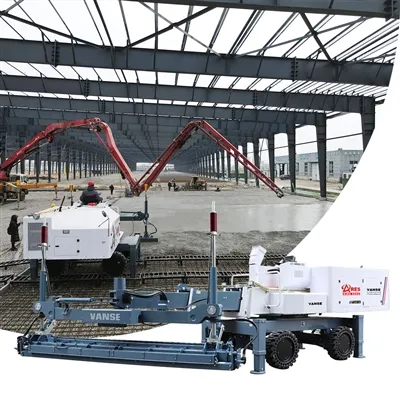
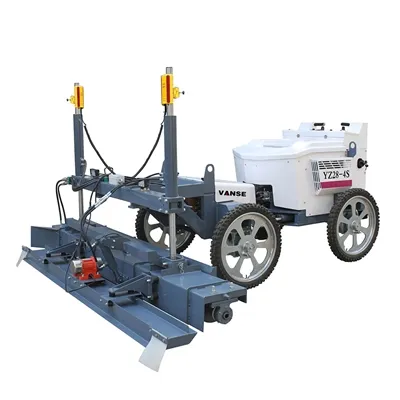
The advent of the concrete laser leveling machine has brought not only high-quality and high-efficiency construction to the floor industry, but also a symbol of technological progress. Compared with the traditional artificial vibrating beam construction, the laser leveling machine has A qualitative leap forward, it is guided by a laser and is easy and convenient to operate.
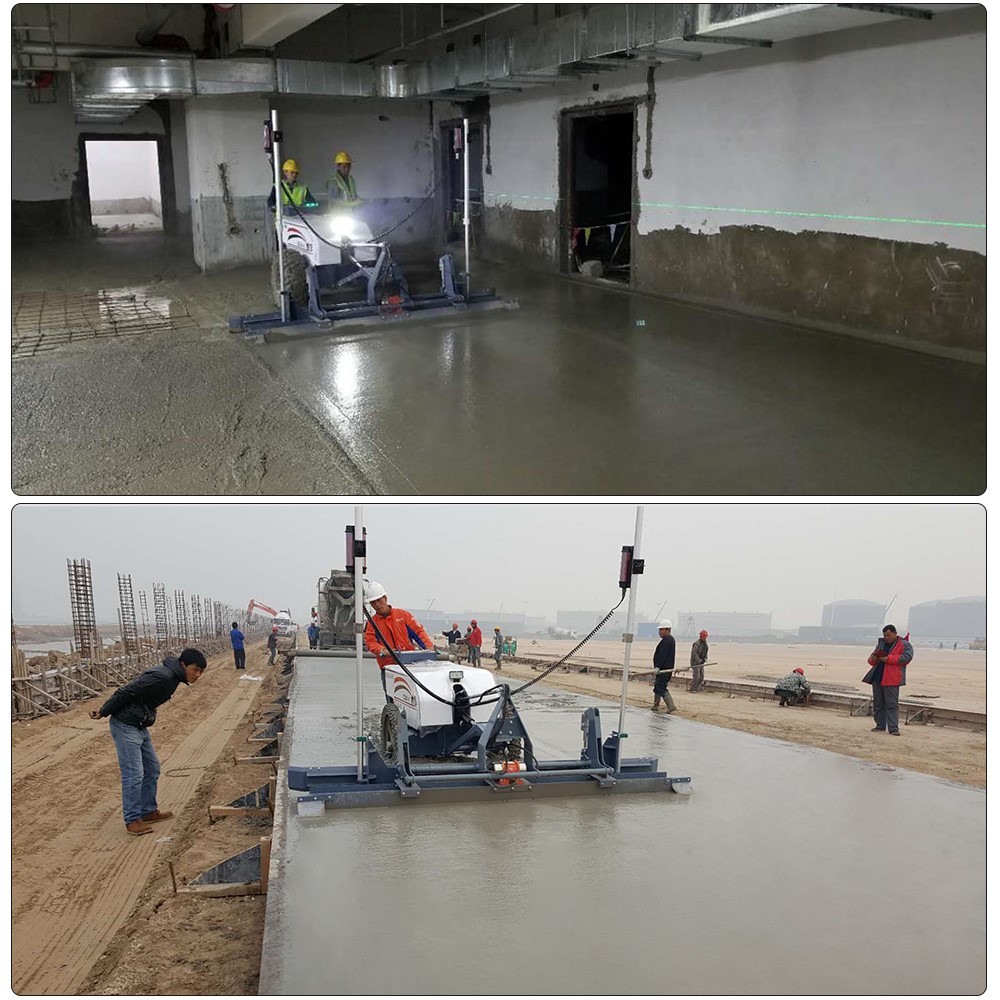
Working principle of concrete laser leveling machine
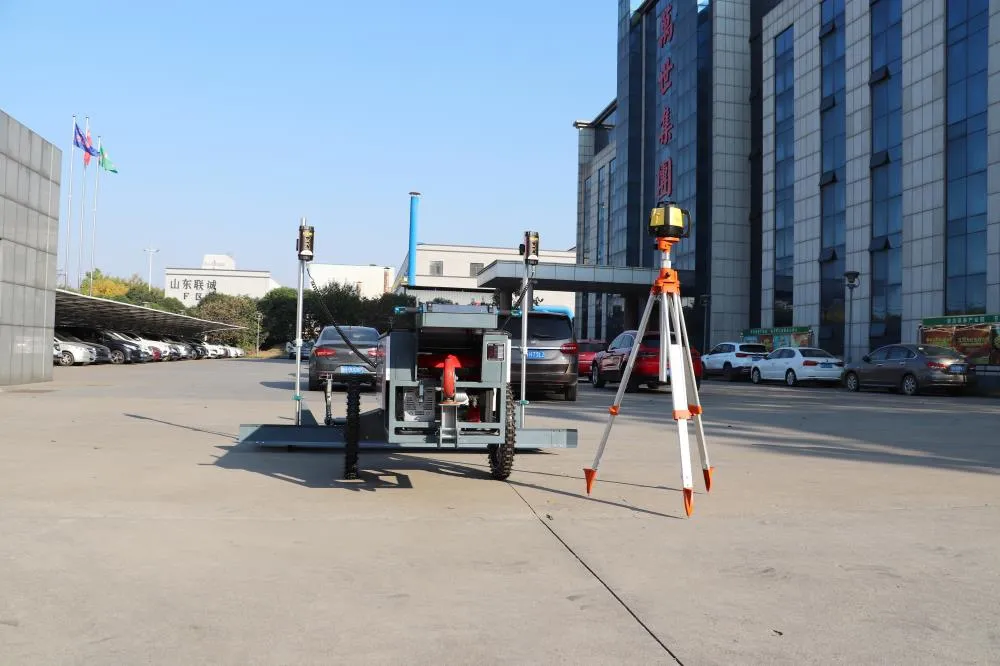
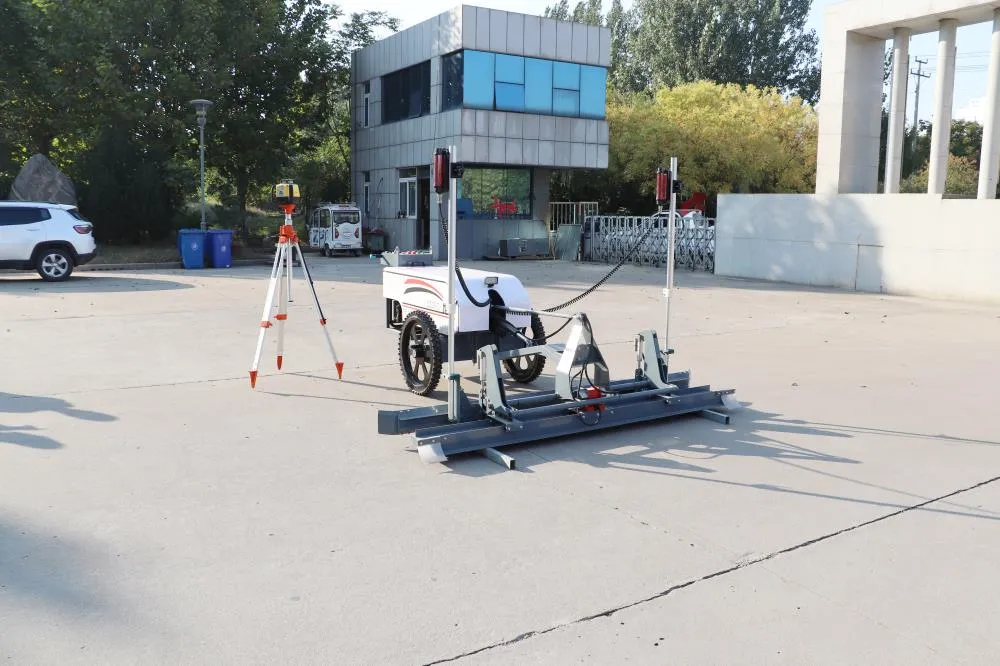
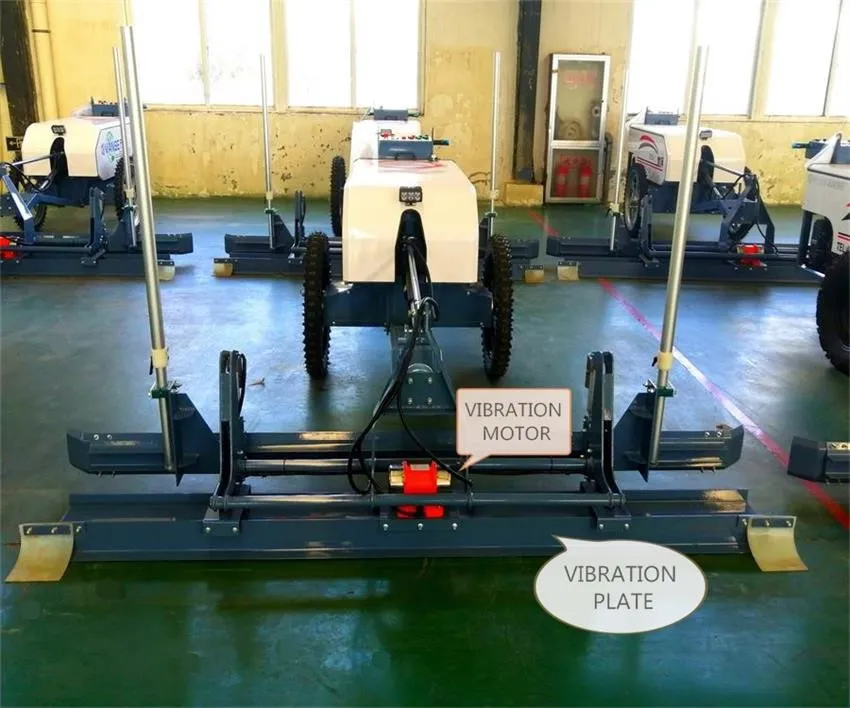
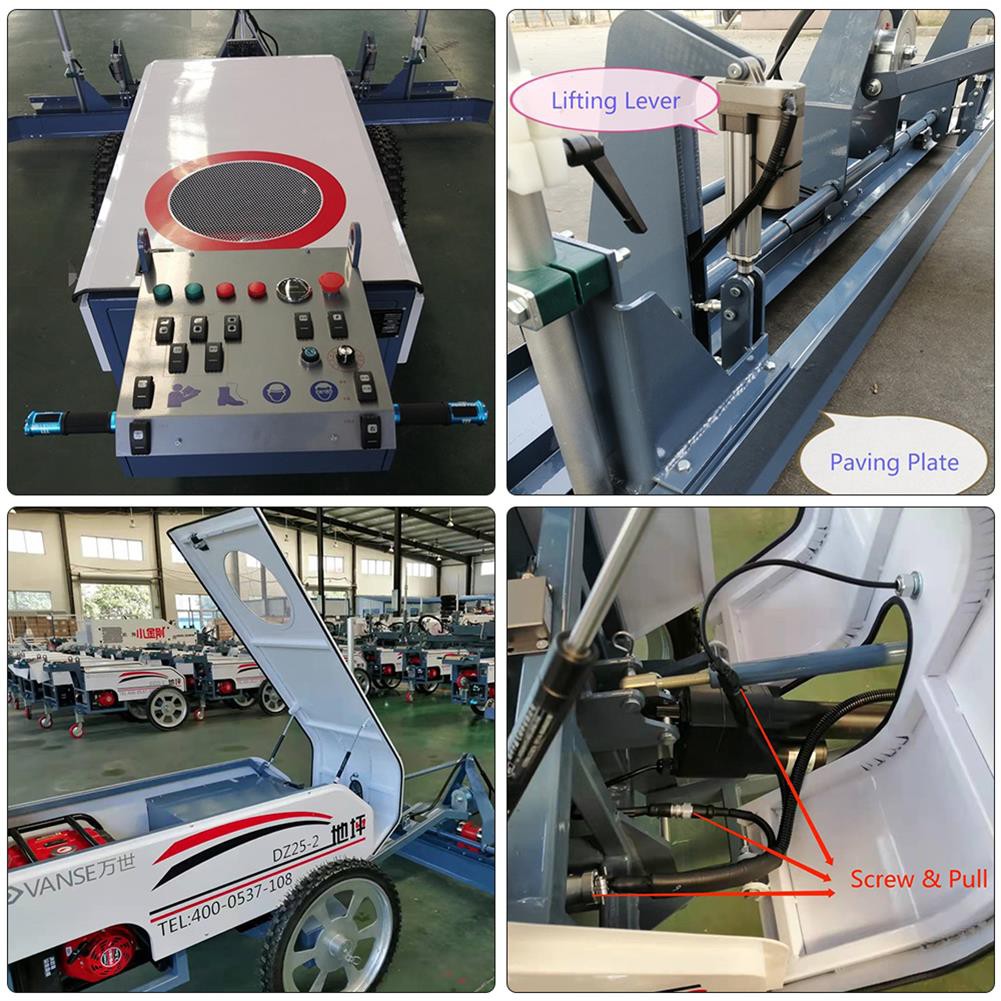
The floor-concrete laser leveling machine uses a scraper to take away the raised concrete and initially level it to reach the elevation required by the design. The two-wheel automatic walking system is adopted, and the vibration frequency is 4000 times/minute, which drives the entire vibration plate to vibrate the concrete together. The construction width of the floor concrete laser leveling machine is 2.5 meters.
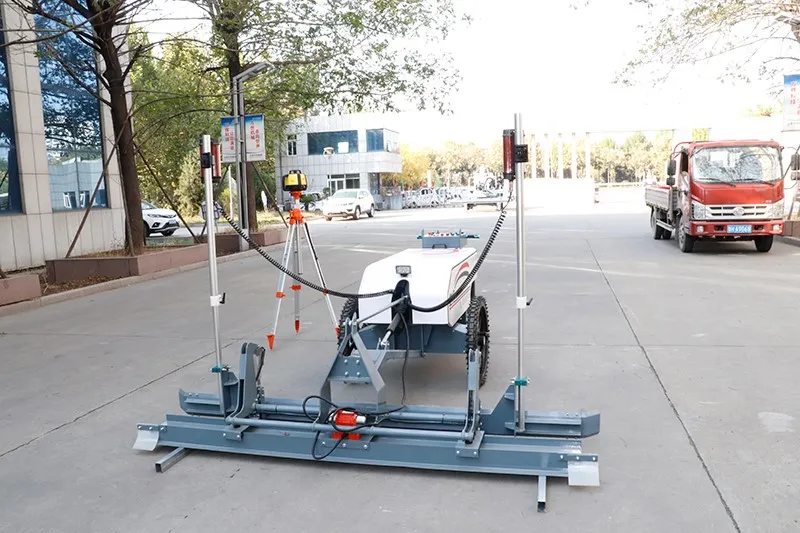
The leveling of the laser leveling machine does not need to pull the control line, nor does it need the side template to control the ground elevation, but is controlled by the laser measurement and control system on the leveling machine in real time. As long as the laser transmitter is not disturbed, no matter where the leveling machine moves, It can ensure that the overall elevation of the paved ground will not be affected.
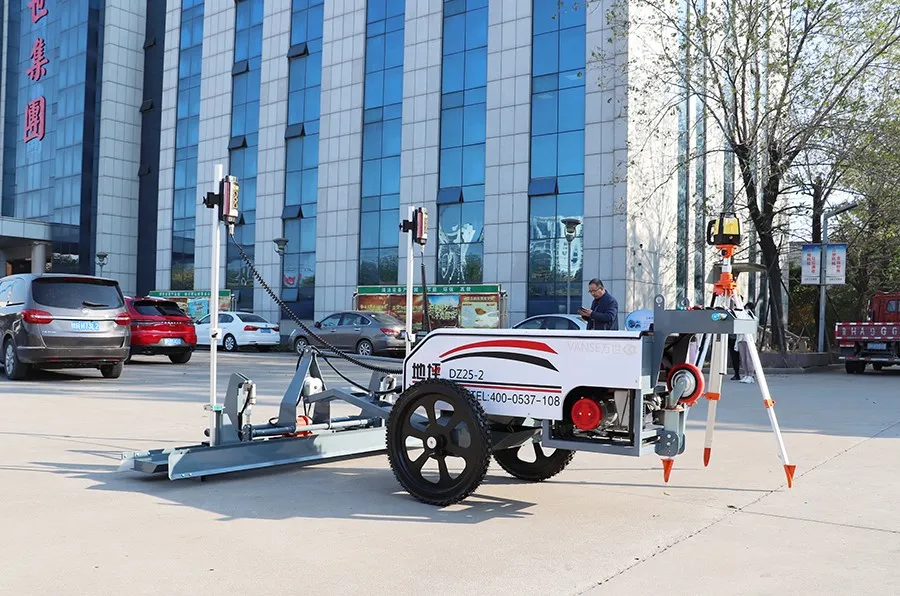
Through the combination of concrete laser leveling machine and professional and precise personnel, the flatness level of the (floor) ground can be raised from the current specification of 2 meters by 4mm to the standard of 2 meters by 2mm, and the (floor) ground The levelness can be achieved within the range of ±5mm/100m through the laser detection and control of two laser leveling devices and the leveling of the "Thunder Dragon" laser leveling machine.
Through professional floor treatment equipment-single-disc and double-disc drive troweling machines several times, the (building) floor forms a real "clear water concrete" surface layer. It is also possible to sprinkle and add color hardening agent during surface construction or to brush liquid concrete sealing and curing agent on the surface of the original slurry "clear water concrete" to improve the surface strength again and truly realize the super strong surface.
Through the simultaneous construction of the (building) ground concrete, the building (ground) method is completed at one time, which not only saves the materials, labor, and machinery of the second method, but also avoids the "empty drums and cracks" caused by the second method. , Peeling, sanding" and other common quality problems; it also reduces the load generated by the materials used in the secondary method between floors, saves the delay in the construction period caused by the secondary method, and greatly saves the turnover caused by the extension of the construction period The rental fees of tools and various equipment save a lot of cost and achieve economic benefits created by super saving.
Thanks to All the Friends Who Support and Trust Shandong Vanse Machinery Technology Co., Ltd.
If you want to know more about Shandong Vanse Machinery Technology Co., Ltd. or have any questions, please feel free to contact us:
Our Factory
Shandong Vanse Machinery Technology Co., Ltd.








Share this article

About the Author: Shandong Vanse Machinery Technology Co., Ltd.
Shandong Vanse Machinery Technology Co., Ltd. is a high-tech manufacturer specializing in concrete construction machinery, including laser screeds and related equipment. The company integrates R&D, production, and global sales, with products exported to over 60 countries and widely used in infrastructure projects worldwide.
Previous Post
Next Post
Related Articles
You Might Also Like
An analysis on how concrete laser leveling machines are applied in large-area floor construction
As a key equipment in modern floor construction, concrete laser leveling machines are widely used in large-area floor construction (such as industrial plants, logistics storage centers, large supermarkets, parking lots, etc.) due to their high efficiency and high precision. The following is a detailed analysis from the aspects of application advantages, core technology, construction process, applicable scenarios and precautions: Compared with traditional manual leveling (such as scraping with a ruler, vibrating with a vibrating rod) or small mechanical operations, concrete laser leveling machines show significant advantages in large-area construction: 1. Construction efficiency is greatly improved In large-area floor construction, concrete laser leveling machines can achieve continuous operation, and the average daily construction area of a single device can reach 800-2000㎡ (depending on the equipment model and concrete supply speed), which is 5-10 times the efficiency of manual construction. For example, a 100,000㎡ logistics warehouse floor can shorten the construction period by more than 30% and reduce labor costs by 40%-60% by using a concrete laser leveling machine. 2. Higher flatness and precision The concrete laser leveler forms a horizontal reference plane through the laser transmitter, combined with real-time sensor detection and automatic adjustment of the hydraulic system, which can control the flatness error of the floor within ±3mm/2m (far exceeding the ±5-10mm standard of traditional processes), meeting the high-precision requirements for large-area floors in the "Concrete Structure Engineering Construction Quality Acceptance Code", and is especially suitable for industrial floors that are sensitive to flatness (such as precision equipment workshops). 3. Reduce the risk of concrete cracking The integrated vibration system of the equipment (the spacing between the vibration rods is usually 20-30cm) can vibrate the concrete evenly, with a depth of 30-50cm, which can effectively discharge bubbles, reduce honeycomb surface, and avoid strength differences caused by uneven manual vibration. In addition, efficient construction can shorten the concrete pouring interval, reduce cold joints caused by segmented construction, and improve the integrity of the floor. 4. Reduce manual dependence and labor intensity Large-area floor construction requires a lot of manual cooperation (such as paving, leveling, and vibrating), while the laser leveling machine only needs 1-2 operators to cooperate with auxiliary workers (responsible for laying and edge processing) to complete the work, reducing the dependence on skilled workers and avoiding the labor intensity of long-term bending over. 1. Laser positioning system – The laser transmitter can form a 360° horizontal reference plane (covering a radius of 50-100m) above the construction area, which is not affected by the ups and downs of the ground, ensuring the overall horizontal consistency of large-area construction (traditional rulers can only ensure local flatness and are prone to cumulative errors). – Some high-end equipment is equipped with dual laser systems or laser radars, which can cope with complex environments (such as strong light, obstacles) and reduce signal interference. 2. Automatic control system The equipment detects the deviation between the concrete surface height and the reference surface in real time through sensors (response speed up to 0.1 seconds), and automatically adjusts the lifting and lowering of the scraper and vibrating mechanism to achieve "detection-adjustment-operation" closed-loop control to ensure uniform flatness at every location in large-scale construction. 3. High-efficiency vibration and paving mechanism – The frequency of the vibrating rod is adjustable (usually 3000-6000 times/minute), which can be adjusted according to the slump of concrete to ensure deep vibration and compaction; – The scraper width is mostly 2-4m, and the single paving area is large. With the equipment travel speed (adjustable from 0-10m/min), continuous and uniform paving is achieved. 1. Preliminary preparation – Base treatment: clean up the base debris and water accumulation, repair potholes, and ensure that the base flatness error is ≤5cm (use milling machine if necessary); – Laser system calibration: set the height of the laser transmitter according to the design elevation, and debug the matching degree of the equipment sensor and the reference surface; – Concrete preparation: Mix concrete according to the designed ratio (the slump is usually 120-200mm, and continuous supply is required to avoid construction interruption). 2. Concrete spreading and leveling – Spreading: Use a pump truck or a forklift to unload the concrete to the construction area, and manually level it initially (the thickness is slightly higher than the design elevation by 5-10cm); – Laser leveling: The equipment travels at a uniform speed in the longitudinal or transverse direction, the scraper scrapes the concrete surface, and the vibrator vibrates synchronously; if the area is too large, use the "block skipping method" construction (each block area ≤200㎡, leaving expansion joints) to avoid concrete shrinkage and cracking. 3. Subsequent treatment – Slurry raising and polishing: 1-2 hours after leveling (before the initial setting of concrete), use a polishing machine to raise the slurry and finish the surface (can be used in conjunction with the subsequent process equipment of the laser leveling machine, such as a four-disc polishing machine); – Maintenance: Cover with film or sprinkle water for maintenance, the maintenance period is ≥7 days to avoid surface cracking. – Industrial plant floor: such as automobile factories, electronic workshops, etc., which have high requirements for flatness (must meet the requirements of equipment installation and forklift driving) and strength, and laser leveling can reduce ground settlement and wear; – Logistics warehousing floor: The floor of large warehouses and distribution centers needs to withstand the rolling of heavy shelves and forklifts. The high precision of laser leveling can avoid the tilting of cargo stacking and the bumping of forklifts; – Transportation hub floor: such as airport aprons, high-speed railway station squares, etc., which have large areas and need to withstand vehicle loads for a long time, and require uniform overall strength of the floor; – Commercial and public building floor: such as large shopping malls and exhibition centers, which have high requirements for the aesthetics of the floor (flatness affects the subsequent epoxy and floor tile laying), and laser leveling can reduce the rework of later decoration. 1. Environmental adaptability – Strong light or rainy days may interfere with the laser signal, so a rain shelter or anti-interference laser system is required; – When the wind force is ≥ level 5, the laser transmitter may deviate, and construction needs to be suspended or the transmitter bracket needs to be reinforced. 2. Concrete quality control – The slump of concrete needs to be stable (fluctuation range ≤ 20mm), otherwise it is easy to cause sand or cracking on the surface after leveling; – Avoid interruption of concrete supply, otherwise cold joints will be formed, affecting the integrity of the floor. 3. Equipment operation and maintenance – The operator needs to be trained and familiar with laser system calibration and emergency handling (such as manual shutdown when the signal is lost); – Regularly clean the concrete residue on the vibrator and scraper to avoid affecting the accuracy of the equipment. 4. Cost consideration The purchase or rental cost of laser leveling equipment is relatively high (about 100,000-300,000 yuan for domestic equipment and about 500,000-1,000,000 yuan for imported equipment), but for large-scale construction of more than 10,000 square meters, the cost savings (labor and construction period) brought by its efficiency improvement are far higher than the equipment investment. The concrete laser leveling machine solves the pain points of "low efficiency, poor precision, and strong dependence on manual labor" in large-area floor construction through "laser reference + automatic control" technology, and has become the mainstream solution for modern floor construction. With the intelligent upgrade (such as unmanned driving and BIM technology integration), its application in large-area floor will be more efficient and more accurate, further promoting the development of floor construction towards industrialization and standardization. However, it is necessary to pay attention to the selection of equipment models in combination with scene requirements and strictly control the construction process to maximize its advantages. Click the below to jump immediately!!! ARMOUR JOINT CONCRETE LEVELING MACHINE LIGHT TOWER POWER TROWEL SLIPFORM MACHINE STEEL FIBER TOPPING SPREADER TRACKED MINI DUMPERWhat are the acceptance standards for concrete floors?
The acceptance standards and specifications for concrete floors mainly include the following aspects: ★Preparation before construction Before construction, it is necessary to check whether the base conditions, construction drawings and construction materials of the construction site meet the requirements. The base conditions should include foundation treatment, site drainage, etc.; construction drawings should include the design requirements, construction scope and construction technology of the floor, etc.; construction materials should meet design and quality requirements, and have corresponding certification documents. ★Construction process During the construction process, it is necessary to operate in accordance with the construction drawings and specifications to ensure that the flatness, strength and wear resistance of the floor meet the requirements. Specifically, the following points should be controlled: (1) Construction mix proportion: Conduct mix proportion tests in strict accordance with design requirements and specifications to ensure the quality and strength of concrete. (2) Pouring and Vibration: When pouring concrete, it should be poured in layers, and the thickness and vibration time of each layer should be controlled to ensure the density and integrity of the concrete. (3) Surface treatment: After the initial setting of the concrete, surface smoothing, compaction and wear-resistant treatment should be carried out to ensure the flatness and wear resistance of the floor surface. (4) Maintenance and protection: After the concrete reaches a certain strength, maintenance and protection should be carried out to prevent the floor from being damaged and polluted. ★Appearance quality Appearance quality is one of the important indicators for the acceptance of concrete floors. You should check whether the floor surface is flat, smooth, beautiful, and free of cracks, pits, holes and other defects. At the same time, the color and texture of the floor should be checked to ensure that it meets the design requirements. ★Dimensional deviation and elevation During acceptance, the dimensional deviation and elevation of the floor should be measured to ensure that it meets the design and specification requirements. Specifically, you should check whether the flatness, levelness, length, width, and height of the floor meet the requirements. ★Compressive strength and wear resistance Compressive strength and wear resistance are one of the important indicators for the acceptance of concrete floors, and corresponding tests should be carried out. Compressive strength refers to the maximum pressure value that the floor can withstand, and is generally tested using the rebound method or core drilling method; wear resistance refers to the degree to which the floor can withstand wear during use, and the wear resistance test method is generally used. Perform testing. ★Environmental performance During acceptance, the environmental performance of the concrete floor should also be checked to ensure that it will not cause harm to the environment and human body during use. Specifically, the materials used in the floor should be inspected to ensure that they do not contain ingredients harmful to humans and the environment. In general, the acceptance standards for concrete floors mainly include pre-construction preparation, construction process, appearance quality, dimensional deviation and elevation, compressive strength and wear resistance, environmental performance, etc. During acceptance, inspection and testing should be carried out in strict accordance with the design and specification requirements to ensure that the quality and use effect of the floor meet the requirements. At the same time, during daily use, the floor should also be inspected and maintained regularly to detect and deal with problems in time to extend its service life.What factors affect the compaction effect of concrete power trowel?
– Trowel type and weight – Different types of trowels, such as walk-behind and ride-on, have different compaction effects. Ride-on trowels are usually heavier, and their own weight can provide greater pressure for the compaction process. They are generally suitable for compacting large areas and thicker concrete. Walk-behind trowels are relatively light, and may require the operator to apply additional pressure when compacting thicker concrete. For example, a ride-on trowel can weigh hundreds of kilograms, and through its own gravity and the pressure generated by the operation of the machine, it can effectively compact a concrete layer of 10-15 cm deep; a walk-behind trowel generally weighs tens of kilograms, and for the same thickness of concrete, it may be necessary to achieve similar compaction effects through repeated operations or increased downward operating force. – The size and number of trowel discs on the trowel also affect the compaction effect. Larger trowel discs can cover more ground area when rotating, making the pressure more evenly distributed, which helps to improve the compaction effect. Compared with a single-disc trowel, a double-disc trowel can apply pressure to concrete from two directions at the same time, making the pressure on the concrete surface more balanced, thereby enhancing the compaction effect to a certain extent. For example, the diameter of the two trowel discs of a double-disc ride-on trowel can reach about 1 meter, which can better compact a large area of concrete during operation and reduce the height difference of the ground. – Power and speed of trowel – A powerful trowel can better overcome the resistance of concrete during operation, allowing the trowel blade to embed deeper into the concrete surface, thereby improving the compaction effect. For example, a gasoline-powered trowel has more power than an electric trowel of the same type. When dealing with hard concrete, it can drive the trowel blade to rotate with higher torque to effectively compact the concrete. – The speed of the trowel also has an important impact on the compaction effect. A trowel with a moderate speed can make the trowel blade fully contact with the concrete surface and evenly transfer the pressure to the concrete. If the speed is too high, the friction between the trowel and the concrete will increase, which may cause the trowel to jump and affect the uniformity of compaction; if the speed is too low, it will not generate enough centrifugal force and pressure, and the compaction effect will be greatly reduced. Generally speaking, the speed of the trowel machine is more suitable between 70 and 150 rpm. The specific speed should be adjusted according to the slump, hardness and other factors of the concrete. – Concrete slump – Slump is an indicator of the fluidity of concrete. Concrete with a large slump has good fluidity and is easier to be compacted under the action of the trowel. However, if the slump is too large and the concrete is too thin and soft, the trowel may sink into the concrete during operation, affecting the compaction effect and work efficiency. On the contrary, concrete with a small slump is relatively dry and hard, requiring greater pressure to compact, and the trowel of the trowel machine may be difficult to penetrate into the concrete, which is prone to uneven surface compaction. For example, concrete with a slump of 50-90 mm is more suitable for trowel compaction, which can ensure the compaction effect while making the trowel work normally. – Concrete mix ratio and aggregate characteristics – The mix ratio of concrete (the ratio of cement, sand, gravel and water) directly affects its performance. A reasonable mix ratio can make concrete have good workability and strength, which is conducive to compaction. For example, an appropriate increase in the amount of cement can improve the cohesion of concrete, making it easier to form a dense structure during compaction. – The characteristics of aggregates (sand and gravel) are also critical. The particle size, shape and gradation of aggregates will affect the compaction effect of concrete. Aggregates with moderate particle size, regular shape and good gradation can better fill each other in concrete, reduce pores, and make it easier for concrete to reach a dense state under trowel compaction. If the aggregate particle size is too large or too small, or the gradation is unreasonable, it may cause more pores inside the concrete, and it is difficult to achieve the ideal density even after trowel compaction. – Operation speed and pressure control – The operation speed of the trowel has a significant impact on the compaction effect. If the operation speed is too fast, the trowel blade will stay in each position for too short a time and cannot fully compact the concrete; if the operation speed is too slow, the work efficiency will be reduced. In actual operation, it is necessary to adjust the appropriate operation speed according to the state of the concrete and the performance of the trowel. For example, when compacting and troweling concrete after initial setting, the operation speed of the hand-held trowel is generally controlled at 2-4 meters per minute. – The pressure applied by the operator to the trowel is also important. Appropriately increasing the pressure can improve the compaction effect, but excessive pressure may cause excessive wear of the trowel blade and even damage the concrete surface. The operator needs to reasonably control the pressure according to the hardness of the concrete, the type of trowel and the trowel stage (rough grinding or fine grinding). In the rough grinding stage, the pressure can be appropriately increased to compact the concrete; in the fine grinding stage, the pressure should be reduced to obtain a smooth surface. – Operation trajectory and number of times – A reasonable operation trajectory can make the concrete surface subject to uniform pressure and improve the compaction effect. Usually, a zigzag, circular or spiral operation track is used. For example, in the construction of large-scale concrete floors, a circular operation track is used to gradually compact and smooth from the edge to the center or from the center to the edge to ensure that the entire floor can be evenly treated. – The number of operations will also affect the compaction effect. Generally speaking, multiple smoothing and compacting of concrete, with each smoothing direction perpendicular to each other, can make the concrete surface smoother and denser. However, too many operations may cause the mortar layer on the concrete surface to be too thick, resulting in surface cracking and other problems, so the number of operations needs to be controlled according to actual conditions.