Technical Knowledge
The Maintenance Work Must Not Be Ignored To Ensure The Leveling Effect Of The Concrete Laser Leveling Machine
THE MAINTENANCE WORK MUST NOT BE IGNORED TO ENSURE THE LEVELING EFFECT OF THE CONCRETE LASER LEVELING MACHINE
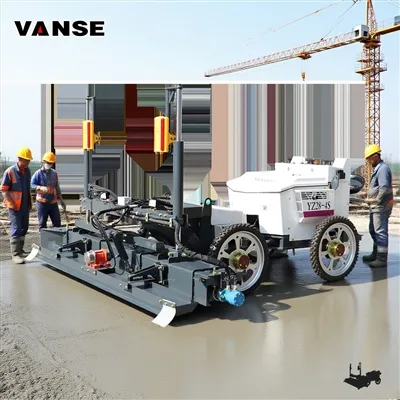
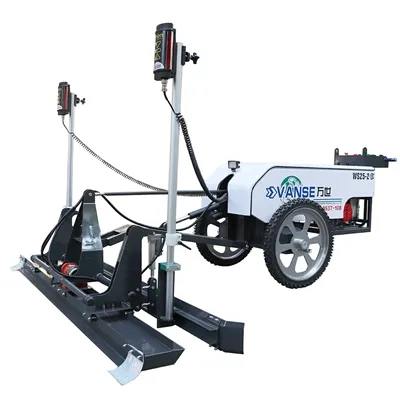
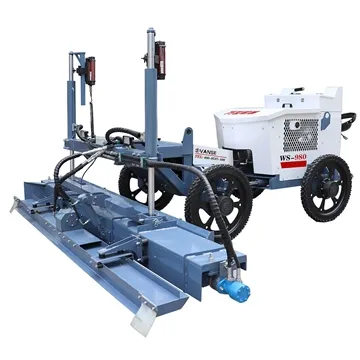
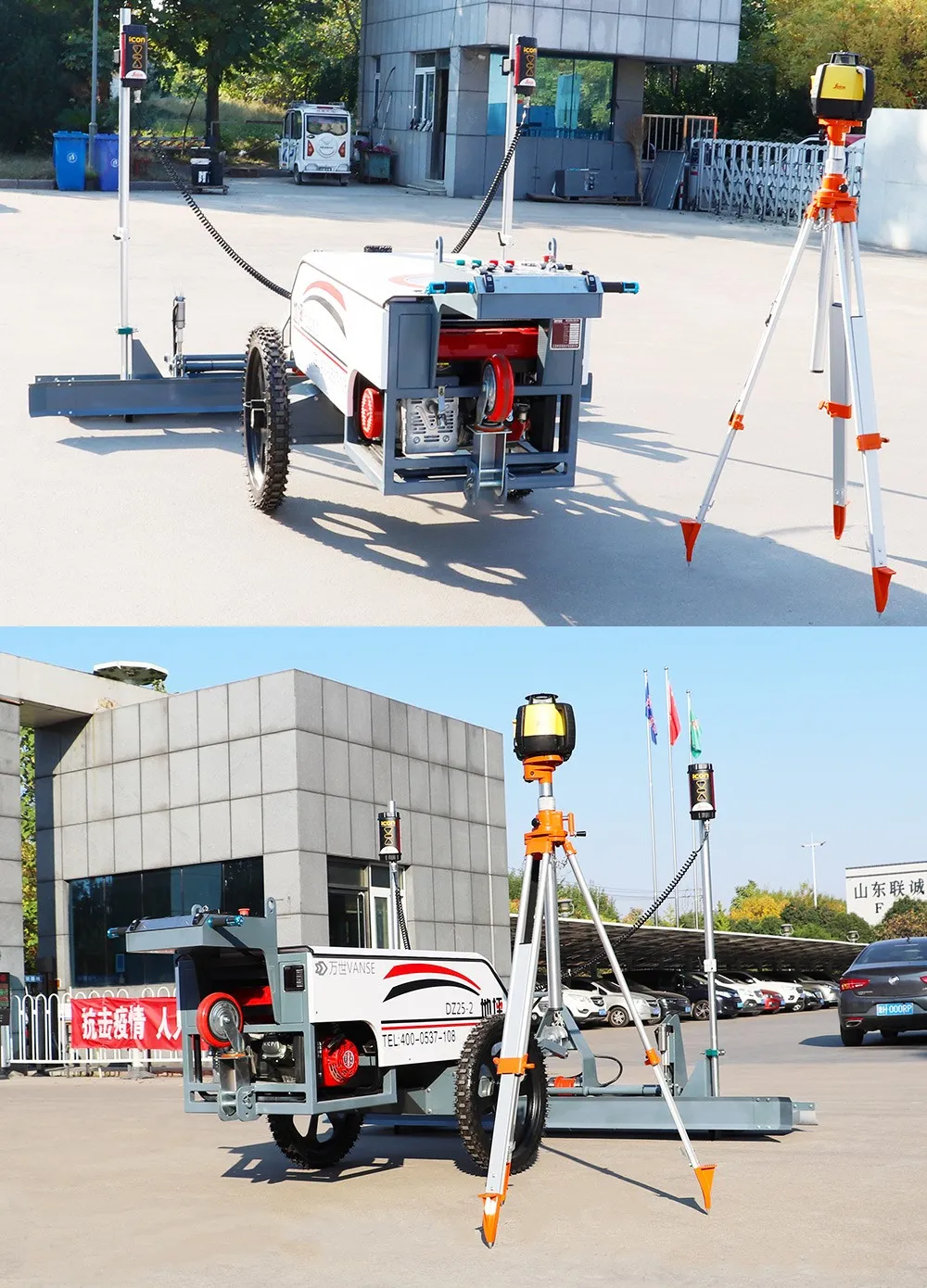
Although the concrete laser leveling machine looks bulky, it is not small. Therefore, when using the concrete laser leveling machine, we must pay attention to the requirements and do a good job of maintenance, so as to ensure the construction of the equipment and personal safety. As a manufacturer of leveling machines, VANSE Machinery will introduce the accumulated experience and methods for you in detail below. Friends who want to know more can watch the following.
◈
After finishing the leveling work, carry out routine maintenance work according to the content of routine maintenance procedures.
◈
Concrete laser leveling machine with direct contact with asphalt mixture during operation, each working device and movement mechanism, spray diesel oil after operation and then run for a period of time to remove residual asphalt on it, so that it can run freely and rotate flexibly. It is forbidden to spray diesel oil on the electric control system and helix to prevent fire and combustion when electrified.
◈
After leveling the fly ash soil, wash it with water to wash off the white material. After washing, use waste hydraulic oil to lubricate the moving parts of the scraper conveyor chain, and apply anti-rust oil to the piston rod. Be careful not to allow water to wash into the electrical appliances and bearings to prevent short circuits and foreign objects entering the bearings.
◈ Clean and check the elevation adjustment device of the inclinometer, and lubricate the lead screw with grease. Apply grease to the slide rails of the floating arm. Grease each oil filling point until the seam overflows. For levelers with oil filling cups, observe the consumption and fill them up at any time.
◈ After the concrete laser leveling machine has been used for a long time, grease should be added to each bearing part once a week, and lubricating oil should also be added to each chain to maintain good lubrication. At the same time, attention should be paid to avoid sand and other sundries from getting into the chain to prevent premature chain damage. Generally, at the end of one month or every construction period, the machine should be inspected and maintained in detail once. Always pay attention to the tightness of the V-belt and the chain, adjust it in time if it is too loose, and adjust the fastening bolts frequently to prevent loosening.
◈ When the machine is not in use for a long time, the machine should be parked on a flat ground, and the paving roller should be lowered to contact the ground, and avoid placing it in the air to prevent the roller shaft from bending. When the machine is transferred to the work site, it can be moved automatically when the distance is relatively close and the site is spacious and flat; otherwise, other transportation tools should be used to move it.
Concrete laser leveling machine is a new type of equipment for leveling the ground. Using the leveling machine can improve the quality and quantity of ground leveling. The leveling machine also needs maintenance, so we must pay attention to cleaning after use. If you encounter any difficulties during use, you can call us for consultation, and we will solve your problems by phone.
Thanks to All the Friends Who Support and Trust Shandong Vanse Machinery Technology Co., Ltd.
If you want to know more about Shandong Vanse Machinery Technology Co., Ltd. or have any questions, please feel free to contact us:
Our Factory
Shandong Vanse Machinery Technology Co., Ltd.








Share this article

About the Author: Shandong Vanse Machinery Technology Co., Ltd.
Shandong Vanse Machinery Technology Co., Ltd. is a high-tech manufacturer specializing in concrete construction machinery, including laser screeds and related equipment. The company integrates R&D, production, and global sales, with products exported to over 60 countries and widely used in infrastructure projects worldwide.
Previous Post
Next Post
Related Articles
You Might Also Like
How can maintenance standards for equipment used in concrete construction be improved?
In concrete construction, improving equipment maintenance standards requires focusing on the characteristics of core equipment (such as concrete laser screeds and trowels) and the demands of construction scenarios. A closed-loop system encompassing four key dimensions: system improvement, process refinement, technical empowerment, and personnel management, should be established to ensure the equipment maintains efficient and safe operation. The following is a specific implementation path: Concrete laser screeds (relying on laser systems, hydraulic devices, and screed blades) and trowels (focused on grinding discs, power systems, and clutches) have significantly different structures and vulnerable components. Therefore, it is necessary to establish maintenance systems tailored to each device and component to avoid a one-size-fits-all approach. Precision of equipment files Create an independent electronic file for each laser leveler and trowel machine to record key information: Basic Information: Equipment model (e.g., SXP-200 laser leveler, MG-36 trowel), serial number, purchase date, warranty period; Core Components: Laser leveler laser transmitter, receiver, and hydraulic pump models; Trowel disc material (diamond/alloy), motor power, and clutch brand; Maintenance History: Date of each maintenance/repair, component replacement records, and cause of failure (e.g., laser receiver interference with dust, trowel disc wear). Quantified Tiered Maintenance Standards The three-level maintenance system, "daily – regular – seasonal", clarifies the specific operating requirements for the two types of equipment to avoid ambiguity: Maintenance Level Period Core Requirements for Concrete Laser Leveling Machines Key Requirements for Trowel Machines Daily Maintenance Daily before and after construction 1. Clean the laser transmitter/receiver lens with a dust-free cloth (to avoid dust that could affect accuracy); 1. Clean any remaining concrete from the grinding disc (use a scraper to remove it to prevent it from sticking after hardening). 2. Check the hydraulic oil tank oil level (must be above 2/3 of the scale line) and observe whether the oil is turbid; 2. Check the grinding disc mounting bolts for looseness (torque must comply with the manufacturer's instructions, e.g., 25 N·m). 3. Test the leveling blade for flatness and straighten if deformed. 3. Run the machine for one minute to listen for any unusual motor noises and ensure the clutch engages and disengages smoothly. Regular Maintenance Every 50 hours (or weekly) 1. Replace the hydraulic oil filter and refill with anti-wear hydraulic oil (must match the model, such as L-HM46); 1. Check the motor carbon brushes for wear (replace if the remaining length is less than 5 mm). 2. Calibrate the laser system: Use a standard ruler to ensure the leveling error is ≤ 2mm/2m; 2. Replace the grinding disc (when the grinding disc thickness is less than 10 mm, avoid uneven grinding discs that can cause sanding on the floor). 3. Lubricate the travel wheel bearings (fill with lithium-based grease, such as ZL-3). 3. Clean the electrical box and tighten the terminals to prevent concrete dust from causing a short circuit. Seasonal Maintenance Before construction in winter/summer 1. Winter: Replace with low-temperature hydraulic oil (such as L-HV32) and install an insulation cover on the laser system to prevent freezing due to low temperatures; 1. In winter: Check the cable insulation to prevent low-temperature cracking. 2. Summer: Clean the hydraulic system heat sink (use compressed air to remove dust) and check the motor cooling fan. 2. In summer: Apply high-temperature grease (such as ZL-4) to the motor bearings to prevent high-temperature seizures. Equipment failures often stem from overlooking minor issues. Maintenance should be integrated into the entire construction process, especially for precision-sensitive components on laser levelers and high-frequency wear components on trowels. Laser levelers: Prioritize checking the laser system's "effectiveness"-after powering on the machine, test the receiver's sensitivity using a calibration plate. If a "flashing signal" is detected, check the lens cleanliness or battery level (the laser transmitter battery must be fully charged to avoid power outages that could cause leveling errors). Also, check the hydraulic lines for leaks (focusing on the joints; if oil is present, replace the seals). Smoothing machines: Focus on testing the "power and clutch"-after starting, allow the machine to idle for 30 seconds to observe whether the grinding disc rotates smoothly (without eccentricity or wobble). When the clutch handle is pulled, the grinding disc should start and stop immediately. If there is a delay, adjust the clutch cable tension (too loose can cause the grinding disc to "slip," while too tight can burn the clutch plate). Stop the machine for inspection every two hours: Laser screeds should be inspected for stuck scrapers (concrete clumps can cause scraper deformation). Trowels should be inspected for grinding disc wear (if the disc edge appears jagged, the machine should be stopped and replaced to avoid scratches). Intensified inspections during extreme conditions: When pouring large volumes of concrete (ambient temperature > 35°C), check the laser screed hydraulic oil temperature every hour (if it exceeds 65°C, stop the machine and cool it down to prevent damage to the hydraulic pump). Trowels operating on rapidly hardening concrete surfaces should frequently check motor load (if the motor is overheating, reduce the operating speed to avoid overload and burnout). Laser screed machines: Use a high-pressure water jet (pressure ≤ 0.8 MPa to avoid damaging laser components) to rinse the concrete on the machine body, focusing on cleaning the scraper and travel wheels. The laser transmitter must be disassembled and stored separately (in a dry, dust-proof box to prevent moisture from getting on the lens). The hydraulic system must be run at no load for 5 minutes to expel air from the lines, then the power must be turned off. Troweling machines: First, scrape away any remaining concrete from the grinding disc, then use a wire brush to clean the gaps between the discs. Wipe the motor housing with a damp cloth (avoid direct water on the electrical components). Finally, coil the cables neatly and store them in a dry, well-ventilated area to avoid contact with sharp objects and damage. Traditional "rule-of-thumb" maintenance is prone to oversights, requiring the use of technology for more precise maintenance, especially for the core precision components of laser screed machines. Installation of intelligent monitoring equipment Laser levelers: Install a hydraulic oil temperature sensor and laser signal detector to collect real-time data and synchronize it to a mobile phone (e.g., via Bluetooth). When the oil temperature exceeds a threshold (e.g., 70°C) or the laser signal strength falls below a specified value (e.g., <80%), an alert is automatically sent to prevent manual inspections from missing information. Trowel machines: Install a current sensor on the motor to issue an alert when the motor load current exceeds the rated value (e.g., if the rated current of a 10A motor exceeds 12A), prompting a prompt to reduce operating intensity and prevent motor overload. Specialized tools ensure maintenance quality Laser levelers: Calibrate the laser system with a laser level (accuracy ±0.1mm). Replace hydraulic filters with a filter wrench (to avoid damaging the filter housing). Trowelers: Remove the grinding disc with a dedicated socket wrench (matching the disc bolt size, such as M12). Adjust the clutch cable with a cable tension gauge (ensure the tension meets the manufacturer's specifications, such as 50N). The core of equipment maintenance is people. Training, assessment, and responsibility division are essential to prevent equipment damage caused by improper operation. Layered training covering "operation – maintenance – emergency" Basic Training (Operator): Focuses on laser leveling machine "laser system protection" (avoid hitting the lens with hard objects) and trowel machine "grinding disc replacement specifications" (bolts must be tightened diagonally to prevent uneven wear). Advanced Training (Maintenance): In-depth explanation of the principles of the laser leveling machine hydraulic system (e.g., common hydraulic pump troubleshooting: loud noise may indicate oil contamination) and trowel machine motor maintenance (e.g., carbon brush replacement procedures). Emergency Training: Develop emergency response procedures for sudden failures (e.g., laser leveling machine hydraulic line rupture, trowel machine motor smoke) (immediately shut down the machine, disconnect the power supply, and replace with backup equipment). Assign responsibilities to individuals and establish a "maintenance assessment mechanism." Implementing an "equipment-to-personnel" responsibility system: Each laser leveler and trowel machine is assigned a dedicated operator and maintenance person, who sign and confirm the equipment records, clearly stating "operator, responsible for daily maintenance, and maintenance, responsible for regular inspections." Performance-linked: Equipment availability (target ≥ 95%) and downtime (target ≤ 1 hour/day) are incorporated into performance appraisals. If equipment malfunctions due to inadequate maintenance (e.g., laser receiver accuracy deviation due to dust not being cleaned) are reported, the relevant personnel will be held accountable. Long-term trouble-free equipment performance is rewarded. Through the above measures, a closed loop can be formed from the four dimensions of "system, process, technology, and personnel" to specifically solve the maintenance pain points of concrete laser leveling machines and trowel machines, and ultimately achieve the goals of reducing equipment failure rates, extending service life, and stabilizing construction quality. Note: The parameters provided in this document are for reference only and are not mandatory. Due to differences in technical characteristics between different brands and models of laser levelers, please consult the manufacturer for a suitable solution before actual operation. This reference document assumes no responsibility for any issues arising from failure to follow the manufacturer's instructions.A good choice to improve efficiency,the most cost-effective laser leveling machine
With the continuous development of the world economy and the continuous increase of the world's population, the construction industry is also booming. The technical level of the construction industry continues to improve. Take floor construction for example! In the past, our floors may have been finished manually, but now laser leveling machines have appeared. It is completely suitable for occasions that could only be handled manually. However, with the rapid development of the economy, there are more and more such machines, so that people do not know how to choose them. So how do we choose a cost-effective machine? It should not be difficult for us to know that there is a concrete laser leveling machine used for large-area floor construction, so we first need a machine with a small flatness error to complete the project to avoid major changes in the entire project due to a small error. So the second question is, how long will it take us to complete such a large-area project? Therefore, we have to choose a machine with a large workload. For example, Wanshi has a small machine that can complete an area of more than 1,500 square meters in just half a day. It is a good choice in this regard. Finally, it's cost-effectiveness. Many machines are high-priced but low-profile equipment, which costs a lot of money. Well, according to my experience, when constructing a building and watching their workers complete the construction bit by bit, using a small laser leveling machine, the entire project is very beautiful. . Although this small machine has a small body and head, it does have a great effect. Therefore, this type of small machinery is very popular on the market now, and it can also be recycled, recycled and disassembled to meet individual needs.VANSE laser leveling machine training and after-sales service after purchasing the machine
VANSE laser leveling machine training and after-sales service after purchasing the machine Shandong VANSE Machinery Co., Ltd. not only sells laser leveling machines, but also assists customers to complete projects and meet high-standard construction requirements. The so-called assisting customers to do projects means that our company's personnel will operate in the early stage of construction, and provide systematic training to the customer's construction personnel at the same time, which can be roughly divided into the following three steps: 1. The first job after the machine is sold is the pre-construction work. Our staff will explain the construction process, installation, and commissioning of the machine to the customer in detail: 1) After the base level is processed, the equipment of the laser leveling machine is adjusted, and the fixed reference level is drawn according to the original level point; the plastic film is laid, the steel mesh is bound (according to the design requirements), and the side formwork is supported; the laser transmitter is erected , introduce the floor level into the laser leveling machine according to the original benchmarking point. 2) Convey concrete, use commercial concrete, and transport it to the construction site with concrete trucks. 3) Scale calibration Use a hand-held receiver to check the floor elevation, introduce the elevation into the laser leveling machine, and adjust the reference point (±0.00) on the leveling machine. 2. Prepare well for the construction. During the construction, we will explain in detail the training and operation of the machine, the on-site construction, and the solutions to the problems that are easy to occur during the learning construction: 1) Concrete paving, within the effective construction range of the leveling head of the laser leveling machine, the concrete is initially leveled manually to a height of 1-2 cm higher than the floor level (the specific height depends on the slump of the concrete), and then the concrete The laser leveling machine completes the vibration, compaction and leveling work at one time. 2) Troweling and finishing. When the poured concrete reaches initial setting, it is polished by a trowel machine, and then manually troweled and finished. 3. After construction, we will explain to customers in detail the maintenance of the machine, different types of engineering construction methods, and different standard construction methods: 1) After each construction, you need to use the arm lift button to manually lift the machine head, and then exit the construction site. During this process, be careful not to push the machine when the vibration leveling part is in contact with the ground, otherwise it is easy to cause damage to the vibration plate. Moreover, after the construction is completed, it is necessary to flush the machine with a high-pressure water gun in time to prevent the water gun from being directly aimed at the mesh part of the fuselage for washing, so as to prevent water from entering the inside of the fuselage and causing problems such as short circuit of the machine circuit. 2) In addition, pay attention to the maintenance of the concrete floor. After the concrete is troweled, it is not allowed to move heavy objects on the floor for at least 7 days, and it should be kept in a moist curing state. In order to achieve a good maintenance effect, the surface should be covered to isolate the concrete from the outside. During the maintenance period, when the strength of the surface concrete does not meet the requirements, it is strictly forbidden to use people; the cutting seam should be in accordance with the design requirements, and the surface treatment of the floor should be completed. It is to be carried out later, that is, to ensure that it is carried out before the final setting of the concrete. The spacing, width, and depth of the cuts must meet the requirements of the design and construction specifications; the joints should be filled and protected until the concrete reaches its strength before it can be used. Our Shandong VANSE Machinery has a standard, that is, the customer's construction personnel are proficient in operating the machine, can do the on-site construction well, and complete the three training procedures to meet the standards of Party A and the customer's approval, and our company's staff can leave the site.