Technical Knowledge
Maintenance points for special parts of concrete laser leveling machine


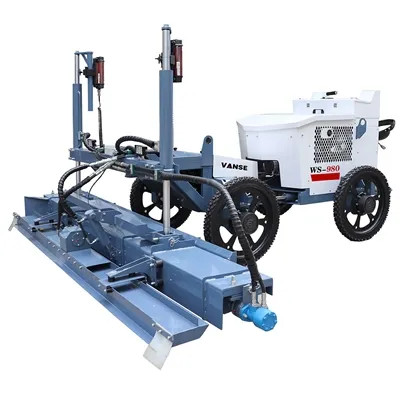
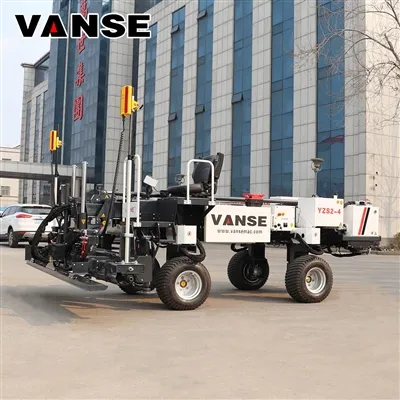
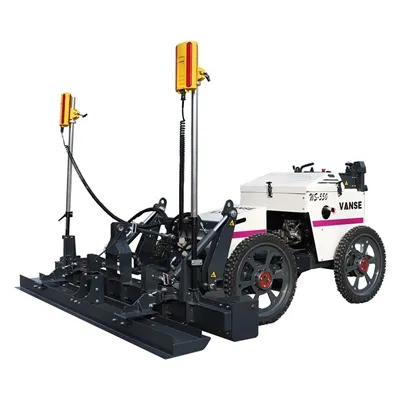
Every piece of equipment needs to be maintained after use, and the concrete laser leveling is no exception. The maintenance work seems simple, but in fact it also hides a big mystery. If the maintenance method is suitable for this equipment, it will It is effective, but if it is not suitable, such maintenance will be in vain and will not play a big role at all. Let's take a detailed look at the main points to master in the maintenance of the equipment. Maintenance points for "special" parts of concrete laser levelings
1.
The connection between the supercharger of the concrete laser leveling machine and the inlet and exhaust pipes must be tight without air leakage. If there is air leakage between the exhaust pipe and the exhaust gas turbine, the efficiency of the supercharger will be greatly reduced and the exhaust temperature of the diesel engine will be reduced. The valves and supercharger will be damaged due to sudden increase. Before starting the new engine, the supercharger and supercharger oil filter must be filled with clean oil to ensure that the supercharger bearings can be lubricated as soon as the diesel engine is started. After the car has traveled 8,000 to 10,000km, the supercharger oil filter element must be replaced.
2.
Before shutting down the diesel engine of the concrete laser leveling machine, it should be run at idle speed for 3 to 5 minutes to reduce the supercharger speed and temperature, and listen to the sound of the supercharger running. If any abnormality is found, the machine should be stopped for inspection, such as If the supercharger rotor rotates sluggishly and makes sounds of sticking or wear, it must be sent to a qualified repair station for repair.
3.
After every 500 hours or 30,000km of concrete laser levelinging, the gap on the supercharger rotor shaft should be checked, and the dust and carbon deposits on the compressor turbine casing and rotor blades should be cleaned. At this time, the turbocharger should be Remove it from the diesel engine and replace the metal gasket between the supercharger exhaust pipe. It is not allowed to use mechanical methods to remove the scale on the rotor parts. Instead, use gasoline or other cleaning fluids for cleaning aluminum parts.
4.
The locking nut of the supercharger compressor of the concrete laser leveling machine cannot be disassembled, otherwise the dynamic balance of the supercharger rotor will be destroyed and the supercharger will be damaged.
5.
Do not damage or deform the rotating parts of any removed turbocharger, otherwise it will affect the balance of the concrete laser leveling machine turbine, and do not damage any rubber seals.
Thanks to All the Friends Who Support and Trust Shandong Vanse Machinery Technology Co., Ltd.
If you want to know more about Shandong Vanse Machinery Technology Co., Ltd. or have any questions, please feel free to contact us:
Our Factory
Shandong Vanse Machinery Technology Co., Ltd.








Share this article

About the Author: Shandong Vanse Machinery Technology Co., Ltd.
Shandong Vanse Machinery Technology Co., Ltd. is a high-tech manufacturer specializing in concrete construction machinery, including laser screeds and related equipment. The company integrates R&D, production, and global sales, with products exported to over 60 countries and widely used in infrastructure projects worldwide.
Previous Post
Next Post
Related Articles
You Might Also Like
What scenarios are the super flat floors suitable for?
Super flat flooring is a high-precision, high-flatness floor treatment method that is suitable for various commercial places, industrial plants, airports and other places that require long-term use and maintenance. The following are the scenarios where super flat floors are suitable for use: ▶Commercial places Commercial places are one of the places where super flat floors are most commonly used, including shopping malls, department stores, supermarkets, restaurants, coffee shops, etc. In these locations, ultra-flat floors can provide a high level of surface flatness and wear resistance, improving customers' shopping experience and comfort while reducing maintenance costs and time. ▶Industrial plant Industrial plants are another place that requires high-precision floor treatment, including manufacturing workshops, warehouses, laboratories, etc. In these places, ultra-flat floors can provide better ground support and wear resistance, reduce damage to the ground by machines and vehicles, and at the same time improve work efficiency and safety. ▶Airport Airports are another place that requires high-precision floor treatment, including runways, aprons, terminals, etc. In these locations, ultra-flat floors can provide better surface flatness and wear resistance, improving the operational efficiency and safety of aircraft and vehicles while reducing maintenance costs and time. ▶Hospital The hospital is a place that requires a high degree of cleanliness and hygiene, and super-flat floors can meet these requirements to a certain extent. For example, in areas such as operating rooms and wards, ultra-flat floors can provide better surface flatness and dust-freeness, reducing the risk of bacterial growth and infection while improving patient comfort and satisfaction. ▶School The school is a place that requires a high degree of safety and maintenance, and super-flat floors can meet these requirements to a certain extent. For example, in areas such as classrooms and libraries, ultra-flat floors can provide better surface flatness and wear resistance, reducing the risk of slips and falls while improving students' learning efficiency and comfort. In general, super flat floors are suitable for various places that require long-term use and maintenance, including commercial places, industrial plants, airports, hospitals, schools, etc. In these places, super-flat floors can provide high levels of surface smoothness, wear resistance, waterproofness, anti-slip, pressure resistance, dust-freeness and aesthetics, improving work efficiency, safety and comfort. , while reducing maintenance costs and time.How can the operational efficiency of concrete laser leveling be enhanced?
Improving the efficiency of concrete laser leveling construction requires comprehensive control across multiple aspects, including equipment management, construction process optimization, personnel operation, and environmental coordination. The following is a detailed improvement strategy, covering key aspects such as preliminary preparation, construction process, and post-construction support: Adequate preliminary preparation directly impacts construction efficiency and should focus on equipment, materials, and site planning. Comprehensive Overhaul: Before construction, inspect the core components of the laser leveling, including the laser transmitter (ensuring horizontal accuracy, with an error of ≤±1.5mm/10m), the hydraulic system (no leaks and normal pressure), the scraper and vibrating plate (for wear and replacement if necessary), the engine (sufficient fuel, oil, and coolant), and the electrical system (sensors and control panel sensitivity). Calibrating the Laser System: The laser transmitter must be mounted on a stable bracket to prevent vibration interference. Use a level to perform a secondary calibration of the laser plane to ensure that the construction elevation error meets design requirements (typically ≤5mm). Spare Parts Preparation: Prepare consumable parts such as laser receiver batteries, hydraulic hoses, and vibration motor carbon brushes in advance to avoid downtime due to missing parts. Stable Concrete Supply: Communicate with the concrete mixing plant in advance to clarify the concrete strength grade and slump (a slump of 80-120mm is recommended for laser leveling to avoid segregation caused by excessive slump and increased resistance caused by excessive slump). Ensure continuous supply, with the hourly supply rate matching the leveling machine's operating efficiency (e.g., 300 m2/h requires sufficient concrete volume). Ahead-of-site Material Arrival: If on-site mix ratio adjustments are required, prepare additives such as fly ash and water reducers in advance to avoid interruptions due to material shortages. Site Leveling and Marking: Clear the site of debris and accumulated water in advance. Install benchmark stakes according to the design elevation (spacing ≤5m). Use chalk lines to define the construction area (e.g., 20m x 20m blocks to avoid wasted time working across different areas). Base Preparation: The base must be compacted (compaction degree ≥ 93%). When laying steel mesh or plastic sheeting, secure it in place beforehand to prevent deformation or material shifting during leveling operation. The key to improving efficiency during construction lies in reducing ineffective work and shortening intervals between work steps, while ensuring construction quality. Rational Parameter Setting: Adjust the vibration frequency (200-300 times/min for high slumps, 300-500 times/min for low slumps) and scraper speed (usually 3-5 m/min) based on the concrete slump. This will avoid rework due to improper parameters (such as missed vibrations, over-vibration, or uneven surfaces). Continuous Working Path: Utilize a "Z-shaped" or "serpentine" working path to minimize equipment turns and starts and stops (each start and stop wastes approximately 1-2 minutes). The overlap width between adjacent working areas should be limited to 10-15 cm to avoid missed work. Multi-person coordination: Clear division of labor: One person operates the leveling, two to three assist with spreading (using a shovel or scraper to initially level the concrete to 5-10cm above the design elevation), and one person is responsible for edge trimming to avoid equipment waiting due to disjointed coordination. Simultaneous auxiliary processes: After the leveling is operating, personnel should be promptly assigned to perform surface grouting and smoothing (a walk-behind smoothing machine can be used immediately following the leveling, with a distance of ≤5m). This prevents unresolved handling after the initial setting of the concrete (initial setting time in summer is approximately 2-3 hours, requiring a tight schedule). Zone-by-zone flow construction: Follow a continuous flow of "spreading → leveling → smoothing → curing" procedures. While the previous section is smoothing, the next section is simultaneously spreading, creating a continuous construction rhythm and reducing equipment idle time. Constant Concrete Supply Interruptions: If the concrete mixing plant is experiencing a delay in supply, immediately suspend the leveling machine and temporarily smooth over the already placed concrete to prevent surface dehydration and cracking. Once supply is restored, prioritize joint repairs to ensure smoothness. Quick Response to Equipment Failures: Deploy professional maintenance personnel on-site. Common faults (such as laser receiver failure and hydraulic oil leaks) must be identified and repaired within 10 minutes to avoid prolonged downtime. Operator skill levels and teamwork directly impact efficiency and require improvement through both training and management. Operational Skills Training: Ensure operators are familiar with equipment performance, master parameter adjustment techniques (such as fine-tuning vibration frequency based on concrete conditions), and emergency shutdown procedures (immediately stop and inspect the machine if the laser signal is lost). Safety and Quality Training: Clarify construction standards (e.g., surface smoothness ≤3mm/2m) to avoid rework due to quality issues (rework increases work hours by at least 20%). Shift Work: For long-distance or large-area construction (e.g., over 1,000 square meters per day), a two-shift system is employed, with each shift lasting eight hours. Equipment is only stopped for one hour for refueling and inspection to maximize equipment utilization. Performance Incentives: Incentives are set based on the construction area and the leveling pass rate to improve team motivation and reduce passive work. Efficient construction requires not only speed but also reduced rework, extending equipment life to ensure long-term efficiency. Real-Time Leveling Inspection: After each completed section, check the leveling with a 2-meter ruler. Areas exceeding the standard are immediately re-leveled with a leveler (performed before initial setting) to avoid extensive rework later. Timely Maintenance Follow-up: Cover the leveling with plastic sheeting or water within two hours of completion to prevent surface cracking and reduce repair work. Daily Cleaning and Lubrication: After construction, clean concrete debris from the equipment (especially between the vibrating plate and scraper blades). Lubricate hydraulic rods, bearings, and other parts to prevent solidified debris or component wear from affecting the next day's work. Perform Regular Deep Maintenance: Check the laser system accuracy and hydraulic oil purity monthly, replace filters and adjust belt tension quarterly to reduce equipment failure rates. Rationally Schedule Construction Time: Avoid midday heat in summer (when concrete sets quickly) and work in the morning and evening. In winter, work during the higher midday temperatures to minimize the impact of low temperatures on concrete flowability. Use Auxiliary Equipment: Use concrete pump trucks for concrete distribution to reduce manual shoveling time. When working on large areas, use multiple leveling machines operating in parallel (at least 5 meters apart to avoid interference). The above measures can significantly improve the construction efficiency of concrete laser leveling machines, typically increasing the single-shift operating area from 200-300 square meters to 400-500 square meters, while reducing the rework rate to below 5%, achieving the construction goal of "high efficiency + high quality". Click the below to jump immediately!!! ARMOUR JOINT CONCRETE LASER LEVELING MACHINE POWER TROWEL STEEL FIBERDuring the operation of concrete laser leveling/ leveling machine,what safety matters need to be paid attention to
The concrete laser leveler is a piece of equipment widely used at construction sites to achieve fast, high-precision leveling of the ground. When operating this kind of machinery, a series of safety regulations and operating procedures must be followed to ensure the safety of operators and the quality of construction. The following are safety matters that need to be paid attention to during the operation of the concrete laser leveling: •••★••• Preparation before operation 1. Check the equipment: Before operation, a comprehensive inspection of the leveling machine should be carried out, including the mechanical structure, electrical system, laser system, hydraulic system, etc., to ensure that all components are intact and working properly. Pay special attention to check the wear of wearing parts such as blades and scrapers, and replace them in time if necessary. 2. Check the surrounding environment: Clean up debris and obstacles at the construction site and ensure that the leveler is operated on a flat, obstacle-free ground. At the same time, check whether there are other construction workers or equipment around to ensure that they will not interfere with each other during the operation. 3. Wear protective equipment: Operators should wear protective equipment that meets safety regulations, including safety helmets, work shoes, protective glasses, gloves, etc. Do not wear loose clothing or clothing that can easily get caught in the machine. •••★••• Precautions during operation 1. Comply with operating procedures: Operators should be familiar with the operating procedures of the leveling machine and strictly follow the operating procedures. Do not change operating procedures or ignore safety warnings. 2. Maintain a stable speed: During operation, you should maintain a stable driving speed and avoid operations such as rapid acceleration, rapid deceleration, or sharp turns. This can reduce the instability factors of the machine and improve the leveling accuracy. 3. Pay attention to the use of the laser system: The laser system is the core component of the leveling machine and should be inspected and maintained regularly. During operation, ensure that the laser transmitter, receiver and control system are working properly. Avoid operating if the laser system is disturbed or damaged. 4. Maintain a safe distance: During operation, a safe distance should be maintained from surrounding people and equipment. It is prohibited to operate in areas with dense crowds or lots of equipment. At the same time, pay attention to changes in the surrounding environment and respond to emergencies in a timely manner. 5. Avoid overload operation: When the leveling machine carries a load that is too heavy or exceeds its design range, it may cause mechanical failure or safety accidents. Therefore, operators should operate in strict accordance with the specified load capacity of the equipment to avoid overloading. 6. Unauthorized modification is prohibited: The structure and performance of the leveling machine are professionally designed and manufactured. It is prohibited to modify the equipment or add non-standard accessories without authorization. If you need to make changes, you should contact professional manufacturers or technicians for evaluation and guidance. •••★••• Emergency measures 1. Shut down and inspect: During operation, if any abnormality or malfunction is found in the equipment, it should be shut down immediately for inspection. Do not continue until the cause is identified and the fault is eliminated. 2. Personal injury treatment: If a personal injury accident occurs, stop the machine immediately and turn off the power supply. Then quickly treat the injured and call the emergency hotline to seek professional medical assistance. At the same time, report to superior leaders and relevant departments to investigate and handle the accident. •••★••• What to do after the operation is over 1. Cleaning and maintenance: After the operation, the leveling machine should be comprehensively cleaned and maintained. Remove debris and stains from the fuselage, check the wear of various components and perform necessary lubrication and tightening. 2. Equipment storage: Park the leveling machine in a dry, ventilated, and safe place, and take measures to prevent theft and fire. Do not park the device in a place that is humid, hot, or subject to external impact. •••★••• Summary Safety matters during the operation of the concrete laser leveling involve many aspects, including preparations before operation, precautions during operation, emergency measures, and work after the operation. Operators should strictly abide by safety regulations and operating procedures to ensure their own safety and the safety of others. At the same time, the equipment should be maintained and maintained regularly to ensure the normal operation of the equipment and extend its service life. By strengthening safety management and training and education, we can improve the safety awareness and skill level of operators and provide a strong guarantee for safe production at construction sites. Please note that the above content is based on general safe operation principles and requirements. In actual operation, adjustments and supplements may be required based on specific equipment models, construction environments, and engineering requirements. Therefore, during actual operation, be sure to refer to the operation manual and safety guide provided by the equipment manufacturer, and strictly abide by relevant laws, regulations and standards. At the same time, regular safety training and education are conducted to improve the safety awareness and emergency response capabilities of operators to ensure the safe and efficient operation of concrete laser leveling machines.