Technical Knowledge
Laser leveling machines should maintain safety while working

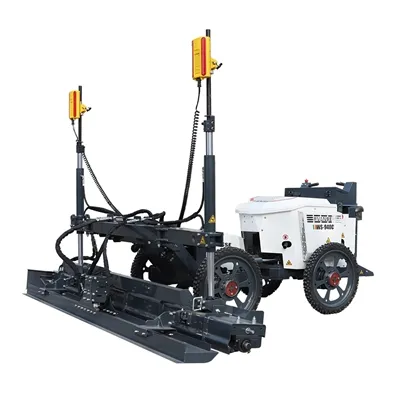
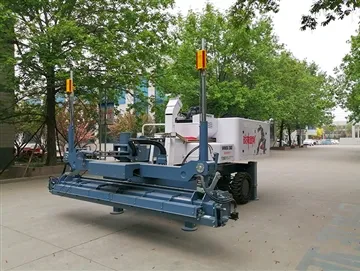
Recently, we have received feedback from some users that there are still some dangers in the process of using laser leveling machines. In fact, leveling machines do have some dangers, so this actually requires everyone to always put safety first when using leveling machines. Only in this way can we avoid the occurrence of dangers. So how to ensure the safety of laser leveling machine operation? Please see the answer below.
If the laser leveling machine is difficult to flatten or the material is too high, it should be stopped first, and the road surface should be further sorted before continuing to use. It cannot be used forcibly, otherwise it will damage the equipment and will be detrimental to the construction of the road. Therefore, it is necessary to ensure the normal operation of the equipment and the stability and flatness of the road surface.
In the construction of high-grade roads, mechanized construction runs through the whole process, and the cooperation and coordination between various machines are particularly important. Once a problem occurs, the work will be stopped. Therefore, the performance of the laser leveling machine needs to meet the use standards, and the construction must be carried out strictly in accordance with the operation, and the overall arrangement should be made to maximize the benefits of construction and equipment and better complete the task.
After the concrete material is manually laid on the built formwork, it is placed on the road surface by a crane or the walking mechanism of the leveler itself. The laser leveler walks along the track, and the screw propeller moves the horizontal axis of the frame back and forth to make the road surface flat; then, the vibrator following the screw propeller vibrates and raises the slurry on the road surface; then, the roller of the machine rolls the road surface back and forth many times to level the road surface and complete the paving and leveling of the road surface.
Before using the laser leveler, pay attention to check whether the power connection is safe, whether the machine parts are tightened, the working condition of the control system, and whether the lubrication of the bearing shaft is in place. During the operation, it is necessary to pay attention to whether the laser leveler is placed on the track in a balanced manner. Before starting work, the power supply line should be turned on for trial operation.
The completion of the road engineering task depends on the configuration of mechanical equipment resources by 70%. The strength of the laser leveler, the quality of its performance, the rationality of its configuration, and the degree of mechanized construction directly restrict the quality of the project and economic benefits.
The above methods for safe operation of laser leveling machines are introduced here. We hope that you can get some substantial reference value from this article. If you have any other questions, you are welcome to consult us at any time and we will answer them one by one.
Thanks to All the Friends Who Support and Trust Shandong Vanse Machinery Technology Co., Ltd.
If you want to know more about Shandong Vanse Machinery Technology Co., Ltd. or have any questions, please feel free to contact us:
Our Factory
Shandong Vanse Machinery Technology Co., Ltd.








Share this article

About the Author: Shandong Vanse Machinery Technology Co., Ltd.
Shandong Vanse Machinery Technology Co., Ltd. is a high-tech manufacturer specializing in concrete construction machinery, including laser screeds and related equipment. The company integrates R&D, production, and global sales, with products exported to over 60 countries and widely used in infrastructure projects worldwide.
Previous Post
Next Post
Related Articles
You Might Also Like
What safety precautions should be taken when maintaining the concrete laser leveling machine?
As an important construction equipment in the modern construction industry, the maintenance of a concrete laser leveling machine is of great significance to ensure the normal operation of the equipment and extend its service life. However, in the process of maintenance, we must attach great importance to safety issues to ensure the safety of operators and the integrity of the equipment. This article will discuss in detail the safety precautions that need to be taken when maintaining a concrete laser leveling machine, mainly including safety preparations for the leveling machine shutdown, cleaning up debris in the work area, checking maintenance and operation sequence, following safety operation specifications, maintenance parts replacement precautions, personal protective equipment wearing, and emergency response plans. 01 Safety preparations for leveling machine shutdown Before performing maintenance, first ensure that the concrete laser leveling machine has been completely shut down and all operating switches have been placed in the "off" or "stop" position. This can effectively prevent safety accidents caused by misoperation or accidental start-up of the equipment. At the same time, the power supply of the leveling machine must be cut off to prevent the current from causing electric shock to the maintenance personnel. If the equipment is equipped with a battery or other energy storage device, it must also be ensured to be in a safe state. In addition, for possible hydraulic and pneumatic systems, it is necessary to wait for a period of time after shutdown to ensure that the pressure in the system is completely released. Before releasing the pressure, do not disassemble any parts related to the pressure system to avoid injury caused by the spraying of high-pressure liquid or gas. 02 Clean up debris in the work area Before maintenance begins, the work area must be thoroughly cleaned and all items and tools not related to maintenance must be removed to prevent them from becoming a hidden danger of tripping or slipping. Pay special attention to cleaning the space under the equipment to ensure that maintenance personnel can safely approach and operate the key components of the equipment. At the same time, it is also necessary to ensure that the lighting in the work area is sufficient so that maintenance personnel can clearly see every detail and potential danger points. If maintenance is required at night or in a dimly lit environment, appropriate lighting equipment should be used. 03 Inspection, maintenance and operation sequence When maintaining the concrete laser leveling machine, the correct inspection and operation sequence should be followed. First, the overall condition of the equipment should be checked, including whether the appearance, structure, connectors, etc. are intact. Secondly, follow the guidance of the equipment maintenance manual to check the wear and damage of key components one by one, such as blades, bearings, belts, etc. During the operation, the principle of easy first, difficult second, external first, internal second should be followed. For complex maintenance tasks, such as disassembling and replacing parts, make sure to understand the structure and function of the relevant parts, and follow the correct disassembly and installation sequence. During the operation, appropriate tools and methods should be used to avoid using violence or improper operation to cause equipment damage or personal injury. 04 Follow safe operation specifications When performing maintenance, you must strictly follow the safety operation specifications. First, make sure you are familiar with the operation and maintenance manual of the equipment, and understand the performance, characteristics and safety requirements of the equipment. Secondly, before performing any operation, you should carefully read the relevant safety tips and warnings to ensure that you understand the possible risks and precautions. During the operation, you should stay focused and cautious, and avoid distraction or impatience. For uncertain operations or problems, you should consult experienced colleagues or professionals in time. At the same time, it is strictly forbidden to carry out activities unrelated to work during maintenance, such as smoking, eating, etc., to avoid fire or other safety accidents. 05 Precautions for replacement of maintenance parts During the maintenance process, some worn or damaged parts may need to be replaced. When replacing parts, make sure to use regular brand and model parts that match the equipment. Do not use inferior or substandard parts to avoid affecting the performance and safety of the equipment. Before replacing parts, make sure that the power of the equipment is turned off and take necessary safety measures, such as wearing protective glasses and gloves. When removing and installing parts, use appropriate tools and methods and follow the correct operating sequence. After replacing parts, check whether the equipment is firmly connected and whether the parts are installed correctly, and perform necessary trial runs and tests to ensure the normal operation of the equipment. 06 Wearing of personal protective equipment When maintaining the concrete laser leveling machine, the operator must wear appropriate personal protective equipment. This includes but is not limited to safety helmets, protective clothing glasses, earplugs, gloves and non-slip shoes. These equipment can effectively protect the operator's head, eyes, ears, hands and feet from injury. For example, a safety helmet can protect the head from falling objects or collisions; protective glasses can prevent splashing particles or liquids from entering the eyes; earplugs can reduce the damage to hearing caused by noise at the work site; gloves can prevent hands from being cut or burned by sharp edges or high-temperature parts; non-slip shoes can provide good grip to prevent slipping during operation. 07 Emergency Response Plan Although we have taken various safety measures to prevent accidents, some emergencies may still occur in actual operations. Therefore, it is crucial to formulate and implement emergency response plans. First, all maintenance personnel should be familiar with the safety operation manual of the equipment, understand possible emergencies and corresponding response measures. Secondly, the maintenance site should be equipped with necessary first aid equipment and medicines so that initial treatment can be carried out in time when injuries occur. In addition, a clear emergency evacuation and rescue plan should be formulated to ensure that personnel can be quickly organized to evacuate and notify professional rescue teams in the event of serious accidents such as fires and leaks. At the same time, maintenance personnel should regularly conduct emergency response training and drills to improve their ability and level to respond to emergencies. By simulating emergencies in actual scenarios, maintenance personnel can remain calm, take response measures quickly and accurately when real accidents occur, and minimize casualties and property losses. In addition to the safety matters mentioned above, it is also necessary to pay attention to the handling of some details and special situations. For example, during the maintenance process, if serious faults or damage are found in the equipment, the work should be stopped immediately and reported to professional maintenance personnel for processing. Do not disassemble or repair it privately. In addition, during the maintenance process, you should always be vigilant and pay attention to changes in the surrounding environment. If there are any abnormal situations, you should deal with them or evacuate in time. In addition, for the long-term maintenance and maintenance of concrete laser leveling machines, a complete set of systems and processes must be established. This includes regular comprehensive inspection and maintenance of the equipment, recording the operating status and maintenance history of the equipment, so as to promptly discover potential safety hazards and deal with them. At the same time, regular training and education of maintenance personnel are also required to improve their safety awareness and operating skills to ensure the normal operation and safe use of the equipment. In summary, the safety matters that need to be paid attention to when maintaining the concrete laser leveling machine cover the aspects of safety preparation for shutdown, cleaning up debris in the work area, checking maintenance and operation sequence, following safety operation specifications, precautions for replacement of maintenance parts, wearing of personal protective equipment, and emergency response plans. Only under the premise of strictly abiding by these safety matters can the smooth progress of maintenance work be ensured, and the safety of personnel and the integrity of equipment can be guaranteed. Therefore, we must attach great importance to the maintenance of concrete laser leveling machines and continuously improve our safety awareness and operating skills. It is worth noting that although this article elaborates on the safety issues when maintaining concrete laser leveling machines, various special situations and unknown risks may still be encountered in actual operations. Therefore, in actual work, maintenance personnel should remain vigilant and cautious, respond flexibly according to actual conditions, and consult and seek help from professionals in a timely manner. At the same time, companies should also strengthen the training and management of maintenance personnel, improve their safety awareness and response capabilities, and ensure the smooth progress of maintenance work and the sustainable development of the company.Important considerations for long-term storage of power trowel machines
Long-term storage of power trowel machines requires thorough preparation to prevent corrosion, fluid degradation, and damage to mechanical parts. These steps are crucial to ensure the machine starts up reliably and performs optimally when you need it next. Here are the most important considerations, broken down by category: Thorough cleaning is the foundational step, as concrete and dirt residue can trap moisture and accelerate corrosion. Remove All Concrete/Debris: Use a scraper, wire brush, and/or a pressure washer to completely remove all hardened concrete, mortar, and dirt from the blades, chassis, guard rings, and around the engine/gearbox. Crucial Note: Ensure the machine is completely dry after washing to prevent immediate rust formation. Engine/Motor Cleaning: Use low-pressure air or a brush to clear dust and debris from the heat sink, cylinder block, and any cooling fins. Clean any oil stains or grease from the exterior. Inspect and Repair: Before storing, check for and replace any worn-out or damaged parts like drive belts, clutch plates, spark plugs, or air filters Fluids can degrade and cause serious damage if left in the machine for an extended period. Drain Completely: Modern gasoline, especially with ethanol, can absorb water and corrode the fuel lines and carburetor. Completely drain all fuel from the tank. Run Until Stop: Set the fuel switch to "Off," start the engine, and let it run until it stops naturally. This clears residual fuel from the carburetor/fuel lines. Change Oil: Drain the old engine oil (ideally when the engine is warm) and replace it with new oil. New oil contains better anti-corrosion properties and lacks acidic contaminants from use. Internal Rust Prevention: For extreme long-term storage, remove the spark plug, drip a small amount of new engine oil (about one tablespoon) into the cylinder, and manually pull the starter rope a few times to coat the cylinder wall. Reinstall the spark plug. Hydraulic Systems (Ride-On Trowels): Check the hydraulic fluid quality and level. If replacing the fluid, circulate it briefly. Ensure all piston rods of the hydraulic cylinders are fully retracted to protect the chrome surface from exposure and rust. Protecting exposed metal and moving components is vital to prevent seizing. Trowel Blades: Remove the blades, clean them, and apply a layer of heavy grease or a dedicated anti-rust oil (like WD-40 or a specialized coating) to all metal surfaces. Consider wrapping them in oiled paper and storing them separately. Exposed Metal Surfaces: Spray a thin layer of anti-rust agent or a rust-preventative spray on all exposed metal surfaces, including the chassis, guard rings, and any areas where paint has been scratched off. Lubrication: Apply grease or oil to all designated lubrication points, including: Gearbox gears (if applicable) Clutch forks Height and tilt adjustment screws and their threaded parts If the machine has an electric start or motor, special attention is needed. Air Filter: Remove the air filter element for cleaning or replacement. Seal the air inlet with a clean cloth or plug to prevent dust and pests from entering the engine. Disassemble and Charge: Disconnect and remove the battery. Fully charge it. Store Separately: Store the battery in a cool, dry place off the concrete floor. Maintenance Charge: Recharge the battery periodically (e.g., once every 1-2 months) to maintain its charge and lifespan, or use a "smart" maintenance charger. The physical location where the machine is stored is the final defense against damage. Indoor and Dry: Store the power trowel indoors in a clean, dry, and well-ventilated area. Avoid storage outdoors or in areas with high humidity or extreme temperature fluctuations, which can cause condensation and rust. Off the Ground: Place the machine on a flat wooden pad, pallet, or trolley to lift it off the concrete floor, which can draw moisture. Protection: Cover the machine with a breathable, waterproof tarp or a specialized equipment cover. Avoid using plastic sheeting, as it can trap moisture and encourage rust or mildew. Pest Control: Ensure the storage area is free of rodents, as they can chew on wiring, hoses, and filters. Would you like the specific steps for winterizing the engine, as that is the most common form of long-term storage? Note: The parameters provided in this document are for reference only and are not mandatory. Due to differences in technical characteristics between different brands and models of laser levelers, please consult the manufacturer for a suitable solution before actual operation. This reference document assumes no responsibility for any issues arising from failure to follow the manufacturer's instructions.How to extend the service life of laser leveling machine
In the construction process of concrete laser leveling machine, it can timely discover and repair all kinds of faults and defects of the machine, which is the basic guarantee of efficient operation and prolong service life of the machine. Generally speaking, doing a good job in daily point inspection is of great significance to improve the production efficiency of concrete laser leveling machine and reduce the cost of use and maintenance. The following after-sales department of Wanshi Machinery Technology Co., Ltd. will explain in detail the necessary measures to reasonably extend the service life of machinery, so as to ensure the normal service life of construction machinery and give full play to its due benefits: 1. After the work is completed, please use the arm lift button to manually lift the nose of the machine and then push out the construction site. Do not push the machine when the vibration leveling part is in contact with the ground, so as not to cause damage to the vibration plate. 2. After the completion of construction, it is necessary to wash the machine with high pressure water gun in time (it is strictly forbidden to wash the water gun directly at the mesh part of the fuselage, so as to avoid water entering the inside of the fuselage and causing circuit short circuit). 3. The place where the machine is placed must be kept dry, and sundries and inflammable and explosive materials shall not be piled up around it. 4. The battery of the machine also needs to be paid attention to. If it is not used together for a long time, make sure to remove all batteries from the host and receiver and store them properly. The transmitter comes with a rechargeable battery that lasts eight hours. 5. During the use of the machine, please try to charge the battery after it is fully used, and try to ensure that it is fully charged for 8 hours at a time. The first charging time is recommended to be 12 hours, and the next charging time is 8 hours. In order to avoid damage to the battery and the transmitter, please unplug the power plug in time. 6. If the laser signal is lost during the construction process and the machine needs to be restarted, the interval time should be more than ten seconds. 7, if the machine is not used for a long time on a stable ground, each bearing part should be added grease once a week, each chain should also be often added lubricating oil, in order to maintain good lubrication, at the same time should pay attention to avoid sand and other sundry get to the chain, in case of premature chain damage. Generally, a month or the end of each construction period, the machine should be comprehensively inspected and maintained once. Attention should always be paid to the tightness of the triangle belt and chain, which should be adjusted in time when it is too loose, and the fastening bolts should also be often spread to prevent loosening.