Technical Knowledge
Laser leveling machine: a great assistant on construction sites
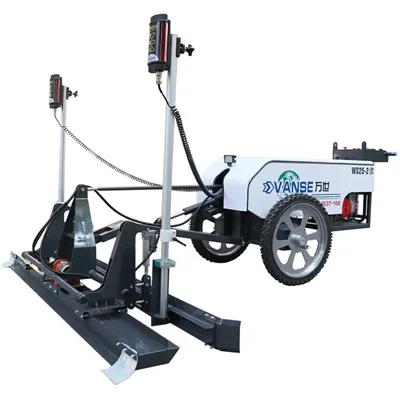
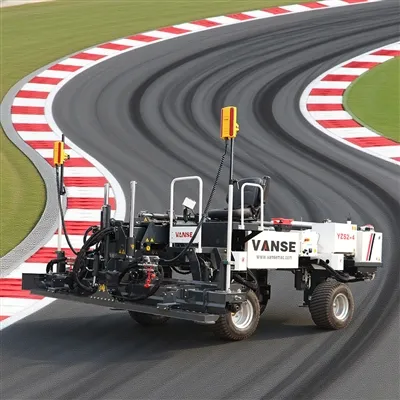
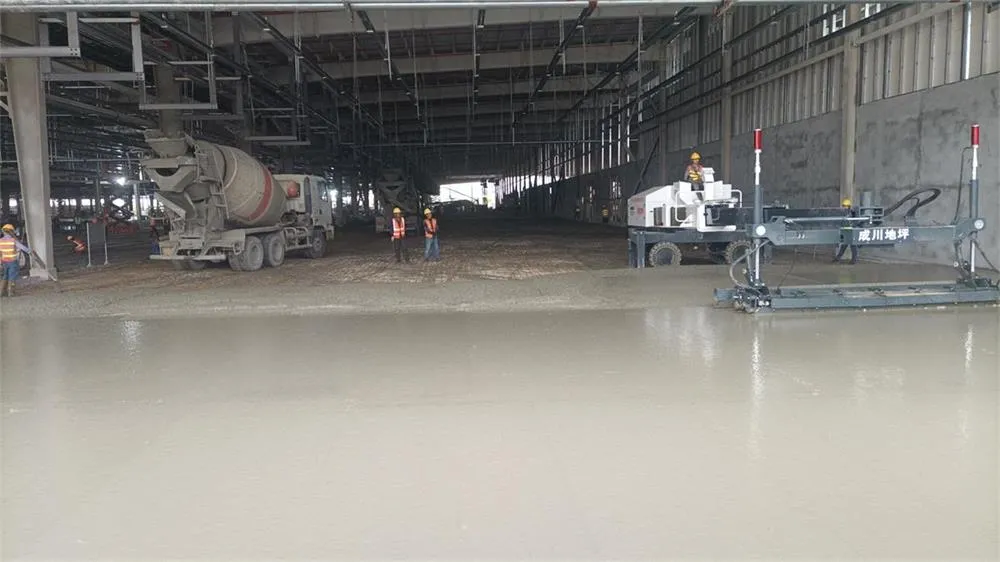
Wow, the laser leveler is really a great assistant for leveling large floors! In construction projects, concrete laser levelings really can handle a variety of challenges with ease.
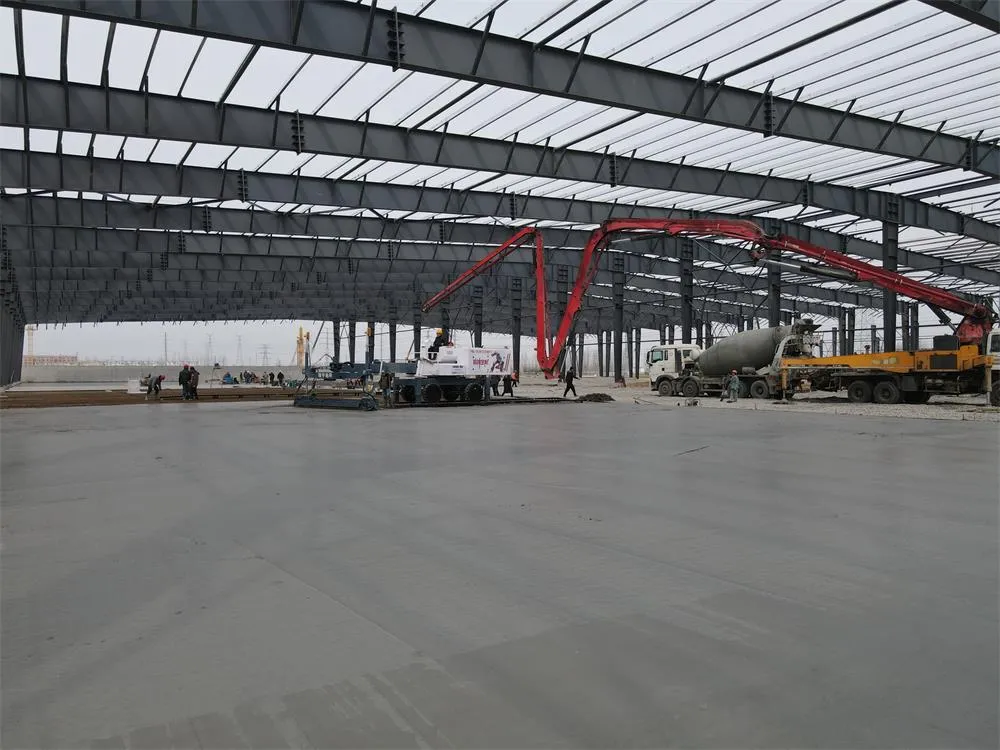
Telescopic arm laser leveling machine for large factory building construction
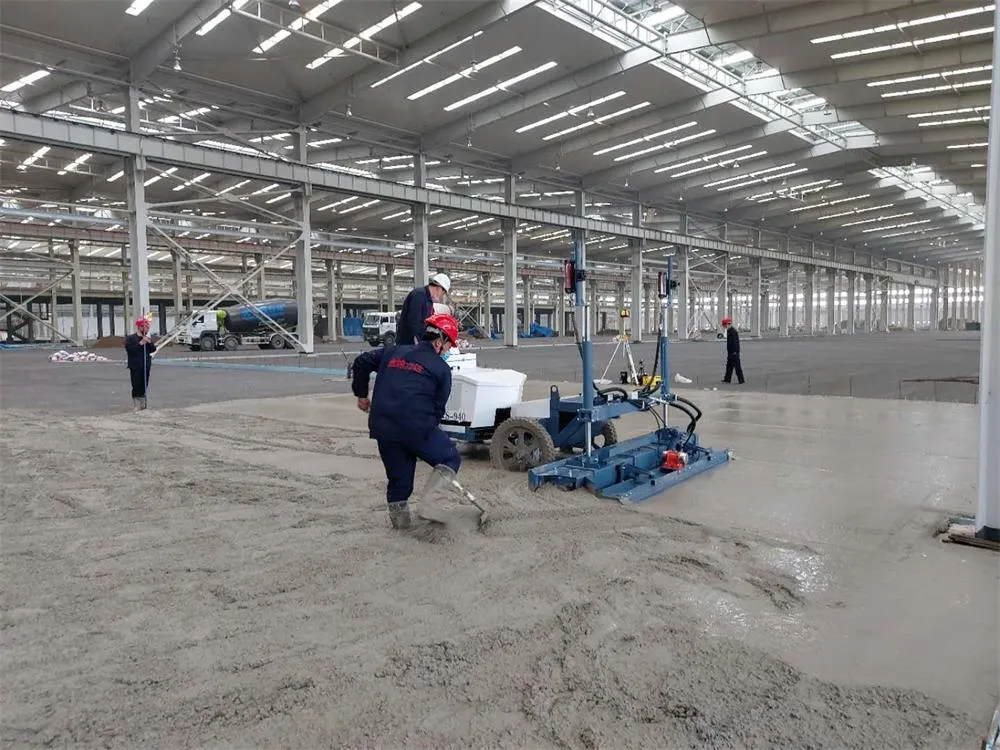
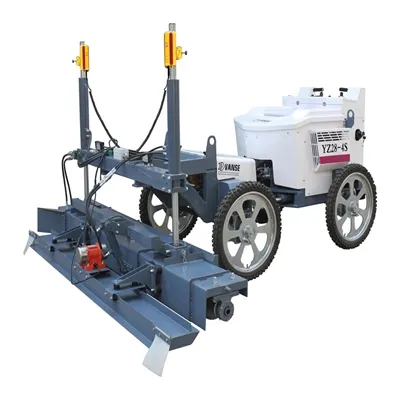
Four-wheel laser leveling machine for large factory building construction
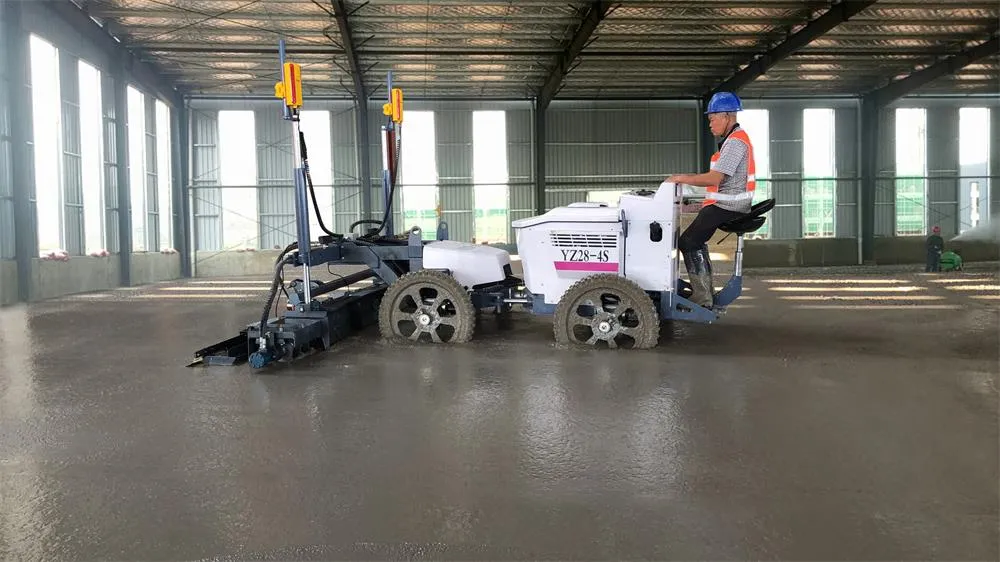
Four-wheeled concrete laser leveling machine construction
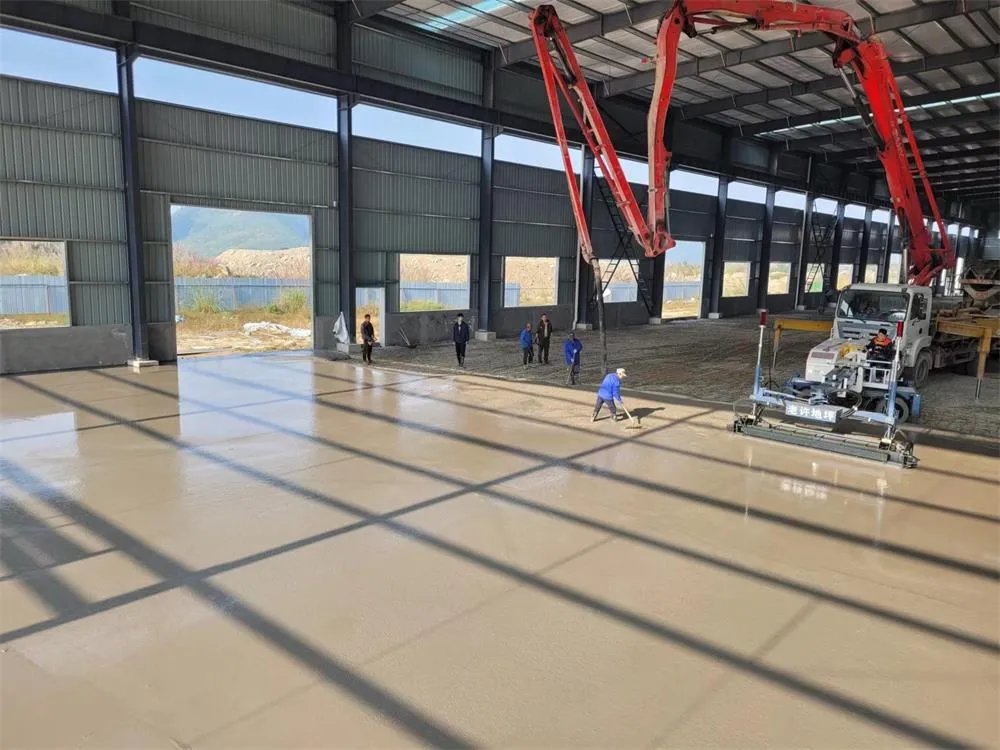
Telescopic arm concrete leveling
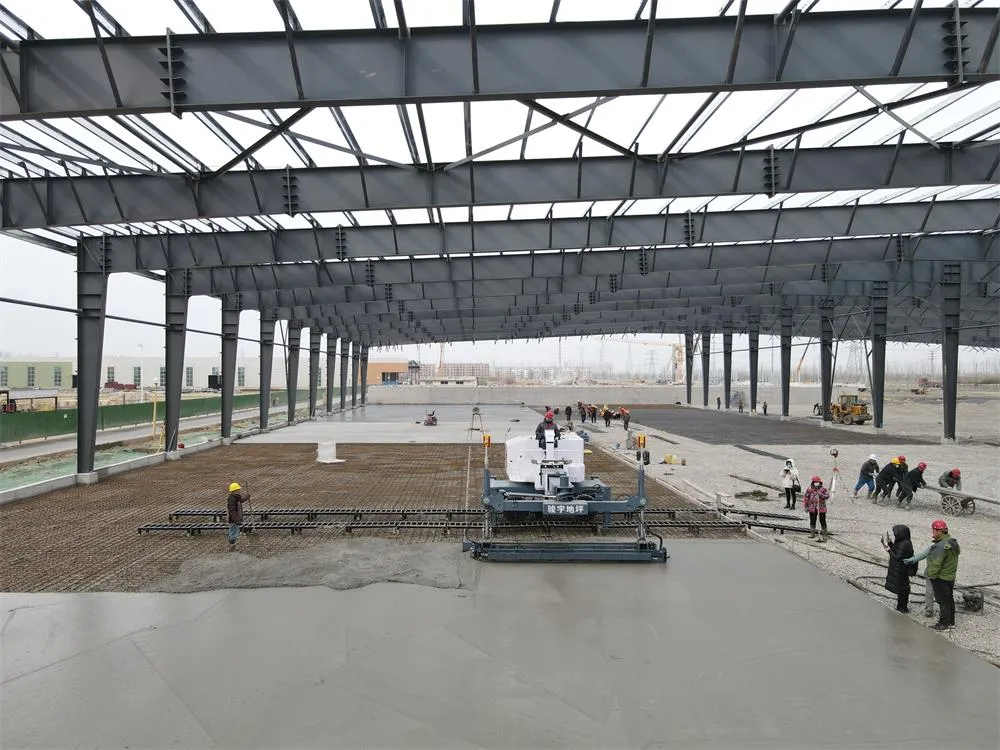
Large telescopic arm laser leveling machine
This magical device uses laser measurement technology and intelligent control system to give your concrete floor a new look, and get precise flatness easily! How does it work? To put it simply, the laser sensor emits a laser signal, then receives the signal reflected from the ground, compares it with the preset plane height, and automatically adjusts the height of the leveling knife through the intelligent control system to reach the preset plane height.
Laser leveling machine steel mesh construction
To sum up, the concrete laser leveling machine is really a practical construction engineering equipment, accurate, efficient and practical! However, when using it, we must also pay attention to some issues, such as environmental protection and energy saving. Therefore, when choosing a concrete laser leveling, we must comprehensively consider various factors to ensure construction quality and efficiency. In general, the concrete laser leveler is a good hand in construction projects, making our ground smoother and more beautiful!
Thanks to All the Friends Who Support and Trust Shandong Vanse Machinery Technology Co., Ltd.
If you want to know more about Shandong Vanse Machinery Technology Co., Ltd. or have any questions, please feel free to contact us:
Our Factory
Shandong Vanse Machinery Technology Co., Ltd.








Share this article

About the Author: Shandong Vanse Machinery Technology Co., Ltd.
Shandong Vanse Machinery Technology Co., Ltd. is a high-tech manufacturer specializing in concrete construction machinery, including laser screeds and related equipment. The company integrates R&D, production, and global sales, with products exported to over 60 countries and widely used in infrastructure projects worldwide.
Previous Post
Next Post
Related Articles
You Might Also Like
How to ensure construction quality of the laser leveling machine during construction?
The key to ensuring the quality of construction during the construction process of the laser leveling machine lies in its precise automatic control system and correct construction process. Here are some of the main steps and considerations to ensure the quality of construction: 1. **Site survey and planning**: Before construction, the site should be surveyed in detail to determine the scope of construction, check the ground conditions, assess whether there are potential obstacles or underground facilities, and confirm the type and proportion of concrete. 2. **Equipment calibration**: The laser leveling machine must be calibrated before use to ensure the accuracy of the laser transmitter. This includes horizontal calibration and intensity adjustment of the laser signal to ensure leveling accuracy. 3. **Template and boundary setting**: Set the template according to the design drawings, especially around the wall or equipment foundation, and manually set the boundary in advance to ensure that the areas that the laser leveling machine cannot reach can also meet the design requirements. 4. **Concrete pouring and initial leveling**: When pouring concrete, the pouring speed and amount should be controlled to maintain continuity and avoid cold joints. Before using the laser leveling machine, perform preliminary leveling by manual or small machinery to ensure that the surface is roughly flat. 5. **Laser leveling machine operation**: – **Laser signal reception**: The receiver on the laser leveling machine continuously monitors the laser signal and adjusts the height of the leveling head in real time to ensure that the concrete surface is consistent with the laser plane. – **Automatic adjustment**: The leveling machine automatically adjusts the electric push rod or hydraulic cylinder according to the deviation fed back by the receiver to control the height of the scraper to maintain the required flatness. 6. **Quality monitoring**: During the construction process, the flatness, slope and concrete density should be checked regularly to ensure that they meet the design requirements. If necessary, an independent laser rangefinder can be used for review. 7. **Construction path planning**: Reasonably plan the walking path of the leveling machine to avoid repeated construction and omissions, and ensure that the entire area is evenly stressed and leveled. Post-construction inspection and maintenance 8. **Final inspection**: After the construction is completed, a comprehensive quality inspection is carried out, including flatness and strength tests, to ensure that the specifications are met. 9. **Maintenance and maintenance**: Proper cleaning and maintenance of the laser leveling machine to ensure that the equipment is in good condition and extend its service life. 10. **Environmental adaptability**: Considering the influence of the construction environment (such as temperature and humidity), take corresponding measures, such as increasing the water retention of concrete during summer construction, and insulation measures may be required in winter. By following the above steps and precautions, the laser leveling machine can effectively ensure the construction quality during the construction process and achieve high-precision and efficient ground leveling operations.What is the lifespan of a concrete laser leveling machine
The lifespan of a concrete laser leveling machine (laser leveling) is not a simple number of years, as it depends heavily on usage intensity, maintenance, model/brand, and technological evolution. Think of it more like a heavy-duty construction vehicle (e.g., an excavator) rather than a consumer electronic device. Here's a detailed breakdown of factors and a realistic lifespan framework: High-Use Contractor: A company using the machine on large projects 200+ days a year will accumulate wear much faster than a rental yard that leases it intermittently. Cubic Meters/Yardage: The total volume of concrete placed is the true measure of "mileage." A well-maintained machine from a major brand is engineered for tens of millions of cubic meters over its life. Rigorous Adherence to Schedule: Following the manufacturer's maintenance schedule for engine (diesel or gasoline), hydraulics, vibrator systems, and the laser transmitter is paramount. Cleanliness & Storage: Washing down the machine after each use to prevent concrete buildup (which can seize moving parts) and storing it under cover dramatically extends its life. Operator Skill: A skilled operator who avoids unnecessary stress and impacts will cause less wear and tear. This is a unique factor. The mechanical parts of a laser leveling can last for decades. However, the control system and laser technology may become outdated. Upgrades (like newer 3D GPS machine control systems) are often available, allowing an older machine's "brain" to be updated, extending its useful economic life. Economic Lifespan (Primary, High-Production Use): 10 – 20 years. This is the period where the machine is a frontline, daily production tool. After this, while it may still run, it might be less efficient, require more frequent repairs, or be technologically outdated compared to newer models. Physical/Mechanical Lifespan (Total Service Life): 20+ years, potentially 25-30+ years with excellent care. There are many first-generation laser leveling from the 1990s still in operation today, often on smaller projects or as backup machines. They become "classic workhorses." Components that typically need attention or replacement long before the machine frame is retired: Engines and Hydraulic Pumps/Motors: Can be rebuilt or replaced. Vibrator Systems: High-wear items that require regular rebuilding. Wear Parts on the leveling Head: Paddles, strike-off plates, and skis are consumable. Hoses, Seals, and Bearings: Regular replacement items. Laser Receiver and Transmitter: Can be damaged (e.g., dropped), but are also upgraded over time. Like a Semi-Truck: With dedicated daily use and heavy loads, it has a prime economic life of about 10-15 years. With superb maintenance, it can stay on the road for 20+ years, though not as the primary fleet vehicle. Resale/Rental Value: Well-maintained machines from major brands hold their value remarkably well. A 10-year-old Somero S-840, for example, can still command a significant price on the used market. 15+ years of highly productive, frontline service. A total service life of 25+ years, after which it may serve as a reliable backup or be sold on the secondary market where it will continue to operate for years more. The key to maximizing lifespan is proactive maintenance, skilled operation, and timely technological upgrades. Note: The parameters provided in this document are for reference only and are not mandatory. Due to differences in technical characteristics between different brands and models of laser levelers, please consult the manufacturer for a suitable solution before actual operation. This reference document assumes no responsibility for any issues arising from failure to follow the manufacturer's instructions.What are the advantages of laser leveling machine compared with manual construction?
In recent years, not only the various construction industries have continued to grow, but the price of labor has also continued to rise, and various constructions have put forward higher requirements for construction quality. Therefore, laser leveling machines have been rapidly popularized and applied in construction, so , Compared with manual construction, what are the advantages of using laser leveling machine for concrete floor leveling construction? The following article has made some introductions for everyone, I hope you will be interested. 1. Advantages of using laser leveling machine: 1) Labor saving: each laser leveling machine can save 7-8 people Concrete leveling construction is carried out manually. Each team is composed of at least 15 people. Laser leveling machines are used for concrete leveling construction. Each team is equipped with 8 people. Different types of laser leveling machines have different numbers of personnel. Yes, the labor saved is also different. 2) Improve construction efficiency and shorten construction period The laser leveling machine is used for construction. The width of the leveling head is 2.5 meters to 3 meters. According to the normal driving speed of construction, 300-500 square meters can be constructed per hour, and 3000-5000 square meters can be constructed per shift. Manual construction is adopted, and each shift is completed within 800 square meters. In the same shift, the efficiency of machine construction is about 5 times that of manual construction. This will greatly shorten the construction period, and save construction costs without the need for multiple forms. 3) The laser leveling machine is used for leveling, which greatly improves the quality of floor construction The original manual floor construction, using vibrating pumps and point vibration, often has problems such as hollowing, cracking, and inaccurate leveling, and the construction quality is far lower than that of machine construction. The laser leveling machine is used for concrete floor construction, the leveling elevation is controlled by laser, and the surface extrusion is carried out by using the motor 3000 times per minute, each time with 2000N (200KG) excitation force, which greatly improves the concrete density and enhances the construction quality. 2. The method of judging the quality of laser leveling machine: 1) Look at the model; choose the appropriate concrete laser leveling machine mainly based on the construction site and area. 2) Look at the effect of the machine; the effect of high-quality concrete laser leveling machine is stable. 3) The speed of leveling; the high-quality laser leveling machine is fast. 4) Leveling accuracy requirements; high-quality concrete laser leveling machines have higher leveling accuracy. 5) The technical strength of laser leveling machine manufacturers directly affects the quality of equipment. 6) Look at safety; when choosing a concrete laser leveling, the braking performance and operating safety of the concrete laser leveling must also be fully considered. Based on the above, it is not difficult to see that the use of laser leveling machines to replace the original manual construction in the construction process of concrete floors not only has the characteristics of saving labor and improving construction efficiency, but also can improve construction quality, which has been unanimously agreed by people in the industry. favor. Thank you all for reading and supporting.