Technical Knowledge
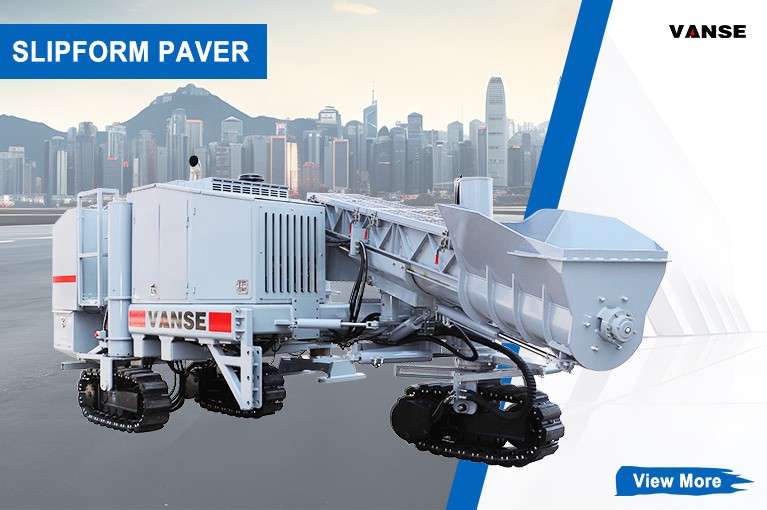
Introduction to the basics of slipform machine construction
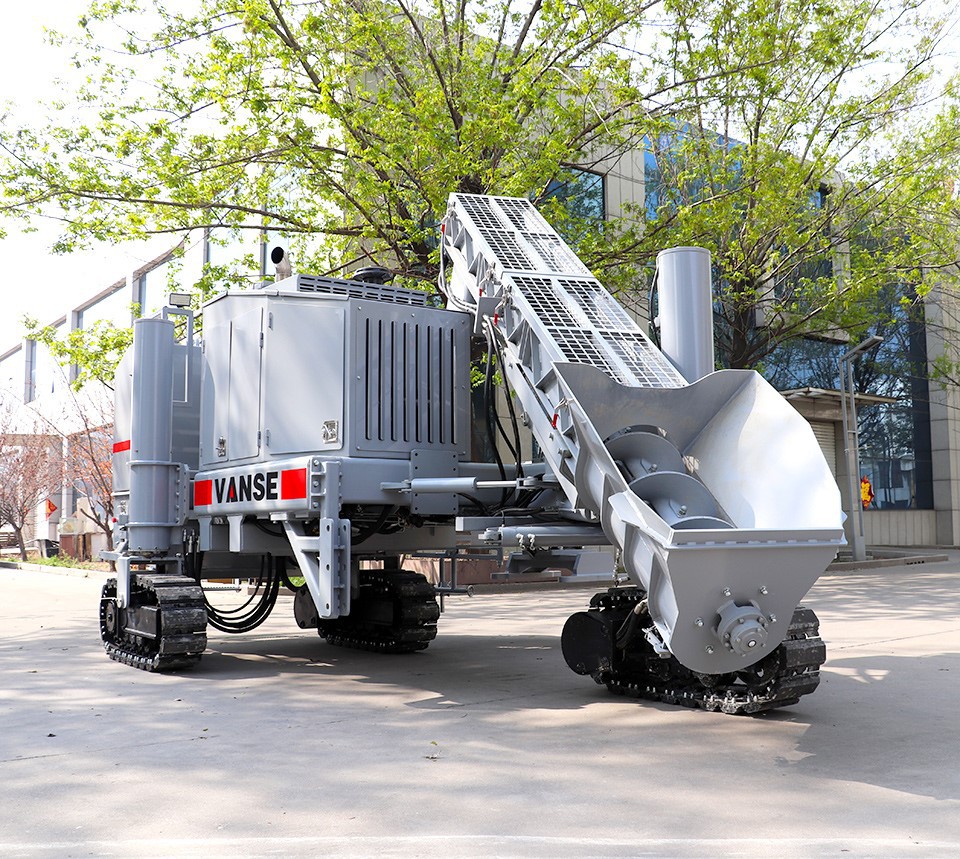
After the concrete is faced with the fixed mold, the sliding mold makes the concrete form.
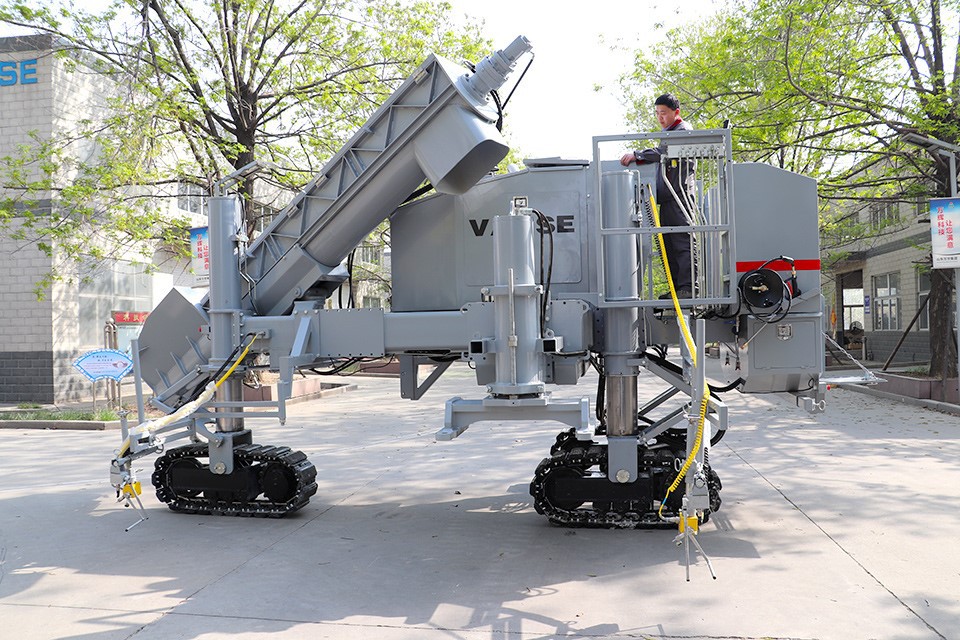
Used for road shoulder synovial film operation, drainage ditch synovial film operation, curb forming operation, etc.
This type of machine is based on the carrier that meets the engineering standards,
including asphalt products and cement concrete road construction on both sides of the curb and drainage ditches and other facilities
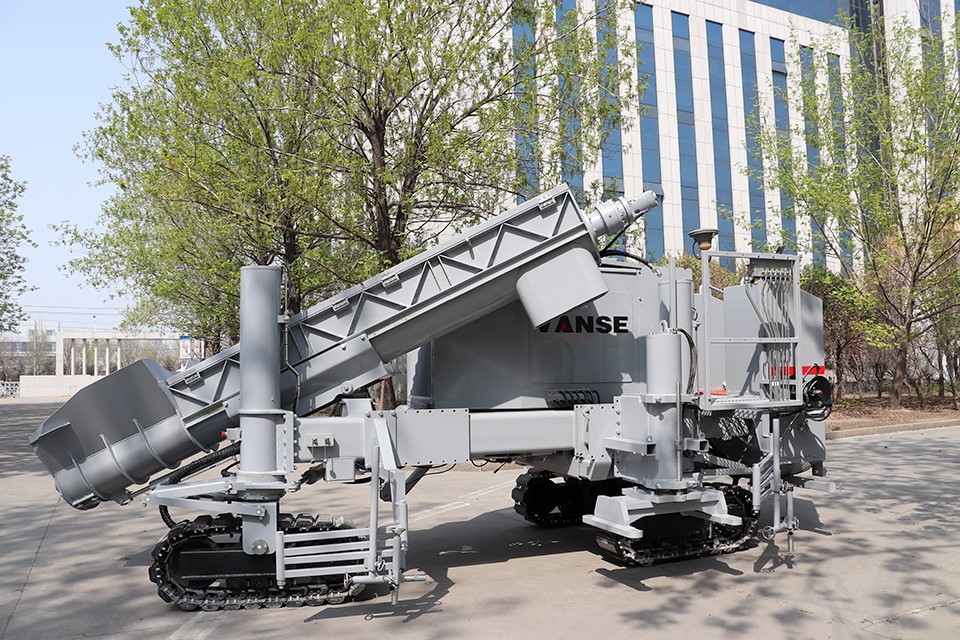
The special industry equipment consists of walking mechanism, vibration mechanism, forming mechanism, generator and power distribution, etc.
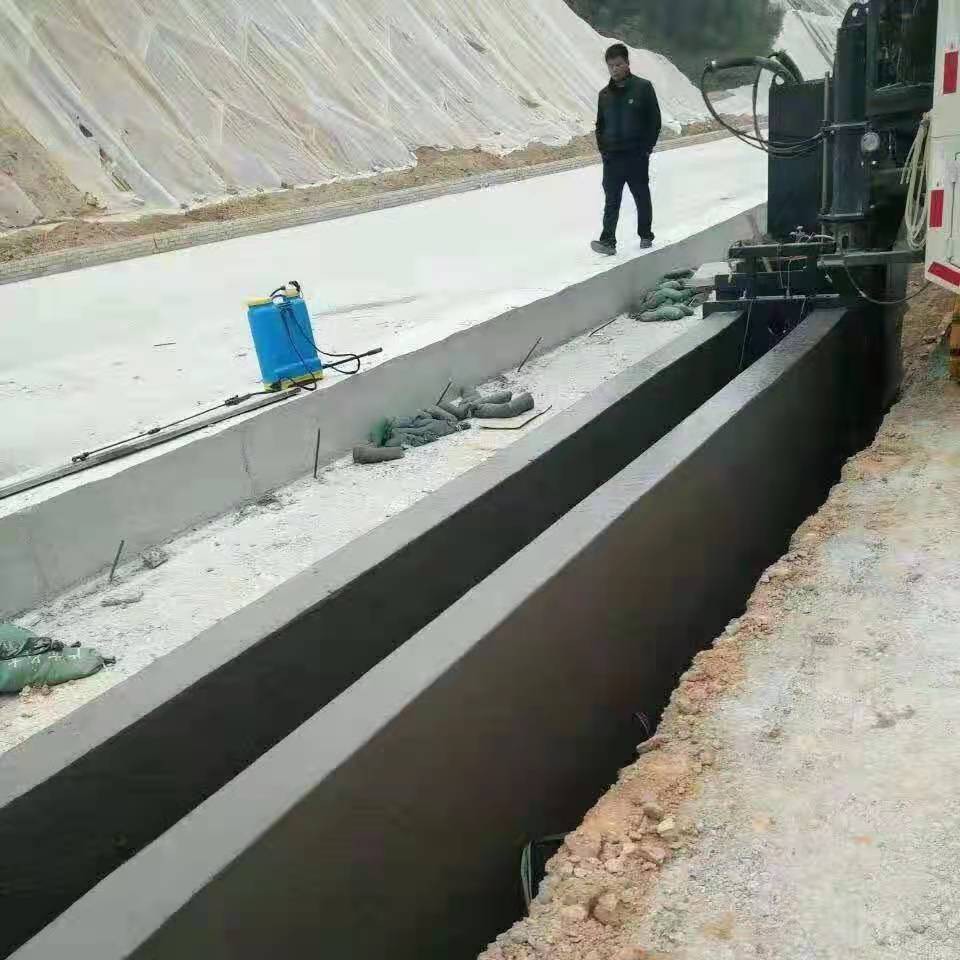
The operation process of the sliding form machine is that the concrete is vibrated and compacted by the vibrating rod,
and then formed by the sliding form of the mold, and the continuous operation is carried out while walking.
The shaped curb has high impact strength and stability.
It can be widely used in: highways, highways, airports and other places.
It is fully mechanically operated, saving a lot of labor costs, and is a new type of sliding membrane construction standard.
Thanks to All the Friends Who Support and Trust Shandong Vanse Machinery Technology Co., Ltd.
If you want to know more about Shandong Vanse Machinery Technology Co., Ltd. or have any questions, please feel free to contact us:
Our Factory
Shandong Vanse Machinery Technology Co., Ltd.
Share this article

About the Author: Shandong Vanse Machinery Technology Co., Ltd.
Shandong Vanse Machinery Technology Co., Ltd. is a high-tech manufacturer specializing in concrete construction machinery, including laser screeds and related equipment. The company integrates R&D, production, and global sales, with products exported to over 60 countries and widely used in infrastructure projects worldwide.
Previous Post
Next Post
Related Articles
You Might Also Like
How to optimize the construction process through real-time monitoring data of laser leveling machine?
Real-time monitoring data from laser leveling machines can greatly help optimize the construction process and improve construction efficiency and quality. Here are a few key points on how to use this data to optimize the construction process: The laser leveling machine can monitor the flatness of the ground in real time, continuously scanning and adjusting through laser sensors to ensure that the concrete surface is consistent with the preset laser plane. The construction team can use this data to instantly adjust the parameters of the leveling machine, such as adjusting the vibration frequency, the pressure or angle of the leveling plate, to achieve a better flatness effect. By monitoring the working speed and coverage area of the leveling machine, the construction plan can be adjusted to ensure that the construction progress matches the concrete setting time. If it is found that the construction speed is too fast and the concrete surface is not fully prepared, the speed can be slowed down appropriately, and vice versa. Real-time data can help the construction team quickly identify and correct any potential quality problems, such as uneven concrete density, surface defects or flatness errors. This helps avoid subsequent rework, saving time and cost. By monitoring the operating status of the leveler, such as motor temperature, hydraulic system pressure, sensor readings, etc., potential equipment failures or wear can be discovered in time, preventive maintenance can be performed, downtime can be avoided, and the equipment can be kept in optimal operating condition. The collected real-time data can be deeply analyzed to identify bottlenecks and inefficient links in the construction process. The long-term accumulated data can also be used to improve construction strategies, such as optimizing concrete mix ratios, adjusting construction sequences, or improving equipment configuration. Real-time data and historical records can be used as resources for training new employees to help them master operating skills faster. At the same time, data can provide a basis for decision makers to make more scientific construction decisions. In different construction environments, such as those with large changes in temperature and humidity, real-time monitoring data can help adjust construction parameters, such as concrete setting time, leveler operation mode, etc., to adapt to environmental changes. Real-time monitoring also includes safety monitoring of the construction site, such as noise level, dust concentration, etc., to ensure that the construction environment meets safety standards and protect workers' health. By making full use of the real-time monitoring data of the laser leveling machine, the construction team can achieve more refined construction management, improve construction efficiency, reduce costs, and ensure that the construction quality meets or even exceeds the expected standards.Large area concrete laser leveling diamond wear-resistant floor and corrugated compartment joint anti-cracking construction method
1. High-precision leveling: – With the help of a concrete laser leveling machine, the operation is carried out based on the precise plane reference formed by the laser beam. The laser receiver feedbacks the deviation information in real time, and the leveling machine automatically and accurately adjusts the scraper height and vibration frequency to ensure that the floor flatness error can be controlled within a very small range, usually within ±2mm, providing a solid foundation for subsequent processes, especially suitable for precision manufacturing workshops, high-end storage facilities and other places with strict requirements on flatness. 2. Excellent wear resistance: – In the initial setting stage of concrete, diamond wear-resistant materials are evenly spread. With its high hardness and high strength, it is closely integrated with the surface of concrete. After smoothing and finishing, a solid and wear-resistant protective layer is formed, which greatly improves the wear resistance of the floor, effectively copes with high-intensity wear scenes such as heavy-loaded vehicles and frequent cargo handling, and significantly extends the service life of the floor. 3. Unique corrugated compartment joint design: – Abandoning the traditional straight compartment joint, the corrugated compartment joint is adopted. This design not only meets the needs of concrete expansion and contraction and prevents cracks, but also has a better stress dispersion effect than the straight joint, which can effectively reduce the risk of cracks caused by uneven foundation settlement and temperature changes. It can also add a unique visual beauty to the floor and enhance the overall image of the site. 4. High efficiency of construction: – All construction links are closely connected, from base treatment, concrete pouring, laser leveling, to wear-resistant material spreading, compartment joint setting and subsequent maintenance, all in one go and in an orderly manner. Laser leveling technology greatly improves the leveling efficiency. Compared with traditional manual leveling methods, the construction speed can be increased several times, which greatly shortens the overall construction period and reduces the project construction cost. It is widely used in various large-scale and high-load indoor and outdoor concrete floor projects, such as large industrial plants, logistics distribution centers, airport aprons, exhibition halls, port terminal cargo yards and other places, especially for projects with high requirements for floor flatness, wear resistance and crack resistance, and the expectation of a certain aesthetics. 1. Laser leveling principle: – The laser transmitter releases a rotating laser beam to form a high-precision horizontal control surface. The laser receiver installed on the leveling machine continuously captures the laser signal, compares the real-time elevation of the floor with the laser reference surface, and transmits the generated deviation signal to the control system, prompting the hydraulic mechanism of the leveling machine to respond quickly, accurately control the scraper, vibrator and other components, and realize fast and accurate leveling and vibration of the concrete, achieving a high-precision leveling effect. 2. The wear-resistant principle of corundum: – When the concrete is in the initial setting state and the surface has a certain viscosity, the spread corundum particles can be embedded in the surface of the concrete. With the subsequent leveling and finishing operations, the corundum is deeply combined with the concrete. With its excellent hardness and wear resistance, it builds a solid defense line against wear on the concrete surface, protecting the main structure of the floor from friction loss in daily use. 3. The anti-cracking principle of the corrugated compartment joint: – Compared with the straight joint, the curved shape of the corrugated compartment joint can more effectively disperse the stress during the expansion and contraction of the concrete. When the concrete needs to expand and contract due to factors such as temperature rise and fall and foundation settlement, the corrugated joint guides the stress to disperse along the curve to avoid excessive stress concentration, thereby reducing the possibility of cracks and ensuring the integrity and stability of the floor. 1. Construction preparation: – Technical preparation: Read the construction drawings in detail, clarify the technical requirements, prepare a rigorous construction plan, and organize construction personnel to conduct technical briefings. – Site preparation: Thoroughly clean up debris and accumulated water on the construction site, ensure that the base is flat, and take reinforcement measures for weak bases; reasonably plan the temporary drainage system for construction; design the concrete pouring and leveling route and the layout of the compartment joints according to the shape and area of the site. – Material preparation: Strictly purchase high-quality cement, sand, admixtures, diamond wear-resistant materials, etc. according to design requirements, strictly inspect the raw materials to ensure that the quality meets the standards; prepare sufficient water and electricity for construction. – Equipment preparation: Comprehensively debug concrete laser leveling machines, concrete mixing equipment, transportation equipment, wear-resistant material spreaders, trowels, etc. to ensure that the equipment is in good operating condition; accurately calibrate the laser system to ensure that the emitted laser plane matches the floor design elevation. 2. Base treatment: – Deeply clean the base to remove dust, oil and other pollutants; compact the base with a roller or compacting machine, with a compaction degree of not less than 90%; use concrete or mortar to repair and level the local potholes and holes on the base, so that the base leveling error is controlled within ±10mm. 3. Concrete pouring: – Accurately weigh the raw materials according to the designed mix ratio, use a forced mixer to fully mix the concrete, and the mixing time is not less than 90 seconds to ensure the uniformity of the concrete; use pumping or self-unloading to transport the concrete to the construction area, control the pouring speed, prevent concrete segregation, and the pouring thickness should be slightly higher than the designed floor elevation by 10-20mm to reserve operating space for subsequent leveling. 4. Laser leveling: – Turn on the laser leveling machine and keep moving at a constant speed, usually controlled at 1-2m/min; the operator flexibly adjusts the scraper height and vibration frequency of the leveling machine in real time according to the signal fed back by the laser receiver to ensure that the concrete surface is flat and vibrated densely; the leveling work of adjacent areas must be completed before the initial setting of the concrete, and the overlapping construction width must be no less than 10cm to ensure the integrity of the floor. 5. Spreading of wear-resistant materials: – When the concrete is initially set (generally there are slight footprints when stepping on it, and the sinking depth is about 3-5mm), use a special spreader to evenly spread the diamond wear-resistant material on the floor surface according to the specified amount, and the spreading thickness is approximately 3-5mm; during the spreading process, the spreading speed and direction must be accurately controlled to prevent the accumulation or leakage of wear-resistant materials, and ensure that the spreading uniformity reaches more than 90%. 6. Smoothing and finishing: – After the wear-resistant material is spread, use the trowel to smooth it immediately. The trowel should be operated in a crisscross pattern to make the wear-resistant material fully blend with the concrete. The number of smoothing times should be no less than 3 times. As the concrete continues to harden, when there is no water stain on the surface and it feels slightly hard when pressed with fingers, it should be smoothed manually. Aluminum alloy rulers, trowels and other tools should be used to make the floor surface bright and smooth. 7. Corrugated compartment joint setting: – Before the concrete is finally set, according to the pre-designed compartment joint layout, a special mold or cutting equipment is used to make a corrugated compartment joint. The mold or cutting tool should ensure that the depth of the joint reaches 1/3 – 1/4 of the thickness of the concrete slab, and the joint width is controlled at 5 – 10mm. During the production process, the shape of the joint should be regular and smooth, and the anti-cracking and aesthetic functions of the compartment joint should be effectively exerted. 8. Maintenance: – After finishing and setting the compartment joints, the floor shall be maintained in time by covering with plastic film, spraying curing agent or laying water straw mats, etc. The maintenance time shall not be less than 7 days. During this period, the concrete surface must be kept moist to avoid cracks caused by water loss; warning signs shall be set up during the maintenance period, and vehicles and pedestrians are strictly prohibited from passing on the floor that does not meet the strength requirements. 1. Flatness Quality Control: – Before construction, use professional instruments to finely calibrate the laser system to ensure the accuracy of the laser plane; during the construction process, regularly use a 2m ruler and feeler gauge to check the flatness, at least once every 100-200 square meters, and adjust the leveler immediately if deviation is found; after finishing, use a laser flatness meter to comprehensively test the flatness of the floor to ensure that it meets the design requirements. 2. Wear-resistant performance quality control: – Select diamond abrasive wear-resistant materials strictly according to design requirements, and carefully check quality certification documents; in the spreading process, strengthen on-site supervision to ensure that the spreading amount and uniformity meet the standards; after maintenance, on-site wear resistance tests can be carried out, such as grinding a certain area with a grinding wheel, observing the wear condition, and judging whether the wear resistance meets the standards. 3. Partition seam quality control: – When making partition seams, strictly control the depth, width and shape of the seams, and use precise measuring tools for inspection; regularly inspect the partition seams to check whether there are debris blocking them. If problems are found, clean and repair them in time to ensure that the partition seams function normally. 1. Organize construction personnel to participate in safety training to familiarize them with the operating specifications and safety precautions of various construction equipment (such as laser leveling machines, concrete mixers, cutting equipment, etc.). 2. Set up safety warning signs in conspicuous locations on the construction site to clearly divide the construction area and non-construction area to prevent unrelated personnel from entering the construction danger zone. 3. Regularly conduct safety inspections on construction equipment, focusing on electrical insulation, mechanical protection devices, etc., to ensure the safe operation of equipment and prevent safety accidents caused by equipment failure. 4. Provide construction personnel with complete personal protective equipment, including safety helmets, safety shoes, gloves, etc., to ensure the personal safety of construction personnel. 1. Classify and collect solid waste such as concrete residues and discarded diamond abrasive material packaging bags generated during the construction process, and regularly transport them to designated garbage disposal sites. 2. Reasonably plan construction time, avoid high-noise concrete mixing, equipment operation and other operations during residents' rest periods, and take noise reduction measures when necessary, such as installing silencers on equipment. 3. Strengthen the control of dust on construction sites, cover material storage sites, close transport vehicles, regularly sprinkle water to reduce dust, and maintain a clean environment on the construction site. 1. Economic Benefit: – High-precision laser leveling combined with efficient construction process greatly shortens the construction period and reduces labor, equipment rental and other cost expenditures; diamond abrasive wear-resistant floor reduces the cost of later maintenance and floor replacement; corrugated compartment seams reduce the cost caused by crack repair, and the comprehensive economic benefits are significant. 2. Social Benefit: – Provide high-quality floor solutions for large-scale industrial, logistics and other projects to meet the needs of industry development; reduce construction noise, dust and other pollution, and help environmental protection and urban sustainable development. In a large automobile manufacturing plant construction project, this construction method was used, with a construction area of more than 80,000 square meters. The floor flatness error is precisely controlled within ±1.5mm, meeting the requirements for the installation of precision equipment on the automobile production line; the diamond abrasive wear-resistant layer effectively resists the wear caused by the transportation of production equipment and vehicle driving; the corrugated compartment seams are beautiful and have no cracks, providing a solid guarantee for the efficient and stable operation of the plant, and have been highly praised by the owner. For example, in the renovation project of a busy port terminal cargo yard, this construction method also achieved remarkable results. A large area of floor was quickly built with excellent wear and crack resistance, which met the high-intensity operation needs of the port and greatly improved the cargo yard operation efficiency.Detailed explanation of concrete laser leveling machine pouring leveling construction and leveling control matters
Detailed explanation of concrete laser leveling machine pouring leveling construction and leveling control matters 1. Preparation 1.1 After the base layer is processed, the equipment of the laser paver is debugged, and the fixed reference level point is drawn according to the original level point; the non-woven fabric is laid, the side formwork is supported, the laser transmitter is erected, and the ground level is introduced according to the original level point. Laser leveling machine. 1.2 Conveying concrete Commercial concrete is used, and the commercial concrete is transported to the entrance and exit of the garage by tank truck, and then transported to the construction site by a three-wheel dump truck. 1.3 Standard calibration Use a hand-held laser receiver to check the elevation of the floor, introduce the elevation into the laser paver, and adjust the reference point (±0.00) on the leveling machine. 2. Concrete paving Pouring steps: (1) After the formwork is supported, the warehouse should be cleaned one day in advance before pouring concrete, rinsed and soaked with water. When pouring is approaching, drain the open water and sweep the cement slurry or interface agent. At this time, no obvious water accumulation is strictly prohibited. If there is, it must be resolutely removed before paving concrete. (2) After the concrete is put down, it should be preliminarily leveled, and the leveling height should be 3 cm thicker than the elevation. Then level it with a laser paver. The corners that cannot be leveled can be leveled with a gasoline leveler or manually. (3) When the warehouse near the wall is being poured, after the leveling machine walks over, it must be scraped with a scraper in time. and so on. (4) For areas where concrete mixer trucks cannot be driven to the site, tractors should be used to transfer concrete. After the pouring is completed, the floor finishing construction begins when the concrete is initially set. (5) When the warehouse near the wall is being poured, it must be leveled with a scraper in time after the leveling machine has passed by. and so on. (6) For areas where concrete mixer trucks cannot be driven to the site, tractors should be used to transfer concrete. After the pouring is completed, the floor finishing construction begins when the concrete is initially set. 3. During construction, the laser signal received by the receiver of the laser paver (frequency of 10 times per second) automatically adjusts the elevation in real time to ensure that the construction elevation is always at the set standard. Because the laser transmitter is fixed after being set up, it can ensure that the construction of a large area of ground does not produce cumulative errors. 4. During the construction, the operator uses a hand-held laser receiver to detect the ground after the machine is constructed, and again ensures that the flatness error is within the controllable range. If there is anything you don't understand, you can consult us, and we will continue to answer for you.