Technical Knowledge
How environmentally friendly is a concrete laser leveling machine?

Environmental protection of concrete laser leveling machine
I. Introduction
With the global emphasis on environmental protection, the construction industry has begun to turn to green and sustainable construction methods. As a modern construction machinery and equipment, concrete laser leveling machine has been widely used around the world. This kind of mechanical equipment can not only improve construction efficiency, but also play an important role in reducing energy consumption and environmental pollution. This article will take an in-depth look at the environmental friendliness of concrete laser levelings and their importance in the construction industry.
2. Working principle of concrete laser leveling machine
Concrete laser leveling machines mainly use laser alignment technology to level the concrete surface. The laser transmitter emits a laser beam, and by adjusting the angle and position of the reflector, the laser beam is accurately projected onto the receiver. When the height of the concrete surface changes, the receiver can detect the deviation of the laser beam and feed this information back to the control system. The control system adjusts the driving path of the leveler and the working status of the vibrator based on this information to ensure a smooth concrete surface.
3. Environmental protection analysis
◆Low energy consumption:
The concrete laser leveler uses advanced laser technology, which consumes less energy than traditional manual or manual leveling machines. This helps reduce carbon emissions from the construction industry, thereby slowing the rate of global warming.
◆Reduce material waste:
Because the concrete laser leveling machine has a high-precision leveling effect, it can reduce the amount of concrete used and also reduce the dependence on additional materials. This not only reduces construction costs but also helps reduce pressure on natural resources.
◆Reduce noise pollution:
The noise generated by the concrete laser leveling during the working process is relatively low, and no strong vibration is generated during the working process. This can reduce the impact on the surrounding environment and create a more comfortable working environment for the construction team.
◆Improve construction efficiency:
The concrete laser leveling machine has high efficiency and can complete a large amount of concrete leveling work in a short time. This helps shorten the construction period, thereby reducing impacts on surrounding communities and issues such as traffic congestion.
◆Strong adaptability:
The concrete laser leveling machine has strong adaptability and can work in different construction environments. Whether it is a large construction project or a small residential area project, efficient and environmentally friendly construction can be achieved with a concrete laser leveling.
◆Predictability:
By using a concrete laser leveling, precise control of the concrete surface can be achieved, reducing the need for rework and repairs. This not only helps save energy and resources but also reduces environmental impact.
◆Low maintenance cost:
The maintenance cost of concrete laser leveling machine is relatively low. Thanks to its advanced laser technology, maintenance personnel can quickly detect and repair equipment faults to ensure normal operation. This low maintenance helps reduce operating costs in the construction industry while also helping to reduce environmental impact.
◆Promote sustainable development:
By using concrete laser leveling machines, the construction industry can better achieve sustainable development goals. This kind of mechanical equipment can not only improve construction efficiency, but also play an important role in reducing energy consumption, reducing material waste, and reducing noise pollution. These characteristics make the concrete laser leveling one of the important tools to promote sustainable development.
4. Conclusion
To sum up, the environmental protection of concrete laser leveling is mainly reflected in the following aspects: lower energy consumption, reduced material waste, reduced noise pollution, improved construction efficiency, strong adaptability, predictability, low maintenance cost and Promote sustainable development, etc. These characteristics make concrete laser leveling an efficient and environmentally friendly construction method, providing strong support for the construction industry to achieve sustainable development goals.
Thanks to All the Friends Who Support and Trust Shandong Vanse Machinery Technology Co., Ltd.
If you want to know more about Shandong Vanse Machinery Technology Co., Ltd. or have any questions, please feel free to contact us:
Our Factory
Shandong Vanse Machinery Technology Co., Ltd.








Share this article

About the Author: Shandong Vanse Machinery Technology Co., Ltd.
Shandong Vanse Machinery Technology Co., Ltd. is a high-tech manufacturer specializing in concrete construction machinery, including laser screeds and related equipment. The company integrates R&D, production, and global sales, with products exported to over 60 countries and widely used in infrastructure projects worldwide.
Previous Post
Next Post
Related Articles
You Might Also Like
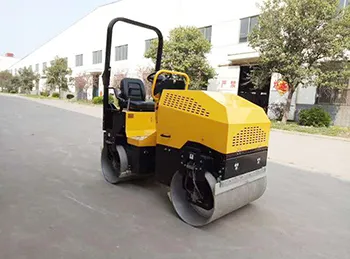
Common Sense of Using the Power Section of the Small Road Roller
First, the use of precautions1. When using, adjust and maintain according to the maintenance methods and various regulations described in the corresponding product manual. 2. It is not allowed to work at full speed and full load immediately after starting. It must be gradually transitioned from low speed and no load to high speed full load. 3. The fuel used in the diesel engine must be clean and should be allowed to stand for more than 72 hours. 4. The normal water temperature (75 °C ~ 95 °C) should be maintained for the diesel engine with radiator. When releasing the cooling water, you must first open the radiator cover (after the water temperature is lowered, then open it to avoid burns), and then unscrew the water discharge switch on the cylinder block. 5. The normal working oil pressure should be 0.2~0.4MPa. 6, the load must be strictly controlled, no overload is allowed, otherwise it will affect the reliability and service life of the diesel engine. 7. After the new or replacement injector, the medium-speed low-load running-in should be carried out, and the running-in time should not be less than 30 minutes. Before installation, the parts should be cleaned with clean kerosene or light diesel oil to remove anti-rust oil. 8. In the course of operation, if abnormal phenomena are found, stop in time. Second, fuel, oil and cooling water 1. Fuel Users should select the light diesel grades to be used according to the season and ambient temperature of the region. Recommendation: Use diesel fuel with a sulfur content below 0.5%. If the sulfur content is high, the oil change cycle will be shortened. Diesel filling and precautions Before the diesel engine is injected into the diesel engine, it must be allowed to stand for more than 72 hours, then the upper layer of clean diesel oil without water and impurities or filtered with silk cloth. Warning: (1) Do not fill fuel tank with fuel while the engine is running. (2) Do not smoke when filling the fuel tank with diesel fuel. (3) Use a clean oil pipe when refueling. Do not splash diesel oil outside. (4) Wipe off the spilled fuel. Materials that are fueled must be moved to a safe place. 2. Lubricating oil The oil must be selected according to the regulations. The viscosity of the oil is greatly affected by the temperature, and the user needs to correctly select the corresponding brand oil according to the ambient temperature. 3.cooling water should use clean soft water: rain, tap water or river water. If you use well water, spring water or other hard water with more minerals, you should add appropriate amount of softener, such as sodium carbonate (soda). The easiest way to do this is to boil the water and then precipitate it to remove impurities and use. In the cold winter, antifreeze can be added to the cooling system to prevent freezing. The most commonly used antifreeze is an aqueous solution of ethylene glycol (glycol) or alcohol. The use of antifreeze should be noted: Since the antifreeze has the characteristics of increasing volume with increasing temperature, when adding the cooling medium, the addition amount should be 5% to 6% less than the total capacity of the cooling system. Ethylene glycol – water-based antifreeze is toxic, special care should be taken when using it, and no entry is allowed. The boiling point of ethylene glycol is 194.4 ° C, so the water in the antifreeze is easy to evaporate, and the alcohol should be properly added after a period of use. If it is not anti-rust antifreeze, it should be removed regularly. When the diesel engine is used for a long time, the surface of the cooling water chamber will form scale, which will affect the heat dissipation of the diesel engine. For this reason, the scale should be cleaned regularly. The cleaning method is as follows: When cleaning, 25% hydrochloric acid solution can be injected into the water chamber and parked for 10 minutes. After that, the solution was drained and washed with water. If the scale is not removed, repeat it again Cooling water filling and precautions: (1) Fill the cooling water to the mark of the filling port. (2) Note that the drain valve is closed after the cooling water flows out from the drain valve. (3) Tighten the filler cap. (4) Start the engine and run to normal temperature until the thermostat is turned on (the cooling water pipe is obviously warmed up during the big cycle). (5) After the first operation, stop cooling and check the liquid level. Inspection and preparation before starting 1. When the new machine is started for the first time, carefully check the tight connection of each part, whether the attachment is complete, and whether the operating mechanism is flexible. 2. Check the oil level of the oil pan and the fuel injection pump between the upper limit mark and the lower limit mark of the oil scale. 3. Check the fuel storage capacity of the fuel tank. Turn on the fuel tank switch to allow diesel to flow to the fuel injection pump and remove air from the fuel system. 4. Check the battery and wiring. Check the electrolyte level in the battery. 5. Check the cooling system and add enough water. 6. In case of cold and freezing weather, the diesel engine should be placed in a cold-proof place. When working in the field, heat the oil sump and add two or three times of hot water to warm the diesel engine before starting. 7. The clutch should be in the separated state when the diesel engine starts. Startup After the preparation work before starting is completed and confirmed to meet the requirements, it can be started. The clutch should be disengaged when starting. The starting steps are as follows: 1. Push the lock switch to start the diesel engine. The starting time is less than 5 seconds each time to protect the starter and battery. After each failed start, stop for 1-2 minutes and start again. If the start fails three times in a row, you should find out the cause and troubleshoot before starting again. Once the diesel engine is started, the starter switch key should be released immediately and the lock switch should be returned to its original position. 2. Check the oil pressure immediately after starting. When the diesel engine is running at idle speed, the oil pressure should not be lower than 0.05MPa. After the newly assembled diesel engine is started for 5 minutes, stop the oil level of the oil pan and check if necessary, add oil so that the oil level is between the upper and lower marks on the oil scale. 3. Within one minute after starting the diesel engine, the water temperature gauge should be checked immediately to confirm that the cooling system is working properly. V. Operation After the diesel engine is started, the full-load operation should not be carried out immediately. The diesel engine should be heated in the idle mode at low speed and medium speed. 1. When operating, always pay attention to the oil pressure and cooling water temperature. When the speed is calibrated, the oil pressure should be 0.2~0.4MPa (2~4kgf/cm) 2. The temperature of the cooling water outlet is controlled at 80-90 °C. 3. When the diesel engine is running, always pay attention to observe whether the reading on the instrument panel is normal, whether there is abnormal sound. If it is found, it should be stopped immediately to check and find the cause and then allow it to start and run again. 4, always pay attention to the sealing of the oil and water connections, if there is a leak, it should be immediately removed. 5. The charging generator must be charged to the battery during operation, and the ammeter pointer points to “+”. 6. New or overhauled diesel engines are allowed to run at full speed at full speed after 50 to 100 hours of operation. Small roller parking 1. Remove the load and gradually reduce the speed to idling for 3 to 5 minutes before parking. 2. When the temperature is lower than 5 °C, if antifreeze is not used, the cooling water should be drained in time after parking to prevent cracking of the body. 3. After each stop, the faults found during operation must be discharged in time, and necessary inspections should be carried out. The diesel engine should be inspected and maintained frequently, and some sporadic faults should be eliminated in time to keep the diesel engine working properly and avoid serious faults. The necessary conditions for good economic returns. Daily maintenance of small road roller: (in combination with inspection preparation work), the driver usually carries out maintenance every day; check the fuel tank fuel quantity and add enough; check the oil level in the oil sump, when it is insufficient, it should be added; check and eliminate leakage and leakage Oil and gas leakage; check the stability of each accessory device; check the liquid level of the water tank.How to reduce the maintenance cost of concrete laser leveling machine?
Reducing the maintenance cost of concrete laser leveling requires a systematic management plan encompassing equipment use, routine maintenance, fault prevention, and spare parts management. This not only reduces the high repair costs associated with unexpected failures but also extends the equipment's lifespan. Specific implementation strategies are as follows: Many equipment failures stem from improper operation. Standardized operation is fundamental to reducing maintenance costs. Provide systematic training to operators to ensure they are familiar with the equipment structure (such as the laser system, hydraulic system, vibration motor, and other core components), the operating manual, and safety procedures. Develop an "Operational Procedures Manual" to clearly define pre-startup checks (such as laser transmitter battery level, hydraulic oil level, and tire pressure), precautions during operation (avoiding sudden stops under heavy loads, prohibiting forced vibration on hard surfaces, and preventing concrete from entering the motor or bearings), and post-operation cleanup (promptly removing any remaining concrete from the machine body and cleaning the laser receiver lens) to prevent component wear or damage due to operational errors. Overloading (such as exceeding the maximum leveling thickness or area) is prohibited, and the hydraulic system and engine should be kept under constant overload. Clear debris (such as rebar and rocks) from the site before work to prevent damage to the equipment chassis, scrapers, and other components. When working in muddy or flooded areas, lay down steel plates to reduce chassis rust and tire wear. Avoid prolonged continuous operation and set reasonable rest intervals according to the equipment manual to prevent engine and hydraulic pump aging due to overheating. The cost of preventive maintenance is far lower than the cost of repairs after a failure. A periodic maintenance plan should be established for key components. Regularly inspect and change oil: Replace engine oil and oil filter according to the manual (usually every 50-100 hours) to prevent oil impurities from abrading the cylinder block. Inspect the fuel filter to prevent impurities from entering the fuel injectors, causing blockage or damage (injector repairs are costly). Cooling System Maintenance: Check the coolant level weekly and clean the radiator and radiator every 200 hours to prevent poor heat dissipation and engine overheating. Overheating can cause serious problems such as cylinder head deformation. Air Filter Maintenance: In dusty operating environments, the air filter cleaning/replacement interval should be shortened (it is recommended to check every 20-50 hours. Clogged filters can lead to insufficient engine air intake and reduced power). Hydraulic Oil Management: Hydraulic oil needs to be replaced regularly (usually every 500-800 hours). During these changes, the hydraulic oil tank should be cleaned and the hydraulic oil filter replaced to prevent oil contamination and wear on the hydraulic pump and cylinder (hydraulic pump repair costs account for over 30% of total equipment maintenance costs). Leak Check: Before daily operation, inspect hydraulic lines and joints for leaks. If leaks are detected, promptly replace seals (O-rings, gaskets, etc.) to prevent hydraulic oil loss and air intrusion into the system (air intrusion can cause cavitation damage to hydraulic components). Hydraulic Oil Temperature Control: Monitor the hydraulic oil temperature during operation (normally below 80°C). If the temperature is too high, shut down the machine for cooling. Check the radiator for blockage or hydraulic pump malfunctions. Laser Transmitter and Receiver Maintenance: Clean the receiver lens and transmitter window daily to prevent dust from affecting signal reception. Regularly check the laser system battery level to prevent sudden power outages during operation that could cause leveling accuracy errors. Protect laser components from impact and moisture during storage. Circuit Inspection: Weekly check wire connectors for looseness and aging, especially at the vibrating and travel motor connections, to prevent short circuits or poor contact (circuit failures can easily cause motor burnout). Vibrating Plate and Scraper: Promptly remove residual concrete after operation to prevent unbalanced vibration after setting. Regularly check the lubrication of the vibrating bearings (grease every 100 hours) to prevent dry grinding and abnormal noise. Travel System: Check tire pressure and track tightness (for tracked equipment). Replace tires if severely worn to prevent deviation and uneven load on the chassis structure. Regularly lubricate the travel motor gearbox. Tighten connections: Check bolts and pins (such as the vibration frame connecting shaft and hydraulic cylinder mounting bolts) weekly for looseness, especially in high-frequency vibration areas, to prevent component loss or structural deformation. Select cost-effective spare parts. For core components (such as hydraulic pumps, engine filters, and laser receivers), original manufacturer parts are preferred. Although initially more expensive, they offer better compatibility and durability, reducing secondary failures. For non-core components (such as seals, bolts, and grease), reliable third-party brands can be selected to reduce costs. Buy frequently worn parts (such as filters, seals, and bearings) in bulk, establishing long-term relationships with suppliers to obtain discounts and avoid overpayments for emergency purchases. Extend the lifespan of spare parts. Repair repairable parts (such as minor scratches on cylinder piston rods and worn hydraulic line joints) with repair treatments (such as chrome plating and polishing) rather than direct replacement. Maintain spare parts replacement records, analyze wear patterns of wearing parts, and optimize maintenance intervals accordingly. (For example, if a batch of seals frequently fails, check the hydraulic fluid cleanliness or installation process.) Long-term idleness or improper storage will accelerate equipment aging and increase maintenance costs. Short-term Storage (1-3 months): Clean the concrete on the machine body and spray rust inhibitor on exposed metal parts (such as scrapers and chassis). Release the hydraulic system pressure and retract the cylinder piston rod to prevent rust. Stop the engine after idling for 5-10 minutes to prevent oil residue from causing cylinder rust. After disassembling the laser equipment, store it separately in a dry and ventilated area. Long-term Storage (3 months or more): Replace the engine oil and hydraulic oil to prevent oil deterioration. Fill the fuel tank with fuel stabilizer to prevent rust on the tank wall. Store the tires off the ground or rotate them regularly to prevent localized pressure deformation. Cover with a tarp to prevent sun and rain from moisture that could damage the circuitry and deteriorate rubber components. 5. Data Management and Fault Analysis Establish equipment maintenance records. Record each maintenance time, replaced parts, fault causes, and repair costs. Use data analysis to identify frequent fault points (e.g., a certain model of hydraulic pump is prone to wear) to optimize maintenance plans or stockpile spare parts in advance. Address minor faults promptly to prevent them from escalating. When minor equipment issues such as unusual noise, vibration, or oil leaks are discovered, immediately shut down the machine for inspection to prevent them from escalating into major repairs. (For example, ignoring a minor leak in a hydraulic line can cause the hydraulic pump to run out of oil and burn out, increasing repair costs by more than 10 times.) Develop professional maintenance personnel. Equip operators with basic maintenance skills (such as changing filters and cleaning laser components) to reduce reliance on external service providers and lower labor costs. Select reliable repair service providers. Work with experienced, manufacturer-authorized service providers to avoid unprofessional repairs that can lead to "repairs that worsen the situation" (e.g., improper hydraulic system repairs can introduce more impurities). Sign long-term maintenance agreements to secure parts discounts and priority service. Summary: The key to reducing maintenance costs for concrete laser leveling is "prevention first, standardized operation, and precise maintenance." By reducing human losses, extending component life, and controlling accessory costs, annual maintenance costs can be reduced by 30%-50%, while ensuring the construction efficiency and leveling accuracy of the equipment, achieving long-term cost optimization. Click the below to jump immediately!!! ARMOUR JOINT CONCRETE LASER LEVELING MACHINE LIGHT TOWER POWER TROWEL SLIPFORM MACHINE STEEL FIBER TOPPING SPREADER TRACKED MINI DUMPERAnalysis on rapid construction technology of high-flatness flooring in large-area automobile workshops
▶1◀ Technical Overview The rapid construction technology of large-area and high-flatness floors in automobile factories is an efficient and high-precision floor construction method. It is mainly used in floor construction of industrial factories such as automobile manufacturing and machinery manufacturing. This technology uses advanced laser leveling technology and equipment to achieve high flatness requirements for large-area floors, while improving construction efficiency and shortening the construction period. ▶2◀ Key points of construction technology 1. Before construction , clean and level the construction site to ensure that there are no debris or bumps on the ground. At the same time, according to the design requirements and construction conditions, select the appropriate laser leveler and other auxiliary equipment, and carry out inspection and debugging. 2. Concrete mix proportion design: Carry out concrete mix proportion design based on the design requirements and material properties of the floor. While meeting the strength requirements, optimize the mix ratio, reduce the amount of cement, reduce the heat of hydration, and avoid cracks in the concrete. 3. Concrete pouring and leveling shall adopt the method of large-area concrete pouring, and concrete shall be poured continuously according to the construction sequence. A laser leveler is used to initially level, vibrate and finely level the concrete to ensure the flatness and compactness of the floor. During the leveling process, pay attention to controlling the traveling speed and elevation of the leveling head to avoid excessive vibration or vibration leakage. 4. Surface treatment and maintenance: After the concrete is initially set, use a polishing machine to polish the floor surface to improve the gloss and wear resistance of the floor. During the maintenance period, keep the floor surface moist and take appropriate moisturizing measures to prevent cracks. 5. Quality inspection and acceptance After the floor construction is completed, quality inspection and acceptance will be carried out. The testing content includes the flatness, strength, wear resistance and other aspects of the floor. For unqualified floors, promptly handle and repair them. ▶3◀ Technical advantages 1. High flatness: Using laser leveling technology, high-precision floor flatness requirements can be achieved and the visual effect and performance of the floor can be improved. 2. Rapid construction: Compared with the traditional manual scraping method, the laser leveling machine has higher production efficiency, can shorten the construction period and reduce the construction cost. 3. High degree of automation: Laser leveling machines and other equipment have a high degree of automation, which can reduce manual operations and human errors and improve construction quality. 4. Wide scope of application: This technology is suitable for floor construction of various large-area industrial plants with high flatness requirements, such as automobile manufacturing, machinery manufacturing, electronics industry and other fields. 5. Environmentally friendly: There is no noise, no vibration and no pollution during the construction process, which is in line with the concept of green construction. To sum up, the rapid construction technology of large-area and high-flatness floors in automobile workshops has significant advantages and characteristics. Through reasonable construction preparation, concrete mix ratio design, pouring and leveling surface treatment and maintenance, as well as quality inspection and acceptance and other construction technical points, the quality and efficiency of floor construction can be effectively improved. In the future, with the continuous advancement of technology and the expansion of application scope, this technology will play a more important role in industrial construction fields such as automobile factories.