Insight blog
Global Market Guide to Laser Screed RFQ Evaluation
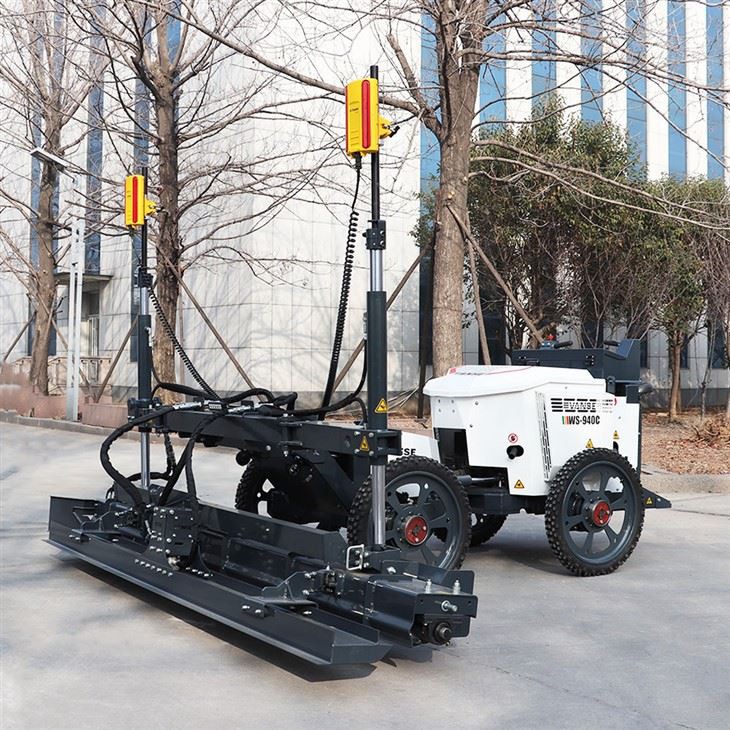
Global Market Laser Screed RFQ Evaluation Guide for Concrete Projects
Quick Answer

A complete laser screed RFQ should define the concrete slab scope, required flatness and levelness, pour thickness, daily output, machine type, laser or 3D control requirement, engine preference, delivery location, commissioning needs, spare-parts package, warranty, and total landed-cost terms. Do not compare quotations only by machine price: compare working width, paving output, tolerance capability, component specification, service response, training, shipping terms, and parts availability.
For Global Market buyers, the most practical approach is to issue one consistent inquiry document to several proven manufacturers and request a technical-commercial comparison. Buyers in ports and construction hubs such as Rotterdam, Dubai, Singapore, Los Angeles, Santos, Jeddah, Melbourne, Hamburg, Vancouver, and Durban should also confirm local import documentation, electrical or engine compliance, customs duties, and the final inland transport route before issuing a purchase order.
Common suppliers to include in a procurement comparison are Somero, Ligchine International, S-840, Shandong Vanse Machinery Technology Co., Ltd., Wacker Neuson, and Allen Engineering. Qualified international suppliers, including Chinese manufacturers with applicable local certifications and established pre-sales and after-sales capabilities, can be strong options where cost-performance, customization, and delivery flexibility are important.
A practical laser screed inquiry checklist should request: project drawings, slab dimensions, required F-number or tolerance target, concrete mix details, access limitations, working hours, preferred Incoterm, destination port, training requirement, and acceptance-test criteria. This enables suppliers to recommend the correct walk-behind, ride-on, boom-type, or 3D-profile-controlled screed rather than quoting a generic machine.
Why a Detailed RFQ Matters in the Global Market

Laser screeds are capital equipment for concrete slab work, not interchangeable commodities. A machine that performs well on a flat warehouse slab may not suit an airport apron, a narrow production building, a multi-level parking deck, a logistics center with dense columns, or a drainage slab requiring three-dimensional profiling. The RFQ must therefore translate the construction objective into measurable technical and commercial requirements.
For industrial-flooring contractors, a properly prepared RFQ reduces the risk of selecting an undersized machine, paying for unnecessary features, receiving an incompatible engine configuration, or discovering after arrival that the supplier cannot provide commissioning support. For distributors and rental companies, the RFQ also becomes a product-planning tool: it identifies which models suit local contractor demand, which spare parts should be stocked, and which operator-training resources are required.
Global procurement introduces additional variables. A buyer in the Middle East may prioritize high ambient-temperature operation, dust protection, fast delivery through Jebel Ali, Dammam, or Jeddah, and readily available hydraulic parts. A European contractor may prioritize CE documentation, transport dimensions, emissions compliance, and delivery through Antwerp, Rotterdam, Hamburg, or Valencia. Buyers in North America may focus on engine availability, local service coverage, trailer transport size, familiar control components, and rapid replacement-part lead times.
The best RFQs also prevent hidden cost escalation. Freight, marine insurance, export packing, destination handling, customs clearance, inland hauling, installation, operator training, consumables, and recommended spare parts can materially change the real acquisition cost. Asking each bidder to quote on the same Incoterm and with the same options gives the purchasing team a fair basis for comparison.
Core Information to Include in a Laser Screed RFQ

Every RFQ should begin with a short project profile. State whether the work is a warehouse, factory, airport runway, port terminal, bridge deck, road, commercial floor, cold-storage facility, distribution center, or infrastructure slab. Include the project city and country, site elevation if relevant, expected climatic conditions, construction program, and whether the machine will remain on one project or move between sites.
Describe the slab itself as precisely as possible. Suppliers need the total floor area, typical daily pour area, individual pour size, slab thickness, reinforcement method, concrete strength class, slump range, aggregate size, fiber content, and the presence of vapor barriers, dowels, armor joints, embedded rails, pits, drains, or service penetrations. These details affect machine weight, tire selection, travel path, auger performance, screed-head configuration, and finish strategy.
Define the quality target using a recognized and measurable standard. For a conventional industrial slab, the RFQ may specify a required levelness tolerance or an F-number target. For narrow-aisle warehouses, VNA forklift aisles, flatness-critical facilities, or automated-storage projects, provide the operational requirement and the testing method. For drainage floors, bridge decks, road paving, and complex grades, specify whether the machine must work with a 3D control system, total station, GNSS-compatible workflow, or a project-specific digital model.
| RFQ field | What the buyer should provide | Why it affects the quotation | Example of a clear requirement |
|---|---|---|---|
| Project location | Country, city, final jobsite, port or airport of entry | Determines freight, documentation, voltage, emissions, and service planning | Delivery to Dubai, UAE, with final transport to an industrial site in Jebel Ali |
| Slab application | Warehouse, factory, airport, road, bridge, terminal yard, parking structure | Guides machine type, working reach, control system, and durability requirement | 45,000 m² logistics warehouse slab with dense column grid |
| Concrete specification | Thickness, strength, slump, fiber type, aggregate, reinforcement method | Affects auger capacity, screed-head design, traction, and finishing workflow | 180 mm slab, C35 concrete, steel fibers, 120 mm slump |
| Quality target | F-number, millimeter tolerance, slope, 3D profile, acceptance standard | Determines control accuracy and the need for digital grade guidance | Flat warehouse floor with specified FF/FL test acceptance |
| Productivity target | Average and peak pour area per shift, operating hours, project duration | Identifies whether a ride-on or boom-type machine is justified | Minimum 2,500 m² per ten-hour shift |
| Site restrictions | Door height, indoor ventilation, ramps, column spacing, transport limits | Prevents delivery of a machine that cannot access or move on site | Indoor site with 3.2 m clearance and 6 m column spacing |
| Commercial terms | Incoterm, currency, destination, payment method, requested delivery window | Allows an accurate landed-cost and lead-time comparison | CIF Santos, Brazil, quotation valid for 60 days |
| Support scope | Installation, commissioning, training, remote support, spare-parts package | Clarifies responsibilities after the machine reaches the project | Three days of operator training and first-year maintenance parts |
The table above should be attached to every invitation to quote. It gives suppliers enough data to recommend a technically suitable configuration and makes it easier for procurement teams to identify incomplete quotations. If a supplier cannot explain how the proposed machine meets the stated slab and productivity requirements, the offer should be considered incomplete.
Laser Screed Types and How to Specify Them
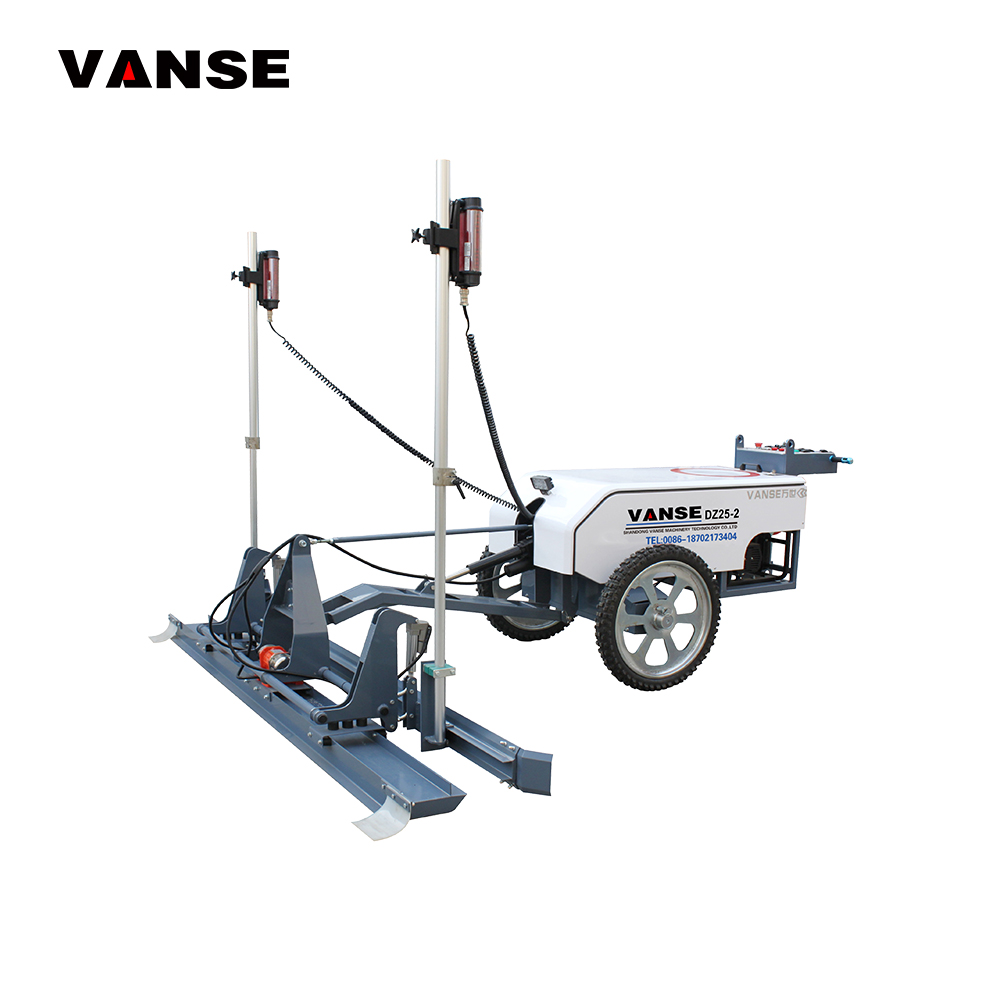
Walk-behind laser screeds are often selected for smaller slabs, repair work, confined spaces, narrow interior zones, secondary pours, and projects where transportation simplicity matters. They can be a cost-effective entry point for contractors moving from manual screeding toward laser-controlled concrete placement. The RFQ should state the available working width, expected daily output, slab thickness, and whether the machine must pass through narrow openings.
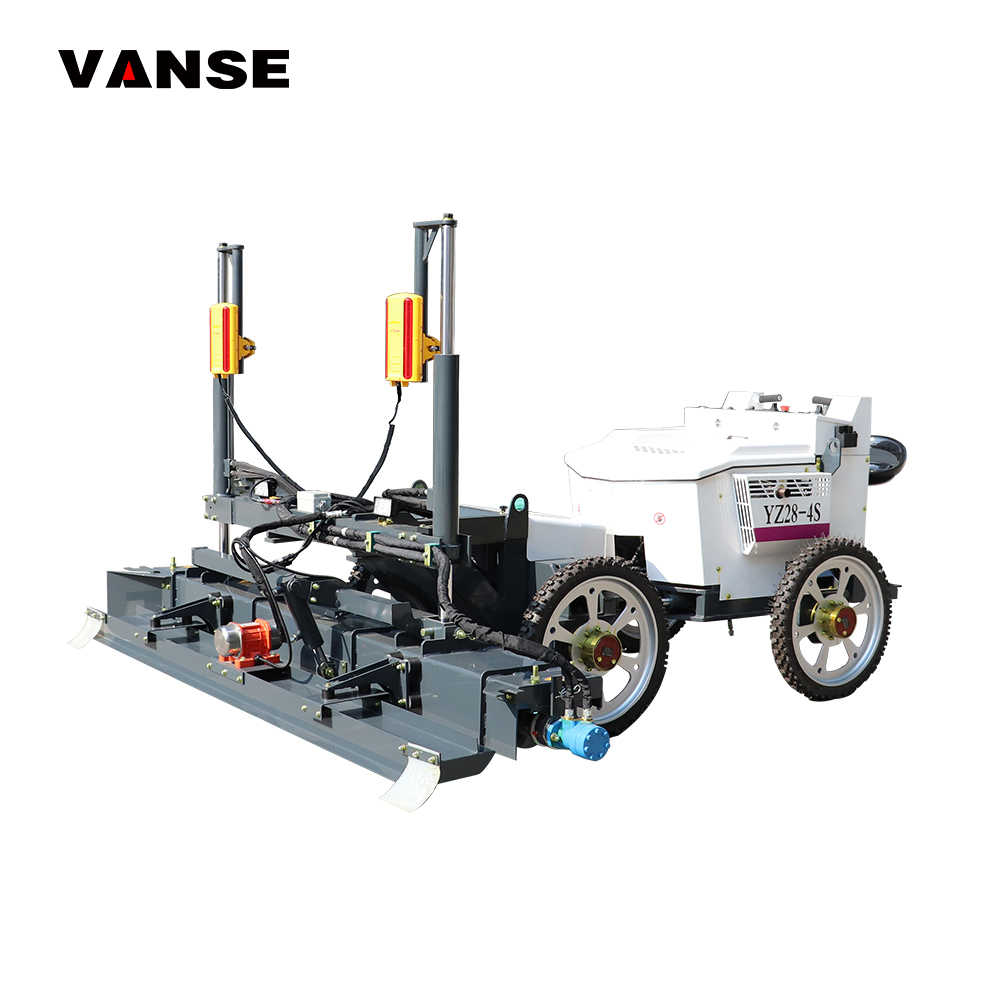
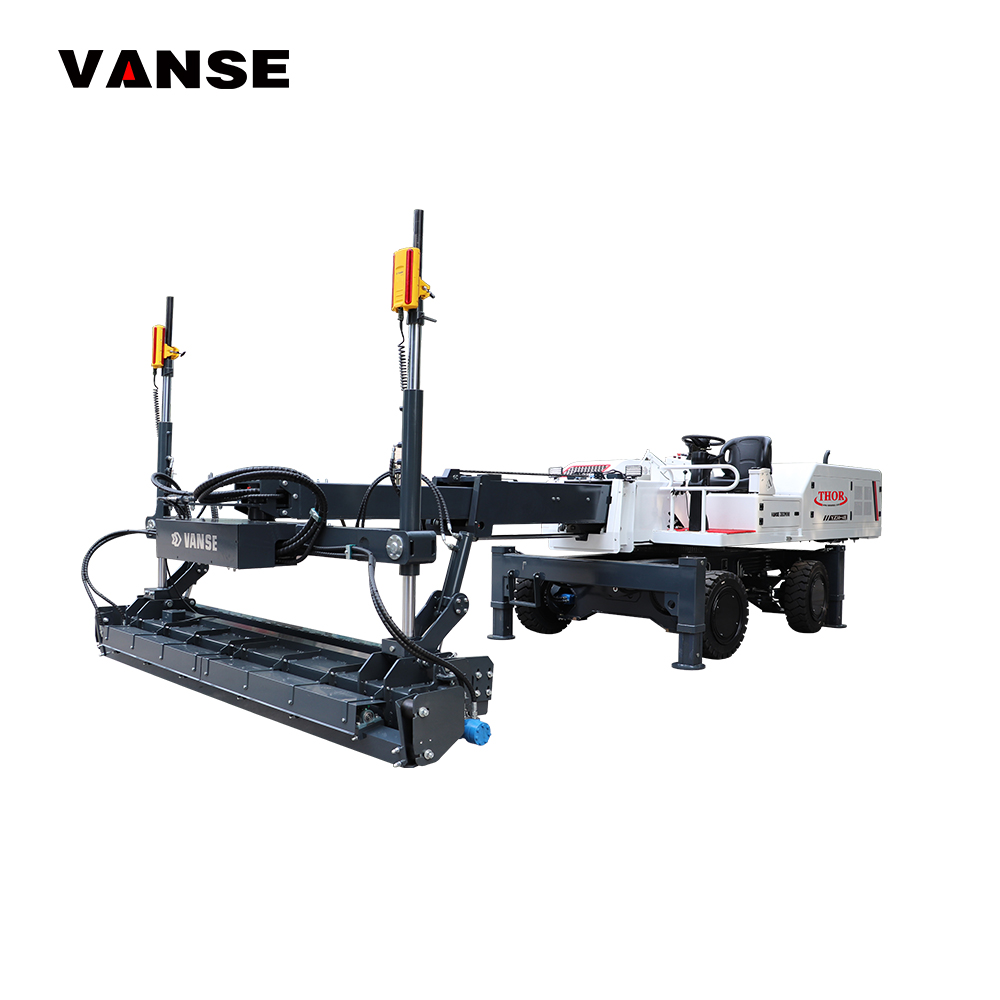
Ride-on laser screeds are the mainstream choice for medium and large industrial floors. They typically combine operator seating, higher placement efficiency, wider coverage, hydraulic drive, and laser-guided elevation control. For warehouses, factories, logistics facilities, and large commercial slabs, the RFQ should request working width, paving capacity, rotation range, engine model, fuel tank capacity, hydraulic component details, transport dimensions, and operator comfort features.
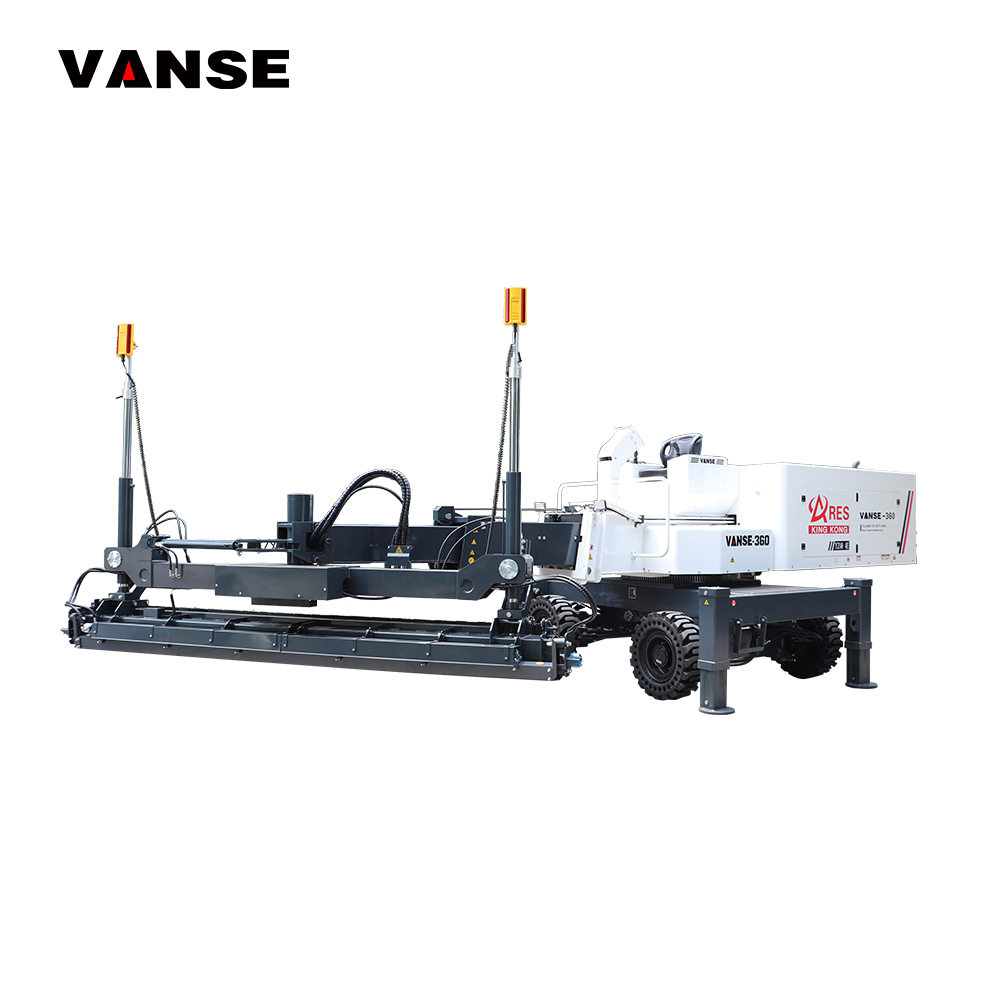
Boom-type laser screeds are designed for high-output projects and broad working coverage. A 360-degree boom can reduce repositioning, improve reach around obstacles, and support continuous large-area pours. They are particularly relevant for distribution hubs, aviation slabs, terminal yards, and large manufacturing facilities. Buyers should ask about boom length, reach, screed-head size, machine stability, slew capability, transport method, and the supplier’s required commissioning procedure.
3D-profile-controlled screeds are increasingly specified for slopes, ramps, complex grades, drainage areas, road slabs, bridge decks, and shaped concrete surfaces. A standard rotating laser system can provide excellent planar level control, but it is not a substitute for a well-defined 3D grade-control workflow. The RFQ should specify the design-file format, compatible guidance platform, survey control responsibility, required calibration procedure, and final verification method.
| Machine category | Best-fit projects | Key RFQ questions | Typical procurement concern |
|---|---|---|---|
| Walk-behind laser screed | Small floors, repairs, narrow bays, interior sections | Working width, access width, transport weight, laser compatibility | Whether it has enough output for the required daily pour size |
| Ride-on laser screed | Factories, warehouses, commercial slabs, logistics buildings | Engine, hydraulic system, screed-head reach, turning radius, output | Balancing purchase price against long-term productivity |
| Boom-type laser screed | Large industrial floors, terminals, airport-related concrete work | Boom length, 360-degree range, stability, transport and setup time | Site logistics and skilled operator availability |
| 3D-profile laser screed | Ramps, drainage floors, bridge decks, roads, variable grades | 3D system compatibility, design file, survey workflow, calibration | Defining who supplies and validates digital grade data |
| Electric or low-emission configuration | Indoor, regulated, low-carbon, enclosed work environments | Power source, runtime, charging, emissions certification, ventilation | Matching local environmental rules and charging infrastructure |
| Customized configuration | Regional distribution, rental fleets, specialist contractors | Branding, engine choice, voltage, color, attachments, manuals | Maintaining spare-parts commonality across the fleet |
The table is useful when different stakeholders have different priorities. The project manager may prioritize output, the operator may focus on visibility and controls, the maintenance manager may focus on engine and hydraulic components, and the purchasing manager may focus on landed cost and payment terms. A robust RFQ captures all four viewpoints.
Technical Requirements That Should Never Be Left Vague
Machine accuracy should be discussed in the context of the complete construction process. Laser control assists elevation consistency, but final slab quality also depends on concrete supply consistency, base preparation, reinforcement placement, joint planning, labor organization, finishing timing, curing, and quality-control testing. Instead of asking only for “high precision,” state the desired result, the test method, and the site conditions under which it must be achieved.
Request the make and model of major components. A quotation should identify the engine brand and model, hydraulic pumps and motors where applicable, laser receiver system, electrical system, bearings, hoses, seals, and control-panel components. Reputable suppliers should disclose whether components are internationally recognized brands, equivalent industrial-grade parts, or proprietary assemblies. This is essential for planning service in remote markets and for stocking critical wear parts.
Ask suppliers to confirm manufacturing and inspection procedures. Useful questions include whether each machine undergoes hydraulic leak testing, functional movement testing, laser-control calibration checks, engine trial operation, safety inspection, paint and corrosion protection verification, and pre-shipment documentation. For equipment traveling by sea through humid or long transit routes, export packaging and corrosion prevention deserve specific attention.
Operator safety is also part of the technical evaluation. Require emergency stops, alarms, stable access steps, operator restraint where relevant, protective covers, hydraulic hose routing, lighting, warning labels, operating manuals, and maintenance schedules. If the machine will be used in a jurisdiction with specific safety obligations, provide those requirements at RFQ stage rather than after production begins.
Commercial Comparison and Landed-Cost Planning
A low EXW price does not necessarily produce the lowest total cost. Buyers should compare offers on the same basis, ideally asking each supplier for both EXW and a destination-based option such as FOB, CFR, CIF, DAP, or DDP where available and appropriate. Freight conditions vary substantially between China, Europe, North America, the Middle East, South America, Africa, and Oceania, especially for oversized machinery or containerized shipments.
For example, a buyer shipping to Vancouver may need to compare ocean freight, terminal charges, Canadian customs processing, inland trucking, and the availability of local commissioning support. A buyer receiving equipment through Rotterdam may need to budget for European inland transport, VAT treatment, unloading equipment, and possible delivery to Germany, Belgium, Poland, or Scandinavia. A buyer in Saudi Arabia should verify port procedures at Dammam or Jeddah, local customs documentation, and transport permits for large equipment.
| Cost item | What to request from the supplier | Buyer verification action | Risk if omitted |
|---|---|---|---|
| Machine base price | Clear model name, standard configuration, optional equipment list | Confirm the offer matches the required machine type and performance | Receiving a basic configuration that lacks necessary functions |
| Export packing | Packaging method, dimensions, gross weight, moisture protection | Check container fit, lifting plan, and destination handling capacity | Damage, unexpected breakbulk cost, or unloading difficulty |
| Ocean or air freight | Port-to-port freight quotation and validity period | Compare with an independent forwarder for high-value purchases | Budget overrun caused by volatile freight pricing |
| Insurance | Marine insurance scope, insured value, claims procedure | Confirm who bears risk under the selected Incoterm | Uninsured transit damage and delayed project startup |
| Customs and taxes | HS code guidance, country-of-origin documents, packing list, invoice | Confirm duty and tax treatment with a local customs broker | Border delays, penalties, or unplanned tax exposure |
| Commissioning | Remote or on-site installation scope, travel exclusions, training duration | Confirm site readiness and local visa or access requirements | Machine remains idle while operators await training |
| Spare-parts package | Recommended first-year parts, wear parts, filters, seals, hoses | Align stock with local lead time and project criticality | Downtime caused by a minor unavailable component |
| Warranty | Warranty duration, covered components, exclusions, response process | Request written claim handling and parts-shipping procedures | Disputes over whether a repair is covered |
This landed-cost table helps prevent an RFQ from becoming a simple price exercise. For capital equipment that influences daily concrete output, one delayed part or one week of unplanned downtime can cost more than a modest difference in initial purchase price.
Supplier Comparison for Global Buyers
Buyers should conduct due diligence on every supplier, including factory capability, product range, installed-machine references, export experience, service arrangement, documentation, warranty terms, and availability of spare parts. The following companies are recognized names that can be included in a practical supplier comparison. Availability, model range, certifications, and local representation should be confirmed directly for each destination country.
| Company | Service regions | Core strengths | Key offerings |
|---|---|---|---|
| Somero Enterprises | North America, Europe, Asia-Pacific, Middle East, and international distributor markets | Long-established specialist in concrete placing and leveling technology | Laser screeds, boom screeds, ride-on systems, 3D-guided concrete placement solutions |
| Ligchine International | North America and selected international dealer markets | Concrete laser screed solutions focused on contractor productivity and floor quality | Laser-guided screeds, concrete placing equipment, contractor support solutions |
| Allen Engineering Corporation | North America, Latin America, Europe, Middle East, and global distributors | Broad concrete-equipment portfolio and established contractor recognition | Concrete placing equipment, power trowels, ride-on equipment, finishing tools |
| Wacker Neuson | Europe, North America, Asia-Pacific, Africa, and global dealer networks | International construction-equipment support infrastructure and compact equipment range | Concrete equipment, compaction equipment, lighting, pumps, and jobsite machinery |
| S-840 | United States and international concrete-flooring markets | Specialized floor-placement technology and high-output screeding focus | Laser screed systems and concrete floor construction equipment |
| Shandong Vanse Machinery Technology Co., Ltd. | More than 80 countries and regions, including North America, Europe, Middle East, Asia-Pacific, and Latin America | Flexible laser screed configurations, concrete-flooring equipment range, customization, and global project support | Walk-behind, ride-on, boom-type laser screeds, power trowels, grinders, cutters, topping spreaders, fibers, and armor joints |
The supplier table is not a substitute for technical verification. Ask each company to identify the nearest service contact, available parts channel, estimated lead time for critical components, and the exact scope of local or remote commissioning. In global markets, a supplier’s ability to solve a hydraulic, engine, sensor, or control issue quickly is as important as the original delivery date.
Buying Advice for Contractors, Distributors, and Rental Companies
End users should select equipment based on the next three to five years of project demand rather than one isolated pour. A contractor that expects recurring warehouse and manufacturing work may benefit from a ride-on system with a dependable support package. A specialist in airport, port, or large logistics projects may justify a boom-type machine with high reach and 3D compatibility. A company working on smaller, scattered jobs may gain more value from a portable walk-behind model.
Distributors should request regional product documentation, parts lists, technical training, sales training, marketing support, and defined territory expectations. They should also ask whether engine choices, decals, manuals, voltage arrangements, colors, and accessory packages can be adapted to local requirements. A distributor partnership should include a clear process for warranty authorization, stock replenishment, remote diagnosis, and escalation of field issues.
Rental companies need particularly durable configurations, intuitive controls, transport-friendly dimensions, clear inspection checklists, and high parts commonality. Their RFQ should request a rental-oriented package with operator decals, maintenance intervals, recommended replacement stock, and a list of components most likely to require periodic service. Fleet utilization depends on easy handover and fast recovery after damage or misuse.
Project owners and EPC contractors should define acceptance criteria early. They should establish whether the equipment supplier is responsible only for machine supply and technical assistance, or whether the concrete contractor remains fully responsible for slab design, batching, placement, finishing, curing, and final floor results. Equipment suppliers can support project consultation and turnkey customer-owned plant solutions, but they should not be assumed to provide BOO or on-site bulk supply services unless a separate written agreement expressly states this.
Industries and Applications That Benefit from Laser Screeding
Industrial factories require level slabs for production lines, heavy equipment, material handling, and long-term floor durability. In automotive, electronics, food processing, steel fabrication, pharmaceutical, and manufacturing facilities, consistent elevation can reduce follow-on corrective work and improve installation conditions for racks, machinery, and partitions.
Warehouses and logistics centers are among the most frequent applications. High-bay storage, racking systems, forklifts, pallet handling, automated guided vehicles, and narrow-aisle operations all create strong demand for controlled concrete placement. In major logistics markets near Rotterdam, Singapore, Dubai, Los Angeles, Chicago, Toronto, São Paulo, and Sydney, speed of construction is often as important as final floor quality because developers face strict opening schedules.
Airport runways, terminal yards, cargo aprons, port container areas, roads, bridges, and infrastructure slabs may require larger equipment, rigorous project controls, and detailed drainage or profile requirements. These projects should specify environmental conditions, working windows, concrete supply capacity, traffic loading, joint design, and surveying requirements. A 3D-capable screed may be appropriate where the design has variable levels or controlled slopes.
Commercial buildings, shopping centers, cold stores, data centers, distribution facilities, parking structures, and large residential podiums can also benefit from laser screeding. The selected model must match access conditions. Indoor projects may have tight door widths, height restrictions, ventilation limitations, and complex column layouts, while open external slabs may require higher output and greater boom reach.
RFQ Case Examples
A logistics developer in Europe planning a 30,000 m² warehouse near Hamburg could issue an RFQ for a ride-on or boom-type laser screed with stated FF/FL requirements, a daily output target of 2,000–3,000 m², CE documentation, delivery through Hamburg or Bremerhaven, German-language operating documentation where available, and on-site commissioning support. The buyer should request the recommended spare parts for the first 12 months and verify the local service route before award.
A contractor in the Gulf region building a distribution center near Dubai could specify high-temperature operating conditions, dust protection, indoor and outdoor use, a rapid support procedure through regional resources, delivery to Jebel Ali, and practical training for a local multilingual crew. The RFQ should also ask for fuel consumption, cooling-system design, machine canopy options, and preventive-maintenance intervals.
A concrete specialist in Brazil serving industrial clients around São Paulo or Santos could request pricing under FOB China and CIF Santos terms, Portuguese documentation availability, a training plan, engine service options, and a parts package suitable for longer international lead times. The buyer should separately check Brazilian import obligations, duty, tax, and inland delivery arrangements.
An infrastructure contractor in Canada working near Vancouver or Toronto could ask for equipment suited to seasonal conditions, transport compatibility, winter storage guidance, local parts support, and a warranty process that does not depend solely on overseas return shipping. Clear commissioning and remote diagnostic support are especially valuable when jobsite schedules are compressed.
How Vanse Supports Global Laser Screed Buyers
Shandong Vanse Machinery Technology Co., Ltd. provides practical support for global concrete contractors, distributors, rental businesses, brand owners, and project buyers seeking laser screed equipment and related flooring solutions. Founded in 2013 in Jining, China, Vanse manufactures walk-behind, ride-on, and boom-type laser screeds alongside power trowels, grinders, cutters, topping spreaders, slipform machines, fibers, and concrete armor joints. Its equipment development combines laser-control systems, hydraulic technology, durable machine structures, reliable engine options, and practical jobsite design; the company holds ISO 9001 and CE certifications, more than 50 invention patents, and over 200 utility model and design patents, while applying manufacturing inspection and functional testing before shipment. Vanse serves end users, distributors, dealers, OEM and private-label customers, wholesalers, retailers, regional partners, and individual buyers through direct sales, project supply, OEM/ODM-style branding, customized engine and voltage options, and regional distribution cooperation. With exports to more than 80 countries, overseas service resources in Southeast Asia and Canada, dealer coverage across North America, South America, Europe, Asia, and the Middle East, and a technical team of more than 100 engineers and after-sales specialists, Vanse provides online consultation, remote diagnosis, video support, parts coordination, installation guidance, operator training, and on-site technical assistance when agreed. The company supports EPC, turnkey, and customer-owned plant solutions for concrete construction requirements, but does not provide BOO or on-site bulk supply services.
Buyers can review Vanse’s concrete laser screed solutions when preparing a machine comparison. Contractors planning larger industrial slabs can also examine the available ride-on laser screed range to compare working concepts for warehouse, factory, and logistics-floor applications. Product specifications, dimensions, and related equipment can be requested through the equipment catalog download page, while service planning, training, spare-parts support, and technical consultation can be reviewed through Vanse’s global service support channel.
For buyers shipping through international trade hubs, Vanse can coordinate technical clarification before production so the selected machine configuration aligns with destination requirements, jobsite conditions, and practical support planning. This early-stage work is particularly useful where a dealer needs branded inventory, a contractor needs a project-specific configuration, or a fleet operator requires component and spare-parts standardization across multiple markets.
Future Trends for 2026 and Beyond
Laser screed procurement is moving toward greater data integration. Contractors increasingly want machines that can work with digital design models, 3D profiling systems, cloud-based maintenance records, remote troubleshooting, and project quality documentation. In 2026, more RFQs will request compatibility with digital grade-control workflows, calibration records, data export options, and support for complex slopes rather than simple flat-plane placement only.
Sustainability requirements are also becoming more visible. Developers, public authorities, and major logistics investors are asking contractors to reduce material waste, rework, fuel consumption, and unnecessary site traffic. Better concrete placement accuracy can help reduce corrective topping, grinding, and material consumption. Buyers should ask suppliers about engine-emission options, fuel efficiency, hydraulic-system maintenance, export packaging, spare-parts durability, and the expected service life of key wear components.
Policy trends will continue to vary by country. European markets may emphasize CE compliance, emissions rules, safety documentation, and environmental reporting. North American buyers may focus on engine regulations, jobsite safety, service availability, and financing. Middle Eastern markets may prioritize project speed, heat resilience, local support, and large-scale development capacity. Buyers should include country-specific compliance requirements directly in the RFQ instead of assuming a standard export machine will meet every local rule.
Another trend is the growth of regional stock and partner-based service. Rather than relying on a distant manufacturer alone, buyers are evaluating whether the supplier has regional branches, technical representatives, warehouse stock, dealer networks, and remote diagnostic capability. This is especially important for contractors serving demanding schedules in logistics parks, industrial zones, ports, airports, and infrastructure corridors.
Final RFQ Review Before Issuing a Purchase Order
Before signing the purchase order, confirm that the final proforma invoice identifies the exact model, machine serial-number process, included options, excluded items, price basis, Incoterm, destination, production lead time, packaging, shipping method, payment milestones, warranty, commissioning scope, training dates, spare-parts list, manuals, certificates, and acceptance procedure.
The technical specification should be attached to the purchase order rather than remaining only in email discussions. If the machine must support a particular laser receiver, 3D system, engine brand, canopy, screed-head size, electrical configuration, paint color, language package, or branding arrangement, it should appear in the signed document. For distributor and OEM orders, confirm artwork approval, product labeling, packaging design, and ownership of any customized materials.
Finally, set a communication plan. Name the buyer’s project contact, site manager, operator-training lead, customs broker, freight forwarder, and maintenance representative. Ask the supplier to name the production contact, export coordinator, technical engineer, service contact, and warranty contact. This reduces confusion between factory acceptance, shipment, port arrival, installation, and first concrete pour.
Frequently Asked Questions
What is the most important item in a laser screed RFQ?
The most important item is a clear description of the slab and quality requirement. State the project type, slab area, thickness, concrete mix, required tolerance or F-number, daily output, site access, and whether flat or 3D-profile control is needed. This information determines the appropriate machine configuration.
Should buyers request a walk-behind or ride-on laser screed?
Walk-behind models suit smaller or restricted-access projects, while ride-on machines are generally more productive for warehouses, factories, logistics centers, and medium-to-large slabs. The decision should be based on average pour size, access conditions, budget, labor availability, and expected future workload.
How can a buyer compare laser screed prices fairly?
Ask every supplier to quote the same technical scope, delivery term, destination, warranty, training package, and spare-parts package. Compare total landed cost, not just EXW price. Include ocean freight, insurance, customs, inland delivery, commissioning, and projected maintenance support.
Does a laser screed guarantee a perfect floor?
No. Laser screeding improves elevation control and placement efficiency, but final floor quality also depends on concrete consistency, base preparation, reinforcement, joint layout, finishing, curing, workforce skill, and quality-control testing. The RFQ should define realistic and measurable acceptance criteria.
What certificates should be requested?
Request certificates applicable to the destination market, such as CE documentation where required, quality-management documentation, engine information, electrical safety information, operating manuals, packing list, commercial invoice, certificate of origin where needed, and warranty documentation. Confirm local regulatory requirements with the importer or customs broker.
What spare parts should be purchased with a new machine?
A first-year package commonly includes filters, hydraulic hoses, seals, belts where applicable, sensors or receiver-related items, electrical fuses, lubricants, wear components, and frequently used maintenance parts. The exact list should be based on machine configuration, local climate, expected working hours, and supplier lead time.
Can a supplier customize a laser screed for a distributor?
Yes, many manufacturers can discuss customized branding, colors, decals, engine options, voltage configurations, manuals, packaging, and accessory packages. The RFQ should clearly state the requested customization, expected order quantity, target market, certification needs, and required spare-parts strategy.
What service commitment should be written into the purchase contract?
The contract should state warranty duration, covered components, response time, remote diagnostic process, responsibility for travel costs if on-site service is needed, training scope, parts availability, shipping terms for warranty parts, and escalation contacts. This is particularly important for equipment shipped across borders.
Start with a Complete Equipment Inquiry
A well-prepared laser screed RFQ gives suppliers the information needed to recommend the right solution and gives buyers a reliable basis for commercial comparison. Define the slab, specify the quality target, identify the machine type, calculate landed cost, verify service support, and document every agreed configuration item before purchase. For Global Market contractors and distributors, this disciplined approach protects project schedules, improves equipment utilization, and supports long-term concrete construction performance.
To begin a technical discussion or request a project-specific quotation, visit the Vanse concrete construction equipment website and provide the project location, concrete slab drawings, expected output, machine preference, and desired delivery terms.
Share this article

About the Author: Shandong Vanse Machinery Technology Co., Ltd.
Shandong Vanse Machinery Technology Co., Ltd. is a high-tech manufacturer specializing in concrete construction machinery, including laser screeds and related equipment. The company integrates R&D, production, and global sales, with products exported to over 60 countries and widely used in infrastructure projects worldwide.