Insight blog
Global Market Laser Screed Care Plan for Less Downtime
Global Market Laser Screed Care Plan for Less Downtime
Quick Answer

A practical concrete laser screed upkeep checklist should cover daily cleaning and fluid checks, weekly lubrication and fastener inspection, monthly laser-control verification, scheduled hydraulic and engine servicing, and a documented spare-parts plan. The fastest way to prevent downtime is to inspect the screed head, sensors, hydraulic hoses, battery connections, engine cooling system, and transmitter setup before every pour rather than waiting for a fault during concrete placement.
For contractors in the Global Market, select a supplier that can provide operator training, calibration guidance, critical spare parts, remote diagnosis, and field service coverage near major construction hubs. Established brands such as Somero, Ligchine, Allen Engineering, Husqvarna Construction, Wirtgen Group, and Vanse offer different machine configurations and service approaches. Qualified international suppliers, including Chinese manufacturers with applicable CE or ISO certifications, local dealer support, and responsive pre-sales and after-sales service, can also be strong options where cost-performance and parts availability are priorities.
For immediate action, create a pre-pour inspection record, set preventive-service hours in the machine display or fleet software, keep wear parts and filters in stock, and verify grade control before concrete trucks arrive. A missed calibration or damaged hose can stop an entire warehouse slab pour; a ten-minute inspection can prevent that loss.
Why Laser Screed Maintenance Matters in the Global Market

Laser screeds operate under demanding conditions: wet concrete, abrasive aggregate, vibration, high ambient temperatures, dust, frequent transport, and tight placing schedules. Whether a machine is working on a logistics warehouse in Rotterdam, an airport apron in Dubai, an industrial plant in São Paulo, a distribution center near Toronto, or a port yard in Singapore, unplanned downtime can affect concrete supply, finishing crews, pump schedules, and slab quality.
Unlike conventional equipment, a concrete laser screed combines mechanical, hydraulic, electronic, optical, and control-system components. A minor fault in the receiver mast, laser transmitter, hydraulic valve, screed head linkage, power supply, or engine can produce elevation errors that are difficult and expensive to correct after concrete begins to set. Maintenance is therefore not only about protecting the machine; it protects floor flatness, levelness, project schedules, labor productivity, and customer acceptance.
Global construction contractors increasingly use ride-on and boom-type laser screeds for large slabs because they can reduce manual leveling work and support consistent elevation control. However, high utilization makes a formal service plan essential. Rental fleets, concrete flooring specialists, general contractors, and industrial project owners should assign responsibility for daily checks, service-hour tracking, repair approvals, and calibration records.
The most effective maintenance program follows three principles: inspect before failure, service by operating hours rather than calendar dates alone, and verify grade accuracy whenever the machine is transported, receives impact damage, undergoes hydraulic work, or begins a critical project. This approach is especially valuable on remote infrastructure jobs where replacement parts may need to move through trade hubs such as Hamburg, Los Angeles, Jebel Ali, Busan, Santos, or Melbourne.
Concrete Laser Screed Upkeep Checklist by Service Interval

The following service matrix is a general operational guide. Always prioritize the specific engine, hydraulic, laser-control, and machine manual for the model in use. Hours are useful planning points for fleet management, but severe conditions such as hot weather, coastal salt exposure, dusty aggregate yards, continuous double shifts, or frequent trailer transport may require shorter intervals.
| Service Interval | Inspection or Task | Key Components | What to Look For | Downtime Risk Reduced |
|---|---|---|---|---|
| Before every shift | Walk-around inspection | Frame, boom, screed head, wheels, fasteners | Cracks, loose bolts, impact damage, concrete buildup | Structural failure and poor slab control |
| Before every pour | Grade-control test | Laser transmitter, receiver, mast, control panel | Low battery, obstructed receiver, unstable reference, warning codes | Incorrect elevation and rework |
| Daily after use | Concrete removal and cleaning | Screed head, auger, plow, pivot points, tires or tracks | Hardened slurry, trapped aggregate, blocked movement | Premature wear and restricted head movement |
| Weekly | Lubrication and fastener check | Grease points, pivot pins, bearings, mounting hardware | Dry joints, excessive play, missing retainers, loose connections | Wear, vibration, and hydraulic stress |
| Every 50 to 100 hours | Fluid and filter inspection | Engine oil, coolant, fuel system, hydraulic reservoir | Low levels, contamination, leaks, clogged filters | Engine overheating and hydraulic failure |
| Every 250 to 500 hours | Scheduled preventive service | Hydraulic filters, belts, battery, electrical terminals, engine filters | Restricted flow, corrosion, belt wear, weak charging | Mid-pour shutdown and expensive repairs |
| Seasonal or annual | Full calibration and condition audit | Laser system, hydraulics, structural welds, safety devices | Accuracy drift, hose aging, fatigue, software updates | Quality claims and long-term reliability loss |
This checklist should be converted into a signed inspection form. A machine operator should complete the daily items, while a trained mechanic or authorized service partner should handle hydraulic troubleshooting, control-system testing, calibration verification, and major engine work. Digital forms with photographs are useful for contractors operating across several countries because they create consistent records for project managers, rental supervisors, and warranty teams.
Daily Checks That Protect a Concrete Pour
Daily checks should begin before the screed reaches fresh concrete. Confirm that the machine has enough fuel or electrical charge for the planned pour, then inspect engine oil, coolant, hydraulic oil, and visible hose connections. Any wet hose fitting, oil film beneath the machine, damaged protective sleeve, or unusual hydraulic noise deserves attention before work begins. A small leak may become a major failure when the boom cycles repeatedly under load.
Clean the screed head thoroughly after every shift. Cement paste and sand can harden around pivot points, blade edges, auger assemblies, plow surfaces, and sensor mounts. Do not use aggressive tools that damage seals, wiring insulation, painted corrosion protection, or laser components. Use water and appropriate cleaning methods soon after finishing, before concrete residue cures.
Check the receiver mast and laser receiver for clean lenses, secure mounting, intact cables, and stable movement. The receiver must have a clear signal path from the transmitter. On congested jobsites, avoid placing the transmitter where cranes, walls, trucks, reinforcement stacks, temporary partitions, or personnel will repeatedly block the beam. If the system gives inconsistent elevation readings, first eliminate setup and line-of-sight issues before assuming the machine has an electronic fault.
Operators should also test all emergency stops, steering controls, boom functions, screed head movement, warning alarms, lights, and display messages. A control function that feels slower than usual may point to low hydraulic fluid, a clogged filter, a weak battery, or a developing valve problem. Reporting this early is considerably cheaper than waiting for total loss of function during a slab placement.
Hydraulic, Engine, and Electrical Maintenance Priorities
Hydraulic systems are central to laser screed performance because they control boom movement, steering, propulsion, screed head elevation, and working pressure. Keep the reservoir clean, use the specified hydraulic oil grade, replace filters at recommended hours, and protect hose routing from abrasion. Never ignore temperature warnings. Overheating can degrade oil, harden seals, reduce hydraulic efficiency, and shorten pump life.
Engine maintenance should follow the engine manufacturer’s stated interval. This normally includes oil changes, oil filters, fuel filters, air-filter cleaning or replacement, coolant testing, belt inspection, and battery maintenance. Construction environments with concrete dust require particular attention to air filtration. A blocked air filter can reduce power, increase fuel consumption, and create overheating issues during long shifts.
Electrical reliability matters increasingly as modern machines add displays, electronic joysticks, proportional valves, sensors, telemetry, and 3D profiling interfaces. Keep battery terminals tight and corrosion-free, inspect cable harnesses near moving parts, and secure connectors against water ingress. When pressure-washing a machine, avoid directing high-pressure water at control panels, receiver connectors, engine electronics, bearings, or electrical junctions.
For diesel-powered machines that are stored between projects, follow correct storage procedures. Fill or stabilize fuel as appropriate for local conditions, isolate or maintain the battery, clean the machine, protect exposed metal, and store laser equipment in a dry location. In cold regions such as Canada, Northern Europe, and parts of Central Asia, coolant concentration and battery condition require extra attention before winter work. In tropical and coastal markets, humidity, heat, and corrosion prevention become higher priorities.
Calibration and Laser-Control Accuracy Management
Calibration is not a one-time commissioning event. The transmitter, receiver, mast, machine control system, and screed head must work together accurately. Verify the laser reference before a critical pour, after transportation, after a hard impact, after receiver replacement, and whenever the finished surface appears inconsistent.
Use a stable tripod and place the laser transmitter outside heavy traffic areas. Confirm that the tripod is secure on firm ground and that the laser plane is not disturbed by vibration from pumps, trucks, compactors, or passing equipment. On large facilities, a dedicated grade-control technician can help protect the transmitter and confirm benchmark relationships throughout the pour.
When using 3D profiling systems, verify the project data, coordinate system, design elevations, control points, and software version before work starts. A technically correct machine cannot compensate for incorrect digital design input. Record the setup method, benchmark reference, transmitter location, operator name, and calibration result for high-specification floors, airport slabs, and large industrial projects.
| Accuracy Check | Recommended Timing | Method | Responsible Role | Corrective Action if Failed |
|---|---|---|---|---|
| Laser transmitter level test | Before major pours | Compare readings at known points around the working radius | Grade-control technician | Re-level, replace battery, or arrange calibration service |
| Receiver response test | Daily | Move receiver through laser plane and confirm display response | Machine operator | Clean lens, inspect cable, reset, or replace receiver |
| Mast travel inspection | Weekly | Check smooth movement, mounting rigidity, and cable routing | Operator or mechanic | Lubricate, tighten mount, repair wiring, remove debris |
| Screed head elevation check | Before precision slabs | Compare actual blade elevation with project benchmark | Supervisor and operator | Inspect linkage, hydraulics, sensors, and settings |
| 3D profile validation | Each new digital project | Confirm coordinates, files, surfaces, and control points | Surveyor or project engineer | Correct model data before concrete placement |
| Post-transport verification | After trailer or container movement | Inspect mounts and run a complete functional test | Fleet manager | Recalibrate and inspect for impact damage |
These checks reduce the risk of producing a slab that is visually acceptable but outside tolerance. In high-bay warehouses, automated storage facilities, cold-storage buildings, and manufacturing plants, floor levelness can affect racking, forklifts, automated guided vehicles, machinery installation, drainage, and joint performance. Accuracy documentation can also support discussions with consultants and project owners when acceptance testing is required.
Machine Types and Their Maintenance Differences
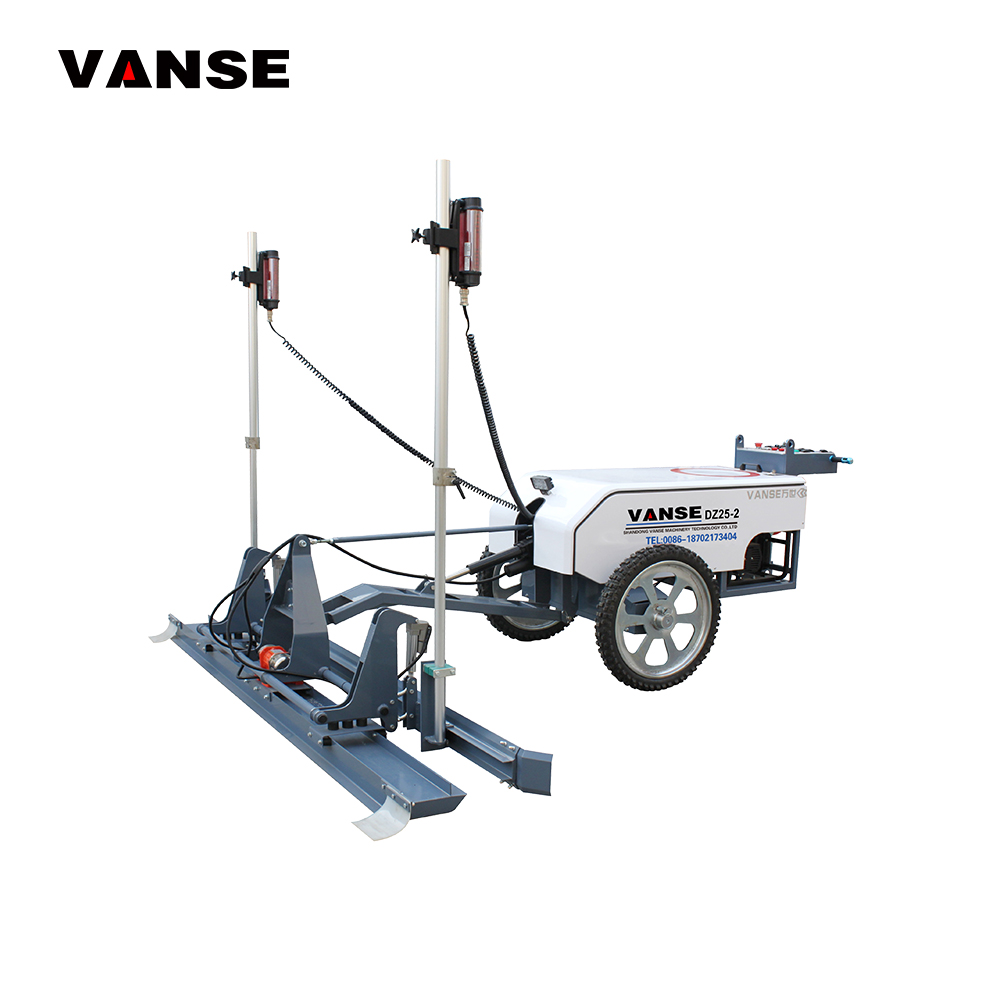
Walk-behind laser screeds are commonly selected for smaller floor areas, restricted-access buildings, repair work, and projects where transport simplicity is important. Their maintenance program often focuses on compact engines, wheel assemblies, screed head wear, battery condition, and laser-control mounts. Because these machines may be moved frequently between small jobs, transport-related inspection is important.
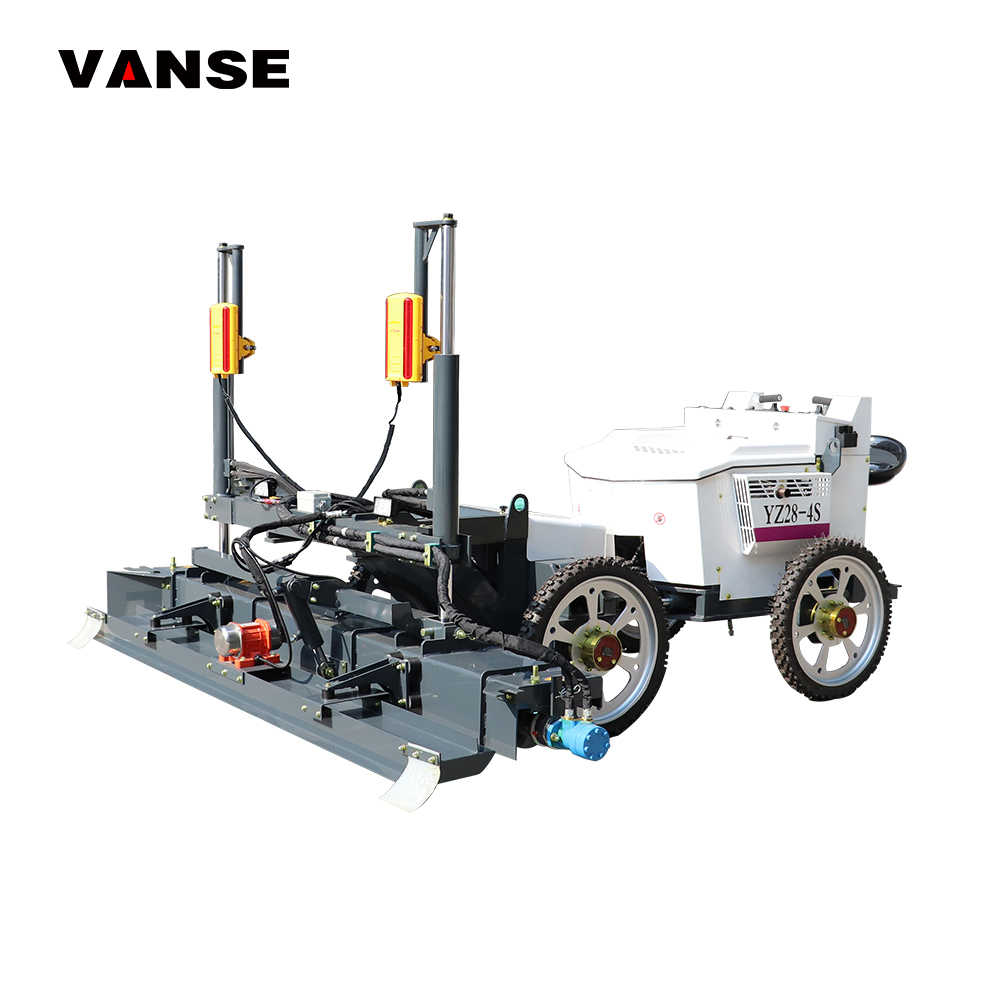
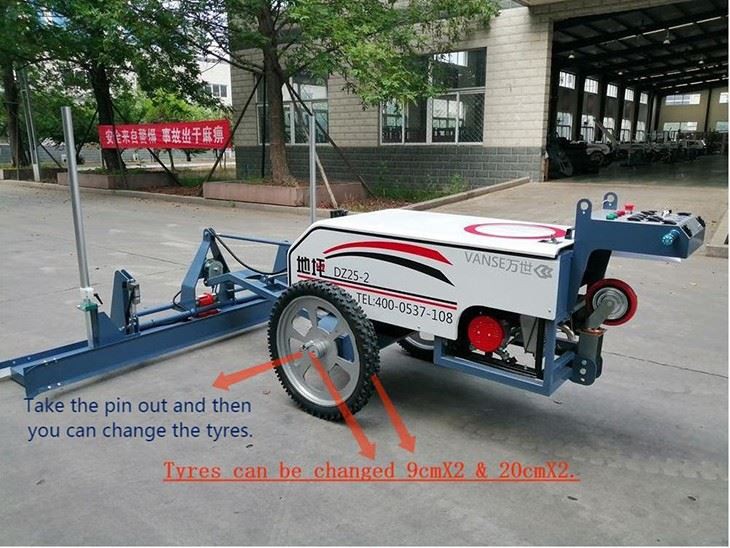
Ride-on laser screeds are widely used for medium and large slabs. They generally include more complex propulsion, steering, boom, hydraulic, and operator-control systems than walk-behind machines. Daily cleaning is especially important because concrete buildup around the working head and chassis can affect movement and service access.
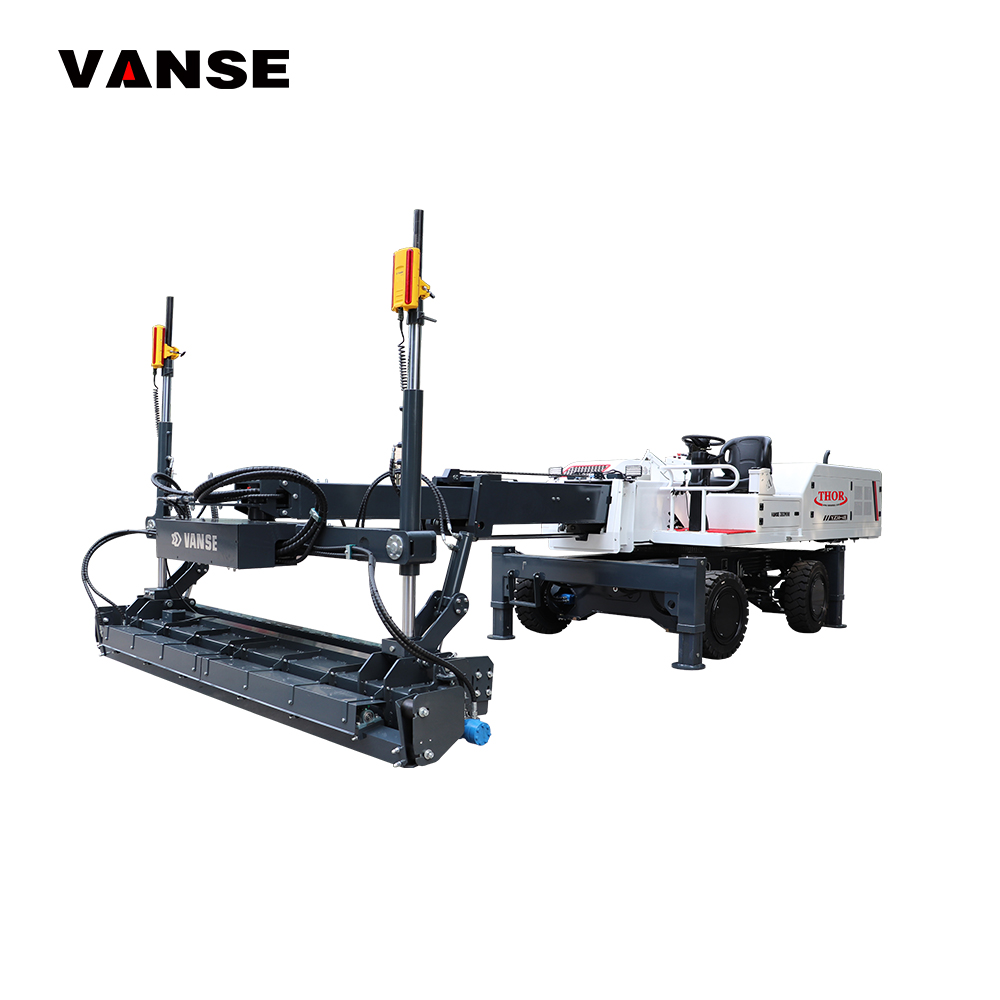
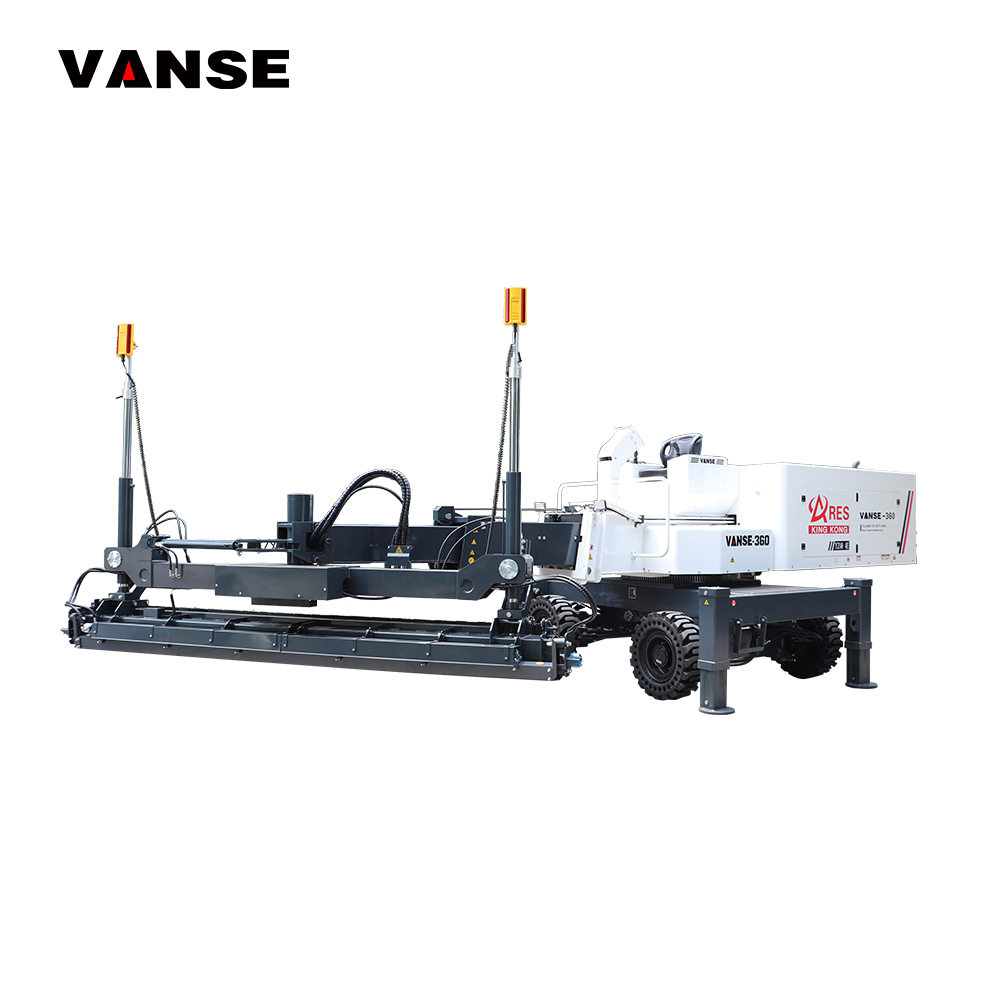
Boom-type machines are designed for large-scale floor construction and may provide broad working reach, high productivity, and 360-degree operating capability. Their extended booms, hydraulic circuits, stabilizing systems, and electronic controls demand disciplined inspection. Check boom pins, bushings, cylinders, hoses, cable routing, slew components, and structural areas for wear or movement.
Some modern screeds support 3D control, which adds a layer of software, positioning, and data-management responsibility. The mechanical equipment still needs conventional preventive servicing, but contractors should also manage firmware, backup configuration files, receiver protection, and trained operators.
Top Laser Screed Suppliers and Service Options
Supplier selection should not be based on purchase price alone. Contractors should compare local service response, parts availability, training quality, machine suitability, transport support, grade-control compatibility, and long-term resale prospects. The companies below are recognized suppliers or manufacturers serving different areas of the Global Market. Availability depends on dealer coverage, project location, machine model, and local import requirements.
| Company | Primary Service Regions | Core Strengths | Key Offerings | Maintenance Support Consideration |
|---|---|---|---|---|
| Somero Enterprises | North America, Europe, Asia-Pacific, Middle East through regional networks | Specialized concrete placing and leveling technology for large slabs | Laser screeds, boom screeds, placing equipment, training support | Strong fit for contractors seeking established laser-screed specialization |
| Ligchine International | North America and selected international distributor markets | Ride-on laser screeds and contractor-focused operational design | ScreedSaver laser screeds, support and equipment training | Confirm distributor parts inventory and regional technical coverage |
| Allen Engineering | Americas, Europe, Middle East, Asia through dealer channels | Broad concrete equipment range and established contractor familiarity | Laser screeds, riding trowels, walk-behind equipment, parts | Useful where a local concrete-equipment dealer supports multiple fleet types |
| Husqvarna Construction | Global dealer and service network | Concrete surface preparation and construction equipment ecosystem | Floor saws, trowels, grinders, dust control, service resources | Relevant for contractors integrating screeding with floor finishing equipment |
| Wirtgen Group | Global, with strong road and infrastructure dealer presence | Large-scale concrete paving and infrastructure technology | Slipform pavers, concrete paving systems, road construction support | Suitable for infrastructure contractors requiring organized fleet support |
| Shandong Vanse Machinery Technology Co., Ltd. | More than 80 countries, with Southeast Asia and Canada service resources | Concrete laser screeds, flooring equipment, flexible configuration and export experience | Walk-behind, ride-on, boom-type laser screeds, trowels, grinders, parts | Practical option for customized specifications, cost-performance, and remote support |
The table shows why “local supplier” can mean more than a company headquartered in the buyer’s country. For international projects, the practical local question is whether the supplier has a capable dealer, spare-parts route, trained technician, regional warehouse, language support, and realistic response plan. A supplier with direct access to a port, regional logistics center, or nearby dealer can often support a contractor more effectively than a nominally local seller without parts stock.
Buying Advice for Maintenance-Focused Contractors
Before purchasing a laser screed, ask for the complete preventive-maintenance schedule, recommended consumables list, hydraulic schematic, electrical diagram, engine manual, calibration procedure, warranty conditions, and emergency-parts lead times. The sales team should be able to explain what the operator can service, what requires a technician, and what components should remain in the contractor’s own inventory.
For a rental company or large flooring contractor, consider buying a maintenance kit with the machine. It may include engine oil filters, fuel filters, air filters, hydraulic filters, belts, grease, fuses, connectors, receiver cables, hose repair items, seals, and commonly used fasteners. This is particularly helpful for projects in remote industrial zones, island markets, mining regions, and areas where freight clearance may be delayed.
Evaluate the accessibility of service points. Easy access to filters, grease points, batteries, hydraulic reservoirs, and diagnostic connections reduces the chance that crews skip important work. Also assess the strength of the boom, screed head, chassis, welding quality, hydraulic hose protection, and electrical harness routing. Durable machine design reduces maintenance burden over the equipment’s service life.
Ask whether the supplier can provide operator training at commissioning. Many avoidable issues result from improper cleaning, wrong fluid use, poor laser setup, transport damage, overloading, or delayed fault reporting. Training should include daily inspection, safe transport, emergency-stop testing, transmitter setup, basic troubleshooting, cleaning methods, and service-record completion.
Recommended Spare Parts and Consumables Stock
A well-managed parts plan is a key downtime-prevention measure. The ideal inventory depends on fleet size, distance from service centers, utilization hours, engine type, and project criticality. Contractors working on time-sensitive distribution centers, manufacturing plants, airport projects, and data-center floors should hold more critical stock than occasional users.
| Part or Consumable | Recommended Stock Level | Why It Matters | Typical Replacement Trigger | Storage Guidance |
|---|---|---|---|---|
| Engine oil and oil filters | At least one full scheduled service set per machine | Protects engine life and avoids missed service intervals | Operating-hour interval or contamination | Keep sealed, dry, and clearly labeled |
| Fuel filters and air filters | Two or more sets for active machines | Reduces power loss and contamination-related shutdown | Scheduled service or restricted airflow | Protect from moisture and crushing |
| Hydraulic filters | One complete change set per machine | Protects pumps, valves, and cylinders from contamination | Scheduled interval, overheating, or repair event | Keep factory sealed and clean |
| Hydraulic hose repair items | Selected hoses, fittings, seals, and protective sleeves | Allows rapid response to common leak points | Abrasion, cracking, swelling, or leakage | Store away from sunlight and chemical exposure |
| Laser-system batteries and cables | One backup battery set and critical connectors | Prevents simple power faults from stopping a pour | Low runtime, corrosion, damaged cable insulation | Charge according to manufacturer instructions |
| Fuses, relays, switches, and terminals | Small organized electrical kit | Useful for field diagnosis of minor electrical faults | Blown fuse, poor contact, intermittent control | Use labeled moisture-resistant cases |
| Wear blades and screed-head hardware | Project-dependent replacement set | Maintains finishing quality and head performance | Wear, bending, poor finish, damaged mounting | Store flat and protected from corrosion |
Parts stock should be linked to real usage history. Review service records every quarter and identify repeat failures, high-wear components, and parts with long delivery routes. A contractor that frequently works near Vancouver, Antwerp, Jeddah, Kuala Lumpur, or Sydney may benefit from coordinating stock with regional dealer inventory and shipping schedules.
Industries and Applications That Need Strong Uptime Control
Industrial flooring contractors depend on laser screeds for warehouses, fulfillment centers, manufacturing plants, cold stores, automotive facilities, and high-rack logistics buildings. These projects often have demanding flatness and levelness requirements, large daily concrete volumes, and strict handover dates. Equipment downtime can disrupt not only the concrete team but also steel erection, racking installation, automation contractors, and facility commissioning.
Infrastructure contractors use larger screeding and concrete-placement systems for airport runways, terminal yards, bridge decks, roads, port facilities, and logistics corridors. These applications may involve large work areas, variable weather, remote sites, and high safety requirements. Maintenance planning must account for transport, field fueling, spare-parts logistics, and reliable technical support.
Commercial and institutional projects also benefit from well-maintained screeds. Shopping centers, hospitals, exhibition halls, multi-story parking structures, data centers, and public buildings frequently have floor areas where consistent elevation is important for finishes, drainage, equipment installation, or future tenant fit-out.
The maintenance approach should match the application. A compact machine servicing multiple small projects needs protection against frequent loading and unloading. A boom-type screed on a major warehouse project needs intensive daily cleaning and a dedicated parts plan. A machine used on airport or infrastructure work needs stringent accuracy verification and detailed inspection records.
Common Downtime Causes and Practical Prevention
Concrete accumulation is one of the most preventable causes of performance loss. If operators postpone cleaning until the next morning, hardened slurry can obstruct pivots, damage protective boots, add weight to moving assemblies, and make inspection difficult. Require end-of-shift cleaning as part of the production routine, not as an optional task.
Hydraulic leaks are another common problem. Look for rubbing hoses, loose clamps, damaged sleeves, weeping fittings, and oil residue. Hoses should be protected from sharp edges and moving structures. Replacing a suspect hose before a major pour is usually less costly than recovering from a burst line while ready-mix trucks are waiting.
Laser signal problems often arise from dead batteries, dirty receivers, damaged cables, poor transmitter placement, or untrained setup. Keep spare charged batteries available, clean optical surfaces correctly, protect electronics during transport, and designate a trained person to set references on high-value pours.
Transport damage is frequently underestimated. Secure the machine according to the manufacturer’s instructions, protect receiver masts and control components, inspect tie-down points, and complete a functional test after unloading. For containerized international shipments, photograph the machine before dispatch and after arrival, then verify all loose accessories before project mobilization.
Project Examples and Maintenance Lessons
On a large logistics warehouse project near a major European freight corridor, the flooring contractor may run a ride-on screed for extended shifts to meet a narrow slab-pour sequence. The main maintenance lesson is to schedule cleaning and lubrication around the actual pour plan. A short planned break for inspection is far less damaging than a hydraulic or control fault that stops a continuous placement operation.
For an airport terminal-yard project in the Middle East, heat and dust can accelerate air-filter restriction, hydraulic temperature issues, and electrical connector contamination. The practical response is to shorten air-filter inspections, monitor cooling performance, store spare filters on site, and protect sensitive electronics from dust during non-working hours.
For a Canadian industrial floor project in winter, cold starts, battery condition, hydraulic warm-up, and coolant protection become essential. Operators should allow fluids to reach suitable operating condition, check battery charging performance, and avoid aggressive operation immediately after start-up. Heated storage or battery-maintenance equipment may be justified for heavily used fleets.
On a remote Southeast Asian manufacturing expansion, parts lead time can be more important than nominal machine price. The contractor should purchase a commissioning spares kit, establish remote diagnostic contacts, and confirm access to regional inventory before the first concrete pour. This is why a supplier’s service infrastructure and communication capability are core procurement criteria.
Vanse Support for Global Concrete Contractors
Shandong Vanse Machinery Technology Co., Ltd. supports concrete contractors, distributors, rental companies, brand owners, and individual buyers with walk-behind, ride-on, and boom-type laser screeds designed around laser control, hydraulic technology, reliable engine options, durable components, and practical access for operation and maintenance. Founded in 2013, Vanse holds ISO 9001 and CE certifications, has more than 50 invention patents and over 200 utility model and design patents, and applies structured manufacturing and testing practices to equipment used on industrial floors, warehouses, infrastructure, airport areas, roads, and large concrete projects. Customers can work through direct sales, wholesale, retail, OEM/ODM production, customized branding, engine and voltage customization, dealer partnerships, regional distribution, and long-term technical cooperation. Vanse has served customers in more than 80 countries and has established overseas service resources in Southeast Asia and Canada, supported by dealers, parts channels, remote diagnosis, multilingual 24-hour consultation, installation support, commissioning, and one-to-one operator training. This local-facing service structure helps buyers obtain practical support rather than dealing with a remote exporter alone. Vanse provides EPC, turnkey, and customer-owned plant solutions where project equipment planning is required, but does not provide BOO or on-site bulk supply services. Contractors can review its concrete laser screed equipment range, compare ride-on laser screed options, and arrange technical service support for maintenance planning, commissioning, and fault diagnosis.
Future Trends for 2026 and Beyond
By 2026, more concrete contractors will use connected fleet-management tools to track service hours, engine alarms, hydraulic temperatures, battery health, and maintenance records. Remote diagnostics can help technicians identify likely faults before traveling to site, reducing response times for machines operating across wide geographic regions.
3D profiling, digital project controls, and improved sensor integration will continue to increase the importance of calibration discipline. Contractors will need to manage software updates, digital design files, control points, and operator competency alongside conventional mechanical service. The value of accurate data will rise as project owners demand stronger quality documentation.
Sustainability requirements will also affect maintenance practices. Better preventive maintenance reduces fuel waste, oil leakage, premature parts replacement, and emergency freight shipments. Contractors may increasingly favor equipment with efficient engines, durable wear components, serviceable hydraulic systems, and longer component life. Proper disposal of oil, filters, batteries, hydraulic fluid, and contaminated cleaning materials will remain important under local environmental rules.
Labor shortages are likely to increase demand for reliable automated leveling equipment. This makes uptime even more valuable. A laser screed that is easy to inspect, simple to calibrate, supported with stocked parts, and operated by trained personnel can help contractors maintain productivity while reducing dependence on large manual leveling crews.
Frequently Asked Questions
How often should a laser screed be serviced?
Daily cleaning and inspection are essential. Lubrication, fluid checks, filter changes, and deeper inspections should follow the machine and engine manuals, normally based on operating hours. Many contractors schedule formal checks at 50, 100, 250, and 500-hour milestones.
What should be checked before every concrete pour?
Inspect fluids, hoses, screed head movement, emergency stops, tires or tracks, receiver cleanliness, transmitter battery condition, laser reference stability, control-panel alerts, and the working grade against a known benchmark.
How can contractors prevent hydraulic failures?
Use the specified oil, change filters on time, keep the system clean, inspect hoses and fittings daily, prevent hose abrasion, investigate overheating immediately, and replace damaged components before they fail under load.
Does a laser screed need calibration after transport?
Yes. Trailer movement, loading, unloading, rough roads, and container shipping can affect mounts, cables, receivers, and machine alignment. Perform a functional and grade-control check after transport, particularly before precision flooring work.
Which spare parts should always be kept on site?
Keep engine filters, hydraulic filters, oil, fuses, relays, receiver batteries, critical cables, common hose fittings, seals, wear blades, and selected hydraulic hose items. The final stock list should reflect machine model, project location, and supplier lead time.
Can an international laser screed supplier provide reliable local support?
Yes, if the supplier has relevant certifications, trained dealers, regional spare-parts channels, multilingual technical support, clear warranty terms, and a proven service record in the buyer’s market. Verify the actual support process before purchase. For parts planning, contractors can also consult Vanse’s spare parts and tools support resources or visit the Vanse machinery website for equipment and service information.
Share this article

About the Author: Shandong Vanse Machinery Technology Co., Ltd.
Shandong Vanse Machinery Technology Co., Ltd. is a high-tech manufacturer specializing in concrete construction machinery, including laser screeds and related equipment. The company integrates R&D, production, and global sales, with products exported to over 60 countries and widely used in infrastructure projects worldwide.