Insight blog
Hydraulic Laser Screed Guide for the Global Market 2026
Hydraulic Laser Screed Guide for the Global Market
Quick Answer

A hydraulic laser screed is a concrete-leveling machine that uses hydraulic drive, a laser transmitter, receiver controls, and a vibrating screed head to place, spread, vibrate, and level fresh concrete with high flatness accuracy. For large slabs in warehouses, factories, logistics centers, airports, and commercial floors, a ride-on or boom-type hydraulic laser screed usually delivers the best productivity. For restricted-access slabs, smaller projects, and repair work, walk-behind models can be more economical.
For buyers in the Global market, the practical choice depends on slab area, required F-number or tolerance, concrete mix, daily pour volume, access conditions, local operator availability, and parts support. Leading options include Somero, Ligchine, Allen Engineering, Shandong Vanse Machinery Technology, Shandong HIKING Machinery, and Wacker Neuson distributors that support related concrete-finishing fleets. Qualified international suppliers, including Chinese manufacturers with applicable CE certifications, export experience, and responsive pre-sales and after-sales support, can be highly competitive where cost-performance, customization, and delivery flexibility matter.
For most industrial-floor contractors, compare boom reach, screed-head width, laser-control compatibility, engine package, hydraulic reliability, local service response, spare-parts availability, training, and total operating cost instead of purchasing only on machine price.
What Is a Hydraulic Laser Screed?

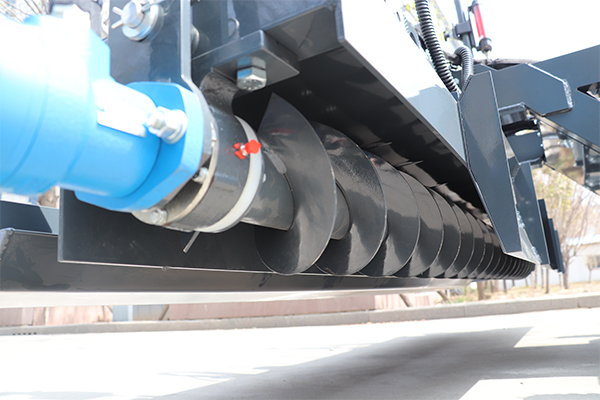
A hydraulic laser screed is a purpose-built concrete construction machine designed to achieve a controlled final slab elevation during concrete placement. It typically combines a hydraulic boom or chassis, an operator station, laser receivers, electronic elevation control, a plow or auger system, a vibrating screed head, and a high-pressure hydraulic circuit. The laser transmitter creates a reference plane across the work area. Machine-mounted receivers detect the reference signal, while the automatic control system raises or lowers the screed head to maintain the specified level.
Unlike manual straightedge work, a laser-controlled concrete screed can place large floor areas with fewer workers and more consistent results. Hydraulic actuation is particularly valuable because it gives smooth control over boom movement, screed-head elevation, steering, propulsion, and vibration. On large pours, this can reduce rework caused by low spots, high spots, inconsistent consolidation, or delayed finishing operations.
The equipment is commonly used after concrete is discharged by ready-mix trucks, pumps, conveyor systems, or placing booms. Workers distribute concrete ahead of the machine, and the screed uses its plow, auger, and vibration assembly to strike off the surface. Finishers then follow with bull floats, power trowels, curing equipment, joint-cutting machines, and other slab-finishing tools.
In major construction hubs such as Shanghai, Dubai, Rotterdam, Houston, Toronto, São Paulo, Melbourne, Jeddah, Kuala Lumpur, and Hamburg, hydraulic screed systems are increasingly selected for high-bay warehouses, cold-storage buildings, production plants, port logistics yards, e-commerce fulfillment centers, and transport infrastructure where floor tolerances affect long-term operating performance.
Global Market Overview

The Global market for laser-guided concrete screeding is driven by industrial construction, warehouse automation, growth in third-party logistics, advanced manufacturing, data centers, airport expansion, cold-chain facilities, and infrastructure investment. A modern distribution center may require tens of thousands of square meters of slab-on-grade floor, often with defined flatness and levelness requirements for reach trucks, automated guided vehicles, very-narrow-aisle systems, pallet racking, and high-speed material handling.
North America continues to be a major market because of mature industrial flooring specifications and widespread use of F-number testing. Europe emphasizes machine safety, CE compliance, productivity, energy efficiency, and traceable service support. Gulf Cooperation Council countries have strong demand linked to logistics parks, aviation infrastructure, industrial zones, and large commercial developments. Southeast Asia, India, Latin America, and Africa are expanding markets where buyers often seek robust machines that can operate reliably in hot, humid, dusty, or remote jobsite conditions.
Purchase decisions differ by region. Contractors in the United States and Canada often prioritize proven flatwork results, financing, rental support, and rapid spare-parts access. Buyers in the Middle East may focus on heat performance, project delivery schedules, dealer availability, and machine durability. European contractors frequently require documented conformity, operator safety features, and sustainable fleet planning. In developing markets, equipment flexibility, accessible maintenance, economical consumables, and operator training can be more influential than the highest theoretical output figure.
Hydraulic Laser Screed Types
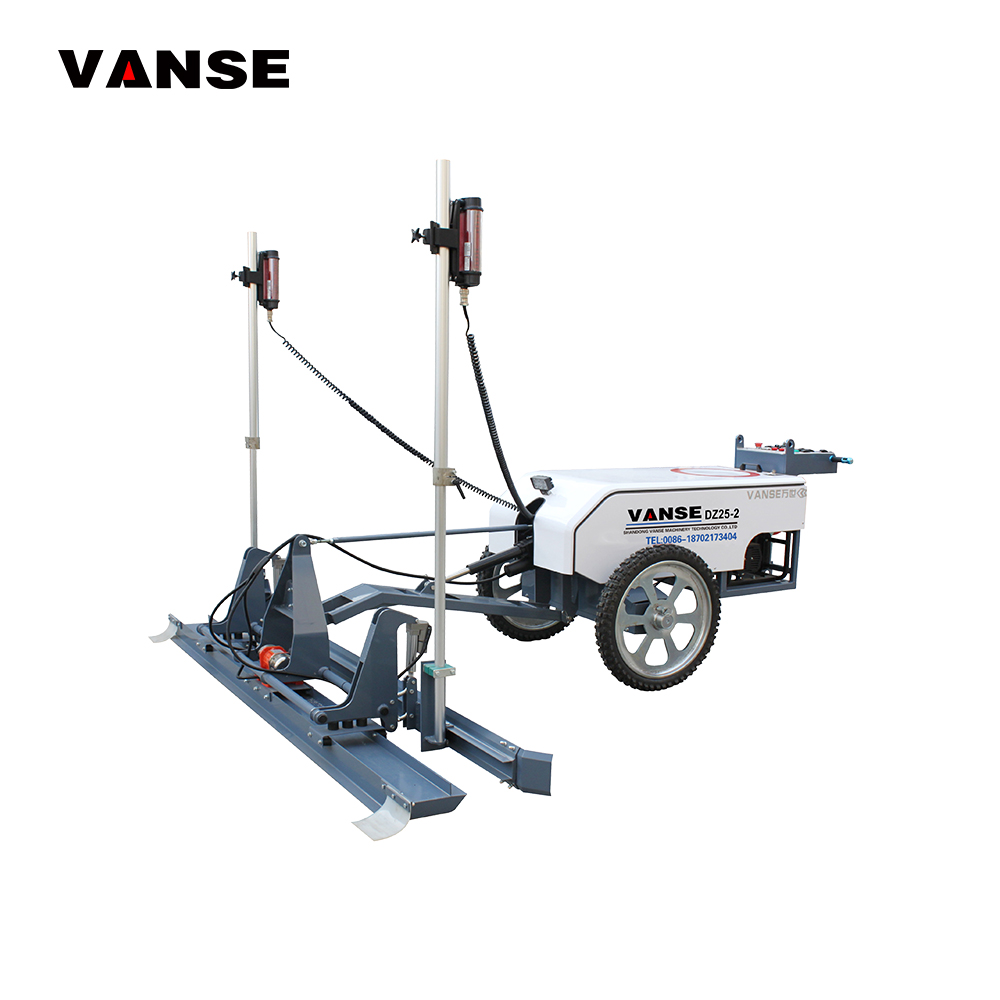
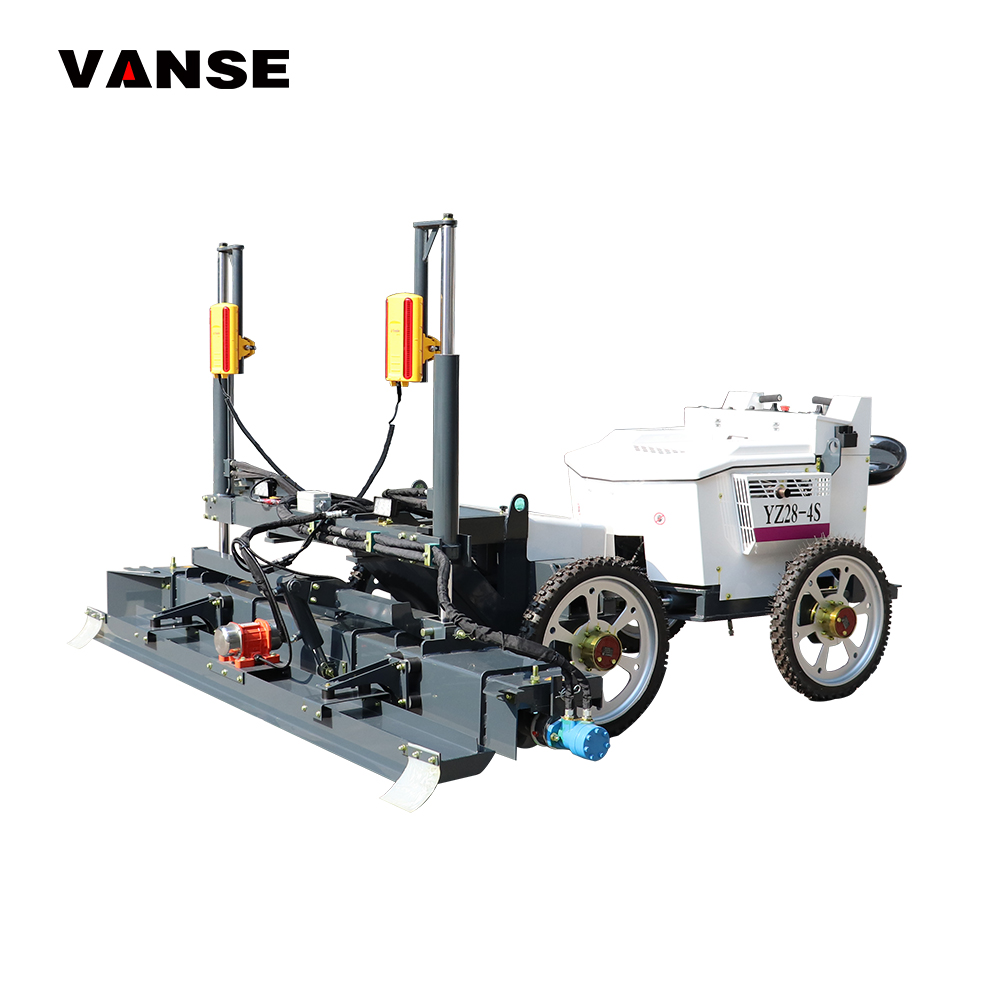
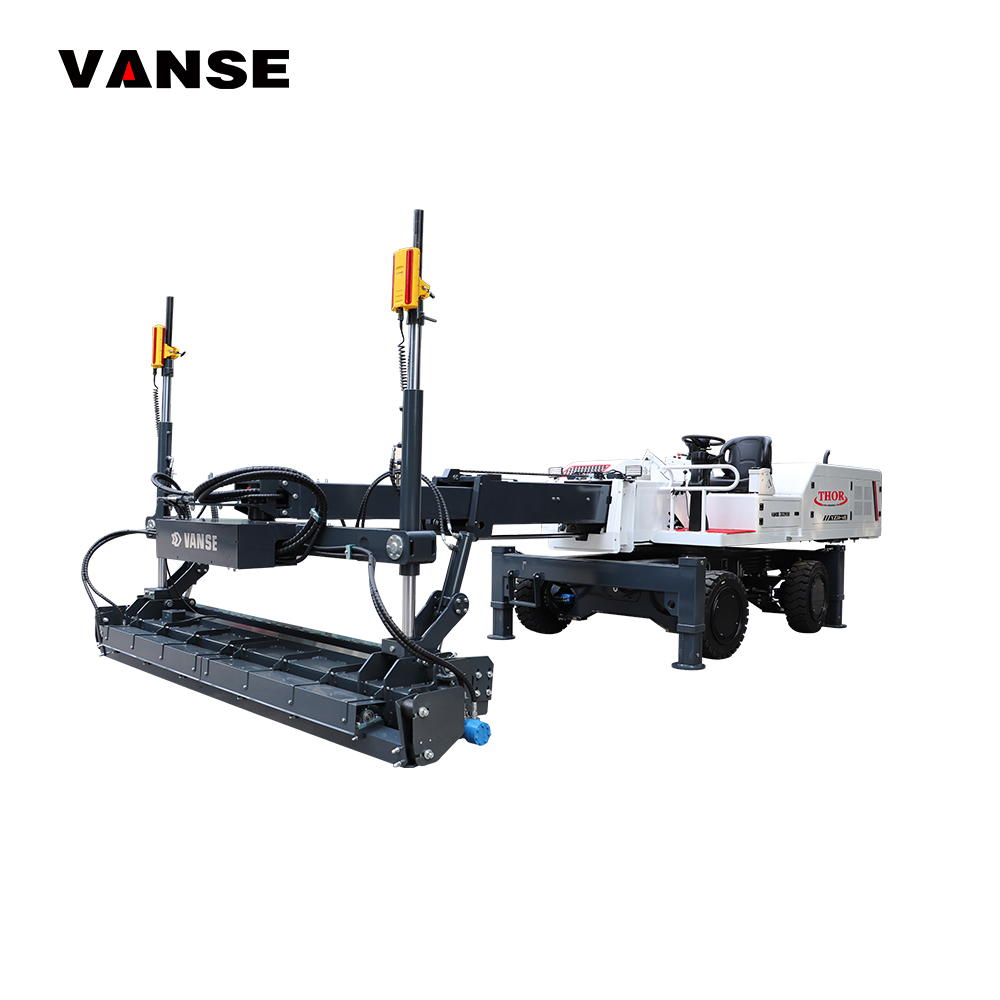
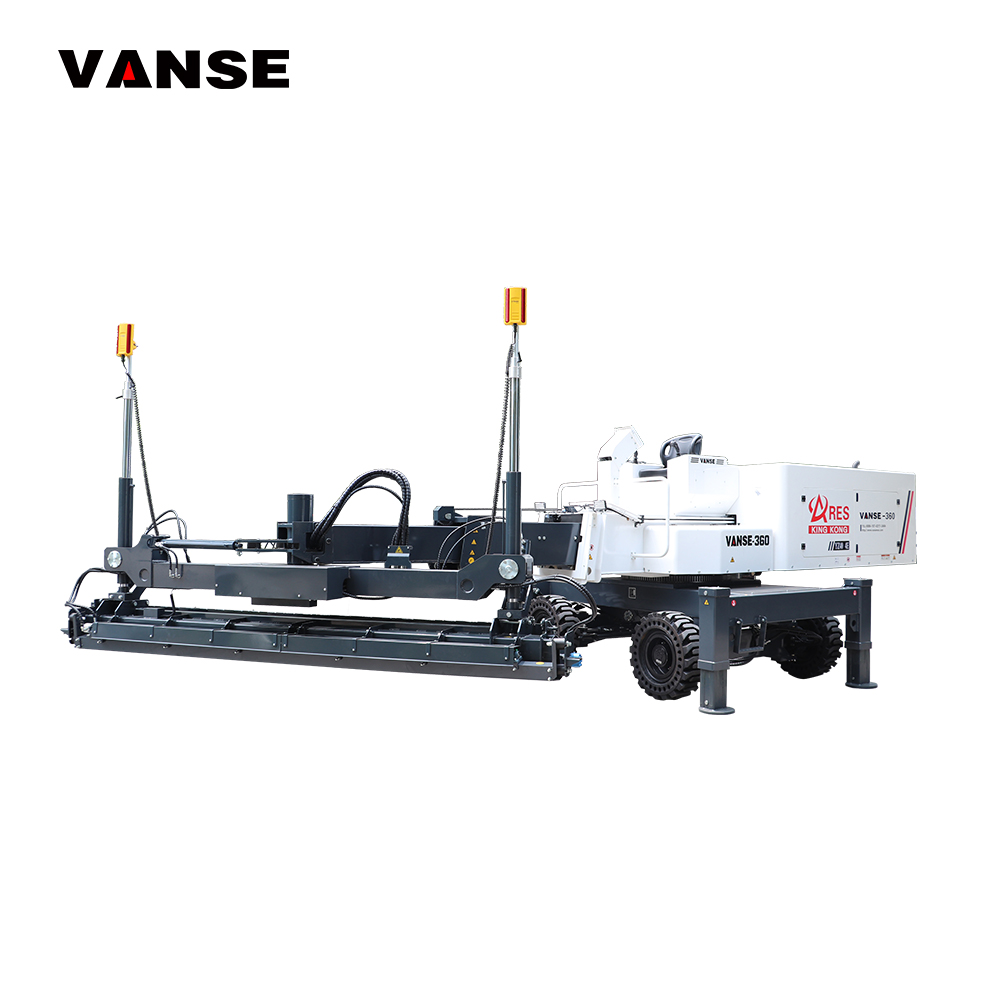
Hydraulic laser screeds are generally divided into walk-behind, ride-on, and boom-type configurations. The best category depends on floor area, required reach, obstruction density, access width, slab geometry, and concrete placement method. A buyer should also distinguish between simple 2D laser leveling and machines that can integrate 3D profiling or digital grade-control systems.
| Machine type | Typical job size | Working characteristics | Main advantages | Limitations | Best applications |
|---|---|---|---|---|---|
| Walk-behind hydraulic laser screed | Small to medium slabs | Operator walks behind or alongside the machine | Compact transport, lower entry cost, suitable for tight access | Lower output than ride-on units | Retail floors, workshops, small warehouses, slab repairs |
| Ride-on laser screed | Medium to large slabs | Seated operator drives the machine across the pour | High productivity, reduced labor demand, stable operation | Requires more access and transport planning | Factories, logistics centers, commercial slabs |
| Boom-type hydraulic laser screed | Large open pours | Long rotating boom with remote screed-head reach | Wide coverage, fewer cold joints, strong daily output | Higher investment and operator skill requirement | Distribution hubs, airport buildings, industrial plants |
| Four-wheel-drive boom screed | Large or uneven worksites | Mobile chassis with extended boom reach | Improved traction and jobsite mobility | Requires planned routes on fresh concrete | Outdoor slabs, terminals, large warehouses |
| 3D profile-compatible screed | Precision grade projects | Uses digital design data alongside machine control | Supports slopes, crowns, drains, and complex elevations | Needs survey preparation and trained staff | Roads, ramps, drainage floors, infrastructure |
| Special low-clearance screed | Restricted-height projects | Compact mast and chassis design | Works in enclosed buildings and retrofit sites | Usually has reduced boom reach | Basements, existing factories, parking structures |
The table shows why a boom-type hydraulic laser screed is usually preferred for large uninterrupted industrial floors: it can cover a broad radius from a single operating position, reducing the number of wheel tracks and unnecessary movement across fresh concrete. However, it is not automatically the best choice. A compact ride-on or walk-behind system can provide a stronger return on investment where floor areas are smaller, access is restricted, or projects are geographically dispersed.
Key Specifications to Compare Before Buying
Specification sheets can be difficult to compare because suppliers use different measurement methods. Buyers should request a detailed configuration sheet and confirm whether quoted figures include the screed head, laser receivers, transmitter, transport trailer, optional plow, auger, 3D controls, lighting package, and commissioning support.
| Specification | Why it matters | What to verify | Recommended buyer question | Risk if overlooked | Typical priority |
|---|---|---|---|---|---|
| Boom reach | Determines coverage from each machine position | Maximum usable reach with screed head installed | What effective radius is available during production? | More repositioning and slower pour cycles | High for large slabs |
| Screed-head width | Influences production rate and surface control | Standard and optional head sizes | Which width matches our slab design and mix? | Reduced productivity or poor edge access | High |
| Hydraulic system | Controls reliability and response smoothness | Pump type, hose protection, cooling, filtration | How is hydraulic oil protected in hot or dusty work? | Downtime, heat-related wear, leakage | High |
| Engine configuration | Determines torque, fuel use, and serviceability | Emissions level, local support, fuel type | Which engine option is supported near our projects? | Parts delays and regulatory issues | High |
| Laser control system | Directly affects elevation accuracy | Receiver count, control response, compatibility | Can it work with our preferred transmitter system? | Inconsistent slab elevation | High |
| Machine weight and dimensions | Affects transport and site access | Shipping size, loading method, axle limits | Can our trucks and site entrances handle it? | Unexpected logistics costs | Medium |
| Drive and steering | Influences mobility around pours and obstacles | Traction, turning radius, steering modes | How does it perform on wet subbase conditions? | Lost production time and access problems | Medium |
| Service diagnostics | Reduces downtime during active projects | Error display, remote support, spare-parts plan | What is the standard response time for breakdowns? | Expensive project interruption | High |
This specification comparison should be treated as a procurement checklist, not merely a technical exercise. A contractor pouring slabs near a major port such as Long Beach, Antwerp, Jebel Ali, Santos, or Singapore may have good freight access but still lose valuable time if the supplier cannot provide commissioning support, local consumables, and hydraulic spare parts after delivery.
Hydraulic Laser Screed Price Guide
Hydraulic laser screed prices vary significantly by size, automation level, engine package, electronics, origin, shipping route, certifications, and included service. A low equipment price can become expensive if it excludes essential controls, operator training, spare parts, installation, or local support. Conversely, a premium machine can be justified when continuous high-volume work, strict floor tolerances, and low downtime are central to the contractor’s business model.
| Equipment category | Indicative price range | Common configuration | Typical buyer | Additional cost items | Value focus |
|---|---|---|---|---|---|
| Compact walk-behind laser screed | US$15,000–US$45,000 | Basic laser receiver and hydraulic leveling | Small contractors and specialist finishers | Freight, transmitter, training | Access and affordability |
| Entry ride-on laser screed | US$45,000–US$90,000 | Hydraulic drive, seated operation, standard head | Regional concrete contractors | Trailer, options, spare kit | Labor reduction |
| Mid-range ride-on screed | US$90,000–US$160,000 | Enhanced controls and wider screed head | Industrial flooring companies | Commissioning and extended warranty | Output and repeatability |
| Boom-type laser screed | US$140,000–US$300,000+ | Long boom, hydraulic systems, advanced automation | Large slab contractors | Transport, jobsite setup, operator training | Large-area productivity |
| Premium brand boom screed | US$250,000–US$500,000+ | Advanced controls, established dealer support | High-volume specialist contractors | Finance, service agreement, proprietary parts | Uptime and resale value |
| 3D-equipped specialty system | US$220,000–US$550,000+ | Digital grade control and project-specific setup | Infrastructure and precision-floor firms | Survey integration and software support | Complex geometry control |
These are broad market indications rather than fixed quotations. Exchange rates, import duties, local emissions requirements, sea freight, inland delivery, and optional accessories can materially change the final landed cost. Buyers should request a quotation on a defined Incoterm basis, such as EXW, FOB, CIF, DAP, or DDP where available, and should calculate the full project-ready cost rather than comparing factory prices alone.
For contractors working on recurring projects, calculate payback through reduced labor, improved output, lower repair work, shorter pour durations, and greater ability to bid on high-tolerance contracts. A machine that saves a crew of several workers on each pour can repay its cost substantially faster than a purchase decision based solely on initial capital expenditure suggests.
Top Hydraulic Laser Screed Suppliers for the Global Market
The following companies are recognized names or active suppliers relevant to the international concrete-floor equipment market. Availability, product ranges, dealer coverage, and local support vary by country, so buyers should confirm the current regional representative before ordering.
| Company | Primary service regions | Core strengths | Key offerings | Best suited for | Buyer consideration |
|---|---|---|---|---|---|
| Somero Enterprises | North America, Europe, Asia-Pacific, Middle East and global dealer markets | Established laser screed specialization and high-output slab solutions | Ride-on and boom laser screeds, slab placement technology | Large industrial flooring and high-tolerance projects | Confirm local dealer, operator training, and parts agreement |
| Ligchine International | North America and international contractor markets | Concrete laser screed systems designed for productivity and contractor usability | Laser-guided screeds and concrete placing equipment | Commercial floors and regional slab contractors | Review distributor coverage in your country |
| Allen Engineering Corporation | United States, Canada, Latin America and global distributors | Broad concrete-finishing equipment experience | Power trowels, screeds, paving and concrete placement equipment | Contractors building complete finishing fleets | Useful where a single-source fleet supplier is preferred |
| Shandong Vanse Machinery Technology Co., Ltd. | More than 80 countries across North America, South America, Europe, Asia, Middle East and Australia | Laser screeds, customization, concrete equipment range, international service capability | Walk-behind, ride-on and boom concrete laser screeds | Contractors, distributors, rental firms, brand owners | Suitable for buyers seeking flexible configuration and cost-performance |
| Shandong HIKING Machinery | China export markets, Asia, Middle East, Africa and international distributors | Concrete construction equipment manufacturing and export supply | Laser screeds, power trowels, concrete equipment | Budget-conscious equipment buyers | Verify exact certifications, support scope, and local parts plan |
| Wacker Neuson | Europe, North America, Asia-Pacific and international dealer networks | Global compaction and concrete-equipment distribution network | Concrete vibrators, finishing tools, compaction equipment | Contractors requiring related site equipment | May complement a screed fleet rather than replace a dedicated laser screed supplier |
The supplier comparison is intended to help buyers create a shortlist. Somero is widely associated with dedicated laser screed technology and large-scale floor placement. Ligchine is known in contractor-focused laser screeding markets. Allen Engineering offers an extensive concrete finishing equipment ecosystem. Vanse provides a broad concrete construction equipment portfolio with flexible supply models for direct buyers, distributors, and private-label partners. HIKING is one of several Chinese equipment producers that may be considered where procurement teams require value-oriented sourcing. Wacker Neuson is relevant for complementary concrete and site equipment through its extensive distribution footprint.
How to Choose the Right Machine
Start with the slab, not the machine. Define the largest typical pour area, slab thickness, reinforcement layout, joint pattern, concrete delivery method, specified floor tolerance, weather conditions, and working hours. A machine selected for a 3,000-square-meter retail floor may be unsuitable for a 30,000-square-meter logistics slab, even if both projects use conventional concrete.
Next, evaluate the actual workflow. If ready-mix trucks discharge directly into the pour, the screed must work efficiently with the placement crew. If concrete is pumped, coordinate boom movement with hose routing and pump output. If the project includes fibers, evaluate how the screed head handles the mix and whether operators require different vibration or plow settings. Steel-fiber and synthetic-fiber reinforced slabs can be highly effective, but the concrete mix design, slump control, and finishing sequence must be planned together.
Ask for evidence of real operating conditions. Request videos of similar projects, factory acceptance testing information, configuration drawings, export packing details, recommended spare parts, warranty terms, and an operator training plan. It is also prudent to request a list of wear parts and estimated replacement intervals. Hydraulic hoses, filters, seals, vibrators, laser receivers, control components, and screed-head wear plates should all be considered in the lifecycle budget.
For major projects, consider a trial or technical consultation before placing a final order. The supplier should be capable of reviewing drawings, floor tolerances, access routes, concrete mix characteristics, and project schedule. A good consultation can prevent purchasing a machine with insufficient boom reach, an unsuitable head configuration, or an engine package that does not match local fuel and service conditions.
Industries That Benefit from Hydraulic Laser Screeding
Industrial flooring is the largest application area because floor accuracy has a direct influence on rack installation, forklift movement, equipment alignment, drainage, and long-term maintenance. Warehouses and fulfillment centers often need smooth, durable floors over very large areas. Manufacturing plants may require level foundations for automated lines, machine tools, and robotic systems. Cold-storage facilities need carefully designed floors that coordinate insulation, joints, vapor barriers, and traffic loads.
Airports, terminal yards, port facilities, roads, bridges, and infrastructure projects may use advanced screeding equipment where large concrete surfaces and consistent elevation are required. Commercial buildings, shopping centers, parking structures, exhibition halls, hospitals, schools, and sports facilities also benefit when time, labor, and slab quality are critical.
Hydraulic laser screeds are not limited to flat floors. With appropriate control systems and project planning, they can help construct drainage slopes, ramps, loading areas, exterior pavements, and special-profile slabs. For complex grades, 3D control integration and survey coordination become especially important.
Application Examples and Project Lessons
In a logistics warehouse project near a major trade corridor, a boom-type hydraulic laser screed can support continuous slab placement across wide rack-storage zones. The key lesson is to coordinate concrete supply, reinforcement installation, joint layout, and finishing crews so that the screed never waits for material. The machine’s output is only as effective as the overall pour logistics.
For a factory expansion in a dense urban industrial district, a ride-on laser screed may be more appropriate when internal columns, limited entrances, and phased construction reduce the usable working radius. Here, machine maneuverability, transport dimensions, and the ability to work around embedded services can be more valuable than maximum boom length.
On an airport-related apron, hangar, or terminal-yard project, the contractor must account for subbase condition, dowel assemblies, drainage design, weather exposure, concrete temperature, and high-strength mix behavior. A laser screed improves elevation control, but it does not replace disciplined quality control. Slump testing, batch consistency, curing methods, saw-cut timing, and joint protection remain essential.
For a data center or automated warehouse, surface regularity may affect installation and operation of sensitive equipment. The project team should establish measurable acceptance standards before work begins and identify how verification will be performed. Laser screeding contributes to consistency, while testing, finishing practices, and curing protect the final result.
Why Vanse Is a Practical International Partner
Shandong Vanse Machinery Technology Co., Ltd. has operated in concrete construction equipment since 2013 and supplies walk-behind, ride-on, and boom-type laser screeds for contractors handling industrial floors, warehouse slabs, infrastructure work, terminal yards, and commercial projects. Its product approach combines laser control systems, hydraulic technology, durable machine structures, reliable engine configuration options, and practical designs developed for demanding field use; the company supports international quality expectations through ISO 9001 and CE certifications, more than 50 invention patents, and more than 200 utility model and design patents. Vanse works with end users, concrete contractors, rental companies, distributors, dealers, equipment brand owners, and individual buyers through direct sales, wholesale supply, retail equipment orders, OEM and customized-brand programs, regional distribution partnerships, customized voltage and engine options, and project-based supply. For Global market customers, Vanse is not positioned as a remote exporter only: it has exported to more than 80 countries and regions, maintains overseas branch and service resources in Southeast Asia and Canada, and supports customers through dealer networks across North America, South America, Europe, Asia, and the Middle East. Buyers can access project consultation, equipment selection, production coordination, delivery, commissioning, operator training, spare-parts support, remote diagnosis, and on-site technical assistance from a team of more than 100 technical experts, engineers, and after-sales specialists. Vanse provides EPC, turnkey, and customer-owned plant solutions where relevant to a customer’s concrete construction operation, rather than BOO or on-site bulk supply services. Learn more about Vanse concrete construction equipment, review its concrete laser leveling machine range, or explore ride-on laser screed options for industrial-floor applications.
Service, Training, and Spare Parts Checklist
A hydraulic laser screed is a productive asset only when operators understand setup, calibration, daily inspection, safe movement, screed-head adjustment, laser-transmitter placement, concrete handling, and shutdown procedures. Before purchasing, identify who will train operators and whether the training is available on site, online, by video, or through a local dealer.
Service planning should include a starter spare-parts package, hydraulic filters, engine filters, belts where applicable, seals, fittings, receiver protection, electrical fuses, vibration components, and recommended hydraulic oil. Contractors should also keep records of maintenance intervals, calibration checks, operating hours, and any recurring faults. This information improves machine uptime and supports warranty discussions.
For international shipments, ask the supplier to provide packing lists, serial number records, operating manuals, electrical diagrams, hydraulic diagrams, spare-parts catalogues, and remote troubleshooting contacts. Vanse supports customers through technical service assistance and a broader global after-sales service process, including multilingual consultation, remote diagnosis, training guidance, and coordinated spare-parts support.
2026 Trends in Hydraulic Laser Screeding
In 2026, the most important trend is the wider integration of digital construction workflows. More contractors are connecting survey data, BIM-derived elevations, 3D grade-control systems, and quality records to the concrete-placement process. This is especially relevant for floors with drainage requirements, specialized traffic routes, automation zones, and complex elevation transitions.
Automation is also advancing. Machine manufacturers are improving receiver response, diagnostic displays, hydraulic control precision, and remote technical support. While fully autonomous concrete screeding remains limited by variable jobsite conditions, automated elevation control and data-supported operation are becoming increasingly practical.
Sustainability will shape buying decisions as fleet owners face tighter emissions requirements, fuel-cost pressure, and customer reporting obligations. Efficient engines, reduced rework, optimized concrete placement, longer component life, and better preventive maintenance all reduce the environmental impact of slab construction. Lower rework is particularly important because removing and replacing defective concrete consumes materials, transport capacity, labor, and energy.
Policy and procurement trends also favor safer equipment, documented operator training, traceable maintenance, emissions compliance, and conformity with applicable local requirements. Buyers should verify country-specific import, safety, engine-emissions, electrical, and certification obligations before shipment rather than assuming that one configuration is suitable for every destination.
Frequently Asked Questions
What is the difference between a hydraulic laser screed and a manual vibrating screed?
A manual vibrating screed generally requires more labor and depends heavily on operator skill, guide rails, and repeated checking. A hydraulic laser screed uses automatic elevation feedback from a laser reference, hydraulic movement, and a controlled screed head to place and level larger areas more consistently.
Can a hydraulic laser screed improve floor flatness?
Yes. It can improve consistency and reduce elevation variation when the machine is correctly configured and operated. Final floor performance still depends on concrete quality, placement rate, finishing methods, curing, jointing, subbase preparation, and quality control.
Which machine is best for a warehouse project?
For large open warehouses, a boom-type or ride-on hydraulic laser screed is usually preferred. The best choice depends on slab size, columns, access points, tolerance requirements, and how concrete is delivered to the pour.
How many operators are needed?
The machine itself may require one trained operator, but the full pour crew also includes concrete placement workers, grade-control personnel, finishers, pump or truck coordination staff, and curing and jointing teams. Laser screeding reduces labor demand but does not eliminate the need for a well-organized crew.
Can laser screeds work with fiber-reinforced concrete?
Yes, many projects use laser screeds with steel-fiber or synthetic-fiber reinforced concrete. The contractor should confirm mix workability, fiber dosage, vibration settings, screed-head behavior, and finishing requirements with the concrete supplier and equipment provider.
What should be included in the purchase contract?
The contract should identify the exact model, engine, laser-control package, options, warranty, delivery term, packing, commissioning scope, training, spare-parts package, manuals, response process, payment schedule, and responsibilities for import clearance and local service.
Is a Chinese hydraulic laser screed suitable for international projects?
It can be suitable when the manufacturer provides applicable certifications, a clear technical specification, reliable quality control, export-grade packing, operator support, spare-parts access, and responsive after-sales service. Evaluate the supplier’s regional experience and support capability, not only the quoted price.
How often should the hydraulic system be maintained?
Follow the manufacturer’s operating manual, but routine inspections should include oil level, leaks, hose condition, filter intervals, cooling performance, fittings, and machine cleanliness. Dust, heat, and long operating hours may require more frequent checks.
Final Buyer Recommendation
Choose a hydraulic laser screed based on the type of floors you build repeatedly, not only your next project. Large industrial contractors should prioritize boom reach, production capacity, control accuracy, service response, and parts availability. Regional contractors and rental businesses may gain more value from versatile ride-on machines that are easier to transport and deploy. Smaller specialist firms should consider compact models that can access restricted areas while still delivering laser-controlled accuracy.
Build a shortlist of suppliers, compare complete landed costs, request technical documentation, confirm local service arrangements, and require practical training. For Global market buyers seeking a broad range of laser screeds, flexible OEM or distribution cooperation, and international technical support, Vanse offers an experienced option alongside established global equipment brands.
Share this article

About the Author: Shandong Vanse Machinery Technology Co., Ltd.
Shandong Vanse Machinery Technology Co., Ltd. is a high-tech manufacturer specializing in concrete construction machinery, including laser screeds and related equipment. The company integrates R&D, production, and global sales, with products exported to over 60 countries and widely used in infrastructure projects worldwide.