Technical Knowledge
How to deal with the failure of concrete laser leveling machine in special environment?
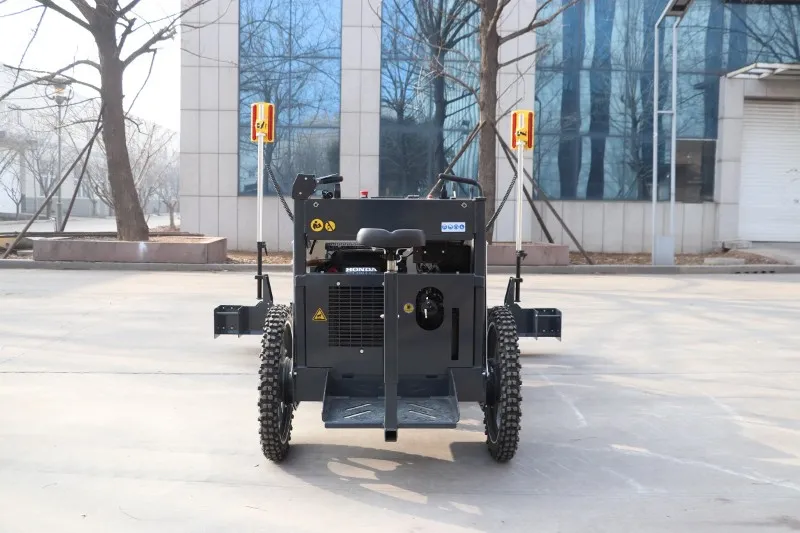
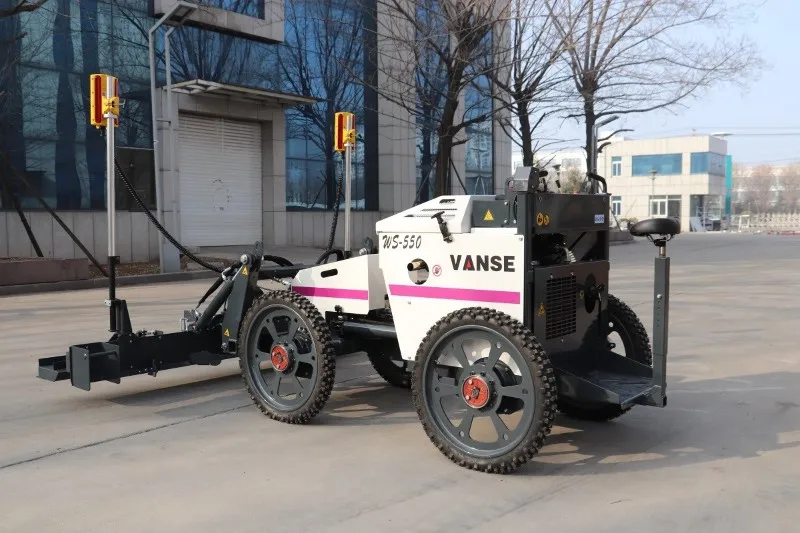
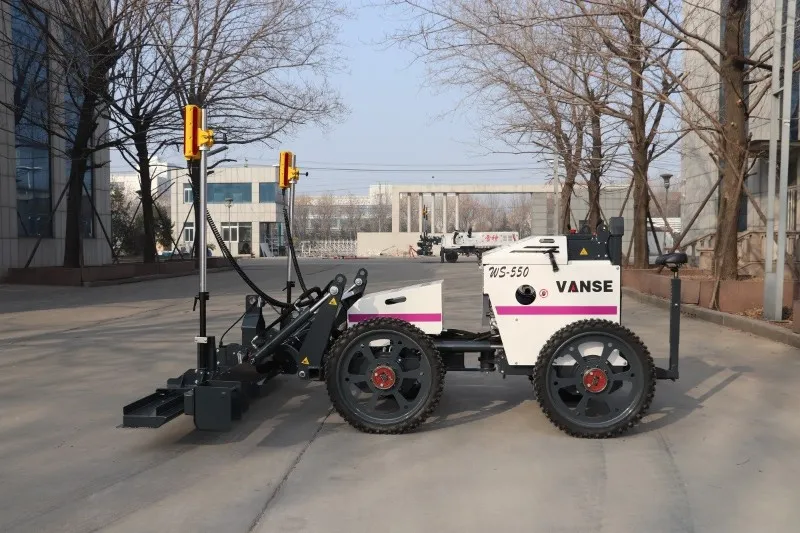
As a highly sophisticated construction equipment, concrete laser leveling machines may encounter various faults when working in special environments. These special environments may include extreme temperatures, high humidity, strong winds and sand, rugged terrain, etc., all of which may affect the normal operation of the equipment. The following is a detailed analysis of how to deal with concrete laser leveling machine failures in special environments.
Introduction
Constructing in special environments, concrete laser leveling machines may face more unexpected challenges. Therefore, developing a complete set of fault response strategies is essential to ensure construction progress and quality.
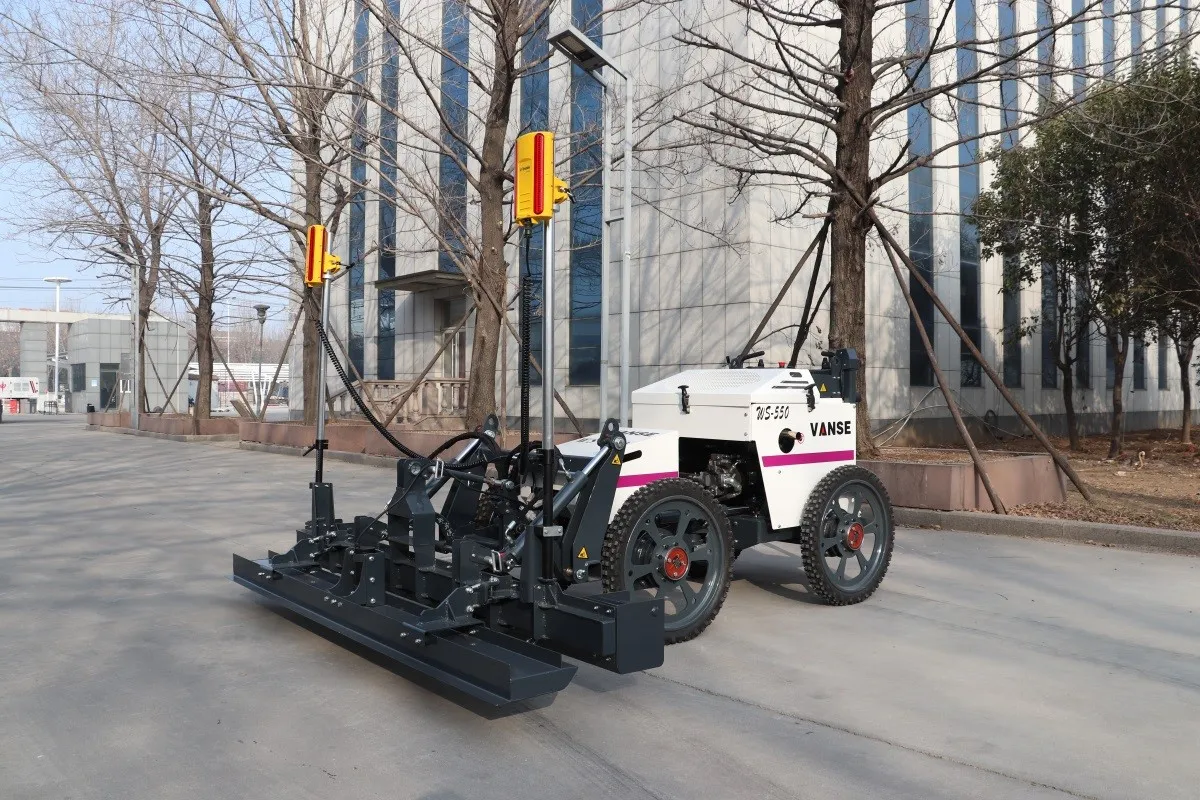
Before construction, it is first necessary to identify the particularity of the construction environment and evaluate it:
– **Environmental factor analysis: Analyze environmental factors such as climate, topography, and geology at the construction site.
– **Risk assessment: Assess the impact that these special environmental factors may have on equipment operation.
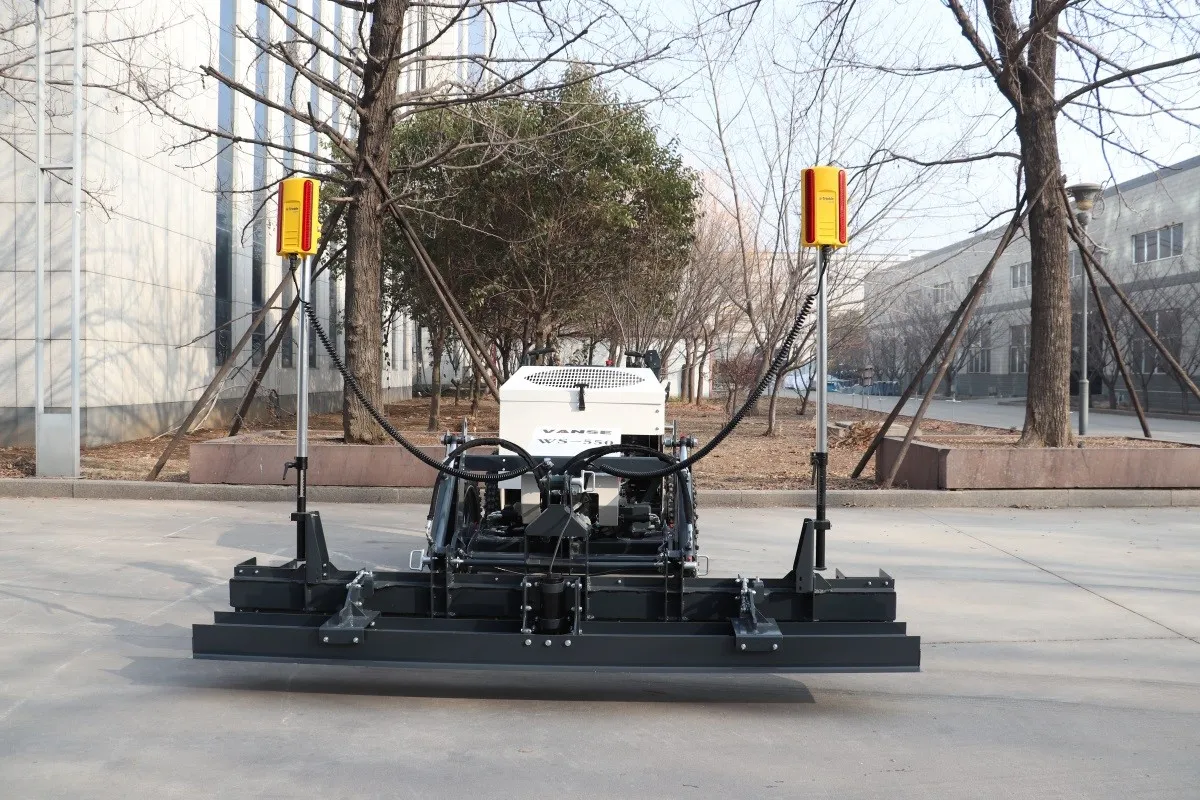
According to the characteristics of special environments, make necessary modifications to the equipment:
– **Protection upgrade: Enhance the equipment's dustproof, waterproof, and corrosion-resistant capabilities.
– **Performance adjustment: Adjust the equipment's working parameters to adapt to working requirements in special environments.
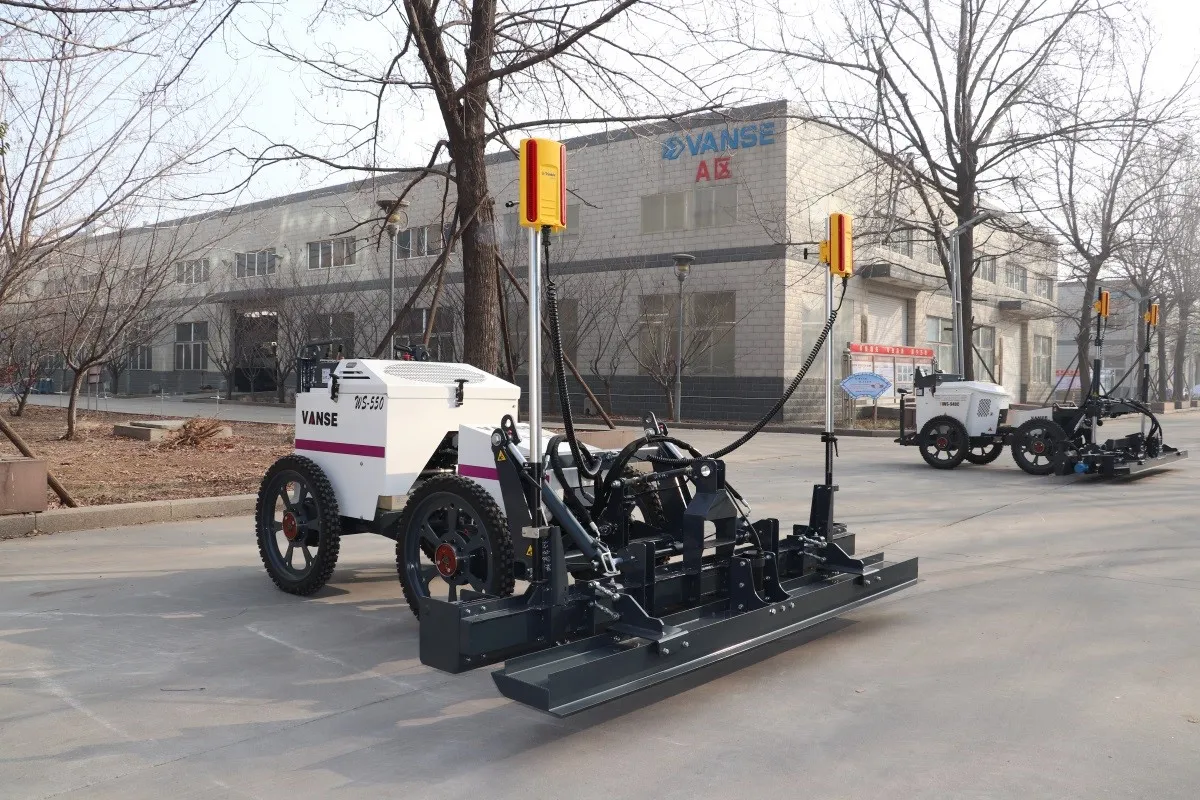
Establish an effective fault diagnosis and rapid response mechanism:
– **Fault diagnosis training: Provide fault diagnosis training to operators so that they can quickly identify the problem.
– **Rapid response process: Develop a rapid response process to ensure that measures can be taken immediately once a fault occurs.
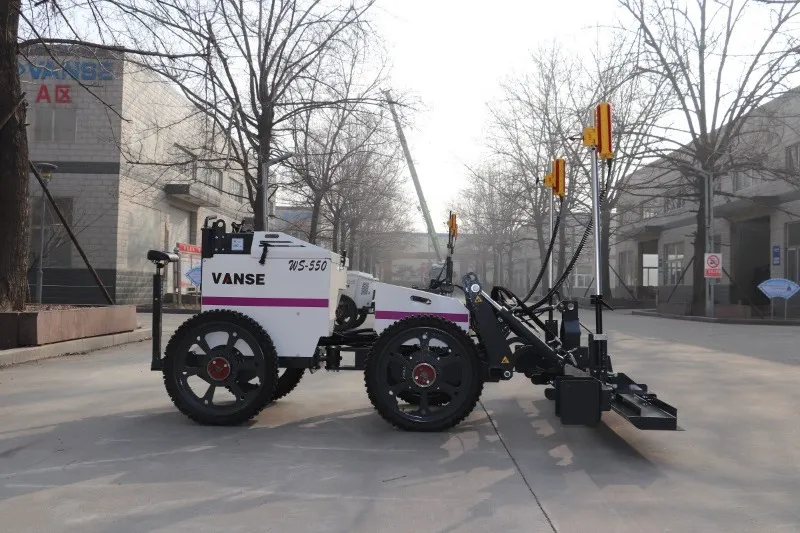
Improve on-site maintenance capabilities and reduce construction delays caused by equipment failures:
– **Maintenance tools and spare parts: Ensure that there are sufficient maintenance tools and spare parts on site.
– **Maintenance personnel training: Provide professional training to maintenance personnel to improve their ability to solve problems on site.
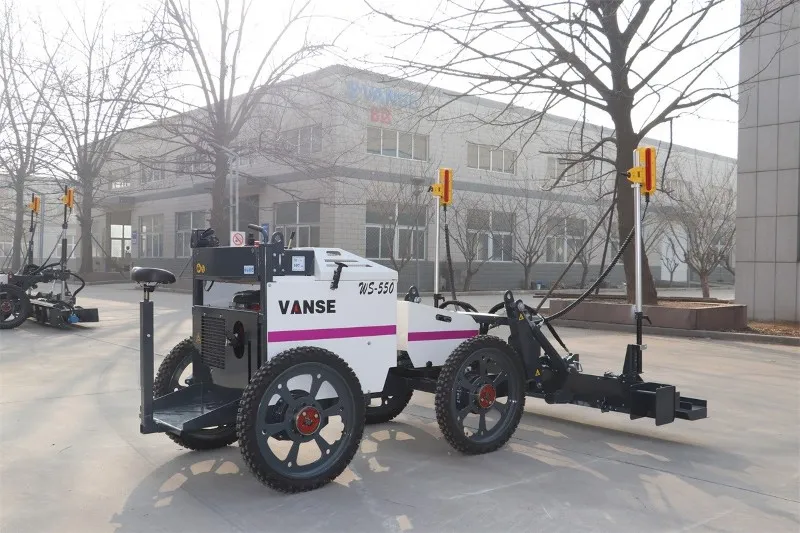
Implement preventive maintenance strategies to reduce the probability of failures:
– **Regular inspections: Develop regular inspection plans based on equipment usage.
– **Key component monitoring: Specially monitor vulnerable components and replace them in a timely manner.
Develop operating procedures for special environments to reduce failures caused by operating errors:
– **Operation manual updates: Update the operation manual based on the characteristics of special environments.
– **Operation training: Provide operation training for operators in special environments.
Increase the flexibility of construction plan to adapt to equipment failures that may occur in special environments:
– **Backup plan: Develop a backup construction plan so that it can be quickly adjusted when equipment fails.
– **Resource allocation: Flexibly allocate construction resources to reduce construction stagnation caused by equipment failure.
Establish a remote technical support system to improve the efficiency of fault handling:
– **Technical support team: Establish a professional technical support team to provide remote fault diagnosis and solutions.
– **Manufacturer collaboration: Establish a close collaborative relationship with equipment manufacturers to obtain technical support.
Record and analyze fault cases and continuously optimize fault response strategies:
– **Fault recording system: Establish a fault recording system to record the situation of each fault in detail.
– **Case analysis meeting: Hold case analysis meetings regularly to summarize lessons learned.
Develop and drill emergency plans to improve the ability to deal with sudden failures:
– **Emergency plan development: Develop detailed emergency plans for possible fault types.
– **Emergency drills: Conduct emergency drills regularly to ensure that the construction team is familiar with the emergency procedures
11. Conclusion
To deal with the failure of concrete laser leveling machines in special environments, it is necessary to comprehensively consider environmental identification, equipment modification, fault diagnosis, on-site maintenance, preventive maintenance, operating procedures, construction plans, remote support, fault records, emergency plans and other aspects. Through the implementation of these measures, the construction team's ability to respond to equipment failures can be effectively improved, and the impact of failures on construction progress and quality can be reduced.
Thanks to All the Friends Who Support and Trust Shandong Vanse Machinery Technology Co., Ltd.
If you want to know more about Shandong Vanse Machinery Technology Co., Ltd. or have any questions, please feel free to contact us:
Our Factory
Shandong Vanse Machinery Technology Co., Ltd.








Share this article

About the Author: Shandong Vanse Machinery Technology Co., Ltd.
Shandong Vanse Machinery Technology Co., Ltd. is a high-tech manufacturer specializing in concrete construction machinery, including laser screeds and related equipment. The company integrates R&D, production, and global sales, with products exported to over 60 countries and widely used in infrastructure projects worldwide.
Previous Post
Next Post
Related Articles
You Might Also Like
Concrete laser leveling machine VS. traditional manual leveling, how much has the efficiency increased?
The comprehensive construction efficiency of the concrete laser leveling machine is typically 3 to 5 times that of the traditional manual method (that is, an increase of 300% to 500%). It is not merely about "doing it quickly"; its advantages in terms of labor saving and uniformity are even more revolutionary than just the speed. The following is a detailed data comparison and analysis of laser leveling versus manual leveling: To make it clear for you, we will compare the key indicators of the two types of work methods side by side: Core indicators Traditional manual leveling Laser Leveling Machine (Laser leveling) Improvement percentage/difference Daily construction area Approximately 500 – 800 m² per day Approximately 2,500 – 4,500 m² per day Efficiency increased by 300% – 500% Required manpower 15 – 20 people (high-intensity physical labor) 4 – 6 people (mainly for assistance and operation) Labor reduced by approximately 60% Leveling error 5mm – 10mm (even larger) ≤ 2mm (measured with a 2-meter level) Precision reaches the standard of a perfectly flat floor Concrete slump Requires a larger slump (120-140mm) for dragging Suitable for low slump (80-100mm) Concrete strength and density are higher Construction joint Must be poured in sections, with many construction joints Capable of continuous large-area laying Reduced construction joints, resulting in a more integrated floor surface Traditional method: First, formwork (channel steel) needs to be erected, then points need to be marked and lines drawn.Workers have to bend over and repeatedly level the surface using a trowel. This requires a lot of physical effort. As time goes by, workers become more fatigued, and their efficiency and quality in the afternoon usually decline significantly. Laser leveling: The machine is equipped with a high-frequency vibrator (about 4,000 times per minute). While moving, it automatically levels, vibrates, and stirs the mixture.It doesn't require side formwork and can achieve large-area, continuous laying. The machine is tireless and maintains consistent quality day and night. Traditional approach: To meet the deadline, the only solution is to hire more workers. However, having too many workers can lead to chaos at the site, and skilled plasterers (foremen) currently have very high daily wages. Laser leveling: Only one operator is needed, along with 2-3 assistants (responsible for pulling the concrete pipes and providing simple materials). This not only reduces the daily wage expenses, but also lowers the management difficulty and the risk of workplace injuries. This is the point that is most easily overlooked. No need for rework: Manual leveling is prone to "ripple patterns" or hollowing out. If the storage and logistics center has strict requirements for leveling accuracy, after manual leveling, it may still require a significant amount of time for self-leveling repair or sanding, which are all hidden costs. High-strength concrete: The laser leveling machine can handle more dry and harder concrete (with lower slump), which means that the risks of sanding and cracking after the floor dries completely are significantly reduced, thereby lowering the maintenance costs in the later stage. Although the laser leveling machine is highly efficient, the cost of purchasing the machine is high (ranging from several hundred thousand to even over a million). Let's do a simple calculation: Applicable scenario (the critical point where profits turn into losses): If your project is a small basement less than 1000 square meters or a small room divided by walls: traditional manual methods are more cost-effective, as it is troublesome to bring in and set up the machinery, as well as to transport it. If your project involves a factory building, warehouse or parking lot with an area of over 3,000 square meters: The laser leveling machine is the undisputed champion. Example: 10,000 square meters of factory floor area The manual team: It might take 10 to 12 days to complete the task, and we will pay the wages of 15 people every day. Machine team: The job can be completed within 3 to 4 days. We will pay the wages of 5 workers plus the depreciation of the machines and the cost of fuel. Result: The construction period was shortened by 70%. The client (the owner) was more satisfied, and you could receive the project payment more quickly to take on the next job. The efficiency improvement of the concrete laser leveling machine is revolutionary, being approximately 3 to 5 times that of traditional manual methods. It is a must-have for modern industrial flooring (especially for high-positioned shelving warehouses and large logistics centers), without which it is very difficult to meet the "super-levelled flooring" standard required by the client. Note: The parameters provided in this document are for reference only and are not mandatory. Due to differences in technical characteristics between different brands and models of laser levelers, please consult the manufacturer for a suitable solution before actual operation. This reference document assumes no responsibility for any issues arising from failure to follow the manufacturer's instructions.By mastering these points, novices can use the concrete leveling machine easily !
The concrete leveling can be said to be an indispensable and important mechanical equipment in road construction. Although it is powerful, the purchase price is relatively high. Therefore, it is necessary to correctly and reasonably select, use and maintain the concrete leveling. , is the key to extending the service life of equipment, reducing operating costs of the entire machine, and improving operating efficiency. Below, our company will combine many years of experience in the use and management of concrete leveling machines to put forward several issues that should be paid attention to during use. We hope that new users will keep them in mind. Before moving the concrete leveling, you should first check the road condition, remove obstacles on the road, keep irrelevant personnel away from the excavator, and then lift the bucket to prepare for starting. Check the direction of the crawler frame, determine the position of the driving wheels, then sound the horn, and the leveling starts walking slowly. When reversing the concrete leveling, you should estimate the space behind the vehicle in advance. If the blind spot is too large, you should ask someone to direct and coordinate from behind. The driver controls the walking speed according to the road conditions. When walking on open flat ground, you can select the "1" gear. The leveler's walking speed will automatically increase or decrease according to the working pressure of the hydraulic walking circuit; when walking up or down a slope, you can select "0" In gear, the leveler travels at low speed and high torque. When the concrete leveling is walking, try to choose a flat road surface to avoid the rotation of the upper turntable. When walking on poor ground, avoid rocks from damaging the walking motor and crawler frame. When the leveling is walking on the slope, try to drive in a straight line; keep the bucket 20-30cm away from the ground. If it encounters slippage and rolling, put down the bucket immediately. If stalling occurs on a slope, lower the bucket to the ground, place the control lever in the neutral position, and then restart the engine. Try to avoid walking in the water with the concrete leveling. If you need to wade, check the water depth and the soft and hard platform level of the bottom in advance. It is not suitable to walk if the underwater mud is too deep or the water surface exceeds the crawler tracks. It should be noted that inspections are also required before starting the engine of the concrete leveling, such as checking the coolant level (adding water), checking whether the air filter is clogged, checking the excavator engine oil level, and checking the hydraulic oil. (add hydraulic oil), check the excavator fuel level (add fuel), check whether the horn is normal, check the lubrication of the bucket, check the water and sediment in the oil-water separator, etc. In short, no matter which type of concrete leveling is used, relevant personnel are required to master the principles and structure of the equipment proficiently before use, and try their best to do all aspects of work during the operation. Of course, during maintenance It is also necessary to achieve careful observation, comprehensive analysis, comprehensive judgment, and timely summary. Only in this way can we get twice the result with half the effort in the follow-up work.How does the concrete laser leveling machine ensure construction accuracy?
1. Laser technology Laser technology is one of the most important components of concrete laser leveling machines, providing the equipment with high-precision measurement and positioning capabilities. Through the characteristics of laser, the equipment can accurately measure and position the construction surface, ensuring that the leveler can accurately control the depth and position of the scraper during work, thus improving construction accuracy. 2. Sensing technology Sensing technology is also a key part of the concrete laser leveling machine, which can monitor the operating status and working accuracy of the equipment in real time. Through various sensors, such as pressure sensors, displacement sensors and angle sensors, the equipment can monitor the pressure, position and angle of the scraper in real time, and feed this information back to the control system to adjust the operating status of the equipment in a timely manner to ensure construction Accuracy 3. Automation control system The automatic control system is the core part of the concrete laser leveling machine, which can realize automatic control and intelligent management of the equipment. Through the automated control system, the equipment can automatically complete various operations such as calibration, leveling, and detection, reducing the impact of human factors on construction accuracy. At the same time, the automated control system can also intelligently adjust the operating parameters and status of the equipment according to different construction needs and environmental conditions, improving the adaptability and construction accuracy of the equipment. In short, the concrete laser leveling machine can achieve high-precision measurement, control and intelligent management by using advanced technologies such as laser technology, sensing technology and automated control systems, thus ensuring the accuracy and quality of construction. The application of this technology has greatly It improves the efficiency and precision of concrete construction and provides strong support for the construction of buildings, roads, bridges and other fields.