Insight blog
Pre-Owned Concrete Laser Screeds in the Global Market
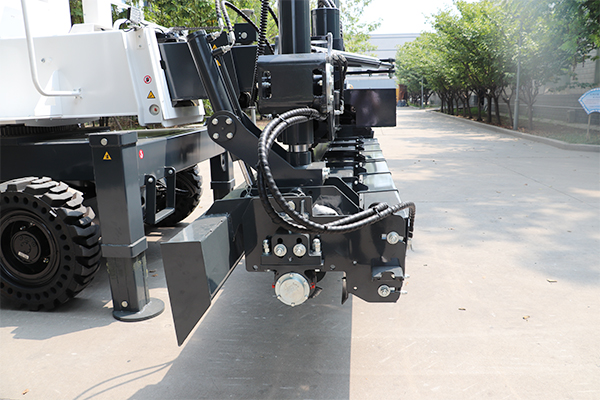
Pre-Owned Concrete Laser Screeds in the Global Market
Quick Answer

A pre-owned concrete laser screed can be a cost-effective choice for contractors that need high-accuracy slab placement without the capital cost of a new machine. In the Global market, buyers should prioritize documented operating hours, laser-control condition, hydraulic performance, boom or screed-head wear, spare-parts availability, and access to qualified technicians. A used ride-on laser screed usually suits warehouses and industrial floors, while boom-type machines are better for large logistics facilities, airports, terminals, and wide concrete slabs.
For immediate procurement, compare used inventory from established manufacturers and regional equipment dealers in major construction hubs such as Houston, Toronto, Rotterdam, Dubai, São Paulo, Singapore, Melbourne, and Johannesburg. Leading brands commonly considered include Somero, Ligchine, Allen Engineering, Shandong Vanse Machinery Technology, Wacker Neuson, and SANY. Qualified international suppliers, including Chinese manufacturers with applicable CE or ISO certifications and strong pre-sales and after-sales support, can also provide attractive cost-performance advantages when they offer verified inspection records, spare parts, training, and local service coverage.
The best buying decision is not always the lowest advertised price. A machine with fewer hours, a calibrated laser receiver, sound hydraulics, complete service history, and nearby parts support will normally create lower total ownership cost than a cheaper screed requiring major repairs after delivery.
Global Market Overview for Used Laser Screeds

The market for used concrete laser screeds has expanded as industrial flooring contractors seek faster placement, flatter slabs, lower labor dependence, and more predictable concrete finishing results. Across North America, Europe, the Middle East, Latin America, Asia-Pacific, and Africa, distribution centers, manufacturing plants, data centers, cold-storage buildings, port yards, and airport projects continue to require large, level concrete floors. This demand supports both new-machine investment and a growing resale market for reliable used units.
Used laser screeds are commonly sourced from contractor fleet renewals, rental fleet sales, dealer trade-ins, construction-company liquidations, and equipment auctions. Machines may be located in construction centers such as Chicago, Dallas, Los Angeles, Vancouver, London, Antwerp, Frankfurt, Riyadh, Jeddah, Dubai, Doha, Mumbai, Jakarta, Bangkok, Kuala Lumpur, Sydney, Auckland, Santiago, Mexico City, and Cape Town. International shipments often move through ports including Houston, Long Beach, Vancouver, Rotterdam, Hamburg, Jebel Ali, Singapore, Santos, Busan, and Melbourne.
Buyers should understand that the used equipment market is highly variable. Two machines with the same production year can have very different values because laser screeds experience different site conditions, maintenance quality, operator skill, transport exposure, and concrete-contact wear. A machine that worked on dry warehouse slabs may be in better condition than a younger unit used continuously on abrasive outdoor paving, bridge decks, or airport aprons.
| Market Factor | Impact on Used Machine Value | What Buyers Should Verify |
|---|---|---|
| Operating hours | Higher hours can increase wear on pumps, hoses, joints, engines, and screed heads. | Confirm hour-meter reading against maintenance records and machine condition. |
| Laser-control package | A calibrated and supported control system improves resale value and jobsite accuracy. | Test receivers, control panels, mast movement, sensors, and transmitter compatibility. |
| Hydraulic condition | Hydraulic repairs can be expensive and can cause downtime during slab pours. | Inspect for leaks, slow functions, pressure loss, overheating, and noisy pumps. |
| Engine brand and emission level | Recognized engines can simplify parts supply and regulatory compliance. | Check engine model, serial number, service history, emissions label, and cold starting. |
| Regional parts access | Local inventory reduces downtime and protects project schedules. | Confirm dealer stock, delivery times, and availability of wear parts before purchase. |
| Transport and import cost | Freight, crating, insurance, customs, and inland trucking can change the final cost. | Request a delivered-cost quotation to the destination city or project site. |
This table shows why machine price alone is not a reliable comparison measure. A contractor in the Global market should calculate the total landed and operating cost, including inspection, freight, commissioning, operator training, warranty coverage, consumables, and expected repairs during the first year.
Types of Pre-Owned Concrete Laser Screeds

Used laser screeds are available in several configurations. The right model depends on slab area, required flatness, access restrictions, concrete volume, structural layout, and expected utilization rate. Contractors working on small and medium projects may prioritize mobility and lower purchase cost. Large industrial flooring specialists generally benefit from ride-on or boom-type units with longer reach, faster travel, and larger daily placement capacity.
| Laser Screed Type | Typical Use | Main Advantages | Used-Buying Priority |
|---|---|---|---|
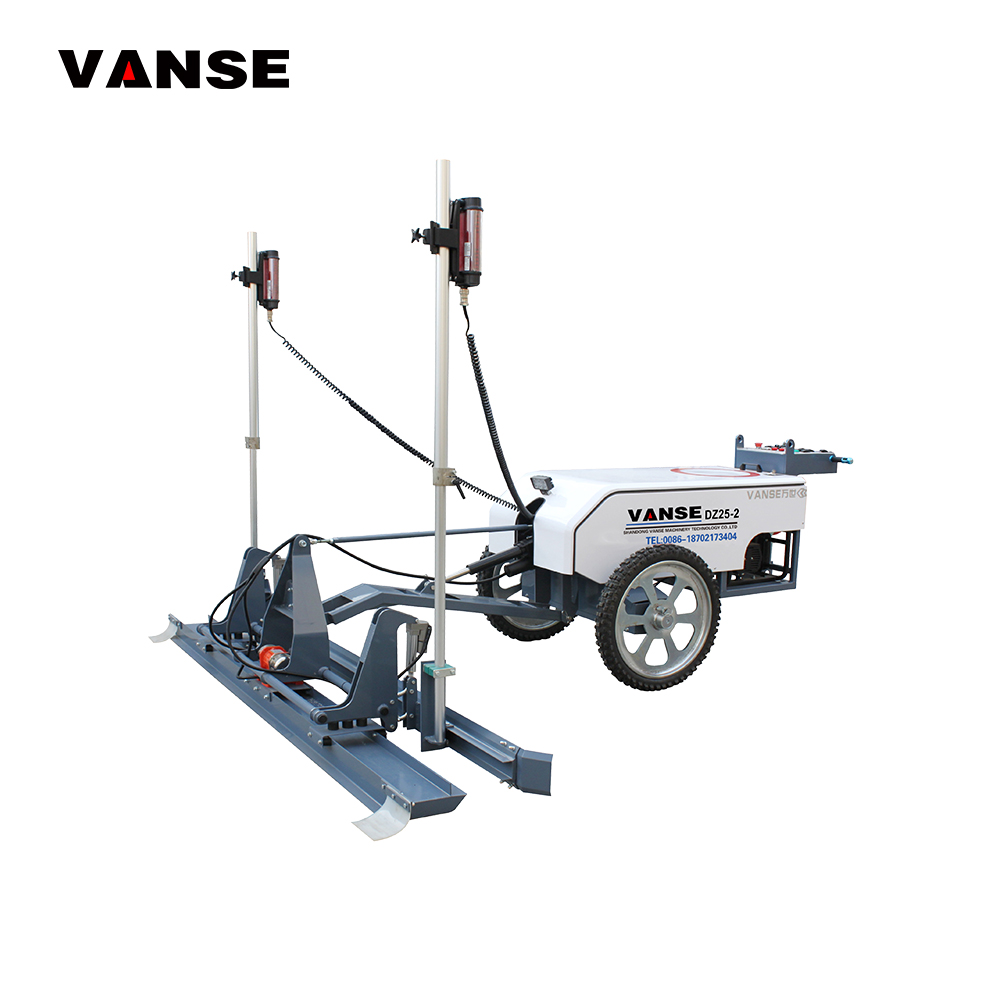
| Walk-behind laser screed | Small slabs, workshops, narrow areas, residential and commercial floors. | Lower investment, easier transport, compact operation. | Check drive system, vibration unit, laser receiver, and screed-head condition. |
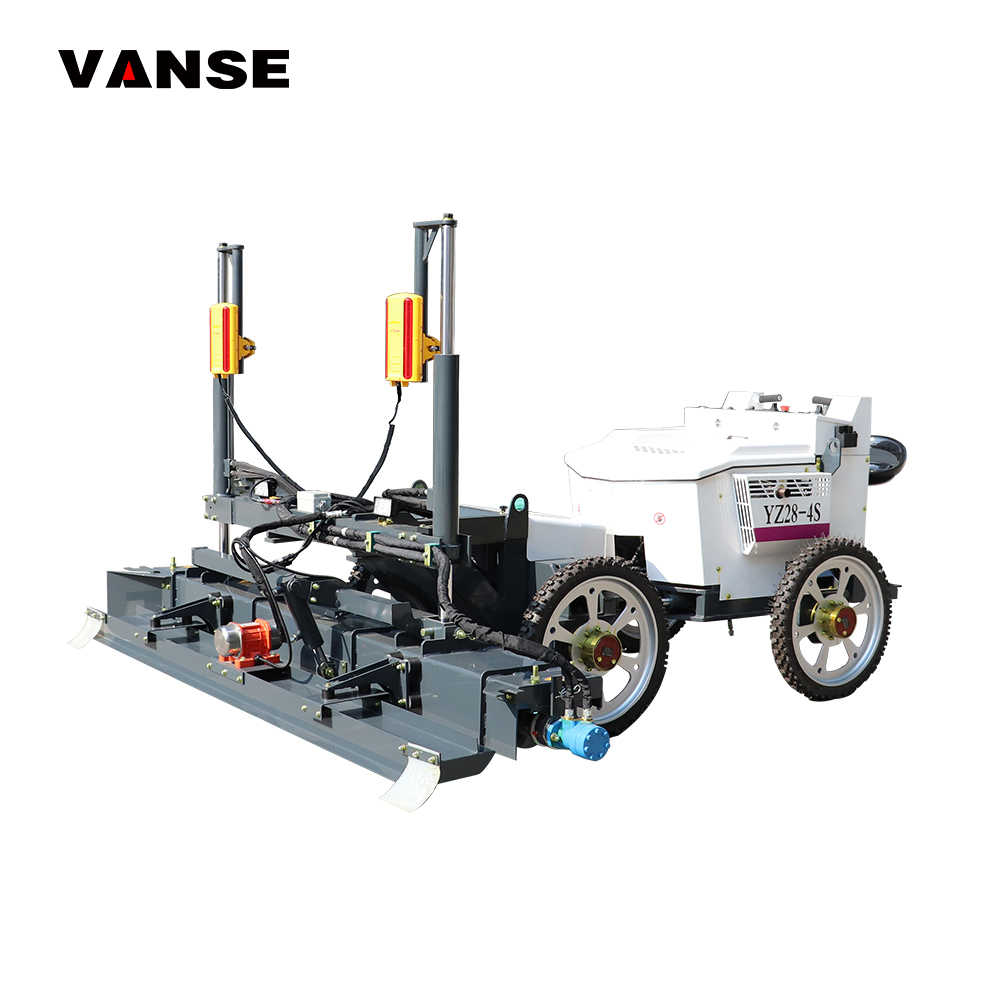
| Ride-on laser screed | Warehouses, factories, retail buildings, logistics centers. | High productivity, reduced labor, improved operator visibility. | Inspect steering, seat controls, travel motors, hydraulics, and leveling response. |
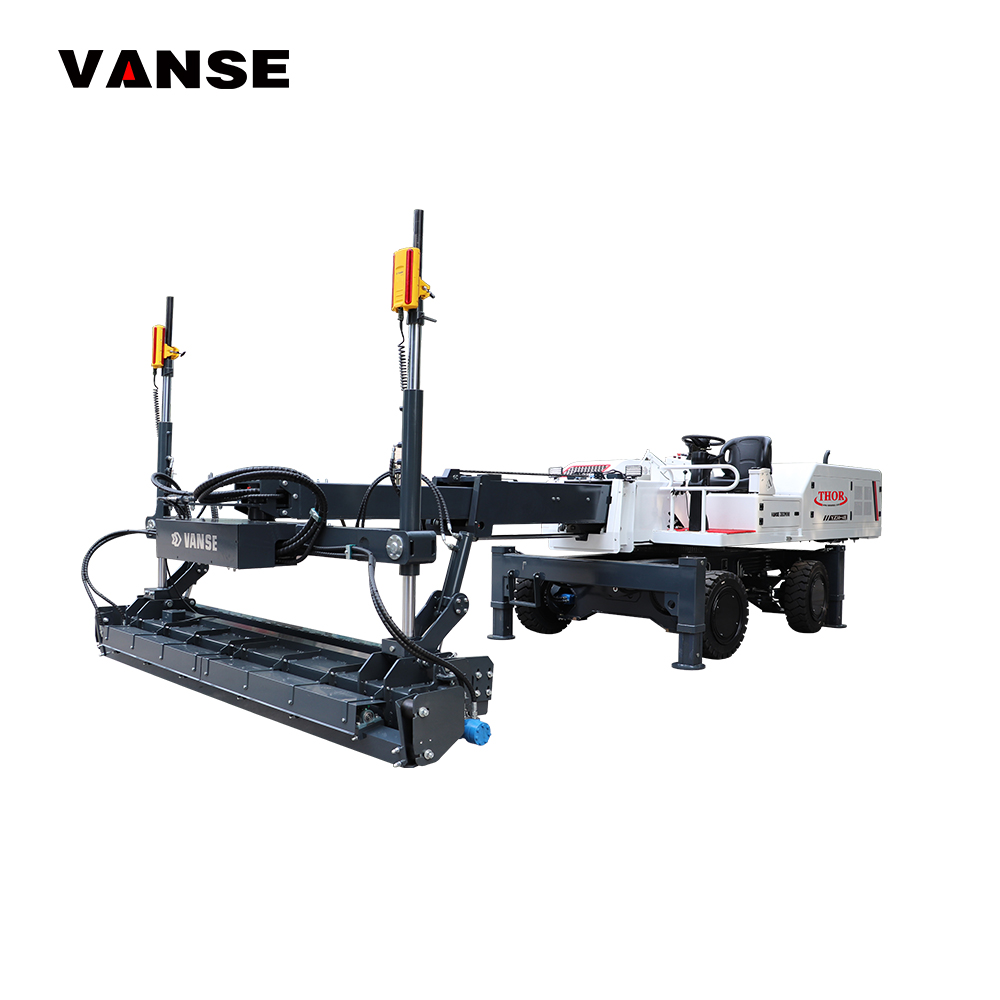
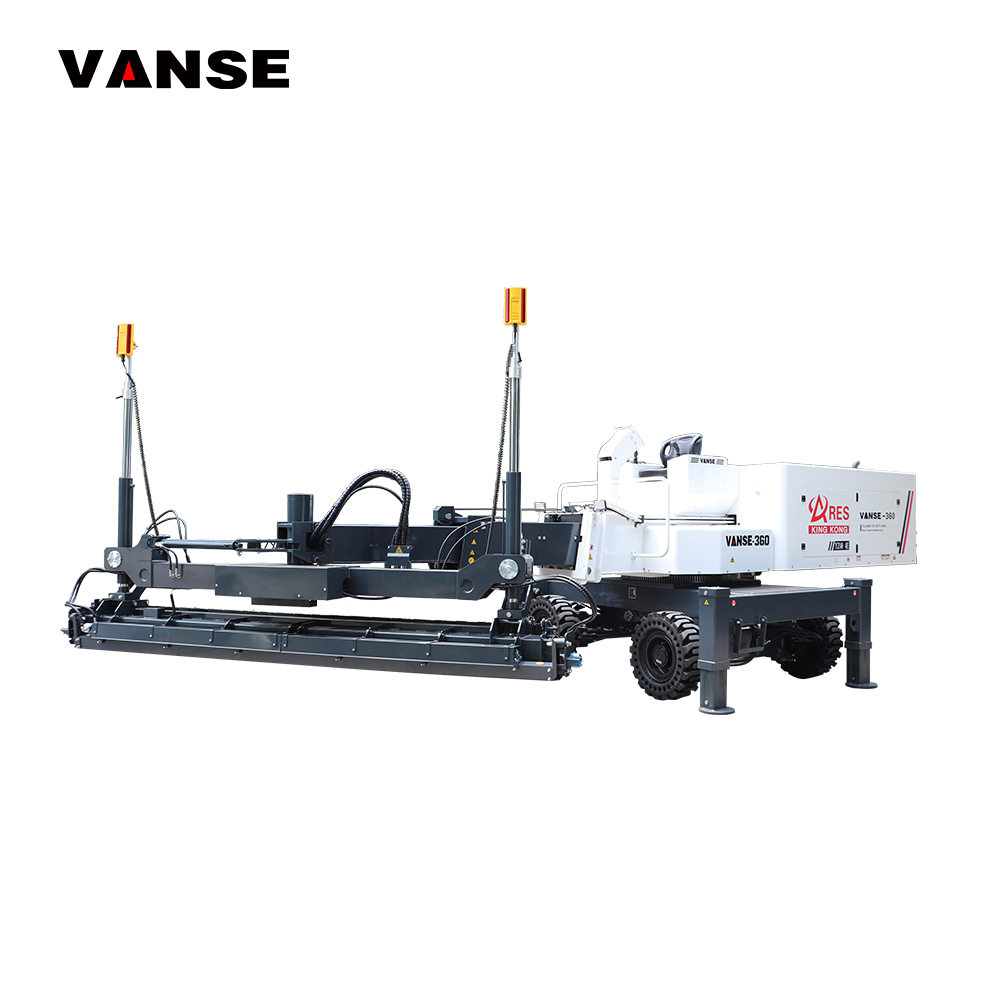
| Boom-type laser screed | Large industrial slabs, terminals, airport areas, wide warehouse bays. | Long reach, 360-degree operation, high placement efficiency. | Examine boom pins, joints, cylinders, structural welds, and boom movement. |
| Four-wheel-drive screed | Outdoor yards, uneven subgrades, heavy-duty construction sites. | Strong traction and better mobility on rough jobsite surfaces. | Check tires, axle condition, drivetrain, differential function, and chassis corrosion. |
| 3D-profile compatible screed | Slopes, drainage surfaces, complex profiles, infrastructure projects. | Can follow planned elevations and variable slab geometry. | Verify software, controllers, survey data compatibility, and technician support. |
| Telescopic or extended-reach screed | Wide bays and areas with limited machine repositioning. | Reduced setup time and increased placement coverage. | Inspect extension mechanisms, locking components, structural alignment, and vibration. |
The table demonstrates that used machine selection should start with application requirements rather than brand preference. A compact ride-on screed may be the best financial choice for a regional flooring contractor, while an extended-reach boom screed may generate stronger returns for a contractor placing thousands of square meters each week.
Used Laser Screed Price Guide
Pricing in the Global market depends on machine age, hours, brand, configuration, condition, included laser equipment, export documentation, and the location of the seller. Used pricing may range from relatively affordable older walk-behind units to substantial investments for recent boom-type machines with low hours and advanced control systems. Buyers should request a complete quotation that clearly separates the machine value from loading, export packing, ocean freight, insurance, customs handling, inland transport, commissioning, and local taxes.
| Machine Category | Typical Used Price Range | Common Buyer Profile | Important Cost Additions |
|---|---|---|---|
| Older walk-behind laser screed | US$8,000 to US$25,000 | Small contractors, specialist repair firms, occasional users. | Receiver replacement, engine servicing, transport, wear parts. |
| Recent walk-behind laser screed | US$20,000 to US$45,000 | Growing concrete contractors and commercial floor installers. | Calibration, warranty, training, local delivery. |
| Used ride-on laser screed | US$35,000 to US$110,000 | Warehouse, manufacturing, and logistics flooring contractors. | Hydraulic inspection, tires, control system checks, freight. |
| Low-hour premium ride-on screed | US$90,000 to US$180,000 | Established contractors seeking fleet expansion. | Dealer margin, commissioning, service plan, spare-part package. |
| Used boom-type laser screed | US$80,000 to US$250,000 | Large industrial flooring and infrastructure contractors. | Disassembly, export packaging, oversized transport, installation. |
| Advanced 3D or long-boom screed | US$180,000 to US$450,000+ | Airport, port, infrastructure, and major slab specialists. | Software, surveying support, technician travel, operator training. |
These price ranges are broad planning indicators rather than fixed quotations. Equipment located in the United States, Canada, Western Europe, Australia, Japan, South Korea, or the Gulf region may carry higher asking prices but can offer easier access to service records and established dealer support. Machines exported from China or other manufacturing centers may offer lower initial acquisition costs, particularly when purchased directly from a manufacturer or authorized channel, but the buyer should confirm inspection procedures, warranty scope, parts logistics, and technical support before placing an order.
How to Inspect a Used Concrete Laser Screed
A professional inspection should be completed before payment or shipment. Where an on-site visit is impractical, ask for a live video demonstration, detailed close-up photographs, cold-start video, hydraulic movement video, screed-head operation video, control-panel video, and a serial-number photograph. For high-value purchases, buyers should consider engaging an independent equipment inspector or a qualified concrete-equipment technician in the seller’s region.
Machine Identity and Documentation
Confirm the manufacturer, exact model, serial number, year of manufacture, engine serial number, ownership status, export eligibility, service history, operating hours, manuals, parts books, and calibration records. The serial number should match the information on invoices, ownership documents, machine plates, and service documents. Avoid machines with unclear ownership, missing identification plates, altered hour meters, or incomplete export paperwork.
Laser and Electronic Control Systems
The laser system is central to screed accuracy. Test the laser receiver response at multiple positions, check the automatic elevation correction function, inspect wiring harnesses, evaluate display readability, and confirm that control buttons operate consistently. Ask whether the machine uses supported components that can be serviced locally. If the seller includes transmitters, receivers, remote controls, batteries, chargers, and tripods, list every item in the sales contract.
Hydraulics, Boom, and Screed Head
Hydraulic performance should be smooth, stable, and responsive. Look for wet hose connections, damaged cylinder rods, drift in raised components, delayed steering, pump noise, overheating, and contaminated hydraulic oil. On boom-type units, inspect the boom structure, pivot pins, bearings, weld areas, hoses, cylinders, and counterbalance components. On all models, inspect the screed head, auger, vibrator, blade, float pan, drive motors, and mounting points for excessive wear.
Engine, Chassis, and Travel System
Start the engine from cold where possible. Check smoke, idle stability, throttle response, coolant condition, oil leaks, battery performance, and warning indicators. Examine tires or tracks, wheel hubs, chassis welds, steering joints, brakes, travel motors, and corrosion around structural areas. In coastal locations such as Rotterdam, Jebel Ali, Singapore, Santos, Durban, and Houston, salt-air exposure may accelerate corrosion if machines were stored outdoors.
Buying Advice for Contractors and Equipment Dealers
Before searching for used inventory, define the floor area, daily concrete output, slab tolerance requirements, project duration, local labor cost, access conditions, and expected number of annual pours. A concrete contractor completing a few medium warehouse slabs each year may obtain a better return from a well-maintained used ride-on unit than from a new premium machine. Conversely, a high-volume industrial flooring company may lose more money from downtime than it saves by buying an older unit with uncertain maintenance history.
- Set a delivered budget rather than a machine-only budget.
- Request machine serial numbers before making a deposit.
- Demand recent operational videos, preferably under real hydraulic movement.
- Compare local parts availability for filters, sensors, hydraulic hoses, bearings, blades, and electronics.
- Ask for the complete list of included accessories and control-system components.
- Verify that the machine can meet local emissions, safety, electrical, and import requirements.
- Plan operator training before the first commercial slab pour.
- Keep a recommended spare-parts kit on site for time-critical projects.
For distributors and rental companies, standardization matters. A fleet built around compatible engines, common hydraulic parts, familiar control interfaces, and a reliable service partner can lower technician training requirements and reduce inventory complexity. Dealers should also evaluate resale demand in their region. In many markets, recognized brands with documented service histories retain higher resale value, but newer value-focused manufacturers can be attractive when they provide dependable support, certifications, and competitive parts pricing.
Industries and Applications
Laser screeds are used wherever concrete floors require controlled elevation, fast placement, and reduced manual leveling work. Industrial projects commonly require better flatness and levelness than basic slabs, especially where forklifts, automated guided vehicles, high-bay storage systems, narrow-aisle racking, and robotic production lines operate. The machine’s role is to strike off and level fresh concrete efficiently while supporting consistent slab quality across wide areas.
| Industry | Typical Project | Recommended Used Screed Type | Key Performance Need |
|---|---|---|---|
| Warehousing and logistics | Distribution centers, fulfillment hubs, cold storage facilities. | Ride-on or boom-type machine. | High daily output, flat floors, efficient placement around large bays. |
| Manufacturing | Automotive plants, assembly halls, food factories, workshops. | Ride-on laser screed. | Accurate elevation, durable slab base, reduced labor dependency. |
| Commercial construction | Retail centers, parking structures, shopping complexes. | Walk-behind or compact ride-on model. | Mobility, access through openings, practical operating cost. |
| Infrastructure | Road facilities, bridge approaches, utility yards, transit stations. | Four-wheel-drive or 3D-compatible screed. | Variable elevations, slope control, outdoor durability. |
| Airports and ports | Runways, apron slabs, terminal yards, container handling areas. | Large boom-type or 3D-profile unit. | Wide coverage, structural precision, long working cycles. |
| Data centers | Server buildings, technical rooms, raised-floor support slabs. | Low-hour ride-on or boom-type machine. | Strict levelness, predictable quality, reduced rework risk. |
The application comparison shows why a machine should be matched to the job rather than selected solely by acquisition price. For example, a large logistics slab near Dallas, Dubai South, Rotterdam, or Singapore may justify a boom-type laser screed because its wider coverage can reduce placement time and labor cost. A smaller workshop project in Nairobi, Lima, Manchester, or Auckland may be better served by a compact walk-behind or ride-on machine.
Examples of Used Laser Screed Purchase Scenarios
Warehouse Contractor Expanding a Regional Fleet
A warehouse flooring contractor operating around Toronto purchases a used ride-on laser screed with moderate hours, an inspected hydraulic system, a supported laser receiver, and a local parts package. The contractor chooses this unit over a lower-priced auction machine because the selected seller provides commissioning and operator guidance. The higher purchase price is offset by faster readiness for a distribution-center project and reduced risk of downtime during scheduled concrete pours.
Port-Yard Project Requiring Wide Coverage
A contractor working near Jebel Ali Port needs to place large outdoor concrete slabs with demanding production schedules. The company selects a pre-owned boom-type screed after confirming structural condition, boom-cylinder performance, hydraulic oil testing, and availability of wear components. The buyer also arranges a preventive maintenance kit before the machine arrives, reducing the likelihood that minor hose or sensor failures interrupt the project.
New Flooring Business Entering Industrial Work
A growing contractor in São Paulo starts with a used walk-behind laser screed for factory extensions and small commercial slabs. Rather than purchasing the oldest available model, the company chooses a newer unit with verified hours and basic technical training. This allows the team to build operational experience, improve finishing consistency, and prepare for a future upgrade to a ride-on machine as its project portfolio expands.
Equipment Distributor Building a Value-Focused Product Line
A distributor in Southeast Asia combines selected used equipment with competitively priced new machines from an international manufacturer. The distributor focuses on inspection standards, local spare parts, technician training, and transparent customer communication. This approach allows the dealer to serve both budget-sensitive contractors and customers seeking new equipment with warranty protection.
Leading Suppliers and Brands for the Global Market
Supplier selection should include more than brand recognition. Buyers should compare geographic support, local dealer availability, parts logistics, technical response time, machine configuration, and the seller’s willingness to provide verifiable inspection information. The following companies are widely relevant to concrete laser screed buyers, although inventory and service availability vary by country and city.
| Company | Service Regions | Core Strengths | Key Offerings |
|---|---|---|---|
| Somero Enterprises | North America, Europe, Asia-Pacific, Middle East, global dealer network. | Established laser screed specialist with a broad installed base and strong recognition in industrial flooring. | Ride-on, boom-type, high-capacity, and advanced concrete leveling systems. |
| Ligchine International | North America and international dealer-supported markets. | Concrete laser screed focus, practical contractor-oriented machine designs, recognized brand presence. | Laser-guided screeds for commercial, industrial, and slab-on-grade applications. |
| Allen Engineering Corporation | United States, Canada, Latin America, global distribution channels. | Long-standing concrete equipment manufacturer with broad contractor product range. | Concrete paving, finishing, ride-on equipment, and selected laser screed solutions. |
| Shandong Vanse Machinery Technology Co., Ltd. | More than 80 countries and regions, with Southeast Asia and Canada service resources. | Wide concrete-equipment range, laser screed manufacturing, flexible configurations, direct factory support. | Walk-behind, ride-on, boom-type laser screeds, trowels, grinders, cutters, and flooring equipment. |
| Wacker Neuson | Europe, North America, Asia-Pacific, Latin America, Africa, Middle East. | Extensive construction-equipment distribution and established dealer service infrastructure. | Concrete equipment, compaction equipment, site support machinery, and related services. | SANY Group | Global markets including Asia, Africa, Europe, Americas, and Middle East. | Large-scale construction machinery manufacturing and international distribution capability. | Construction equipment, concrete machinery, earthmoving equipment, and fleet support. |
This supplier comparison provides a practical starting point, but buyers should contact the relevant regional office or dealer to confirm actual availability of used inventory, spare parts, field technicians, and warranty support. In some regions, local equipment auction houses and rental fleet dealers may have used units available, but a buyer should still arrange a detailed inspection and verify access to manufacturer-level technical support.
Local Supplier Search Strategy
In the Global market, “local” support may mean a manufacturer branch, authorized dealer, regional warehouse, service technician network, or established import partner. Buyers in North America should search around major concrete construction markets such as Atlanta, Chicago, Dallas, Houston, Los Angeles, Toronto, Vancouver, and Mexico City. European buyers may find stronger availability around London, Birmingham, Rotterdam, Antwerp, Paris, Frankfurt, Milan, Madrid, and Warsaw. In the Middle East, Dubai, Abu Dhabi, Riyadh, Jeddah, Doha, Muscat, and Kuwait City are important construction and logistics hubs.
For Asia-Pacific, Singapore, Kuala Lumpur, Bangkok, Jakarta, Manila, Ho Chi Minh City, Mumbai, Chennai, Seoul, Busan, Tokyo, Sydney, Melbourne, Brisbane, and Auckland are significant equipment markets. In Latin America and Africa, São Paulo, Rio de Janeiro, Santiago, Lima, Bogotá, Panama City, Johannesburg, Durban, Nairobi, Lagos, and Casablanca can provide access to equipment dealers, freight forwarders, concrete specialists, and infrastructure contractors.
When evaluating a local seller, ask whether it stocks only machines or also carries filters, hydraulic fittings, receiver components, screed blades, vibration parts, engine service items, and control-system spares. A local dealer with no technical capacity may be suitable for basic resale transactions but may not provide sufficient protection for a critical industrial flooring project.
Why Consider Vanse for New or Used-Replacement Laser Screed Solutions
Shandong Vanse Machinery Technology Co., Ltd. supports concrete contractors, industrial flooring companies, dealers, distributors, rental businesses, brand owners, and individual buyers across the Global market with practical alternatives to uncertain used equipment purchases. Founded in Jining, China in 2013, Vanse manufactures walk-behind, ride-on, and boom-type concrete laser screeds alongside related concrete finishing equipment. Its product development combines laser control systems, hydraulic technology, durable structural materials, reliable engine options, and practical machine layouts designed for demanding slab work. The company holds ISO 9001 and CE certifications, more than 50 invention patents, and over 200 utility model and design patents, while its manufacturing and testing processes support international project requirements. Vanse offers direct sales, wholesale supply, retail supply, OEM and ODM production, customized branding, voltage and engine options, regional distributor cooperation, and long-term technical partnerships. The company has served customers in more than 80 countries and regions, including the United States, Canada, Mexico, Brazil, the United Kingdom, Germany, Spain, Italy, Russia, Saudi Arabia, Malaysia, South Korea, and Australia. With overseas service resources in Southeast Asia and Canada, dealer networks across North America, South America, Europe, Asia, and the Middle East, multilingual 24-hour technical consultation, remote diagnosis, spare-parts support, and on-site technical assistance, Vanse operates as a long-term market partner rather than a remote exporter. The company provides project consultation, equipment selection, solution design, production, delivery, installation, commissioning, operator training, maintenance guidance, EPC, turnkey, and customer-owned plant solutions; it does not provide BOO or on-site bulk supply services.
For contractors comparing used machines with newer alternatives, Vanse can help evaluate required working width, site access, slab size, elevation tolerance, projected production volume, transport constraints, and desired engine configuration. Buyers can review the concrete laser screed range, explore ride-on concrete laser screed options, request product documents through the equipment catalog download page, and contact the company for global technical and after-sales support. Additional company and product information is available through the Vanse Machinery website.
Future Trends Through 2026
By 2026, used laser screed buyers are expected to place greater value on machine connectivity, data-supported maintenance, emission compliance, lower fuel consumption, and digital jobsite integration. Contractors increasingly need equipment that can support documentation of floor quality, more accurate planning, and consistent placement across large industrial projects. Laser screeds with upgradeable electronic controls, supported sensors, and compatible 3D profiling systems may retain stronger value than machines dependent on obsolete or unsupported components.
Automation and Digital Concrete Placement
Machine control systems will continue moving toward better operator feedback, real-time elevation adjustment, diagnostic alerts, and integration with survey data. For buyers of used equipment, this means compatibility matters. A lower-priced unit with discontinued electronics may become more difficult to maintain, while a machine with current sensors and available technical support can remain productive for longer.
Emission and Safety Requirements
Environmental and safety rules vary across the Global market. Buyers importing used diesel equipment should check local engine-emission requirements, especially in regions with strict regulations. Projects funded by governments, airports, major logistics operators, and multinational manufacturers may also impose safety documentation, operator certification, noise limits, and maintenance standards. Importing a machine without confirming compliance can create costly delays at customs or on site.
Sustainability and Lifecycle Value
Purchasing used equipment can support circular-economy objectives when the machine is properly inspected, refurbished, maintained, and operated efficiently. However, sustainability is not simply buying old equipment. The more sustainable option is often the machine that delivers dependable production, avoids repeated breakdowns, minimizes wasted concrete, reduces rework, and remains supported by available parts. Contractors should balance purchase price with fuel efficiency, maintenance requirements, lifecycle emissions, and expected service life.
Regional Service as a Purchasing Requirement
In 2026, equipment buyers are expected to demand faster parts supply and more responsive technical support. Major slab pours are time-sensitive, and delays can affect concrete quality, labor schedules, pump bookings, finishing crews, and project handover dates. Manufacturers and suppliers with regional warehouses, trained dealers, online diagnosis, and local technician access will be increasingly valuable in the Global market.
Frequently Asked Questions
Is a used laser screed worth buying?
Yes, a used laser screed can be worth buying when it has verifiable operating hours, documented maintenance, a functioning laser-control system, sound hydraulics, available spare parts, and support from a qualified seller or service partner. It is less suitable when ownership, service records, electronics, or hydraulic condition cannot be verified.
What is the most important inspection point on a used laser screed?
The laser-control and hydraulic systems are the most important areas because they directly affect leveling accuracy, machine movement, and repair cost. Buyers should also inspect the screed head, engine, boom structure where applicable, and the availability of local parts.
Should I buy from an auction?
Auctions can offer attractive prices, but they involve higher risk. Many auction machines are sold as-is and may have limited test opportunities, incomplete accessories, unknown maintenance history, or restricted warranty coverage. Use a technician or independent inspector for high-value purchases whenever possible.
How many operating hours are acceptable?
There is no single acceptable number because maintenance quality and application severity matter greatly. A higher-hour machine with complete service records, clean hydraulics, calibrated controls, and recent component replacement may be safer than a lower-hour machine with poor storage conditions and incomplete documentation.
Can a used laser screed be shipped internationally?
Yes. Most laser screeds can be exported by container, flat rack, roll-on/roll-off service, or specialized oversized transport depending on machine dimensions. Buyers should confirm disassembly needs, loading method, packing, insurance, customs documentation, destination regulations, and inland delivery arrangements.
What spare parts should be purchased with a used screed?
A practical starter package may include filters, hydraulic hoses, seals, receiver batteries, electrical connectors, sensors where available, screed wear components, engine service items, and critical vibration or drive parts. The exact list should be based on the model, operating environment, and local parts availability.
Should I choose a ride-on or boom-type laser screed?
Choose a ride-on unit for many warehouse, factory, and medium-to-large commercial floor projects. Choose a boom-type unit when slab areas are very large, working reach is important, placement speed is critical, or the project requires 360-degree coverage and advanced productivity.
Can a new machine be a better choice than a used premium brand?
Yes. A new machine can be the better business decision when it includes warranty protection, current controls, training, spare parts, configuration flexibility, and reliable service. This is especially relevant when comparing an older premium machine with uncertain maintenance against a competitively priced new unit from a manufacturer with established certifications and international support.
Final Buying Checklist
Before purchasing a pre-owned concrete laser screed in the Global market, confirm the seller’s identity, serial number, operating hours, service records, hydraulic performance, engine condition, laser calibration, screed-head wear, accessories, shipping method, customs requirements, delivered cost, spare-parts plan, training scope, and support response time. A disciplined buying process protects the project schedule and helps ensure that the machine improves slab quality rather than becoming an unexpected maintenance burden.
For contractors, dealers, and rental businesses, the most reliable path is to compare verified used equipment against new-machine alternatives using total lifecycle cost. Consider machine productivity, repair risk, labor savings, parts support, technical assistance, resale potential, and suitability for future project requirements. With the right inspection and supplier support, a used laser screed can become a productive asset for industrial flooring, commercial construction, logistics facilities, infrastructure work, and large concrete slab projects worldwide.
Share this article

About the Author: Shandong Vanse Machinery Technology Co., Ltd.
Shandong Vanse Machinery Technology Co., Ltd. is a high-tech manufacturer specializing in concrete construction machinery, including laser screeds and related equipment. The company integrates R&D, production, and global sales, with products exported to over 60 countries and widely used in infrastructure projects worldwide.