Insight blog
Global Market Guide to Next-Generation Concrete Laser Screeds
Global Market Guide to Next-Generation Concrete Laser Screeds
Quick Answer

A next-generation concrete laser screed is the best choice for large slabs where flatness, speed, reduced labor, and repeatable elevation control are critical. For Global market buyers, select the machine type according to slab area, concrete volume, access restrictions, required FF/FL tolerance, and availability of trained operators and local parts support.
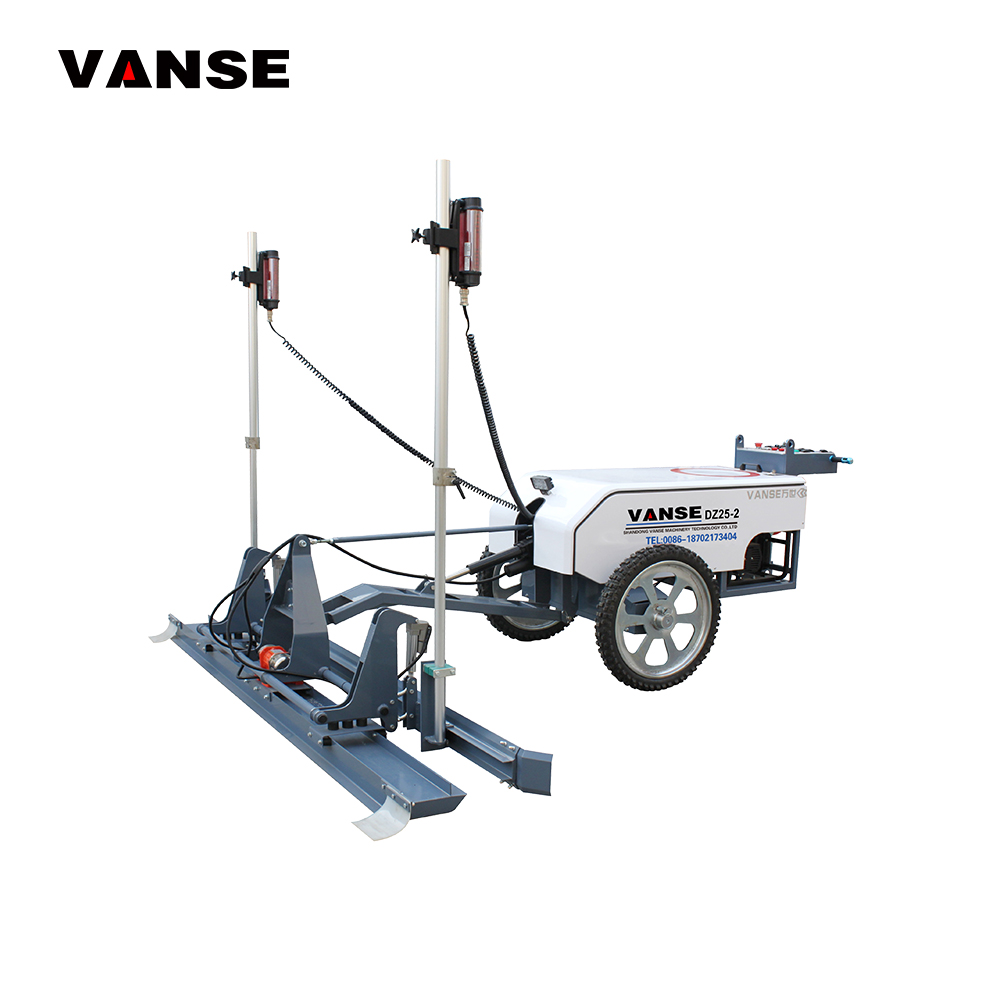
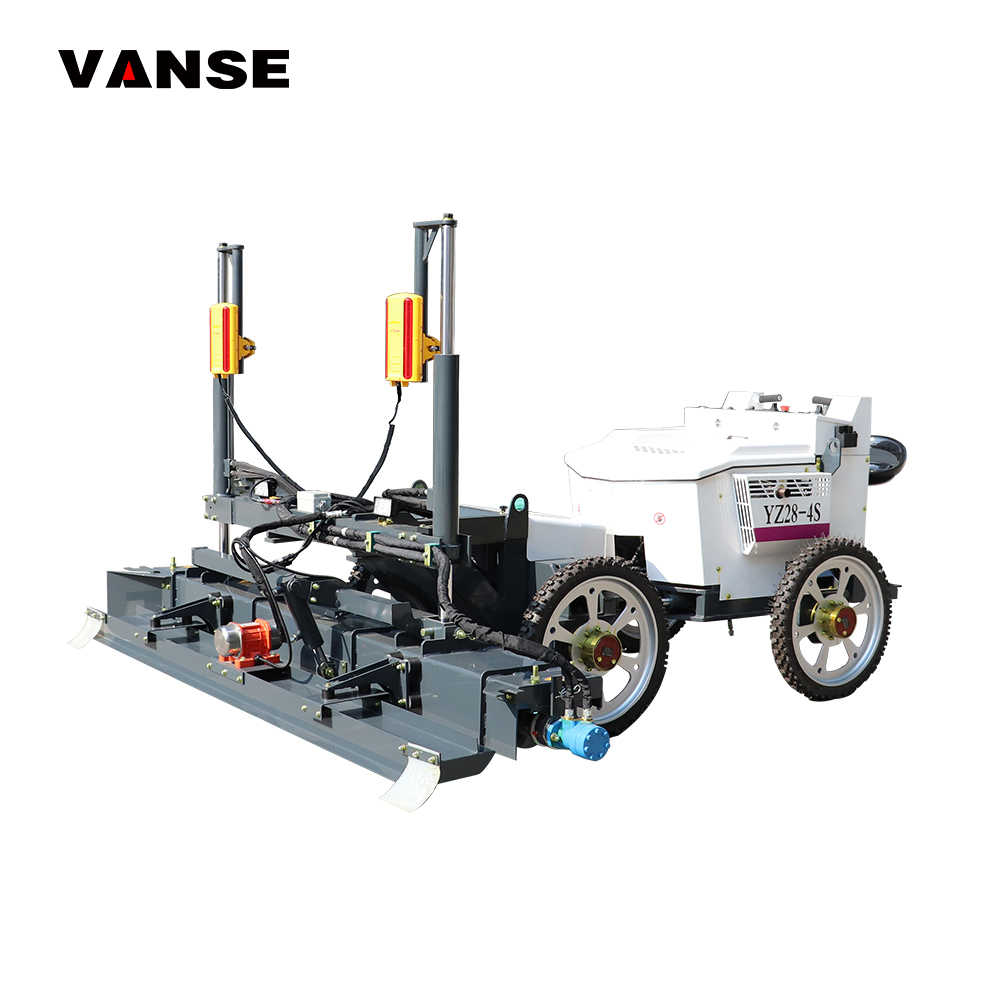
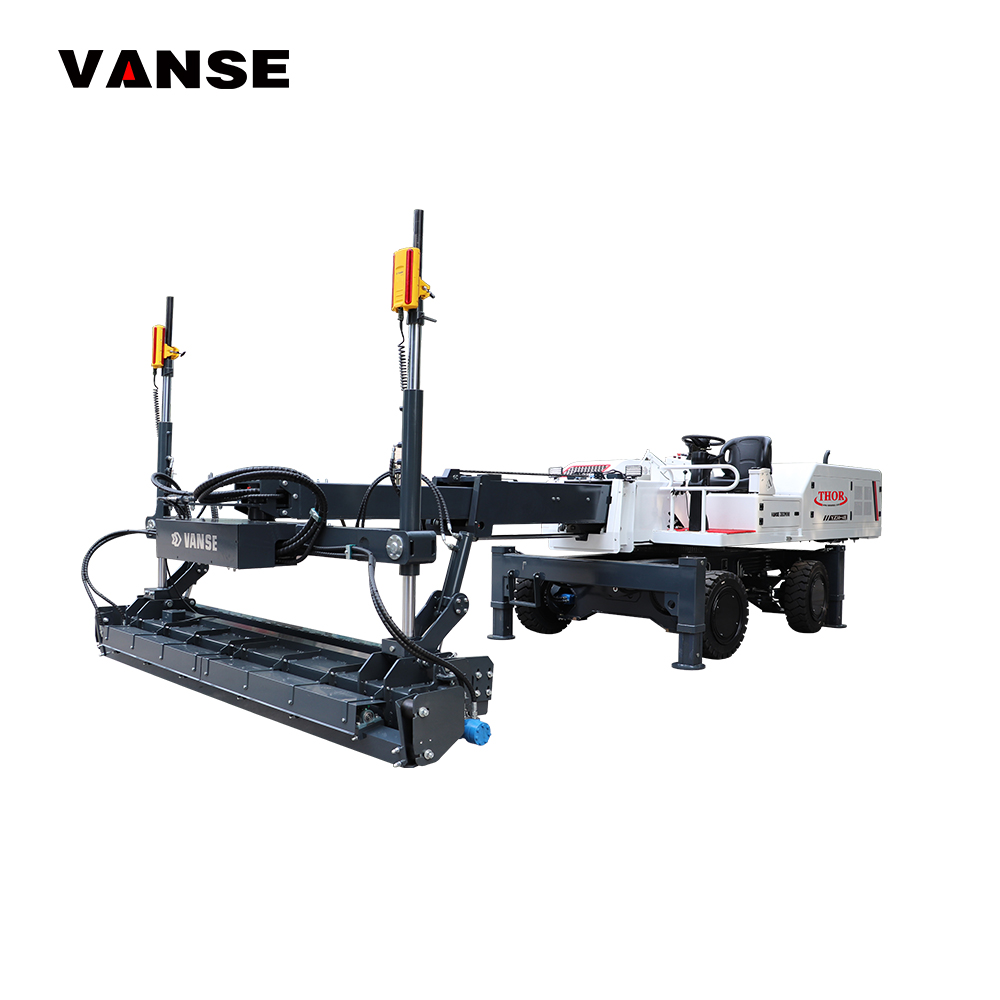
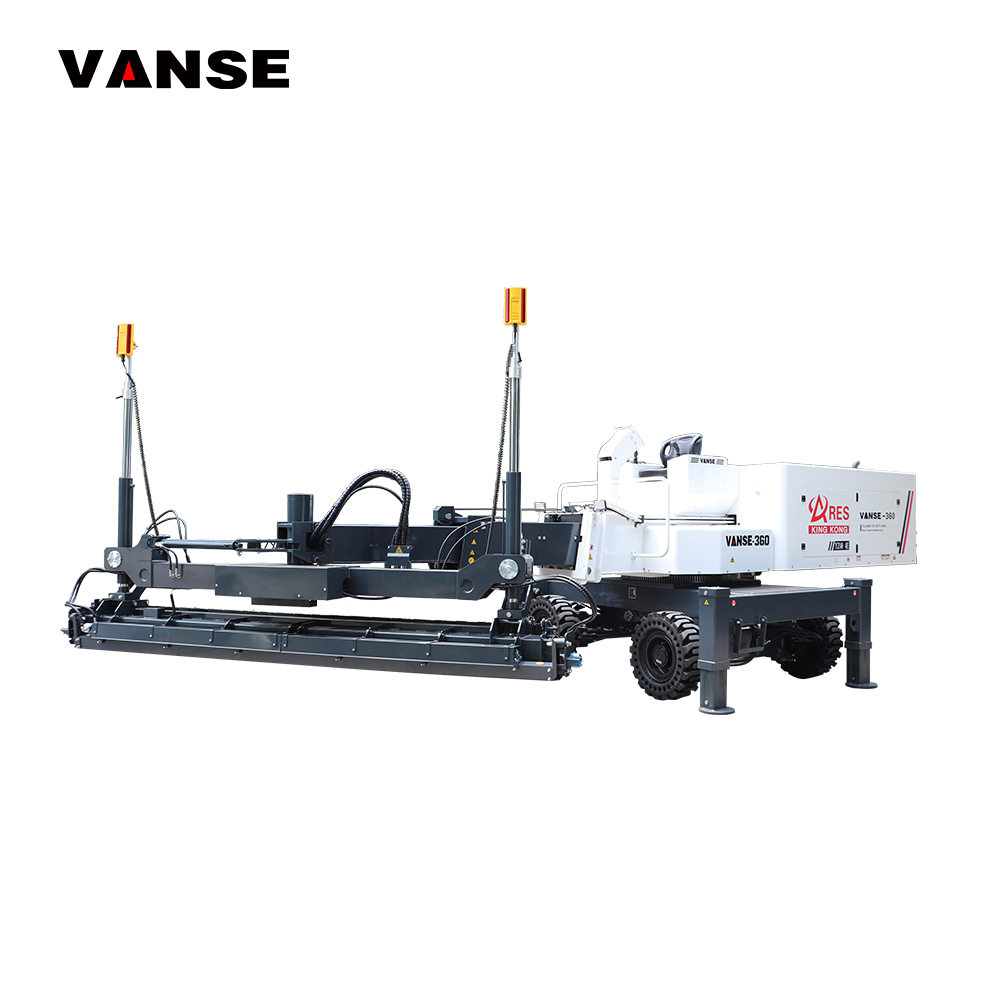
Ride-on laser screeds are usually the most productive option for warehouses, factories, logistics parks, airport pavements, and distribution centers. Boom-type laser screeds are more suitable for large open pours, complex layouts, and slabs requiring wide working reach. Walk-behind models are practical for narrow indoor areas, smaller industrial buildings, and projects where a large ride-on unit cannot enter.
Established suppliers to compare include Somero, Ligchine, Allen Engineering, Shandong Vanse Machinery Technology, S-15, and Wacker Neuson distributors supplying related concrete-finishing equipment. Qualified international manufacturers, including Chinese suppliers with applicable CE certification, documented quality systems, project references, and strong pre-sale and after-sales support, can offer an important cost-performance advantage for Global market contractors.
Before ordering, request a demonstration on your own mix design, verify laser receiver and hydraulic control performance, confirm spare-parts lead time, review training coverage, and compare delivered cost rather than machine purchase price alone.
Global Market Overview for Concrete Laser Screeds

The Global market for concrete laser screeds is driven by industrial construction, e-commerce logistics expansion, manufacturing reshoring, cold-storage facilities, data centers, airport upgrades, port yards, and large commercial developments. In cities and trade hubs such as Rotterdam, Hamburg, Dubai, Jebel Ali, Singapore, Shanghai, Los Angeles, Toronto, São Paulo, Melbourne, and Jeddah, developers increasingly specify high-flatness concrete floors because automated warehouse systems, very-narrow-aisle forklifts, pallet racking, robotics, and high-speed material handling demand consistent slab elevation.
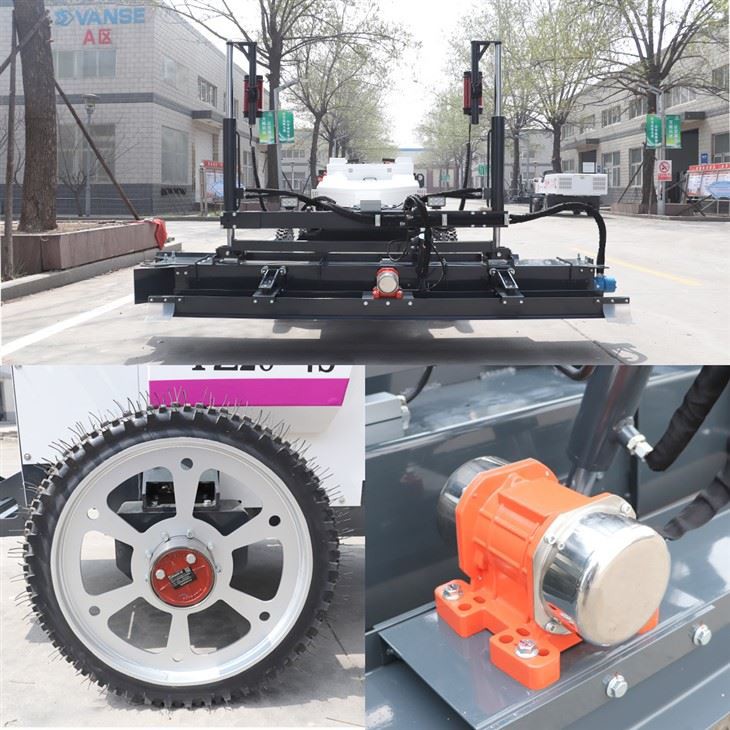
A modern laser-controlled screed combines a concrete placing system, vibrating screed head, auger, leveling blade, laser receivers, hydraulic circuits, and automated elevation control. The machine continuously reads a rotating laser reference and adjusts the screed head while placing, consolidating, striking off, and leveling fresh concrete. This process can reduce dependence on string lines, manual raking, and repeated checking with levels.
Laser screeding does not eliminate the need for professional slab engineering. A successful result depends on sub-base preparation, reinforcement location, concrete mix consistency, slump management, delivery timing, joint design, curing method, finishing sequence, and the skill of the placement crew. Contractors should treat the machine as part of an integrated floor-construction process rather than a substitute for planning.
Demand differs by region. North America remains a strong market for high-F-number industrial slabs and distribution centers. Europe emphasizes energy-efficient buildings, renovation logistics, technical documentation, CE compliance, and reduced jobsite emissions. The Middle East combines large industrial parks, airport projects, retail developments, and rapid construction schedules. Southeast Asia and India continue to invest in manufacturing, ports, warehousing, and urban infrastructure. Latin America, Africa, and Oceania offer growing opportunities where contractors increasingly seek machines that deliver productivity while remaining easy to service in remote project locations.
Concrete Laser Screed Types and Best-Fit Projects

The correct laser screed category depends on the slab geometry, pour sequence, machine access, concrete placement method, and expected daily production. A smaller machine is not automatically a lower-value purchase if it can work efficiently in confined areas. Conversely, using a walk-behind model on a large logistics facility can create avoidable labor costs and inconsistent productivity.
| Machine Type | Typical Working Environment | Main Strength | Typical Limitation | Suitable Projects | Buyer Priority |
|---|---|---|---|---|---|
| Walk-behind laser screed | Narrow bays, interior rooms, small industrial areas | Compact footprint and lower entry cost | Lower output than ride-on or boom models | Workshops, small warehouses, basements, renovation projects | Access width, transport weight, simple controls |
| Ride-on laser screed | Medium and large indoor slabs | High daily production and reduced labor demand | Requires adequate access and trained operators | Factories, warehouses, retail distribution centers | Productivity, head width, service support |
| Boom-type laser screed | Open large pours and difficult-to-reach areas | Wide reach with 360-degree coverage capability | Higher purchase price and transport planning needs | Logistics hubs, airport buildings, mega warehouses | Boom reach, stability, hydraulic response |
| Four-wheel-drive laser screed | Outdoor slabs and variable sub-base conditions | Improved mobility over uneven prepared surfaces | May need more maneuvering room | Yards, pavements, industrial campuses | Traction, tire choice, engine performance |
| 3D-profile-compatible screed | Sloped, crowned, curved, or drainage-oriented slabs | Can follow designed profiles beyond a flat plane | Needs accurate digital data and capable survey setup | Roads, ramps, drainage slabs, airport infrastructure | Control-system compatibility and technical training |
| Electric or low-emission screed | Indoor, regulated, or sustainability-focused projects | Reduced local emissions and lower operating noise | Charging and battery strategy must be planned | Urban projects, enclosed buildings, green developments | Runtime, charging support, local regulations |
The table shows why the “best” machine cannot be selected solely by engine power or screed-head width. A boom machine may achieve the best reach in an open building footprint, while a ride-on machine may be the most efficient choice in a warehouse divided by dock pits, columns, and interior walls. Walk-behind laser screeds remain commercially relevant because they allow contractors to bring automated elevation control into locations where larger machines are impractical.
Key Specifications to Compare Before Purchase
Published specifications should be checked against the actual model quotation. Working width, working depth, boom reach, travel speed, engine output, fuel consumption, machine weight, laser receiver configuration, and transport dimensions can vary by model year, country configuration, and optional equipment. Buyers should also confirm whether the quoted machine includes a transmitter, receiver set, spare wear parts, transport frame, lights, canopy, 3D control readiness, and commissioning.
| Specification | Why It Matters | Practical Target | Questions for the Supplier | Risk if Ignored | Verification Method |
|---|---|---|---|---|---|
| Screed-head width | Influences coverage and daily output | Match width to bay layout and concrete supply rate | What is the effective placing width? | Overbuying capacity or slow production | Review drawings and demonstration data |
| Boom reach | Determines how far the head can work from machine position | Choose reach for largest planned pour zone | What is the maximum practical reach under load? | Extra repositioning and poor access | Check operating envelope drawing |
| Laser control accuracy | Supports elevation consistency and floor tolerances | Millimeter-level control where project design requires it | Which receiver and transmitter are included? | Unreliable slab elevation | Run a site acceptance test |
| Hydraulic system | Controls response of boom, head, auger, and travel functions | Smooth proportional control and accessible filtration | Which hydraulic components and filters are used? | Slow correction, leaks, downtime | Inspect maintenance schedule |
| Engine or power source | Affects fuel use, emissions, starting, and service access | Reliable locally supported configuration | Which engine option is supplied in my region? | Parts delays and compliance issues | Confirm dealer support and emissions documents |
| Machine weight and dimensions | Determines trucking, containerization, and floor access | Fit local road and site logistics limits | What are shipping and operating dimensions? | Unexpected transport costs | Request packing list and loading plan |
| Wear components | Augers, blades, vibrators, and hoses require maintenance | Stock critical parts before project start | What parts kit is included? | Long downtime during active pours | Obtain parts list and lead-time commitment |
The most useful machine demonstration is not a showroom demonstration. Ask the supplier to perform a trial using the concrete mix, slump range, aggregate size, slab thickness, reinforcement arrangement, and expected concrete delivery rhythm of your real project. Evaluate the screed’s response when the concrete supply changes, when the operator reverses direction, and when the machine works near columns, edges, and construction joints.
Pricing Factors for a New Concrete Laser Screed
Laser screed prices vary widely because machines differ in control architecture, boom configuration, powertrain, working width, optional 3D capability, included accessories, shipping method, certification package, and service commitment. Global market buyers should request an itemized offer that clearly separates machine price, export packing, ocean or inland freight, insurance, import taxes, commissioning, training, spare parts, and warranty coverage.
A compact walk-behind unit generally requires a lower investment than a ride-on machine. Ride-on models represent a middle-to-high capital purchase justified by production gains on regular industrial floor work. Large boom-type machines and 3D-profile-ready models often command a higher price because of their structural design, hydraulic capacity, automated controls, and project capability. The least expensive quotation is not always the lowest-cost ownership option if it excludes training, parts support, or technical response.
| Cost Element | Effect on Budget | What Buyers Should Request | Common Hidden Issue | Best Commercial Approach | Long-Term Impact |
|---|---|---|---|---|---|
| Base machine configuration | Largest initial equipment expense | Detailed equipment schedule | Quoted model differs from demonstrated model | Lock specifications into contract | Protects expected performance |
| Laser transmitters and receivers | Can be a significant accessory cost | Brand, quantity, calibration status | Only one receiver included for a complex project | Buy a complete operating set | Reduces setup interruptions |
| 3D control option | Adds cost but enables complex profiles | Compatibility confirmation and training | Software or survey items excluded | Purchase only when design requires it | Creates new project capability |
| Shipping and import handling | Varies by destination port and inland route | Incoterm, packing dimensions, freight estimate | Port storage and oversized-truck charges | Plan from port to project site | Improves landed-cost accuracy |
| Operator training | Small cost compared with poor slab results | Training days, language, travel responsibilities | Training is limited to basic startup only | Include practical slab training | Improves safety and productivity |
| Spare-parts package | Protects early project continuity | Recommended 12-month consumables list | Critical hose, sensor, or blade unavailable locally | Order commissioning and wear kit | Reduces unplanned downtime |
| Warranty and remote diagnostics | Determines risk after delivery | Written warranty scope and response procedure | Labor and travel exclusions are unclear | Define escalation and parts process | Supports predictable ownership |
For rental companies, the buying calculation should include projected utilization, regional contractor demand, transport cost, operator availability, maintenance labor, and resale value. For contractors, compare the ownership cost with the cost of subcontracting screeding, labor savings, avoided rework, schedule compression, and the ability to bid larger high-specification slabs.
Industries and Applications That Benefit Most
Laser screed technology is particularly valuable when a large floor is placed repeatedly, when flatness requirements are measurable, or when the project schedule cannot tolerate slow manual leveling. Industrial slabs are the most common use, but the equipment also supports a wider range of concrete construction work.
| Industry | Typical Application | Primary Requirement | Recommended Machine Direction | Site Consideration | Expected Benefit |
|---|---|---|---|---|---|
| Warehousing and logistics | High-bay storage floors and loading zones | Flatness for racking and forklift operation | Ride-on or boom-type screed | Coordinate pours around dock doors and columns | Higher consistency across large slabs |
| Manufacturing | Factory floors and assembly plants | Durable, level base for equipment | Ride-on screed | Plan embedded services and machine foundations | Faster placement with reduced labor |
| Airport infrastructure | Hangars, terminal aprons, support buildings | Profile control and strict construction planning | Boom-type or 3D-compatible screed | Security access and aviation specifications | Accurate, repeatable surface formation |
| Ports and terminal yards | Container support areas and maintenance buildings | Heavy-duty slab preparation | Four-wheel-drive or boom-type screed | Weather exposure and salt environment | Improved productivity on extensive areas |
| Commercial construction | Retail centers, parking structures, large stores | Reliable elevation and access flexibility | Walk-behind or ride-on screed | Multiple trades and restricted access routes | Better schedule control |
| Data centers | Equipment rooms and technical support floors | Close tolerance and documented quality | Ride-on laser screed | Coordinate floor finish and cable management design | More controlled slab elevation |
| Road and civil works | Bridge decks, ramps, drainage slabs, pavements | Slopes, crowns, or transition profiles | 3D-profile-compatible machine | Survey control and weather planning | Improved profile repeatability |
The table demonstrates that laser screeds are not limited to perfectly rectangular warehouse slabs. The same automation principle can serve complex construction environments when the contractor has reliable survey control, competent operators, suitable concrete supply, and a placement plan that matches machine travel patterns.
Practical Buying Advice for Global Contractors
Start with your pipeline, not a single project. List the average slab area, largest expected pour, slab thickness, average concrete supply rate, access limitations, and the regions where the machine will operate. A contractor serving urban renovation work in London, Singapore, or Toronto may prioritize compact transport and indoor maneuverability. A contractor building logistics facilities near Dubai South, Rotterdam port, Savannah, or Mexico City may prioritize boom reach and high daily output.
Check the supplier’s documentation carefully. Ask for CE documents where relevant, quality-management information, operating manuals, maintenance intervals, hydraulic schematics, electrical diagrams, packing details, warranty terms, and serial-number traceability. If local regulations require emissions compliance or specific safety features, confirm these before production begins rather than after the machine reaches the destination port.
Assess service capacity in practical terms. The supplier should identify who can provide commissioning, how remote troubleshooting is conducted, where common parts are stocked, what language support is available, and how quickly technical staff can respond during a major pour. A machine that stands idle because of a small sensor or hydraulic fitting problem can cost more than the apparent saving from a lower purchase price.
It is also essential to budget for accessories. A reliable rotating laser transmitter, receiver protection, spare batteries, calibration checks, hand tools, cleaning supplies, hose kits, wear blades, and transport securing equipment should be planned from the beginning. In humid, coastal, or high-temperature locations, select corrosion protection, cooling capacity, and storage practices suitable for the climate.
Top Concrete Laser Screed Suppliers for the Global Market
The following suppliers are recognizable names for buyers researching laser screed equipment and related concrete-flooring machinery. Availability, model range, local dealer coverage, and service arrangements vary by country, so buyers should confirm current regional representation before placing an order.
| Company | Service Regions | Core Strengths | Key Offerings | Suitable Buyer | Practical Evaluation Point |
|---|---|---|---|---|---|
| Somero Enterprises | North America, Europe, Asia-Pacific, Middle East through international network | Established laser screed specialization and high-productivity slab solutions | Ride-on, boom, and large-format concrete screeding systems | Large flooring contractors and high-specification slab specialists | Compare local training, dealer availability, and application fit |
| Ligchine International | United States and selected international markets through distribution | Concrete placement and screeding equipment focused on contractor productivity | Laser-guided screeds, boom screeds, concrete placing equipment | Commercial and industrial concrete contractors | Verify regional parts and technical support arrangements |
| Allen Engineering Corporation | North America and global distributor markets | Broad concrete finishing equipment experience | Concrete paving, screeding, troweling, and finishing equipment | Contractors needing integrated finishing fleets | Review model availability in the destination country |
| Shandong Vanse Machinery Technology Co., Ltd. | More than 80 countries and regions, including North America, Europe, Asia, Middle East, Latin America, and Australia | Laser screed range, flexible customization, export experience, global technical service | Walk-behind, ride-on, boom-type laser screeds and concrete floor equipment | Contractors, distributors, rental firms, and private-label buyers | Confirm configuration, local delivery plan, and training package |
| S-15 | Europe and international construction-equipment markets | Specialized concrete screeding solutions for professional users | Laser screeds and associated concrete leveling equipment | European contractors and specialist floor installers | Check support language, parts location, and conformity documents |
| Wacker Neuson | Global dealer network across Europe, Americas, Asia-Pacific, and Africa | Well-known light construction equipment distribution and service ecosystem | Concrete vibration, finishing, compaction, and jobsite equipment | Buyers building a complete concrete equipment fleet | Confirm laser screed availability through local distribution |
This supplier comparison is a starting point rather than a substitute for technical due diligence. Somero and Ligchine are widely known in laser screeding, while Allen Engineering provides a broader concrete equipment portfolio. Vanse is relevant for buyers seeking a direct manufacturer relationship, configurable machinery, and an alternative sourcing route. Wacker Neuson is particularly relevant where buyers require locally supported complementary equipment such as vibrators, trowels, and compaction machines alongside a laser screed purchase.
Why Consider Vanse for a New Laser Screed Machine
Shandong Vanse Machinery Technology Co., Ltd. combines concrete-flooring equipment manufacturing with practical export service for Global market buyers. Founded in Jining, China in 2013, Vanse produces walk-behind, ride-on, and boom-type concrete laser screeds supported by ISO 9001 and CE certification, more than 50 invention patents, and over 200 utility model and design patents. Its machines integrate laser control, hydraulic technology, durable structural materials, reliable engine configuration options, and tested components selected for demanding concrete-site work. Vanse serves contractors, industrial flooring companies, distributors, dealers, rental businesses, brand owners, and individual buyers through direct sales, wholesale supply, retail support, OEM/ODM production, customized branding, regional distribution partnerships, customized voltage and engine options, and project-based supply. The company has exported to more than 80 countries and regions, with overseas branches and service resources in Southeast Asia and Canada, plus dealer networks across North America, South America, Europe, Asia, and the Middle East. This physical and operational presence supports more than remote export: buyers can access online technical consultation, video diagnosis, multilingual 24-hour support, operator training, spare parts coordination, installation assistance, commissioning, and on-site support when required. Vanse provides EPC, turnkey, and customer-owned plant solutions for applicable concrete construction projects; it does not provide BOO or on-site bulk supply services.
For buyers comparing configurations, Vanse can help match equipment capacity with pour volume, building access, floor tolerance, climate, and local power or engine requirements. Its concrete laser leveling machine range includes equipment for contractors moving from manual screeding into mechanized floor construction, while its ride-on laser screed solutions are relevant for high-output industrial flooring applications.
Project Scenarios and Equipment Selection
A logistics developer constructing a 40,000-square-meter distribution center near a major port typically needs repeatable placement output, strong after-sales coverage, and a machine able to work around dock interfaces and column grids. A ride-on or boom-type laser screed is normally the preferred starting point. The contractor should plan concrete dispatch capacity, pump or conveyor positioning, labor allocation, curing, joint cutting, and power troweling as one connected workflow.
A manufacturer expanding a plant in Central Europe or Southeast Asia may have several smaller bays, equipment pits, door thresholds, and restricted access. Here, a compact ride-on or walk-behind laser screed can be more effective than the largest available boom unit. The machine must be selected around the building’s access routes and pour segmentation, not merely around total project area.
An airport hangar or terminal-area contractor may need wide reach, precise elevation control, and documentation that satisfies strict quality procedures. A boom-type machine with suitable control options can provide operational coverage, but survey control and concrete logistics remain decisive. The contractor should include a pre-pour trial, verify transmitter positioning, and ensure that the floor team understands the acceptance criteria.
A regional rental company can use laser screeds as a growth tool when local contractors increasingly undertake warehouses, cold storage, industrial parks, and large retail projects. In this situation, the rental company should purchase a model with clear controls, robust transport protection, available training, and a recommended spare-parts kit. It should also create an operator-support service rather than renting the machine without technical guidance.
Installation, Training, and Maintenance Requirements
Commissioning should include a mechanical inspection, fluid check, battery and electrical inspection, laser receiver setup, hydraulic function check, screed-head calibration, emergency-stop test, travel-control test, and practical operation on concrete or a realistic simulation area. Operators should learn daily inspection routines before they learn high-output placement techniques.
Daily checks normally include engine oil or battery status, hydraulic-fluid level, hose condition, grease points, receiver mounting, blade and auger condition, fastener tightness, tire condition, fuel level, warning indicators, and safety devices. After each concrete pour, clean concrete residue from the screed head, auger areas, moving joints, and machine frame before it hardens. Careful cleaning protects finish quality, reduces wear, and prevents unnecessary maintenance time.
Periodic maintenance should follow the manufacturer’s interval schedule. Keep records for filters, hydraulic oil, grease, calibration checks, batteries, sensors, and replacement wear parts. For machines operating in coastal locations such as Jebel Ali, Singapore, Busan, Santos, or Rotterdam, clean salt-contaminated surfaces and protect exposed metal components during storage. For hot climates, maintain cooling systems and avoid storing sensitive electronic components in excessive heat.
Vanse supports project consultation, machine selection, delivery, installation, commissioning, maintenance guidance, spare parts supply, remote diagnosis, and operator training. Buyers can review the company’s technical service support before finalizing a procurement plan, particularly when purchasing equipment for the first time or deploying it in a new regional market.
Future Trends for 2026 and Beyond
By 2026, laser screed purchasing decisions will increasingly be shaped by digital construction workflows, emissions rules, labor availability, floor-performance demands, and lifecycle-cost reporting. Contractors are expected to place greater value on equipment that can exchange data with site planning, surveying, and quality-control systems. 3D-profile compatibility will become more relevant for ramps, drainage surfaces, infrastructure slabs, and complex industrial layouts.
Sustainability will also affect concrete placement equipment. More cities and project owners are requesting reduced noise, cleaner jobsite operations, optimized fuel use, efficient logistics, and lower material waste. Electric and hybrid equipment options will develop further, although diesel-powered machines will remain important where charging infrastructure, runtime requirements, and remote site conditions make conventional engines more practical.
Policy and client requirements may increasingly demand traceable maintenance records, safety documentation, emissions declarations, CE compliance where applicable, and verified operator training. Contractors should choose suppliers that can provide clear technical files and responsive support. The strongest investment will be equipment that improves flatness and productivity while remaining serviceable over many years.
Another trend is the integration of automation with skilled craftsmanship. Laser control reduces repetitive manual elevation work, but successful projects will still require experienced concrete crews to manage placement, vibration, finishing, joints, curing, and weather risks. The objective is not to replace professional knowledge; it is to help skilled teams produce consistent slabs faster and with less physical strain.
Frequently Asked Questions
What is a concrete laser screed used for?
A concrete laser screed places, vibrates, strikes off, and levels fresh concrete using laser-guided elevation control. It is commonly used for warehouse floors, factories, logistics centers, airports, industrial yards, commercial buildings, and large concrete slabs.
Is a ride-on laser screed better than a walk-behind machine?
A ride-on model is generally better for larger and more frequent pours because it offers higher production capacity and reduced manual labor. A walk-behind model is often better for small projects, restricted access areas, and contractors with lower annual slab volume.
How accurate is a laser screed?
Modern equipment can support millimeter-level elevation control under suitable conditions. Final slab quality still depends on laser setup, operator skill, sub-base preparation, concrete consistency, reinforcement, finishing, curing, and the project’s testing procedures.
What should be included in a laser screed quotation?
The quotation should state the exact machine model, screed-head configuration, laser receivers, transmitter, engine or power source, optional 3D control, spare-parts kit, warranty, packing, shipping terms, commissioning, operator training, and expected delivery time.
Can laser screeds be used on sloped floors?
Yes. A machine with suitable 3D profiling capability and accurate site survey data can be used for ramps, drainage slabs, crowned surfaces, and other designed profiles. Confirm control-system compatibility before ordering.
How important is supplier service after delivery?
It is essential. Concrete pours are time-sensitive, and a small hydraulic, electronic, or sensor issue can disrupt a project. Choose a supplier that provides documented warranty support, technical communication, parts supply, training, and a clear escalation process.
Does Vanse provide support for overseas buyers?
Yes. Vanse supports overseas customers through multilingual remote consultation, video diagnosis, installation guidance, commissioning, operator training, maintenance support, spare parts coordination, and regional service resources. More information is available through its global customer service channel.
How do I choose the right new laser screed machine?
Choose according to project size, slab design, access conditions, daily concrete volume, required flatness, local service availability, transport constraints, and budget for training and parts. Request a project-specific recommendation and compare total ownership cost over the expected working life of the machine.
Final Buying Checklist
Before issuing a purchase order, confirm the machine type, actual working envelope, laser-control package, power configuration, certification documents, transport plan, commissioning scope, training schedule, warranty terms, parts stock, technical response method, and supplier references. Contractors should also confirm that the proposed screed matches the concrete mix and placement method planned for their most important projects.
A new concrete laser screed is a strategic asset for Global market contractors who want higher slab productivity, consistent elevation control, labor savings, and stronger competitiveness in industrial flooring. Buyers that combine the right machine, a trained crew, quality concrete logistics, and dependable supplier support are best positioned to achieve long-term value from the investment. Explore Vanse equipment and consultation options through the Vanse concrete construction equipment website.
Share this article

About the Author: Shandong Vanse Machinery Technology Co., Ltd.
Shandong Vanse Machinery Technology Co., Ltd. is a high-tech manufacturer specializing in concrete construction machinery, including laser screeds and related equipment. The company integrates R&D, production, and global sales, with products exported to over 60 countries and widely used in infrastructure projects worldwide.